The Septum
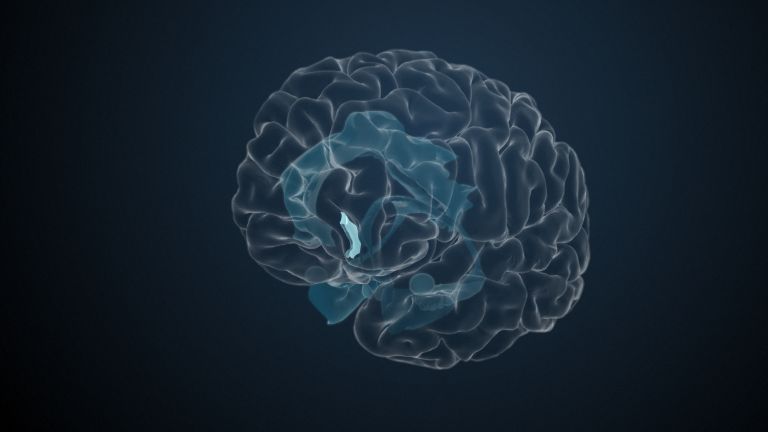
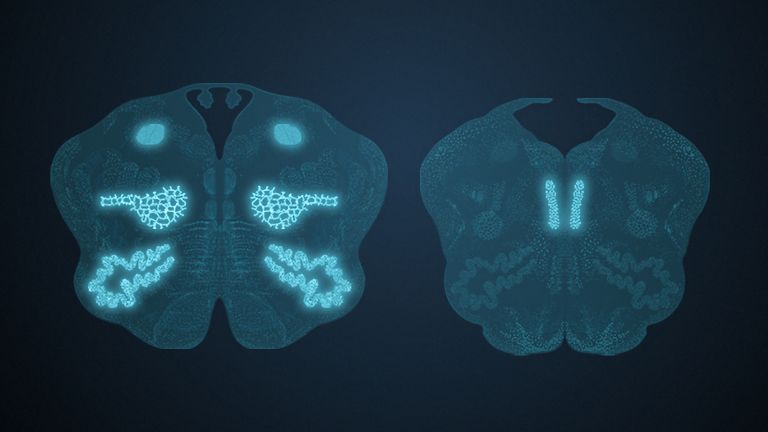
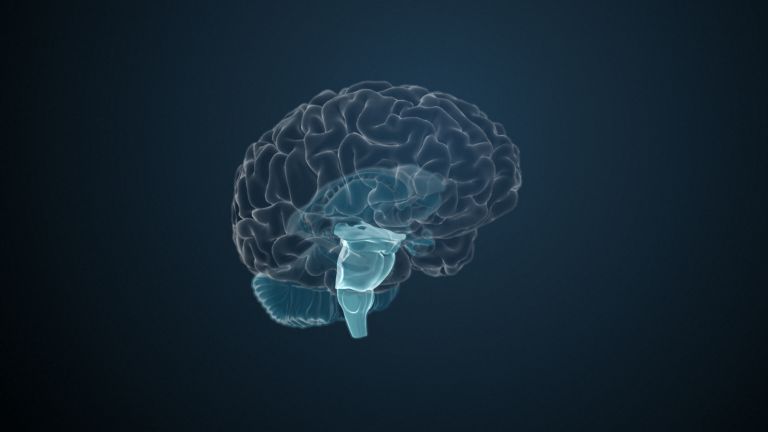
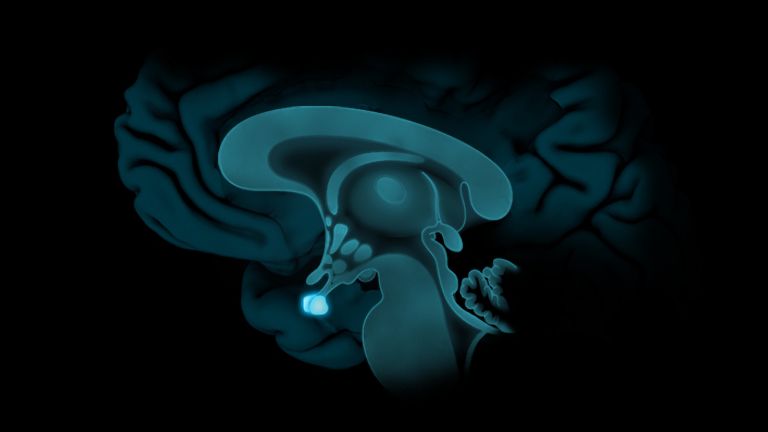
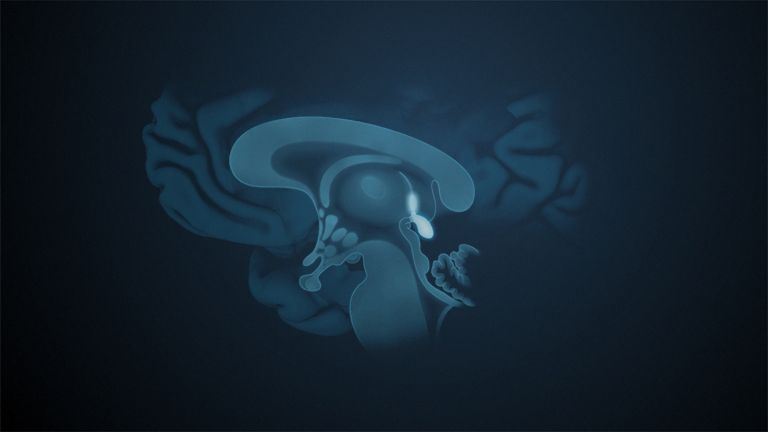
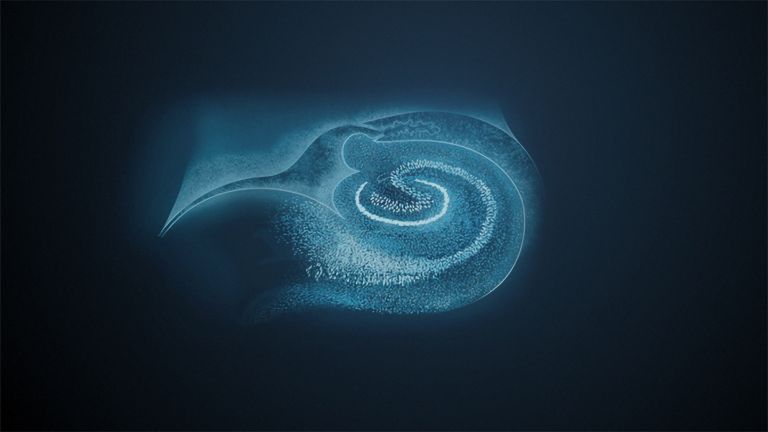
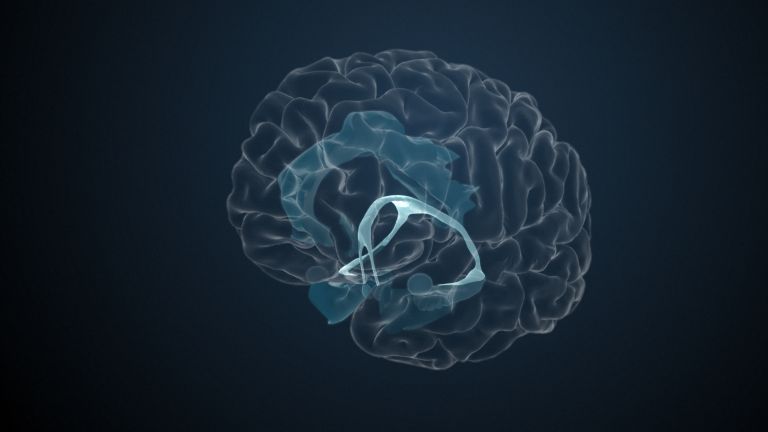
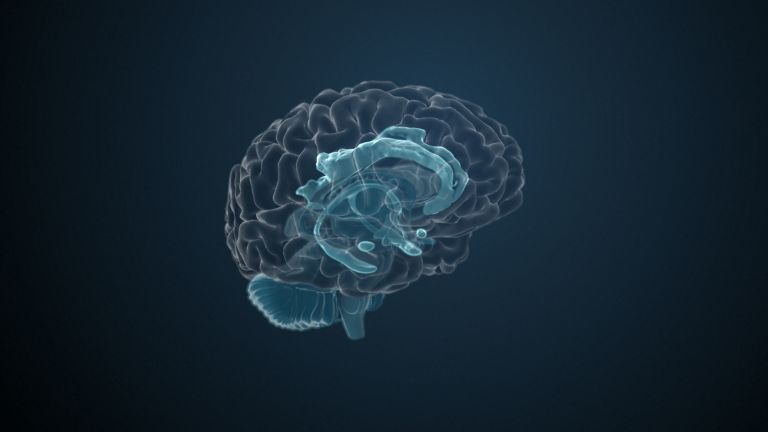
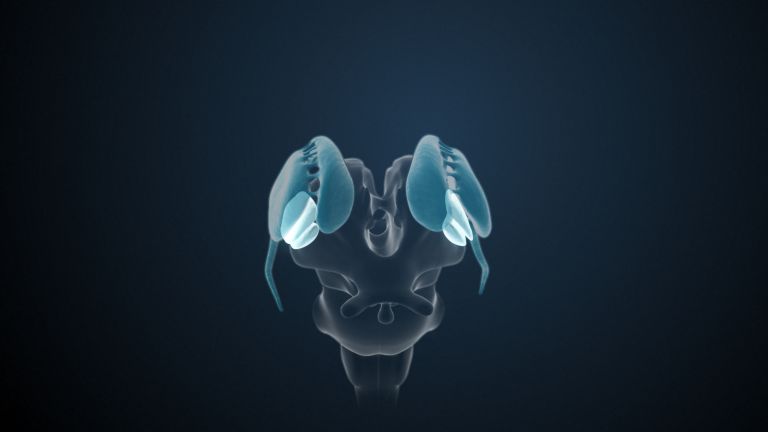
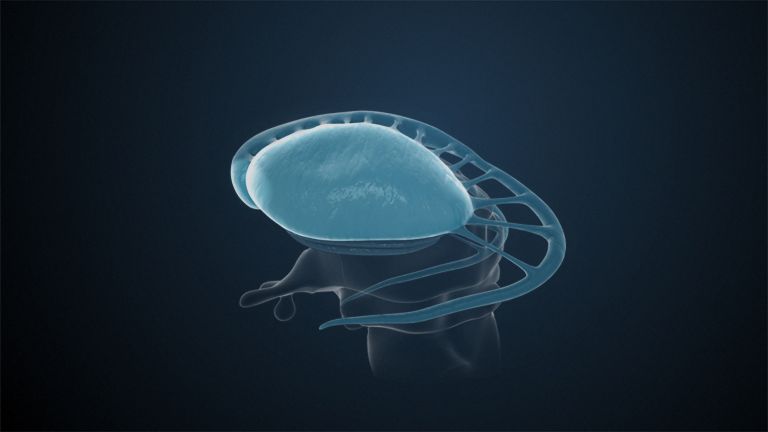
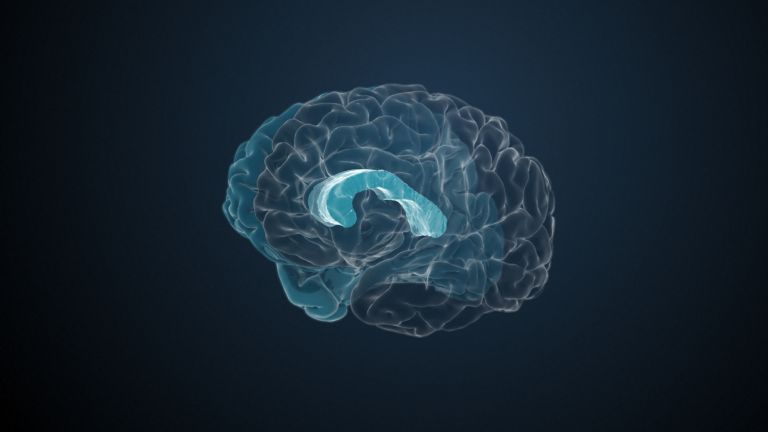
The septal region is not large, but it contains a wide variety of chemical messengers. It is located at the interface between the hippocampus and the hypothalamus and is thought to be involved in emotional, vegetative, and memory functions.
Scientific support: Prof. Dr. Jochen F. Staiger
Published: 09.10.2025
Difficulty: serious
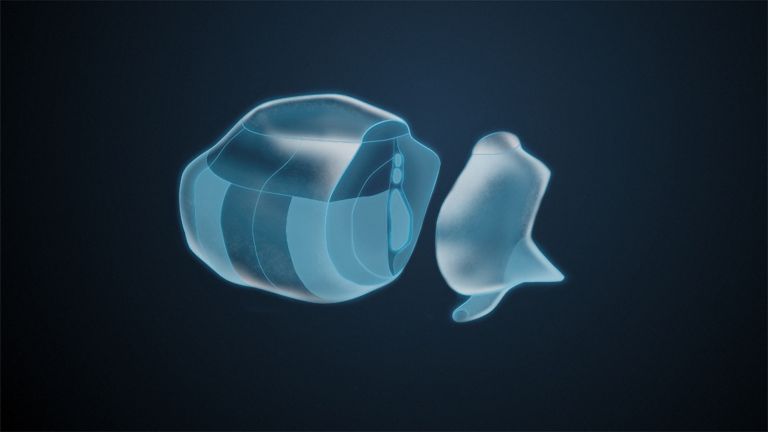
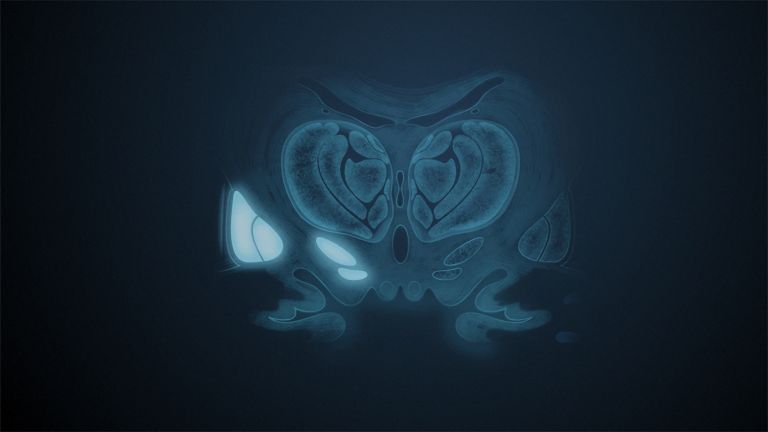
The septal region contains two important, highly interconnected nuclei that represent a central interface between emotion, memory, and behavior in the current context.
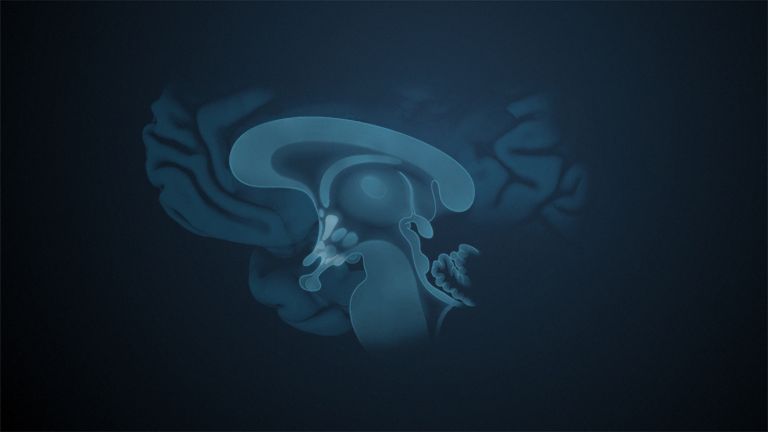
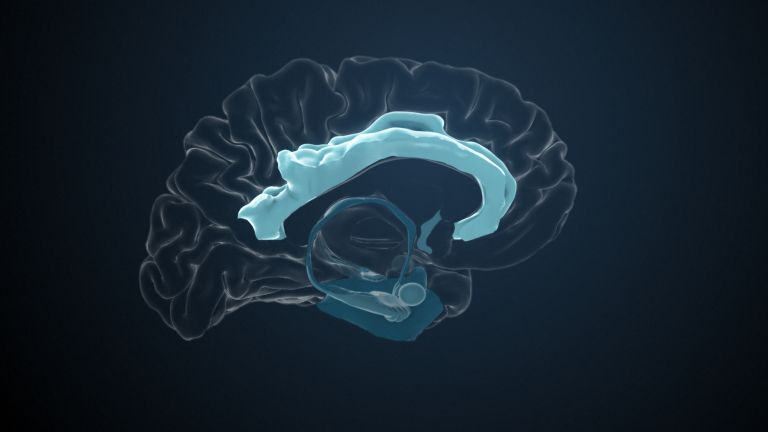
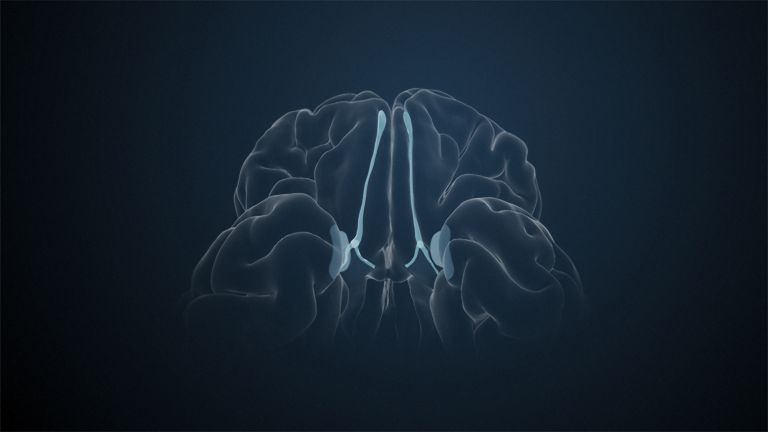
Not all septa are the same – above the “verum” is the “pellucidum,” the “translucent partition.” This Septum is located exactly in the middle of the brain, between the two hemispheres. Like a triangular sail, it is stretched vertically between the Corpus callosum and the fornix, and borders the two lateral ventricles at the anterior horn towards the center.
The septum pellucidum consists of two membranes, the laminae septi pellucidi. Between them, there is a slit-shaped cavity measuring only a few millimeters, the cavum septi pellucidi, which is particularly easy to see in cross-sectional images of the brain. This slit forms during development and is initially connected to the cavity between the two hemispheres until the corpus callosum grows into it and closes off the cavum at the top. It is still well developed in all newborns but usually disappears during childhood.
Septum
area septalis
The septal nuclei are located medially in the basal forebrain, near the anterior tip of the cingulate gyrus. They are connected to the olfactory cortex and linked to other limbic structures via the fornix. Functionally, they play a role in emotional processes and reward processing.
Corpus callosum
As the largest commissure (connection in the brain), the corpus callosum connects the two cerebral hemispheres. It consists of 200-250 million nerve fibers and serves to exchange information.
lateral
A positional term – lateral means "towards the side." In relation to the nervous system, it refers to a direction at right angles to the neural axis, i.e., to the right or left.
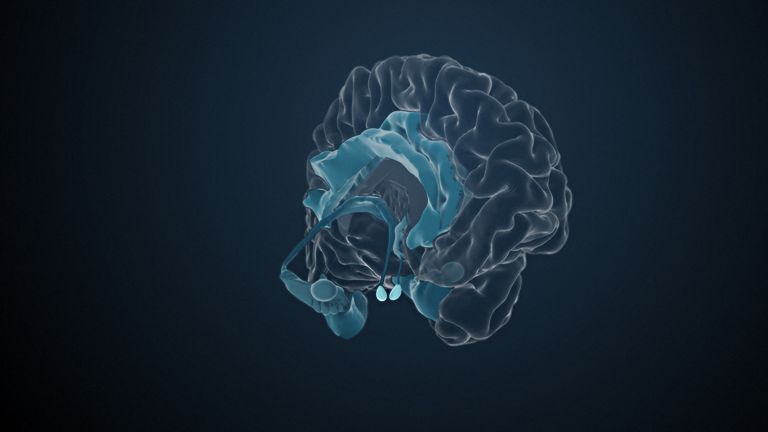
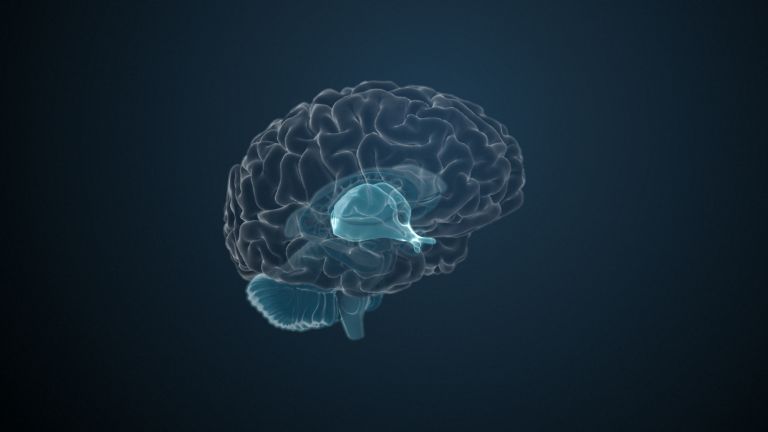
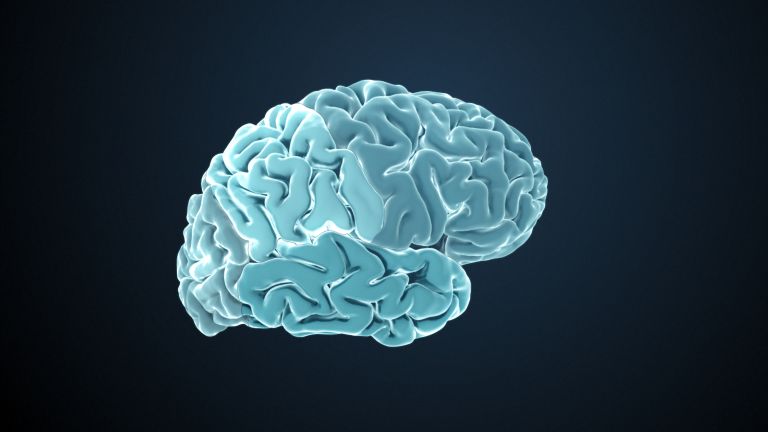
The area septalis, the Septum region – also known as the septum verum, or “true” septum – is a relatively small area of the anterior inner Cerebrum. The Latin word septum often refers to a partition in the body – for example, in the Nose – but although this septum is the actual, true septum (see box), it does not separate, but rather connects: the hippocampus, hypothalamus, and amygdala.
Septum
area septalis
The septal nuclei are located medially in the basal forebrain, near the anterior tip of the cingulate gyrus. They are connected to the olfactory cortex and linked to other limbic structures via the fornix. Functionally, they play a role in emotional processes and reward processing.
Cerebrum
telencephalon
The cerebrum comprises the cerebral cortex (gray matter), the nerve fibers (white matter), and the basal ganglia. It is the largest part of the brain. The cortex can be divided into four cortical areas: the temporal lobe, frontal lobe, occipital lobe, and parietal lobe.
Its functions include the coordination of perception, motivation, learning, and thinking.
Nose
nasus
The olfactory organ of vertebrates. In the nasal cavity, the air is cleaned by cilia, and in the upper area is the olfactory epithelium, which detects odors.
Amygdala
corpus amygdaloideum
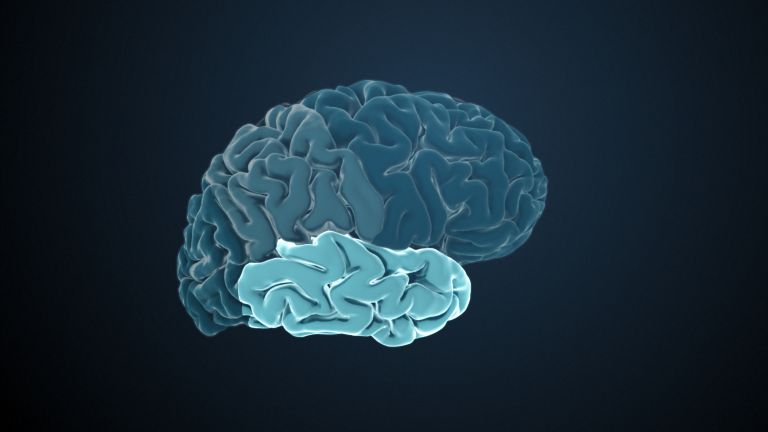
An important core area in the temporal lobe that is associated with emotions: it evaluates the emotional content of a situation and reacts particularly to threats. In this context, it is also activated by pain stimuli and plays an important role in the emotional evaluation of sensory stimuli. Inaddition, it is involved in linking emotions with memories, emotional learning ability, and social behavior. The amygdala is part of the limbic system.
Location and interconnection
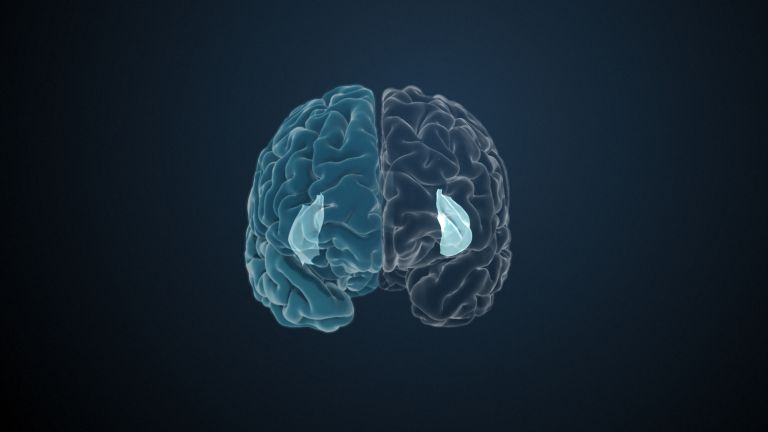
In addition to a medial (i.e., inward) and a lateral (side) core area, the Septum also consists of Broca's diagonal band, the stria diagonalis. This extends to the anterior substantia perforata of the olfactory brain. The septum region is bounded at the top by the anterior part of the corpus callosum, its beak. To the side lies the Nucleus accumbens.
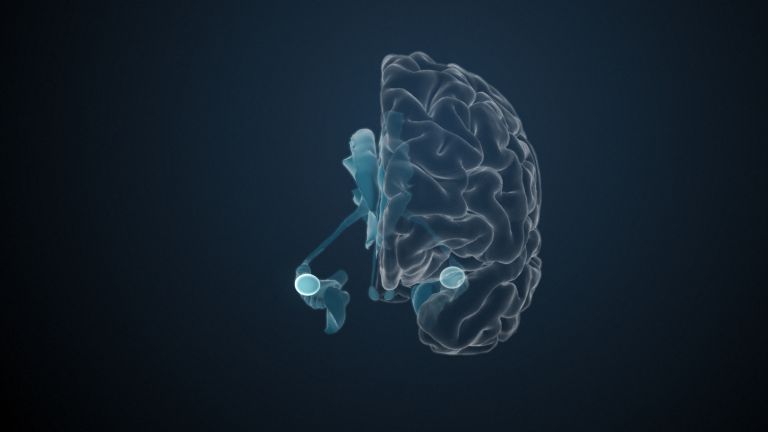
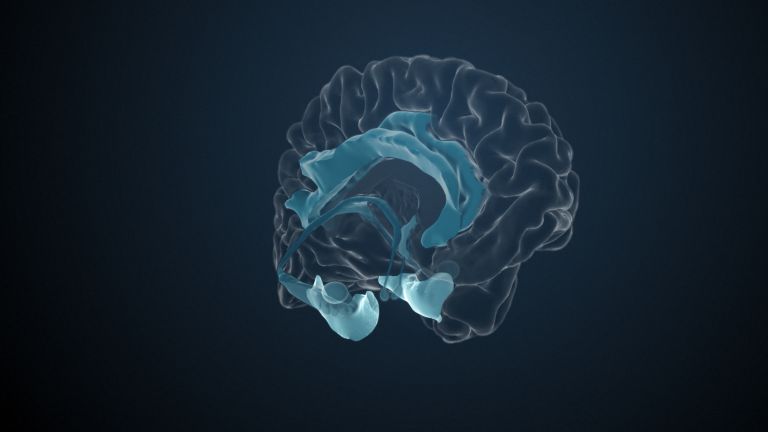
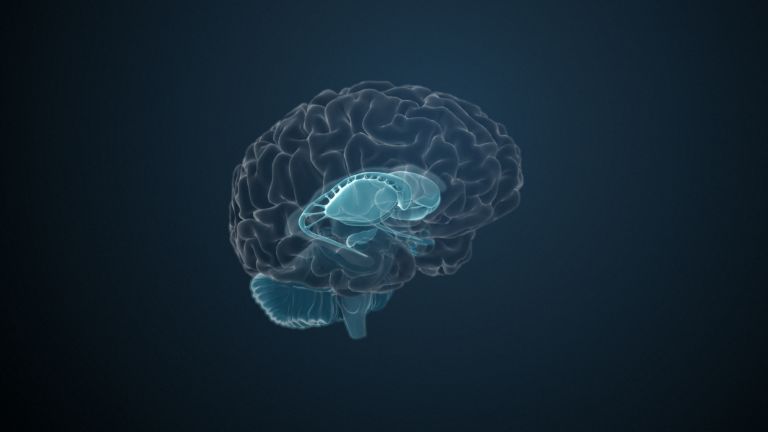
One of the most important connections of the septum is to the Hippocampus. It runs via the Fornix (the “vault”), which forms an impressive arch along the corpus callosum, connecting, among other things, the septum and the hippocampus. Despite this detour, the connection is very close: the fibers of the cornu ammonis and, above all, of the Subiculum in the hippocampus end via the fornix – either in the contralateral, opposite hippocampus, or in the septum. The fact that this central structure of Memory formation has such close connections to the septum says a lot about its importance. In the case of the medial septal nucleus, it is even central; more on that in a moment.
The septum has further connections to the Olfactory cortex areas in the immediate vicinity and – also via the fornix – to other structures of the Limbic system Dopaminergic pathways from the Midbrain also terminate in the septum. Conversely, the Lateral nucleus also influences central structures of the reward system: the Ventral tegmental area – the origin of dopaminergic fibers –and the Nucleus accumbens And thus, Motivation. At the same time, this nucleus also maintains connections to the amygdala, thereby influencing fear and aggression. Last but not least, the septal region has extensive reciprocal connections with the Hypothalamus. These connections make it an important factor in stress processing.
medial
A positional term – medial means "towards the middle." In relation to the nervous system, it refers to a direction toward the body, away from the sides.
lateral
A positional term – lateral means "towards the side." In relation to the nervous system, it refers to a direction at right angles to the neural axis, i.e., to the right or left.
Septum
area septalis
The septal nuclei are located medially in the basal forebrain, near the anterior tip of the cingulate gyrus. They are connected to the olfactory cortex and linked to other limbic structures via the fornix. Functionally, they play a role in emotional processes and reward processing.
Nucleus
In cell biology, the nucleus in a cell is the cell nucleus, which contains the chromosomes, among other things. In neuroanatomy, the nucleus in the nervous system refers to a collection of cell bodies – known as gray matter in the central nervous system and ganglia in the peripheral nervous system.
Hippocampus
The hippocampus is the largest part of the archicortex and an area in the temporal lobe. It is also an important part of the limbic system. Functionally, it is involved in memory processes, but also in spatial orientation and learning. It comprises the subiculum, the dentate gyrus, and the Ammon's horn with its four fields CA1-CA4.
Changes in the structure of the hippocampus due to stress are associated with chronic pain. The hippocampus also plays an important role in the amplification of pain through anxiety.
Fornix
The fornix is a nerve pathway consisting of approximately 12 million fibers that connects the hippocampus (one of the oldest structures in the brain in evolutionary terms) and subiculum with the septum and mammillary bodies.
Subiculum
The transition zone between the cornu ammonis and the entorhinal cortex is called the subiculum.
Memory
Memory is a generic term for all types of information storage in the organism. In addition to pure retention, this also includes the absorption of information, its organization, and retrieval.
Olfactory cortex
The olfactory cortex comprises the structures of the cerebrum that are responsible for processing olfactory information. The primary olfactory cortex is the prepiriform cortex, an evolutionarily ancient part of the cortex (paleocortex) with a three-layer structure.
Limbic system
The limbic system is a functional unit in the brain. It consists of interconnected structures, primarily in the cerebrum and diencephalon. The structures assigned to the system vary depending on the source, but the most important components are the hippocampus, amygdala, cingulate gyrus, septum, and mammillary bodies. The limbic system is involved in autonomic and visceral processes as well as in mechanisms of emotion, memory, and learning. Some authors mistakenly reduce the limbic system to the emotional world by referring to it as the "emotional brain."
Midbrain
mecencephalon
The midbrain is the uppermost section of the brain stem. Its regions are located around the aqueduct, a canal filled with cerebrospinal fluid. Prominent structures include the tectum, tegmentum, and substantia nigra.
Lateral nucleus
nucleus lateralis
The lateral nucleus belongs to the basolateral nucleus group of the amygdala. The basolateral amygdala is the largest part of the amygdala. It receives sensory information from the temporal lobe and neuromodulatory signals from the VTA, locus coeruleus, and basal forebrain, processes them, and sends them to the central nucleus. It is important for emotional learning and fear conditioning.
ventral
A positional term – ventral means "towards the abdomen." In relation to the nervous system, it refers to a direction perpendicular to the neural axis, i.e., downwards or forwards.
In animals (that do not walk upright), the term is simpler, as it always means toward the abdomen. Due to the upright posture of humans, the brain bends in relation to the spinal cord, making ventral mean "forward."
Ventral tegmental area
Ventral tegmental area/Area tegmentalis ventralis7ventral tegmental area
Located in the midbrain, the uppermost section of the brain stem, is the ventral tegmental area (VTA) – a central component of the reward system. The area itself is not particularly large, but its influence is immense: the neurons of the VTA send their axons to the nucleus accumbens and widely into the prefrontal cortex (PFC), where they release the neuromodulator dopamine. In this way, they enhance learning processes, but can also contribute to the development of addictions.
Nucleus accumbens
The nucleus accumbens is a nucleus in the basal ganglia that receives dopaminergic (dopamine-responsive) inputs from the ventral tegmental area. It is associated with reward and attention, but also with addiction. In pain processing, it is involved in motivational aspects of pain (reward, pain reduction) and in the effect of placebos.
Motivation
A motive is a reason. When this motive takes effect, the living being feels motivation – it strives to satisfy its need. For example, for food, protection, or reproduction. Motivation can be intrinsic (from within, e.g., curiosity) or extrinsic (from outside, e.g., reward).
Hypothalamus
The hypothalamus is considered the center of the autonomic nervous system, meaning it controls many motivational states and regulates vegetative aspects such as hunger, thirst, and sexual behavior. As an endocrine gland (which, unlike an exocrine gland, releases its hormones directly into the blood without a duct), it produces numerous hormones, some of which inhibit or stimulate the pituitary gland to release hormones into the blood.In this function, it also plays an important role in the response to pain and is involved in pain modulation.
Functions
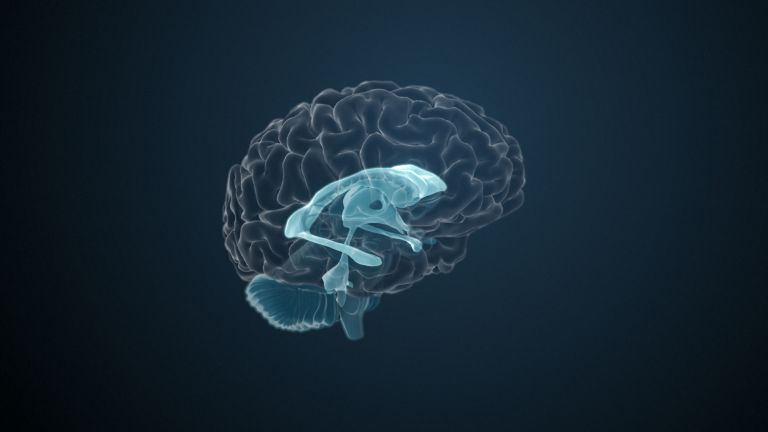
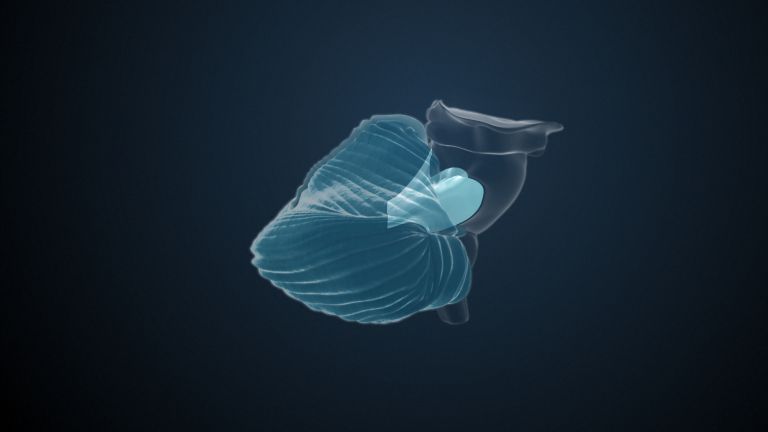
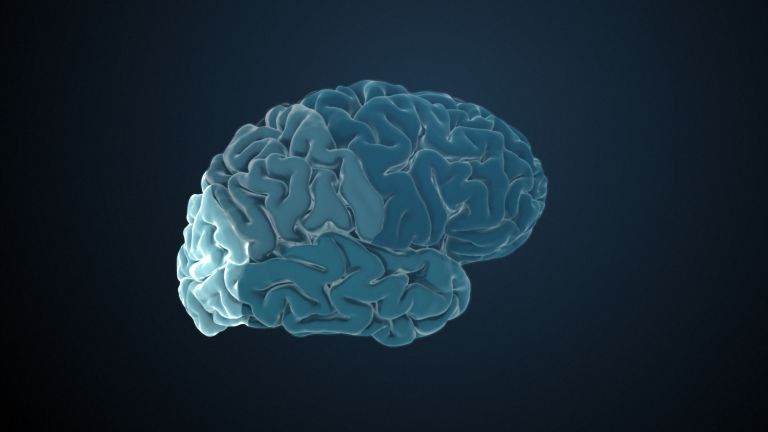
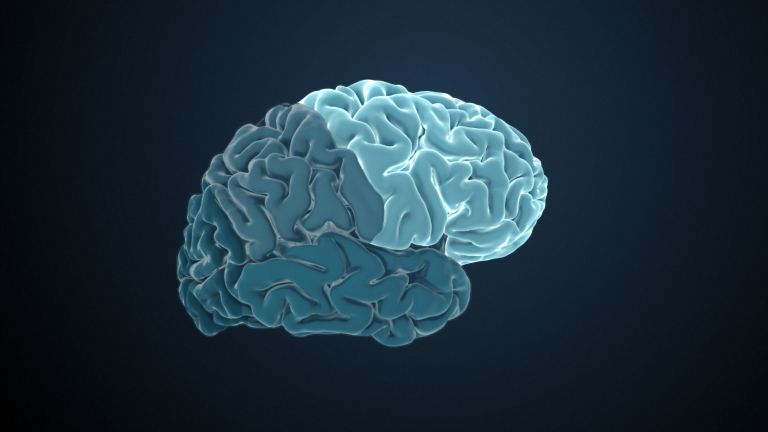
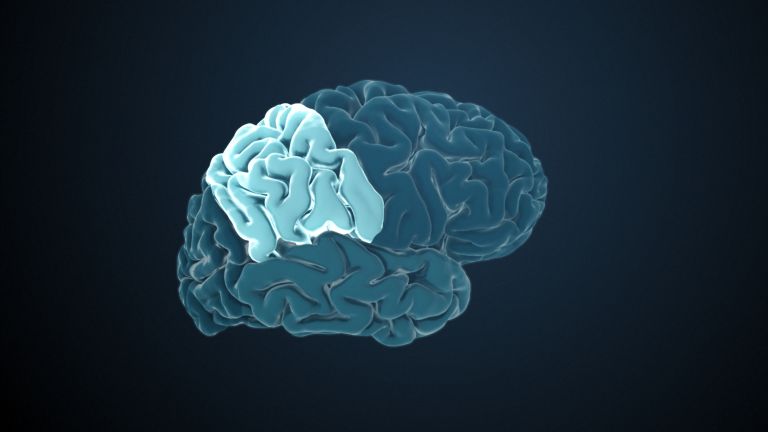
If we wanted to span the entire arc of life, three aspects are crucial from an evolutionary perspective: nutrition, reproduction, and survival. The Septum is a good example of the extensive networking required for this: the Amygdala evaluates a situation as helpful or threatening – we could also say: emotional. The reward system specifies helpful situations, i.e., reproduction and food, with a dopaminergic exclamation mark. The hypothalamus, as part of the stress axis as well as the Homeostasis of the internal environment, ensures that the body is prepared accordingly. The lateral septum is a central part of this complex processing in search for the right response. In addition, some studies show that it is also involved in the mothering (or “fathering”) of offspring.
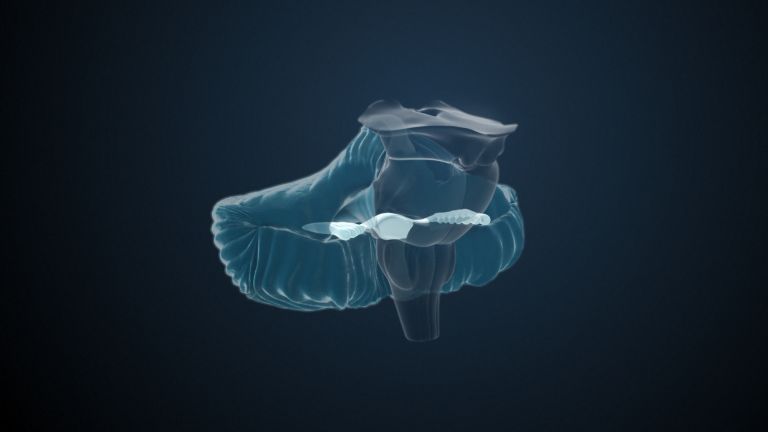
But we are still missing the player that ensures that a current situation becomes an experience, that the location of a food source or the habitat of a predator can still be recalled tomorrow: memory, and thus the Hippocampus. This is where the medial core of the septum comes into play – also in a central role. Its neurons send their fibers to the hippocampus, where they release two neurotransmitters: the inhibitory GABA and the often excitatory Acetylcholine. GABAergic projections seem to provide a basic rhythm for the neural timing of the hippocampus, the so-called theta waves. These waves are important for exploration and Memory retrieval – which includes not only important phone numbers and irregular verbs, but also orientation and navigation in the terrain. The hippocampus needs cholinergic inputs to encode new memory content, i.e., for learning. This is particularly evident in cases of damage to the septum, which causes memory loss.
Given the multitude of tasks, it is no wonder that up to 35 different chemical messengers have been found in the various Neuron groups of the septum.
Septum
area septalis
The septal nuclei are located medially in the basal forebrain, near the anterior tip of the cingulate gyrus. They are connected to the olfactory cortex and linked to other limbic structures via the fornix. Functionally, they play a role in emotional processes and reward processing.
Amygdala
corpus amygdaloideum
An important core area in the temporal lobe that is associated with emotions: it evaluates the emotional content of a situation and reacts particularly to threats. In this context, it is also activated by pain stimuli and plays an important role in the emotional evaluation of sensory stimuli. Inaddition, it is involved in linking emotions with memories, emotional learning ability, and social behavior. The amygdala is part of the limbic system.
Homeostasis
Homeostasis is the ability of an organism to maintain internal conditions such as metabolism, body temperature, blood pressure, etc. at a relatively constant level. The maintenance of homeostasis is controlled by the autonomic nervous system, meaning that humans cannot directly influence its regulation at will.
lateral
A positional term – lateral means "towards the side." In relation to the nervous system, it refers to a direction at right angles to the neural axis, i.e., to the right or left.
Hippocampus
The hippocampus is the largest part of the archicortex and an area in the temporal lobe. It is also an important part of the limbic system. Functionally, it is involved in memory processes, but also in spatial orientation and learning. It comprises the subiculum, the dentate gyrus, and the Ammon's horn with its four fields CA1-CA4.
Changes in the structure of the hippocampus due to stress are associated with chronic pain. The hippocampus also plays an important role in the amplification of pain through anxiety.
medial
A positional term – medial means "towards the middle." In relation to the nervous system, it refers to a direction toward the body, away from the sides.
GABA
GABA is an amino acid and the most important inhibitory neurotransmitter, which acts as a messenger in the transmission of information between neurons at their synapses.
excitatory
Exciting synapses are described as excitatory when they depolarize the subsequent cell membrane and can thus lead to the formation of an action potential. An excitatory effect is usually produced by an exciting transmitter (messenger substance), such as glutamate. The opposite is an inhibitory synapse.
Acetylcholine
Acetylcholine is one of the most important neurotransmitters in the nervous system. In the central nervous system, it is involved in attention, learning, and memory; in the peripheral nervous system, it transmits excitation from nerves to muscles at the neuromuscular end plates and controls processes of the autonomic nervous system, i.e., the sympathetic and parasympathetic parts. Areas in which acetylcholine acts as a messenger substance are called cholinergic. It was the first neurotransmitter to be discovered, identified in 1921 by Otto Loewi in the heart of a frog.
Memory
Memory is a generic term for all types of information storage in the organism. In addition to pure retention, this also includes the absorption of information, its organization, and retrieval.
cholinergic
Cholinergic neurons produce acetylcholine (an important neurotransmitter in the brain), and cholinergic synapses use it to transmit signals.
Neuron
A neuron is a specialized cell in the nervous system that is responsible for processing and transmitting information. It receives signals via its dendrites and transmits them via its axon. Transmission occurs electrically within the neuron and, between neurons, usually chemically via synapses.
First published on September 9, 2011
Updated on October 9, 2025