
The Corpora Mamillaria
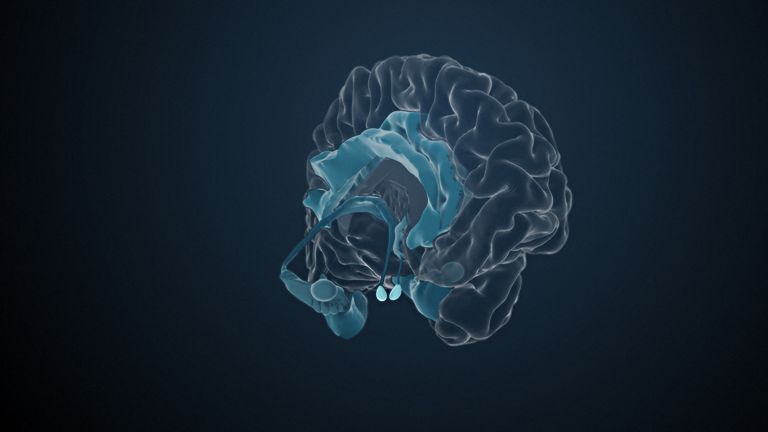
The term “mammillary bodies” once again illustrates the vivid imagination of early anatomists. Functionally, they are switching stations whose importance becomes apparent when they fail. For example, after alcohol abuse.
Scientific support: Prof. Dr. Horst-Werner Korf
Published: 28.11.2025
Difficulty: intermediate
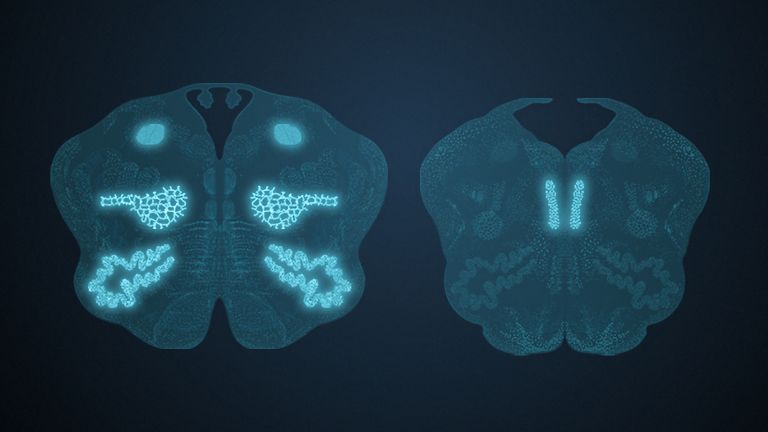
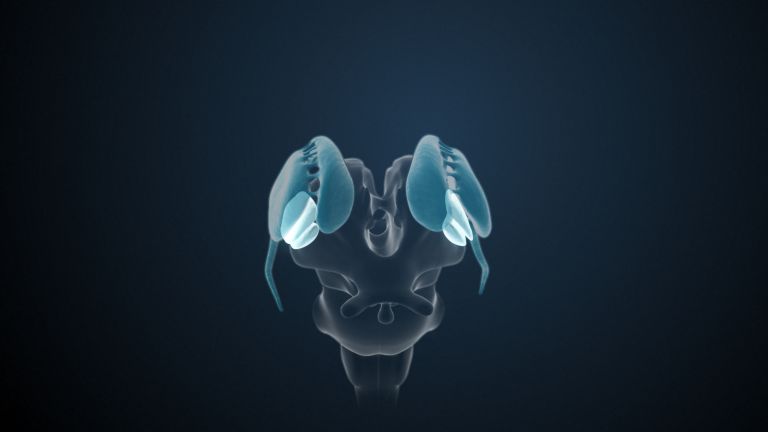
The corpora mamillaria are switching stations in the Papez circuit of the Limbic system and look like their name suggests. They are susceptible to ethyl toxicity, which can lead to severe deficits in the formation of new memories.
Limbic system
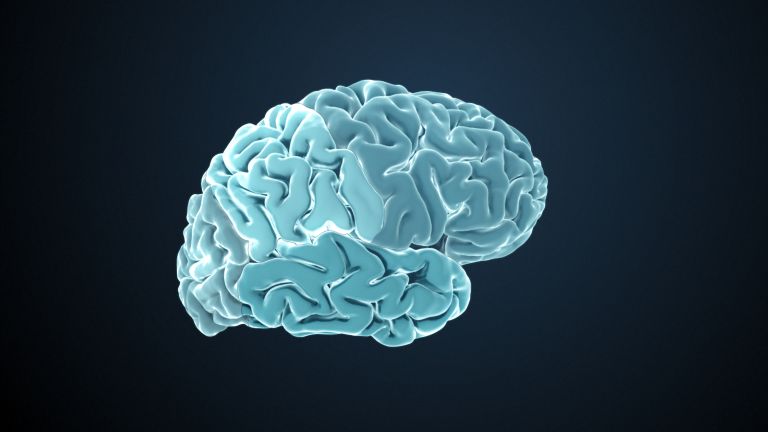
The limbic system is a functional unit in the brain. It consists of interconnected structures, primarily in the cerebrum and diencephalon. The structures assigned to the system vary depending on the source, but the most important components are the hippocampus, amygdala, cingulate gyrus, septum, and mammillary bodies. The limbic system is involved in autonomic and visceral processes as well as in mechanisms of emotion, memory, and learning. Some authors mistakenly reduce the limbic system to the emotional world by referring to it as the "emotional brain."
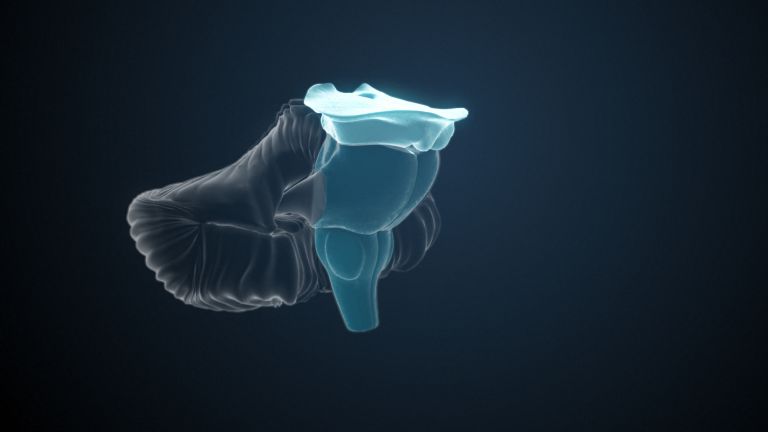
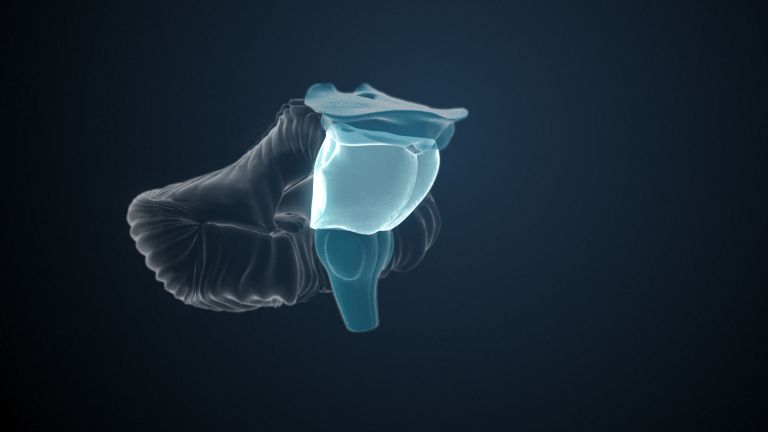
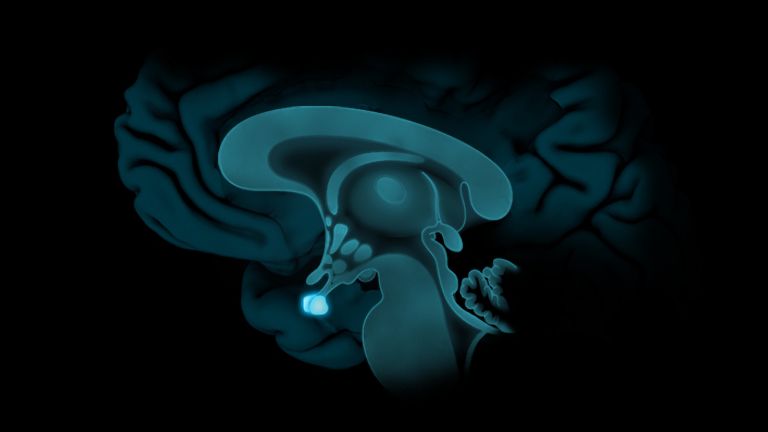
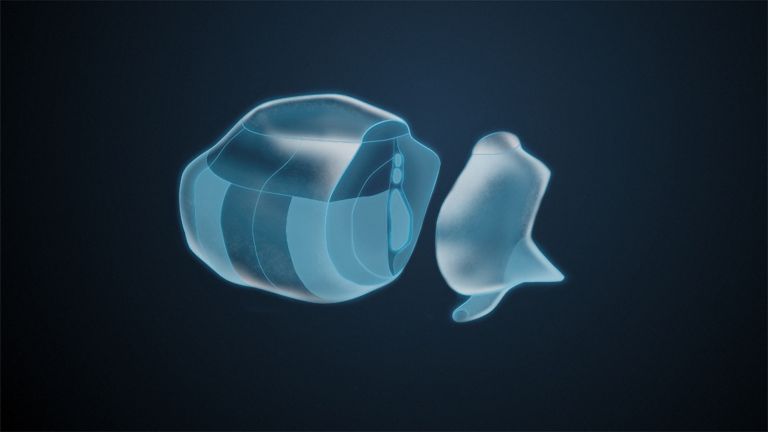
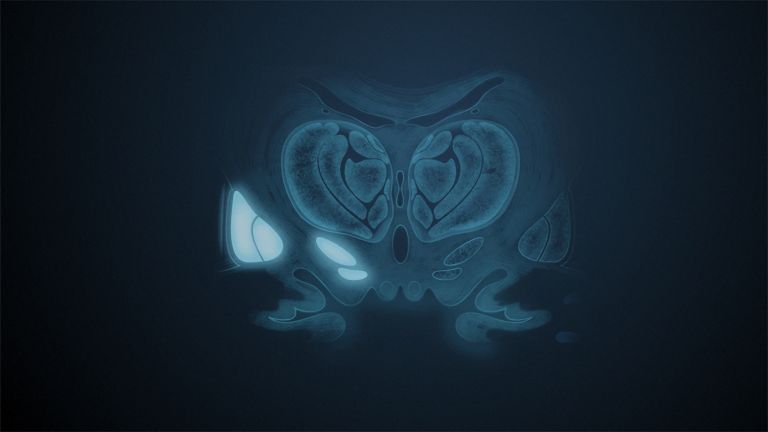
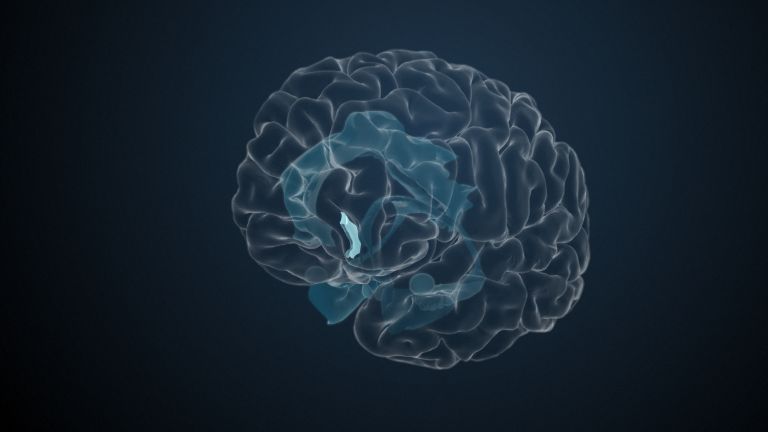
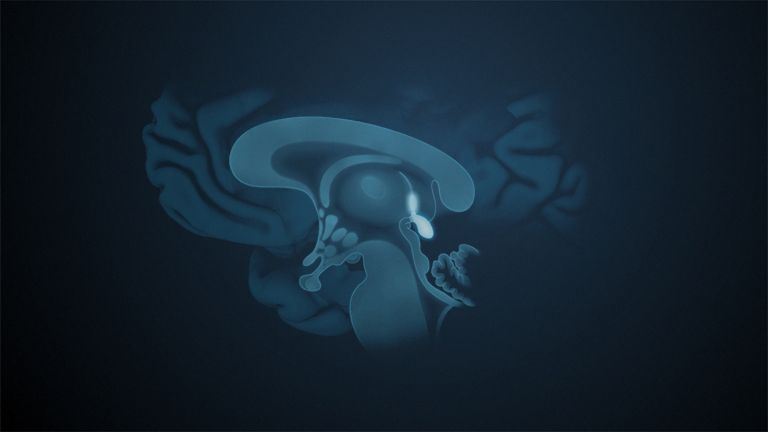
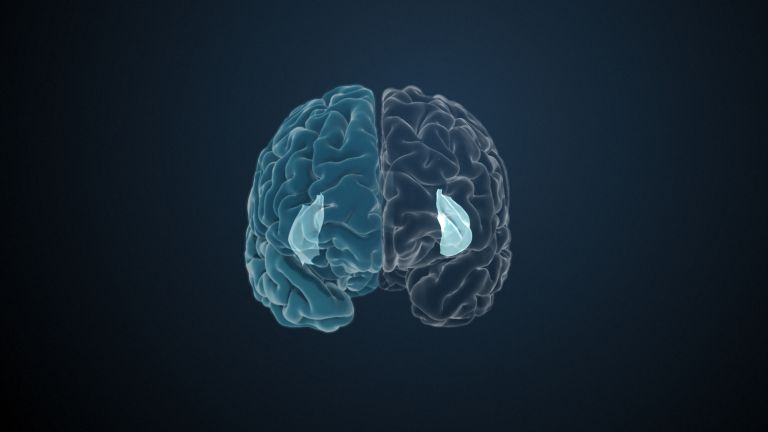
Anyone who has ever seen the corpus mamillare of the brain knows why they are called that – “mamilla” is Latin for small breasts. They are located at the base of the brain, the diencephalon, to be precise. However, they are not flanked by armpits and shoulders, as breasts should be. No, the structures that border them on the right and left are called the cerebral peduncles, or crura cerebri – “crura” meaning shanks in Latin. Well-rounded breasts – but between the thighs. Another drawback: the nipples are missing.
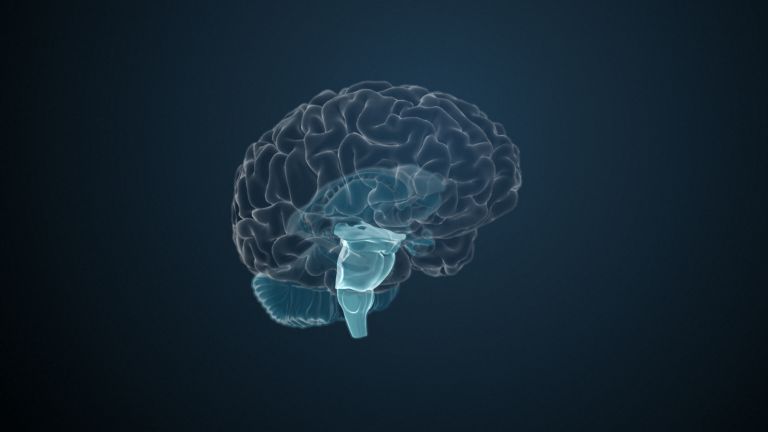
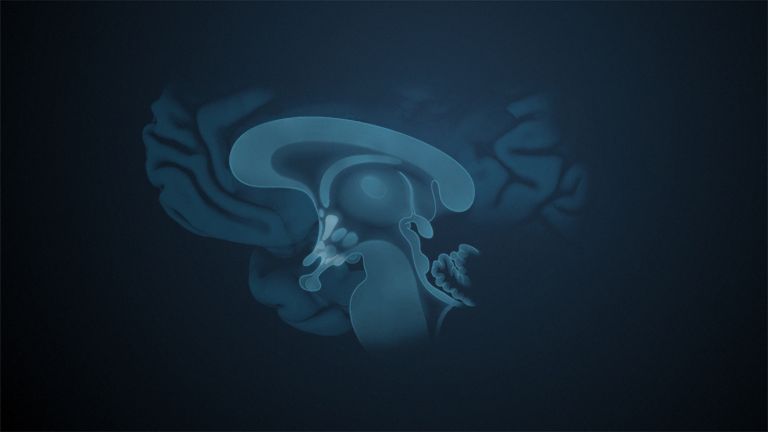
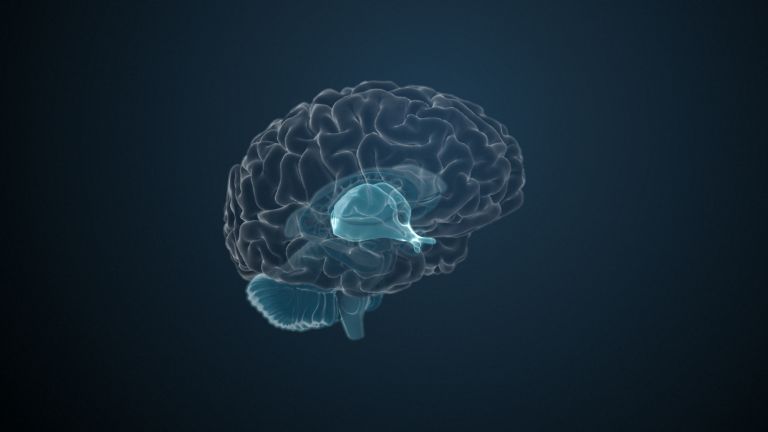
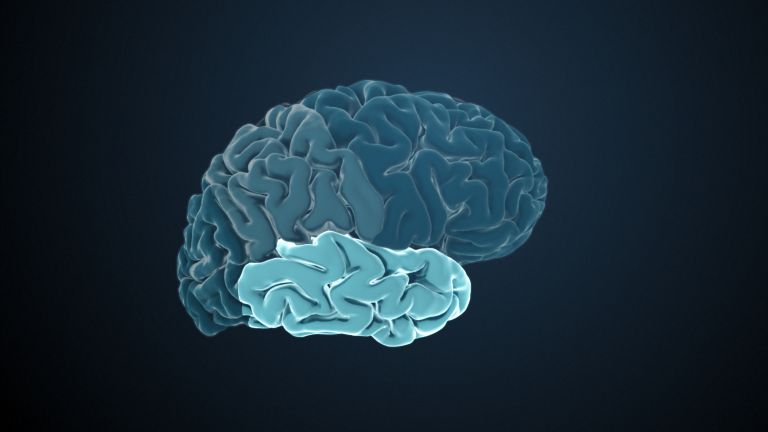
Anatomically speaking, the mammillary bodies belong to the diencephalon, and specifically to the hypothalamus, whose posterior section they form. Functionally, they are part of the limbic system, which comprises numerous structures of the Diencephalon and telencephalon.
posterior
A positional term – posterior means "towards the back, located at the rear." In relation to the nervous system, it refers to a direction towards the tail.
Diencephalon
The diencephalon (midbrain) includes the thalamus and hypothalamus, among other structures. Together with the cerebrum, it forms the forebrain. The diencephalon contains centers for sensory perception, emotion, and the control of vital functions such as hunger and thirst.
Connections and functions
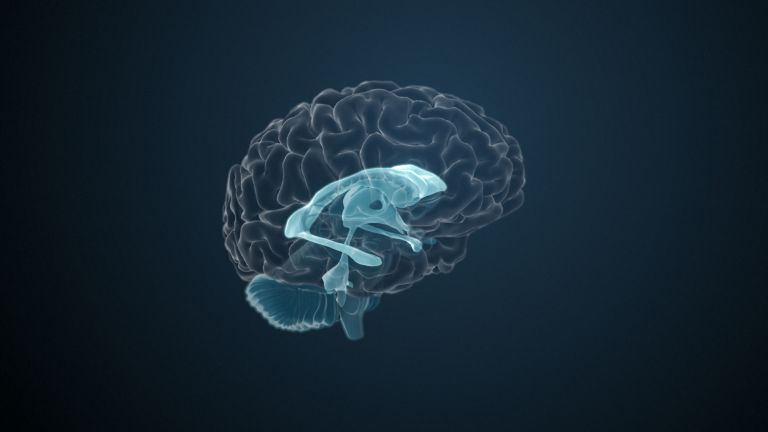
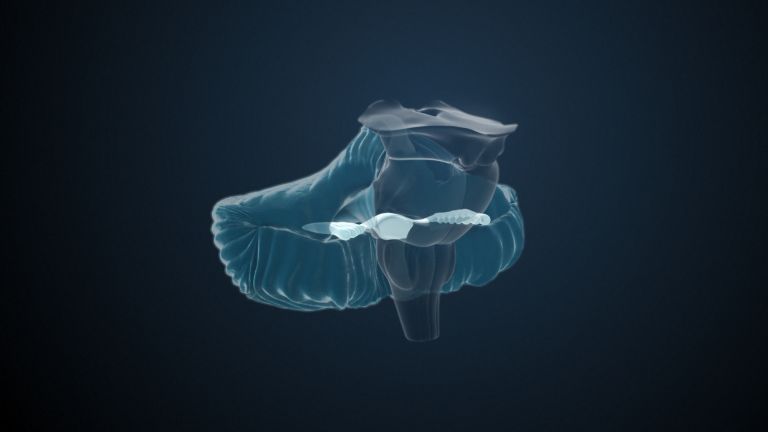
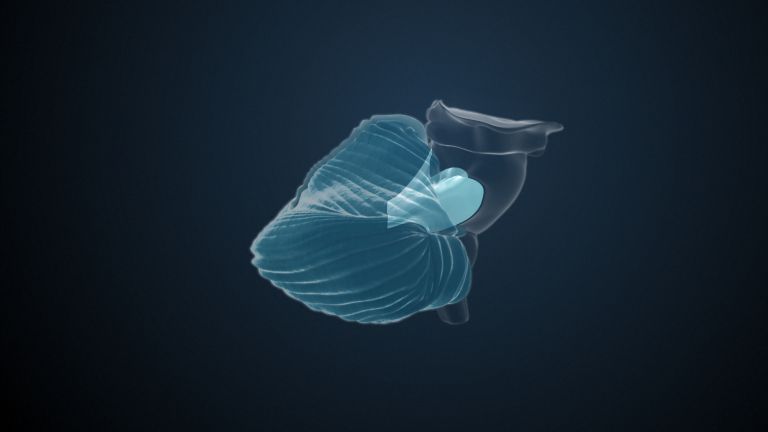
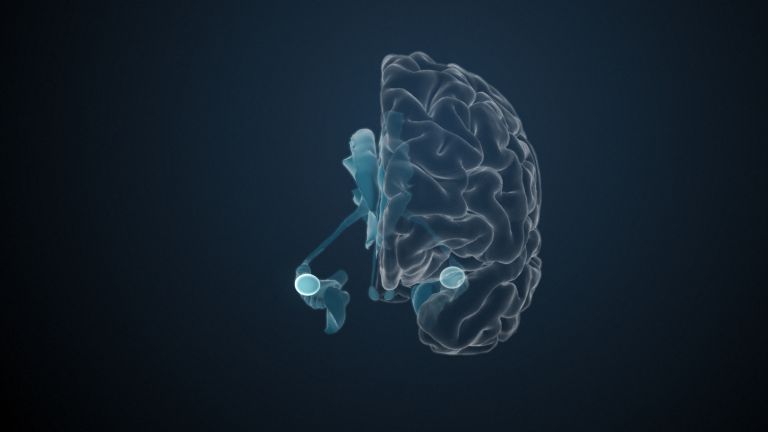
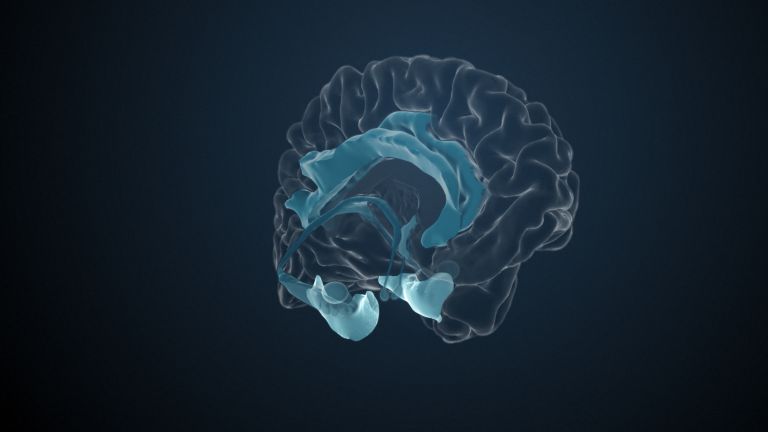
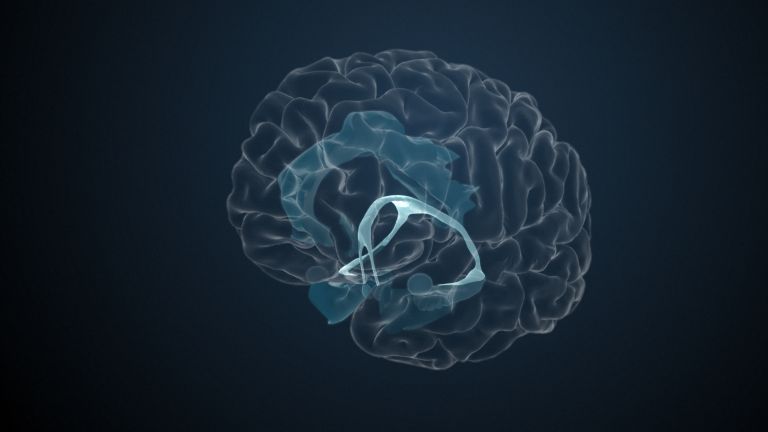
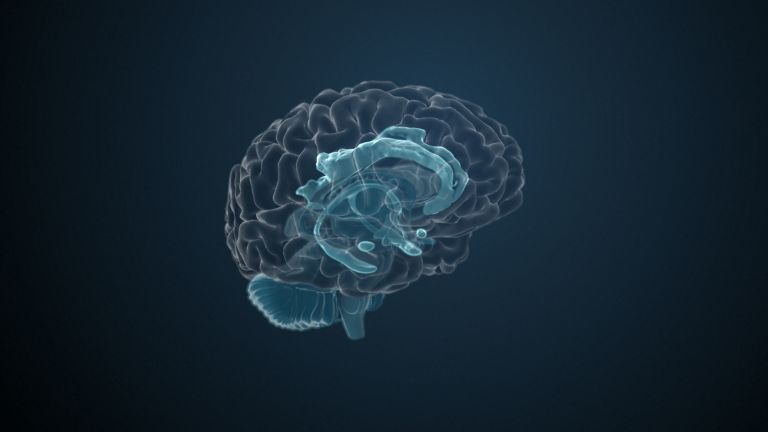
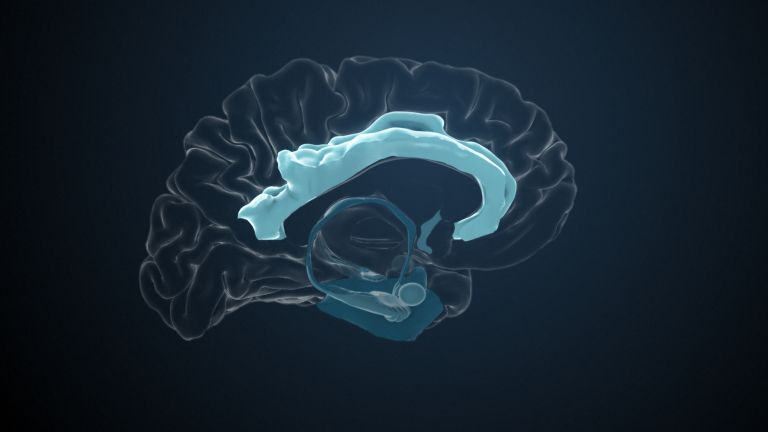
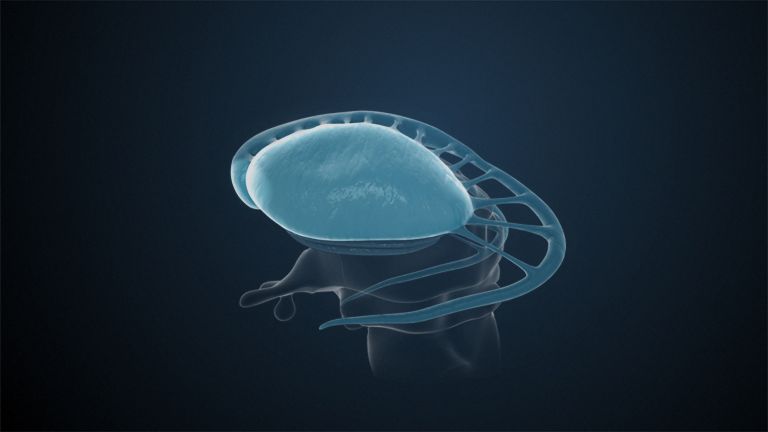
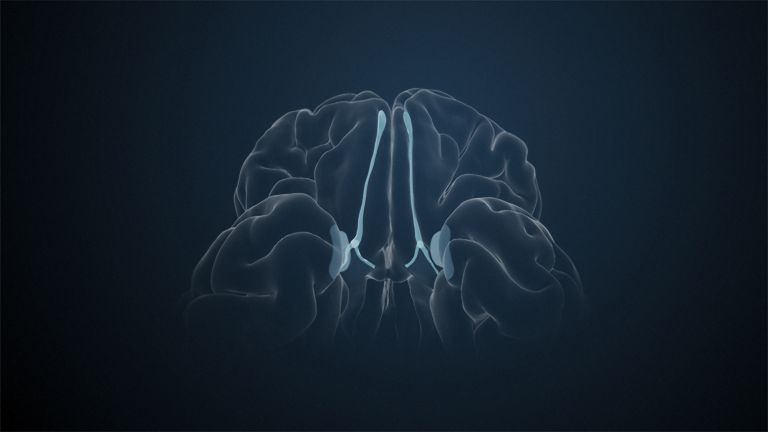
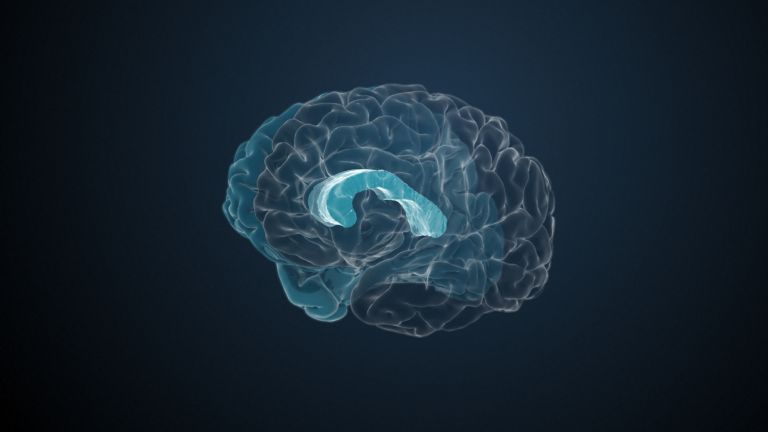
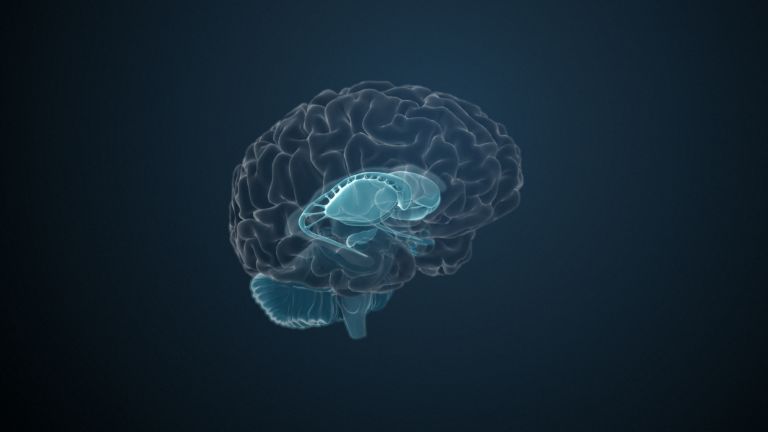
Based on the relatively little we know about them, the mammillary bodies are little more than switching stations in which almost no information processing takes place. Most of the axons that terminate in the mammillary bodies originate in the hippocampus, or more precisely, in its subiculum, via the Fornix. The neurons of the Mamillary bodies send their axons to the anterior thalamic nuclei, which in turn send theirs to the Cingulate gyrus of the cortex, which then sends its axons to the entorhinal Cortex and the hippocampal formation. This results in a loop known as the Papez circuit of the Limbic system This neural circuit plays a key role in the storage of new Memory content. In addition, there is a connection between the mammillary bodies and the nuclei of the tegmentum, i.e., the midbrain, the function of which is not yet fully understood.
As mentioned above, the function of the Papez circuit is well known, and if this circuit is interrupted, massive memory disorders occur – content is only retained for a few minutes, the formation of new memories is impossible, and life becomes an eternal present. Unfortunately, damage to the mamillary bodies is not uncommon. As doctors say in their inimitable jargon, they are “selectively vulnerable to ethyl toxic insult.” To put it in terms that everyone can understand (especially those affected): you can drink it away. It is only a minor detail that the culprit is not so much the alcohol itself as the chronic vitamin B1 deficiency often found in alcoholics. This affects the nerve cells of the mamillary bodies.
Their destruction can have other effects: so-called confabulations – confused, fabricated stories with which those affected try to cover up their memory gaps from themselves and the world. However, those affected are not aware that these are confabulations – they would swear at any time that their own statements are correct.
Fornix
The fornix is a nerve pathway consisting of approximately 12 million fibers that connects the hippocampus (one of the oldest structures in the brain in evolutionary terms) and subiculum with the septum and mammillary bodies.
Mamillary bodies
corpus mamillare
Two structures of the posterior thalamus (largest part of the diencephalon). Due to their similarity to the female breast, they are also called mammillary bodies. They are located at the front end of the fornix and are attributed to the limbic system.
Cingulate gyrus
gyrus cinguli
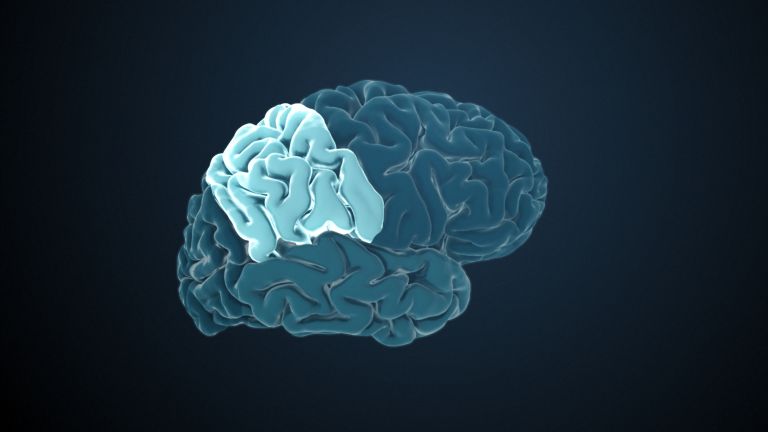
The cingulate gyrus is an important part of the limbic system in the cerebrum. This strip of cortex runs medially in the cerebrum, directly above the corpus callosum. Among other things, it is involved in emotions and memory. Through its connections to limbic and autonomic centers, it can also influence autonomic responses (e.g., heart rate, blood pressure). The anterior (front) region in particular is also associated with attention, motivation, error monitoring, and emotion regulation.
Cortex
cortex cerebri
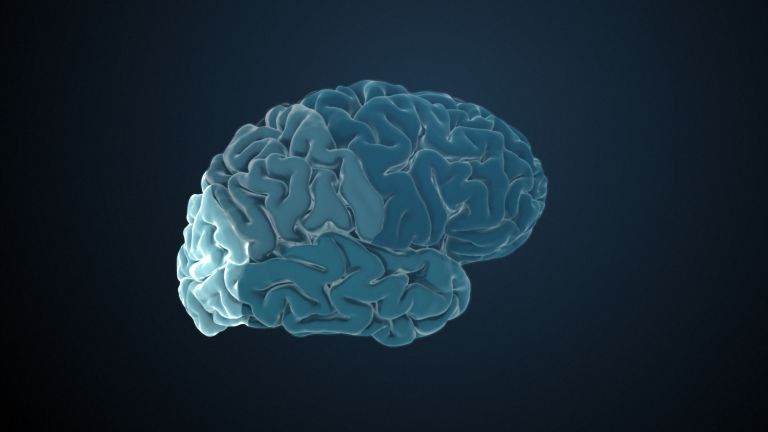
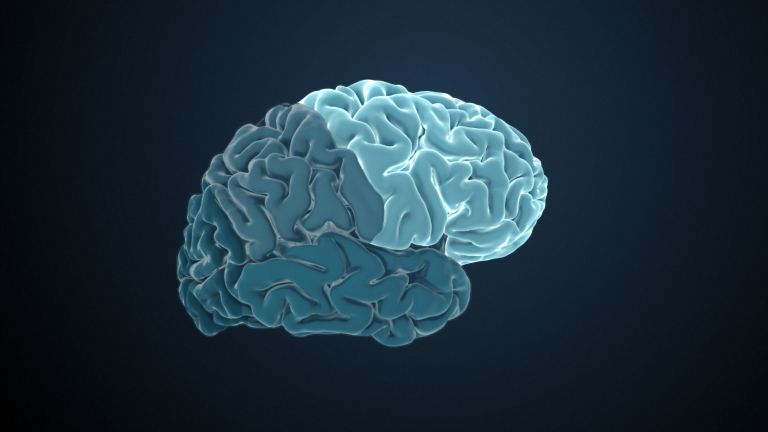
Cortex refers to a collection of neurons, typically in the form of a thin surface. However, it usually refers to the cerebral cortex, the outermost layer of the cerebrum. It is 2.5 mm to 5 mm thick and rich in nerve cells. The cerebral cortex is heavily folded, comparable to a handkerchief in a cup. This creates numerous convolutions (gyri), fissures (fissurae), and sulci. Unfolded, the surface area of the cortex is approximately 1,800cm².
Limbic system
The limbic system is a functional unit in the brain. It consists of interconnected structures, primarily in the cerebrum and diencephalon. The structures assigned to the system vary depending on the source, but the most important components are the hippocampus, amygdala, cingulate gyrus, septum, and mammillary bodies. The limbic system is involved in autonomic and visceral processes as well as in mechanisms of emotion, memory, and learning. Some authors mistakenly reduce the limbic system to the emotional world by referring to it as the "emotional brain."
Memory
Memory is a generic term for all types of information storage in the organism. In addition to pure retention, this also includes the absorption of information, its organization, and retrieval.
Footnote: Curious naming
If you leaf through the various classics of anatomy – Prometheus, Terminologia anatomica/International Anatomical Terminology from the Federative Committee on Anatomical Terminology (FACT) – you will find different spellings – sometimes mamillaria with one “m” and sometimes mammillaria. This second “m” determines whether the original name refers to “breast” or “nipple” (mamille). Our author originally adhered to the FACT, but after various discussions, we decided to remove one “m.” Google does the same, and ultimately, we want this text to be found.
However, the question of breast or nipple remains open. Take a look at some pictures on the internet – and decide for yourself.
First published on August 23, 2011
Updated on November 28, 2025