The Vermis
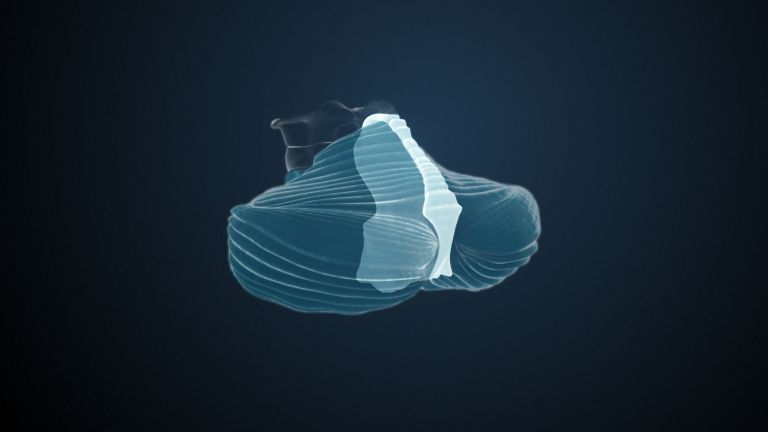
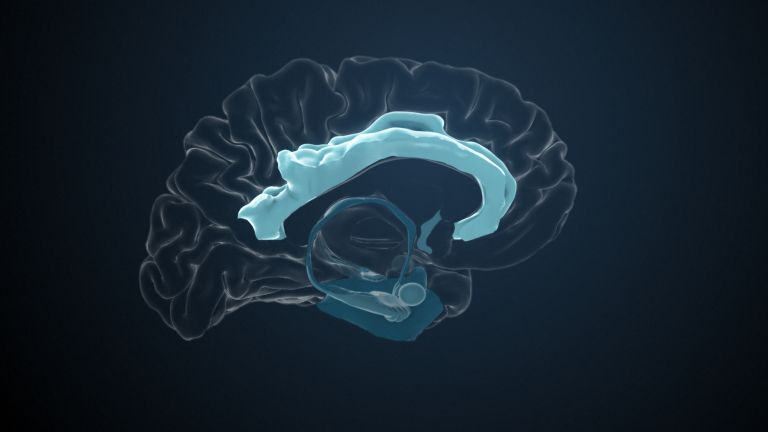
The vermis, or cerebellar vermis, actually looks like what he is named after: vermis is Latin for “worm”. But this special worm has a tongue, an uvula, and a summit, and it helps us stay steady when we're standing and walking. It keeps us from stumbling around like we're drunk.
Scientific support: Dr. Björn Spittau
Published: 01.10.2025
Difficulty: intermediate
The Vermis is the worm-like central section of the Cerebellum. It controls our balance and keeps us from stumbling when we walk.
Vermis
Cerebellar vermis
The vermis is an unpaired structure of the cerebellum located on the midline. It primarily receives somatosensory inputs.
Cerebellum
Cerebellum
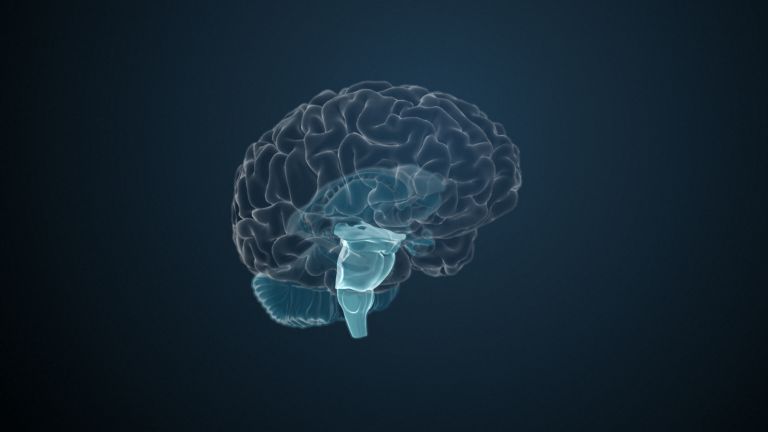
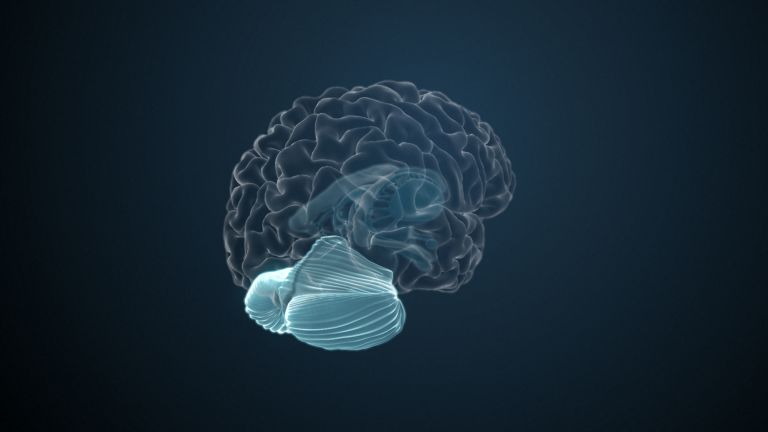
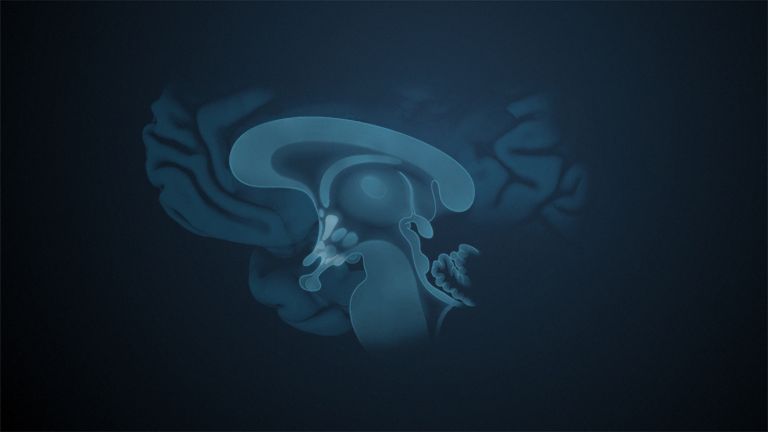
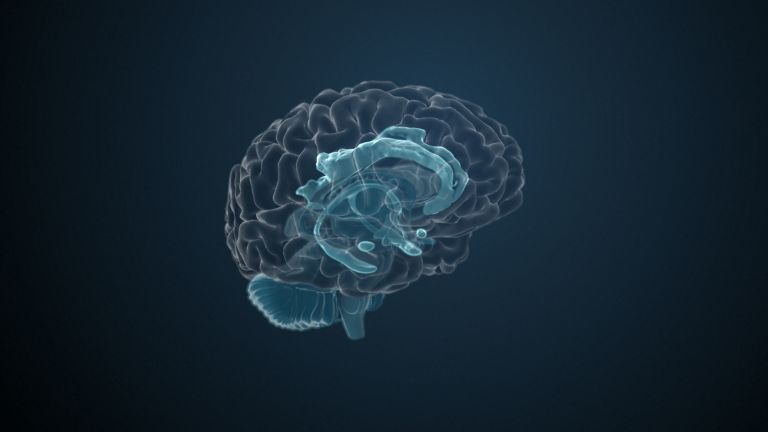
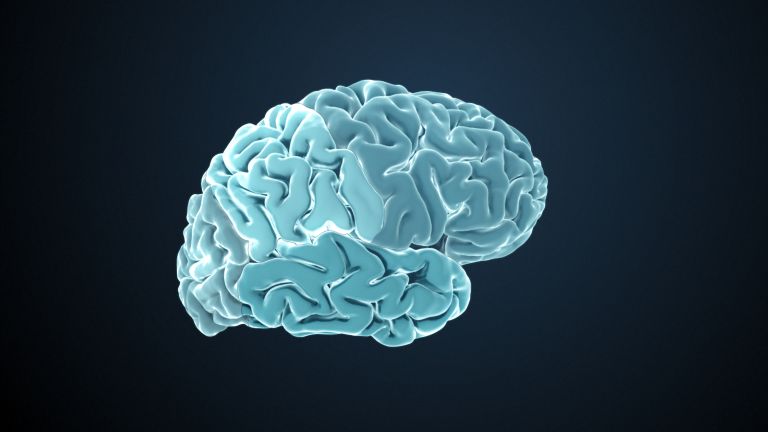
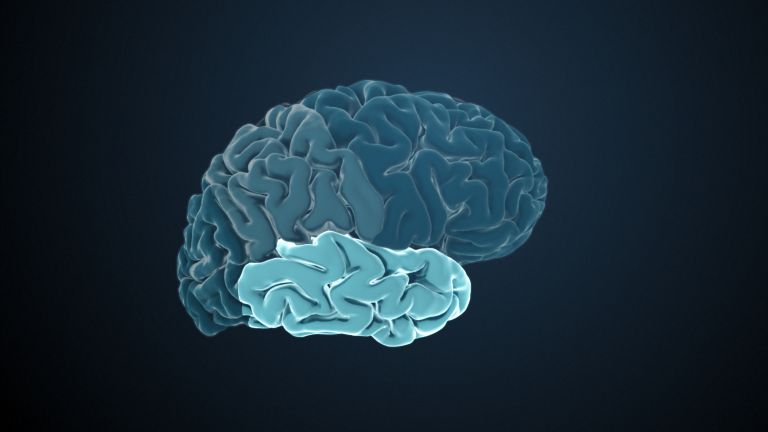
The cerebellum is an important part of the brain, located at the back of the brain stem and below the occipital lobe. It consists of two cerebellar hemispheres covered by the cerebellar cortex and plays an important role in motor processes, among other things. It develops from the rhombencephalon.
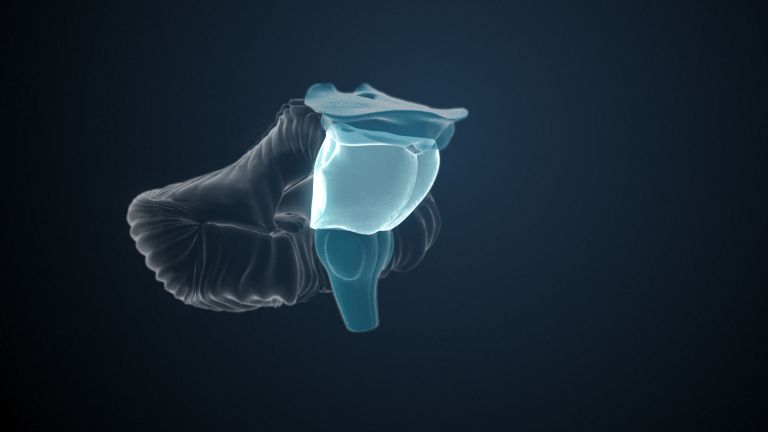
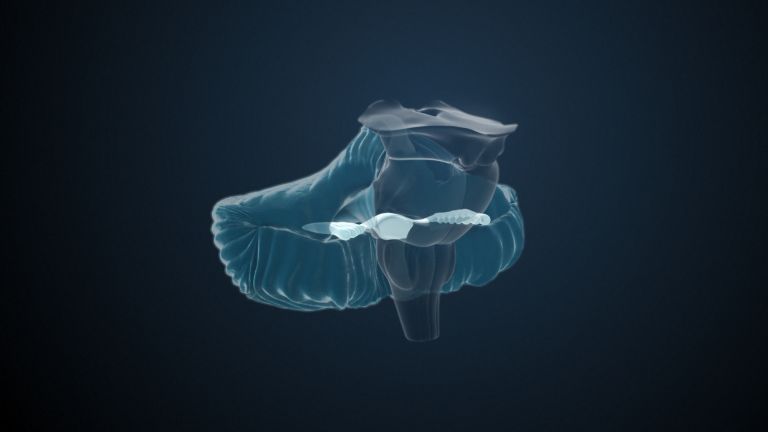
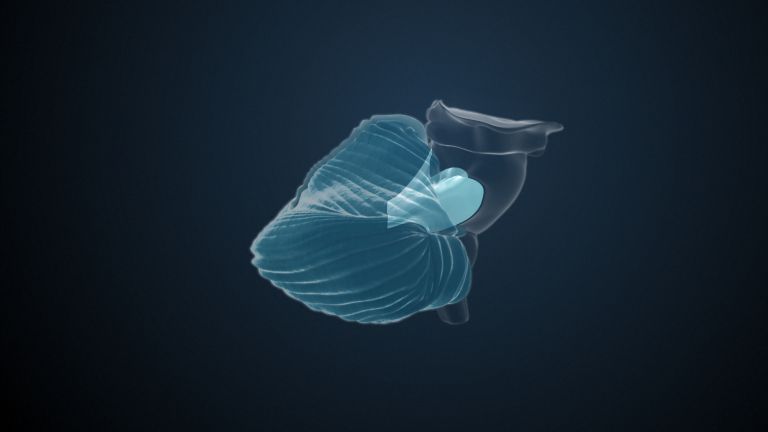
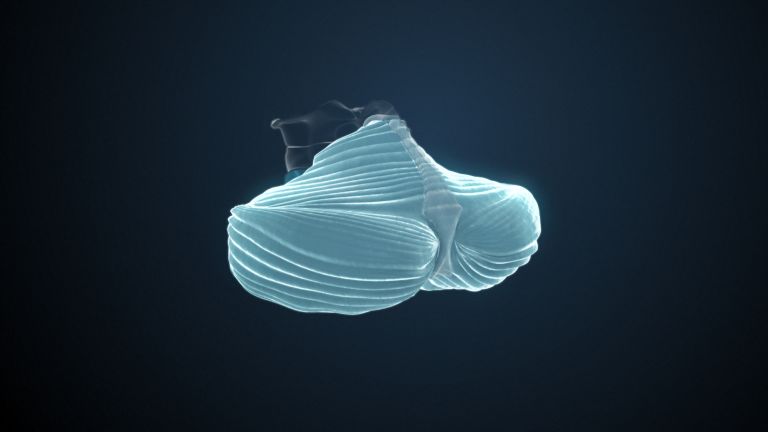
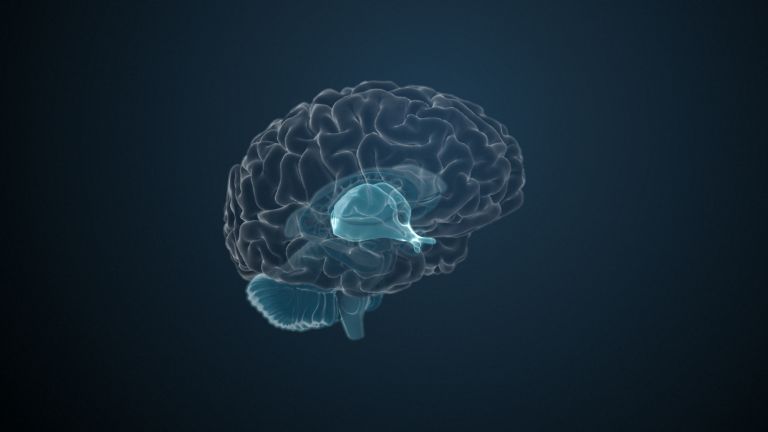
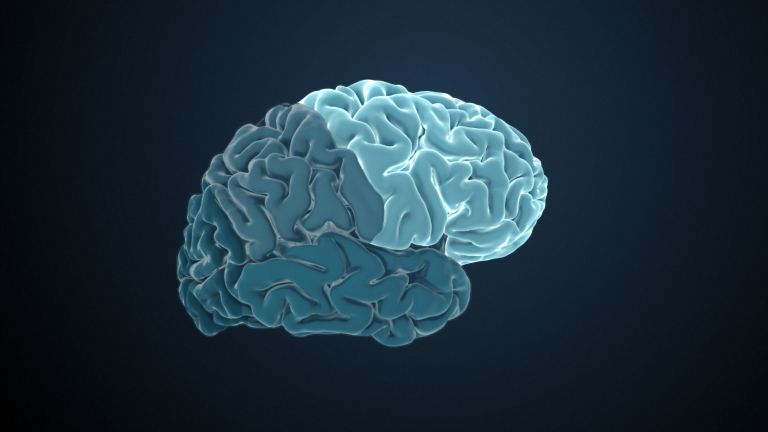
The worm in the brain – it's not a pleasant association that comes to mind with this cerebellar structure. But the Vermis does indeed resemble a worm wriggling between the hemispheres of the Cerebellum. This is also due to the transverse grooves in the cerebellar cortex, which divide it into dozens of segments. However, the vermis has nothing to do with the typical crawling of a worm: it primarily coordinates the motor skills involved in walking and standing.
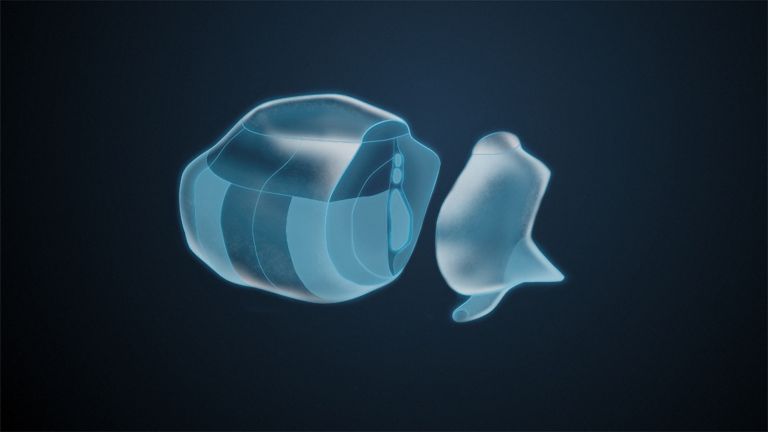
If the hemispheres were described as bulging butterfly wings, the worm would correspond to the insect's body in between. It wraps around the hemispheres and is only interrupted at the front, towards the brain stem, by the Cerebellar peduncles and the fourth ventricle. Ancient anatomists gave some sections along the vermis very vivid, sometimes poetic names. The vermis has a summit (culmen), a slope (declive), a pyramid (pyramis) and – even more unusual for a worm – a tongue (lingula), a tubercle (tuber), an uvula and a nodule (nodulus). To help medical students remember the sequence of these sections, someone created this sentence: “Like Cats Catching Dogs For The Party Up North.” You guessed it: the first letters of the words represent the first letters of the individual sections of the worm. But as beautiful as the names are, they have little functional significance.
The largest part of the vermis, together with the directly adjacent hemispheric areas –the so-called paravermal zone – forms the paleocerebellum, the old cerebellum. Since its inputs originate mainly from the spinal cord, it is also called the Spinocerebellum. The nodulus, the lowest segment of the vermis, is considered part of the flocculonodular lobe, while the declive is considered part of the neocerebellum.
Vermis
Cerebellar vermis
The vermis is an unpaired structure of the cerebellum located on the midline. It primarily receives somatosensory inputs.
Cerebellum
Cerebellum
The cerebellum is an important part of the brain, located at the back of the brain stem and below the occipital lobe. It consists of two cerebellar hemispheres covered by the cerebellar cortex and plays an important role in motor processes, among other things. It develops from the rhombencephalon.
Cerebellar peduncles
pedunculi cerebelli
Three fiber connections on the right and left sides that connect the cerebellum to the brain stem. All afferent and efferent fibers of the cerebellum run through these connections.
Spinocerebellum
The area of the cerebellum that includes the cerebellar vermis and its adjacent areas. Involved in muscle tone and walking movements.
The functions of the cerebellar vermis
While the nodulus, as part of the flocculonodular lobe, primarily serves to regulate balance and the declive, together with the cerebellar hemispheres, is involved in voluntary movements – such as scratching your head – the Spinocerebellum processes proprioceptive signals, i.e., those relating to muscle tone and body position. In this way, it is always informed about the position of the body in space and ensures the smooth functioning of walking and standing through its descending signals. What sounds quite simple has complex components: the interaction of antagonistic muscle groups, for example, or those that counteract gravity. The control of inertia or centrifugal forces is also part of this. If the Vermis is damaged, however, this typically results in a swaying, staggering gait, as seen in a drunk person.
Spinocerebellum
The area of the cerebellum that includes the cerebellar vermis and its adjacent areas. Involved in muscle tone and walking movements.
Vermis
Cerebellar vermis
The vermis is an unpaired structure of the cerebellum located on the midline. It primarily receives somatosensory inputs.
The core inside
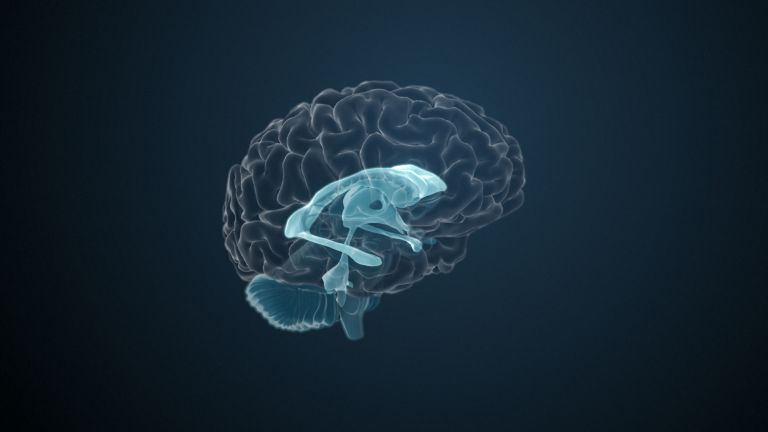
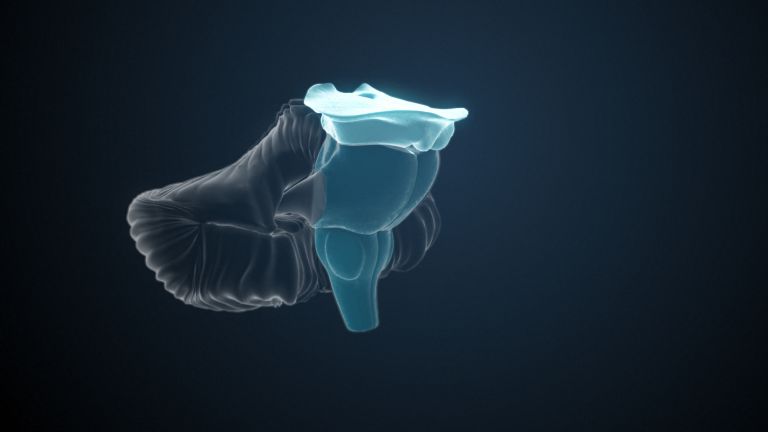
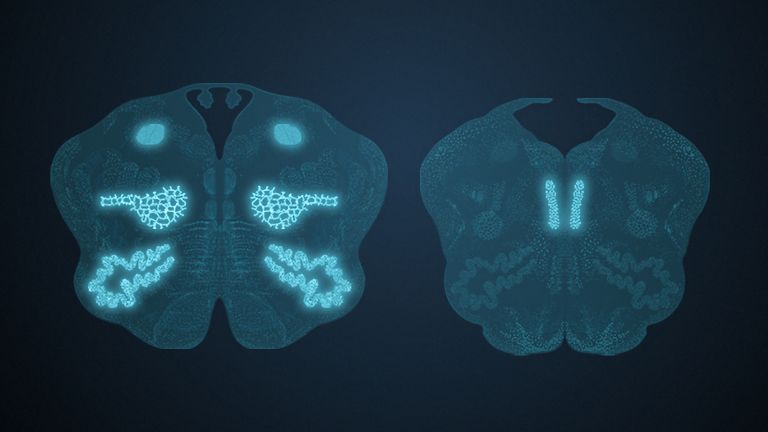
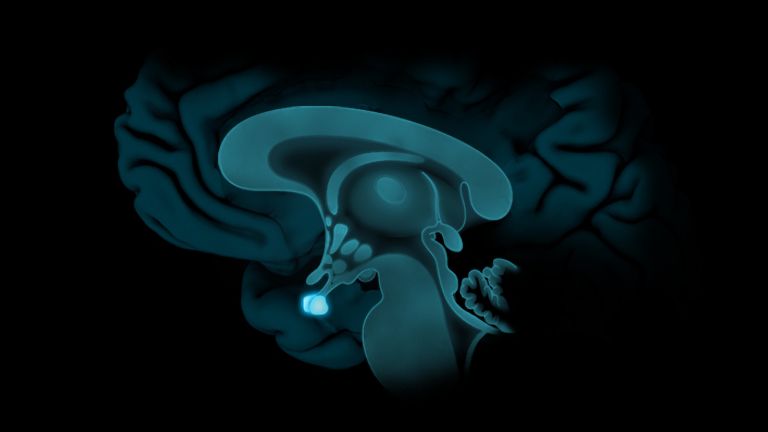
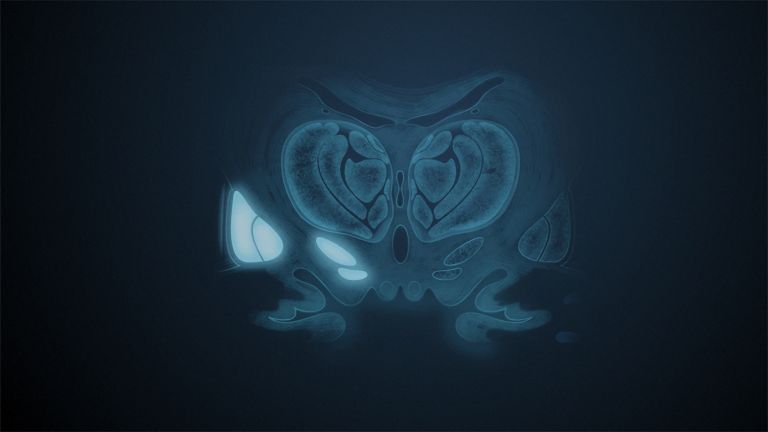
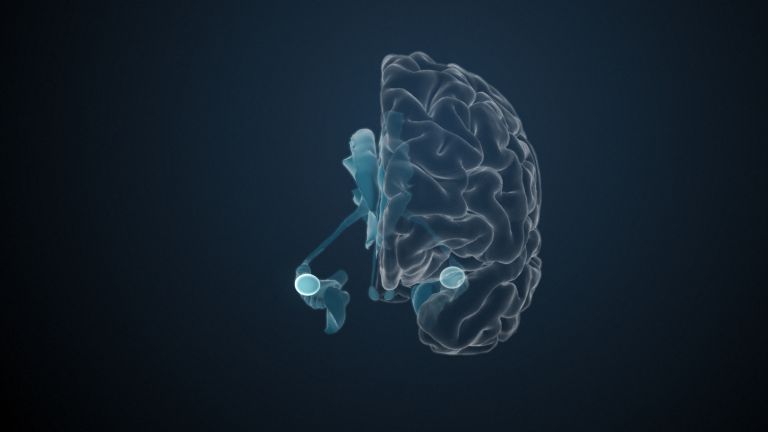
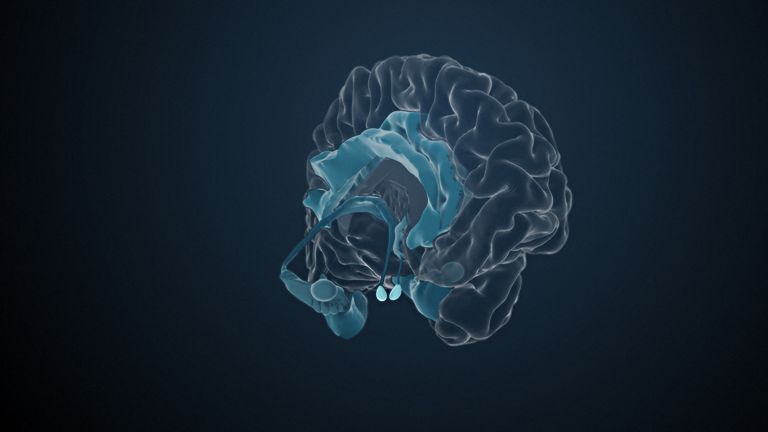
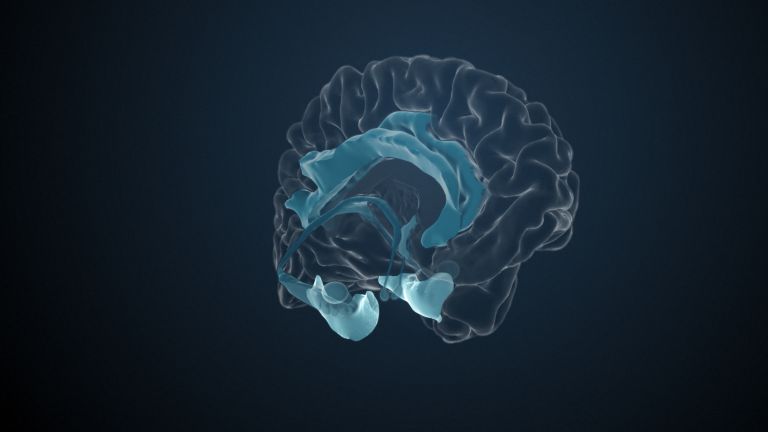
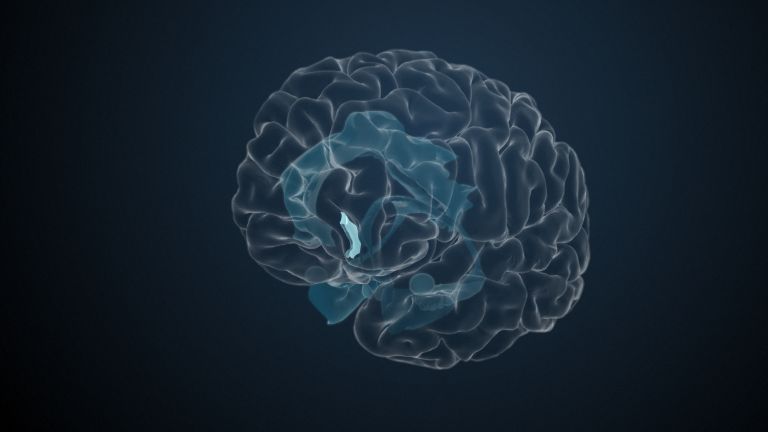
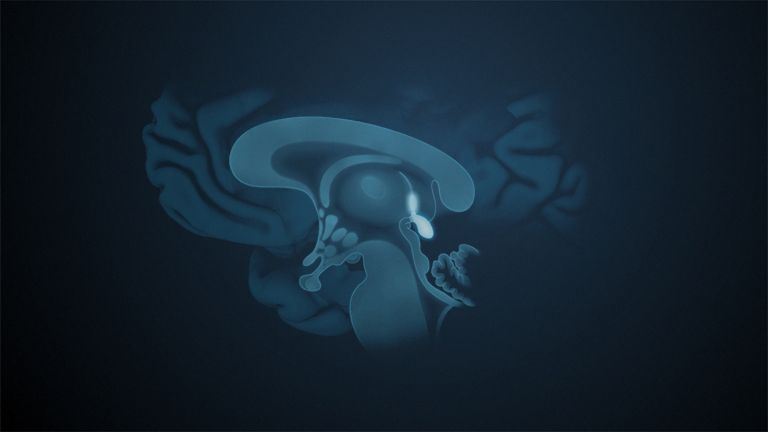
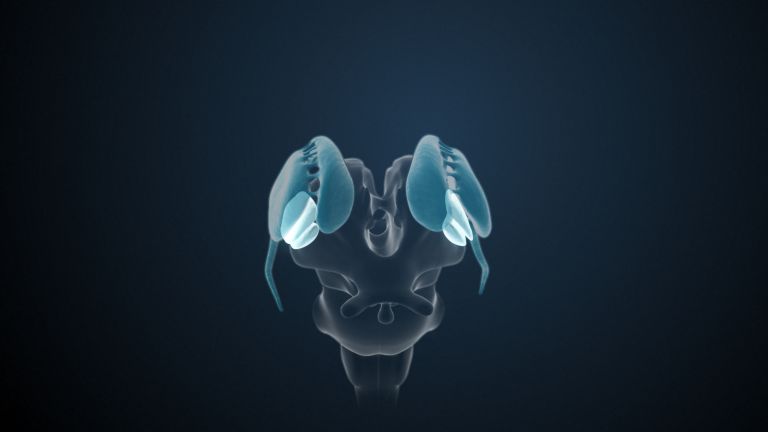
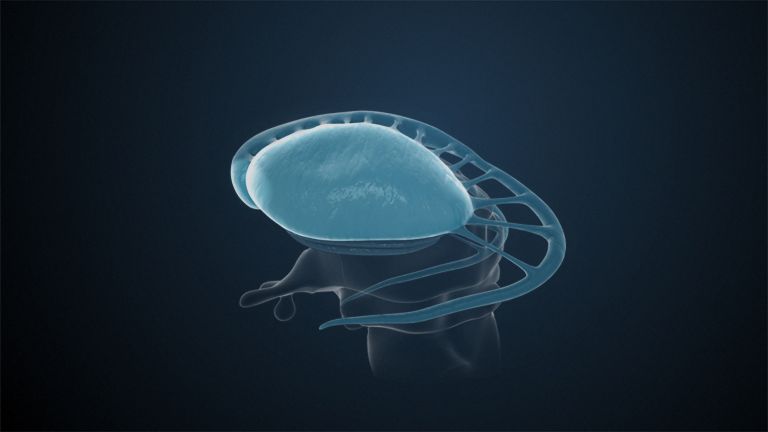
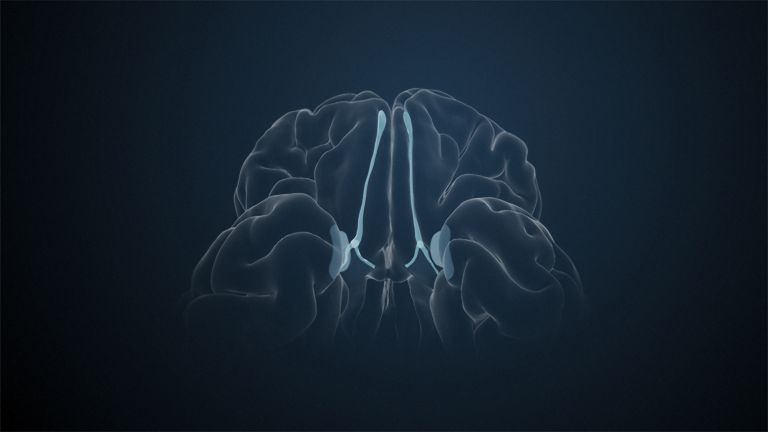
Hidden in the medulla of the Vermis is a paired nucleus, the Nucleus fastigii – in English, the roof ridge or gable nucleus. It is one of four Cerebellar nuclei and the only one that is attributed to the vermis. The name comes from its location in the roof of the fourth ventricle. After switching in the nucleus fastigii, fibers from the vermis leave the Cerebellum and travel to the vestibular nuclei and the reticular formation.
Vermis
Cerebellar vermis
The vermis is an unpaired structure of the cerebellum located on the midline. It primarily receives somatosensory inputs.
Nucleus
In cell biology, the nucleus in a cell is the cell nucleus, which contains the chromosomes, among other things. In neuroanatomy, the nucleus in the nervous system refers to a collection of cell bodies – known as gray matter in the central nervous system and ganglia in the peripheral nervous system.
Cerebellar nuclei
A group of four paired nuclei located in the white matter of the cerebellum: the dentate nucleus, emboliform nucleus, globose nucleus, and fastigial nucleus. Functionally, the cerebellar nuclei are associated with motor tasks.
Cerebellum
Cerebellum
The cerebellum is an important part of the brain, located at the back of the brain stem and below the occipital lobe. It consists of two cerebellar hemispheres covered by the cerebellar cortex and plays an important role in motor processes, among other things. It develops from the rhombencephalon.
First published on August 28, 2011
Last updated on October 1, 2025