The Hypothalamus
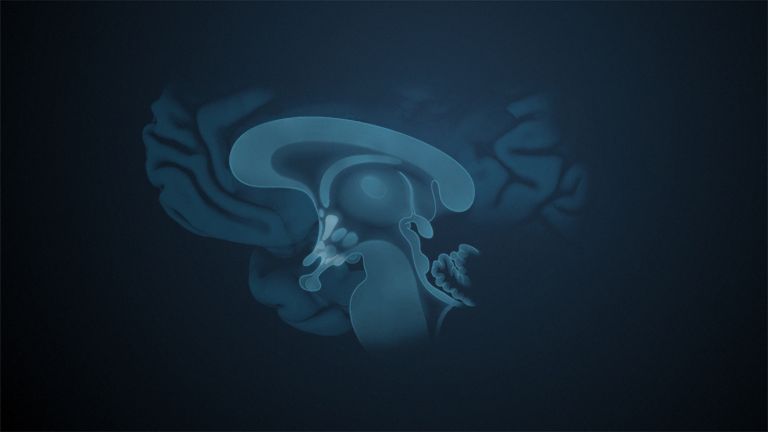
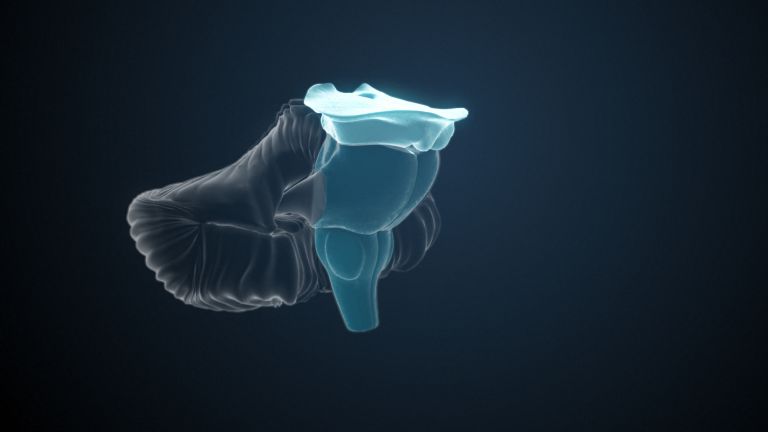
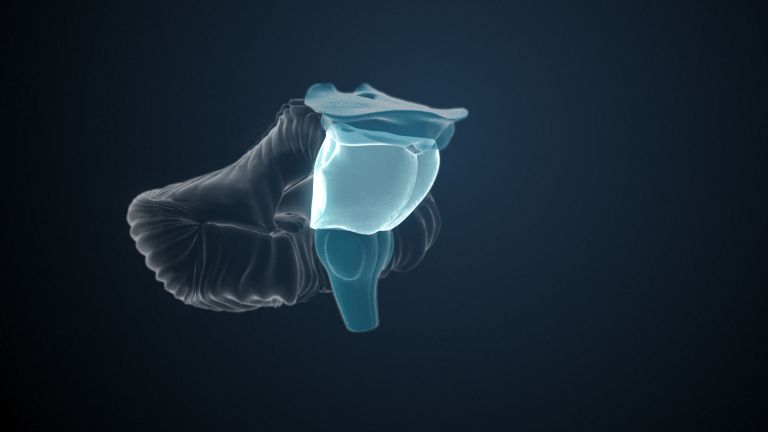
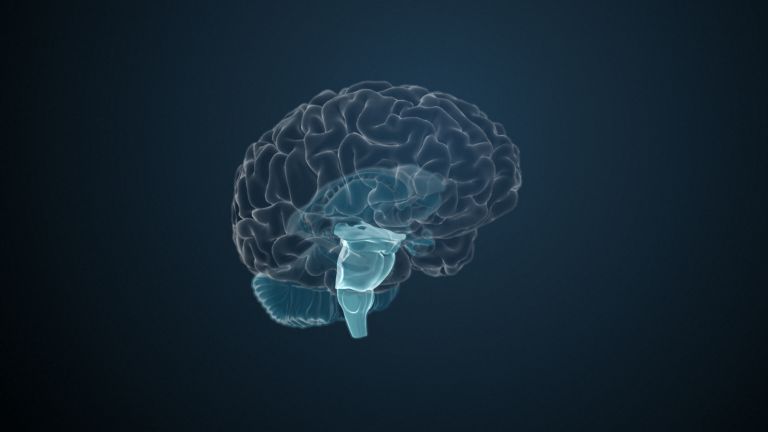
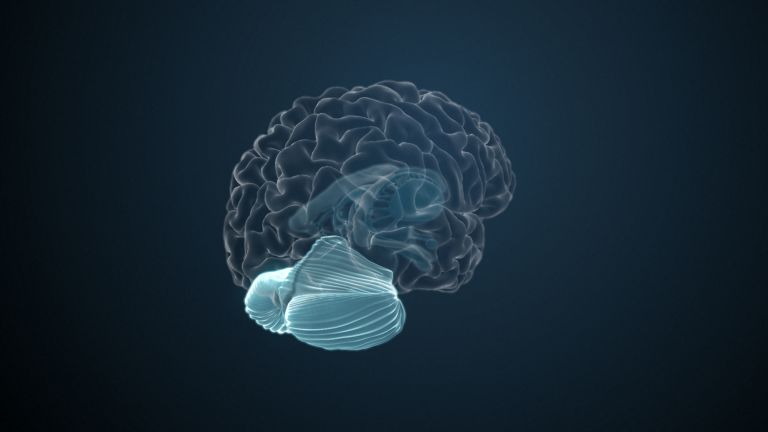
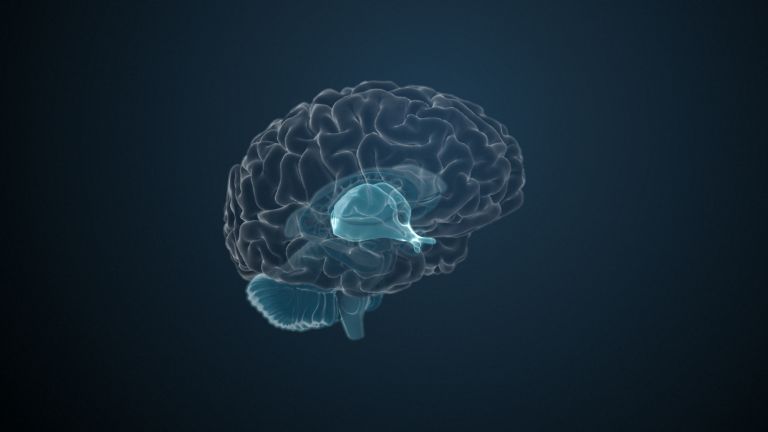
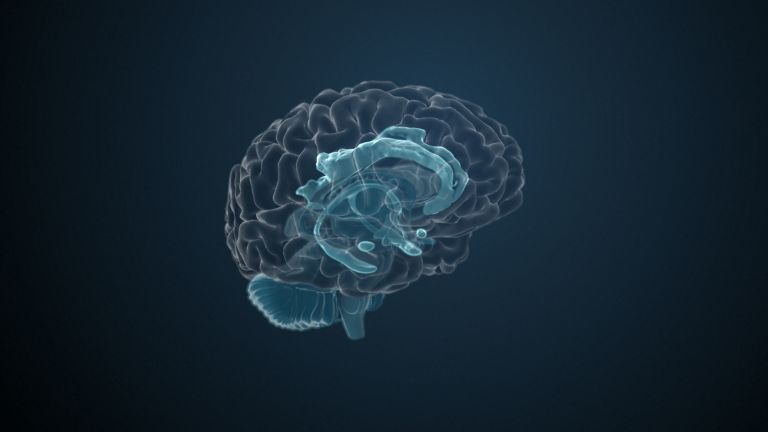
The hypothalamus, located in the basement of the diencephalon, is the control center for the “internal environment” and regulates reproduction, nutrition, body temperature, and the day-night rhythm. It is a higher center of the autonomic nervous system and keeps the body's functions in balance.
Scientific support: Prof. Dr. Horst-Werner Korf
Published: 01.07.2025
Difficulty: intermediate
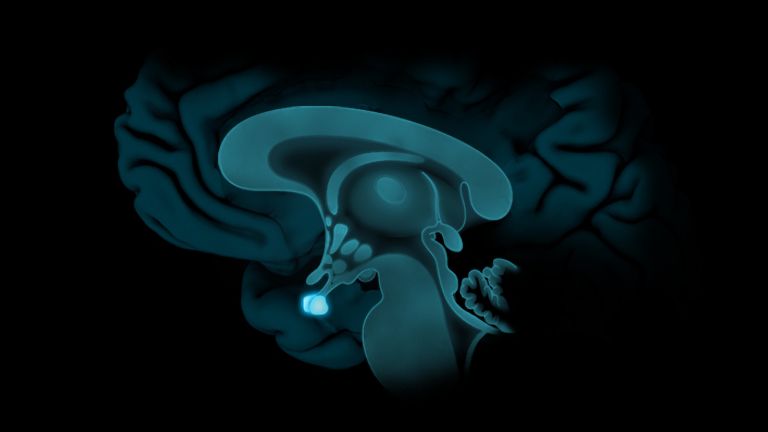
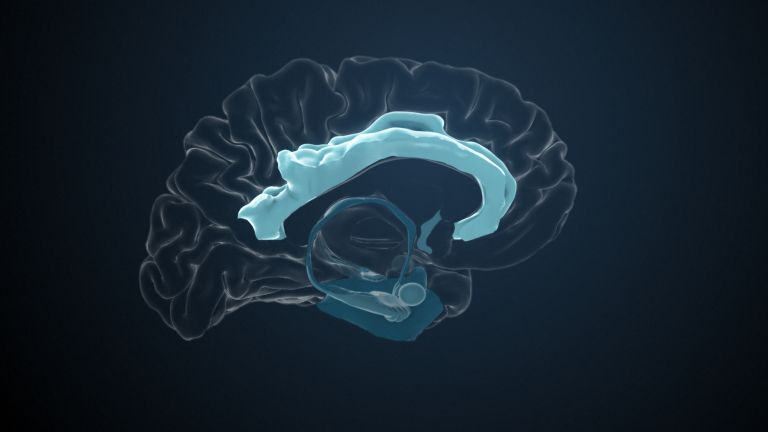
The Hypothalamus is the basement of the Diencephalon. Its anterior, low-myelination part is the interface between the nervous system and the endocrine system. At the same time, it is the higher-level neural control center of the Autonomic nervous system Its rear part, which is rich in gray matter, belongs to the limbic system.
Hypothalamus
The hypothalamus is considered the center of the autonomic nervous system, meaning it controls many motivational states and regulates vegetative aspects such as hunger, thirst, and sexual behavior. As an endocrine gland (which, unlike an exocrine gland, releases its hormones directly into the blood without a duct), it produces numerous hormones, some of which inhibit or stimulate the pituitary gland to release hormones into the blood.In this function, it also plays an important role in the response to pain and is involved in pain modulation.
Diencephalon
The diencephalon (midbrain) includes the thalamus and hypothalamus, among other structures. Together with the cerebrum, it forms the forebrain. The diencephalon contains centers for sensory perception, emotion, and the control of vital functions such as hunger and thirst.
Autonomic nervous system
The part of the nervous system that primarily controls unconscious vital functions such as breathing, heartbeat, and blood pressure. The autonomic nervous system is divided into the sympathetic nervous system, which is active in performance and stress situations, and the parasympathetic nervous system, which is active during rest and recovery phases. In some cases, the enteric nervous system, which is responsible for gastrointestinal functions, is also considered part of the autonomic nervous system.
The lowest level, the basement of the diencephalon, is called the Hypothalamus – literally “subspace,” i.e., the basement. As we all know, a lot of things accumulate in a basement over time. Similarly, the hypothalamus contains a whole smorgasbord of structures and functions. Put simply, the anterior and middle hypothalamus control vegetative functions and serve to preserve the species and the individual. The posterior hypothalamus is part of the limbic system.
Hypothalamus
The hypothalamus is considered the center of the autonomic nervous system, meaning it controls many motivational states and regulates vegetative aspects such as hunger, thirst, and sexual behavior. As an endocrine gland (which, unlike an exocrine gland, releases its hormones directly into the blood without a duct), it produces numerous hormones, some of which inhibit or stimulate the pituitary gland to release hormones into the blood.In this function, it also plays an important role in the response to pain and is involved in pain modulation.
posterior
A positional term – posterior means "towards the back, located at the rear." In relation to the nervous system, it refers to a direction towards the tail.
Appearance and components
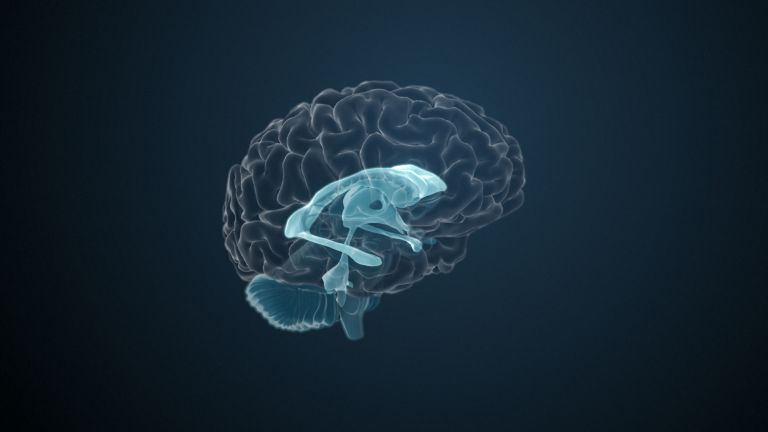
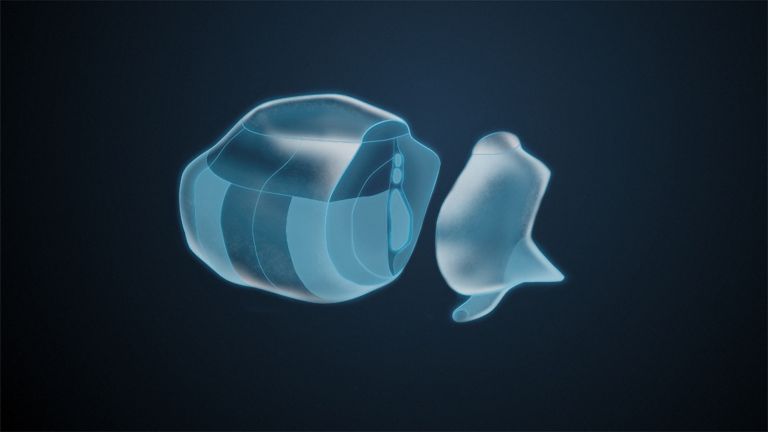
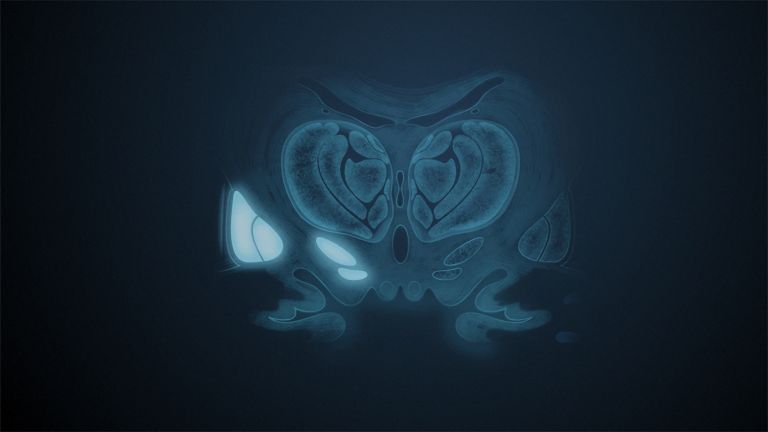
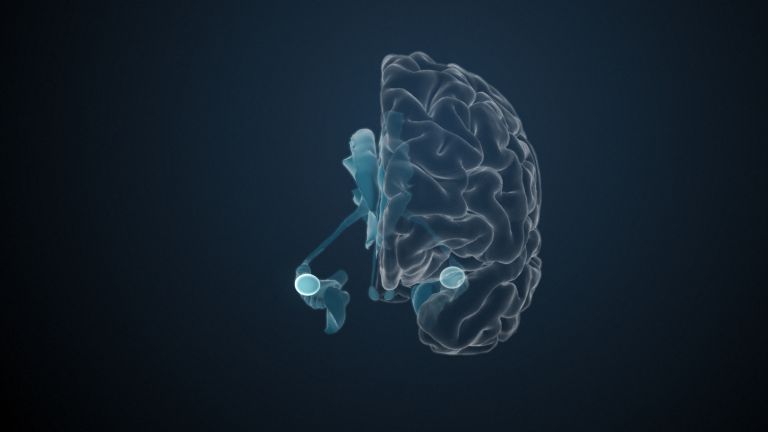
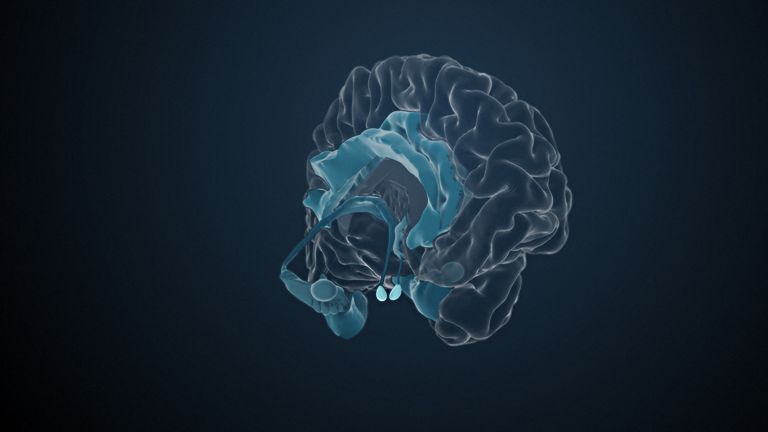
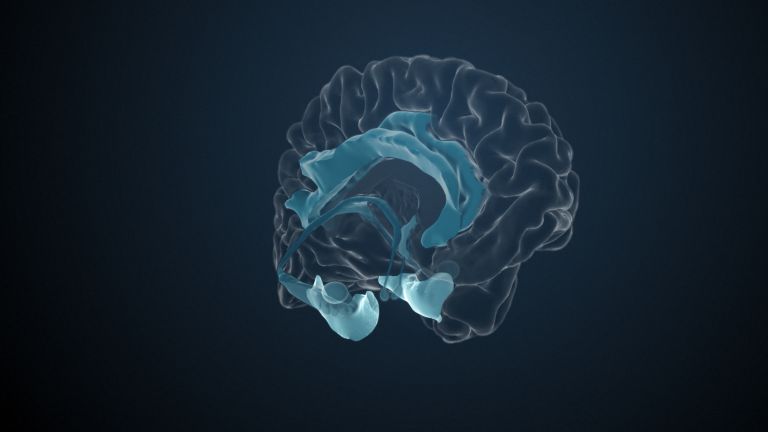
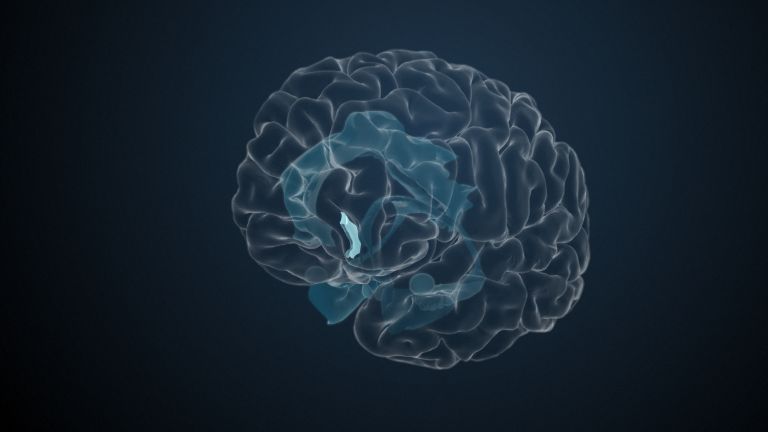
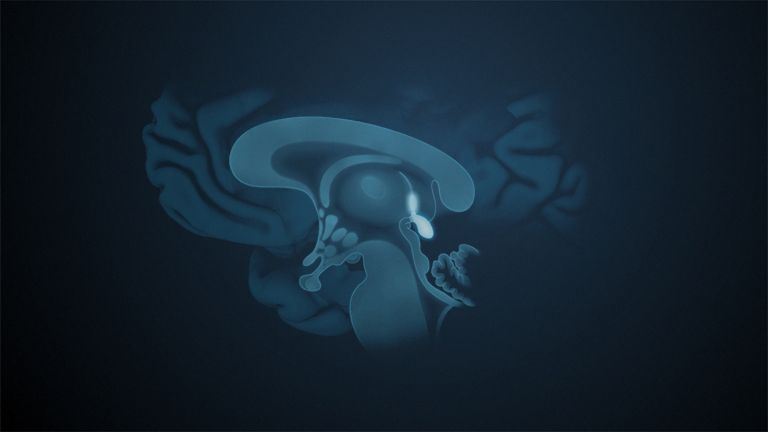
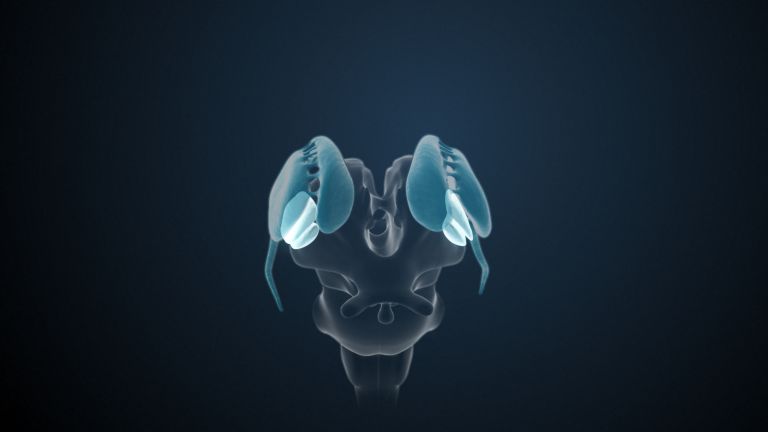
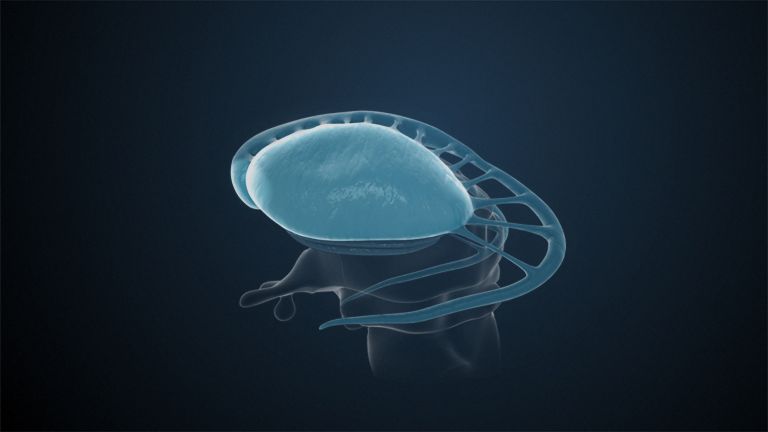
Towards the top, at the vertex, a shallow groove in the wall of the third ventricle (sulcus hypothalamicus) marks the boundary between the Hypothalamus and the Dorsal thalamus Below this groove, in the walls of the diencephalon, lie the hypothalamic core areas. The hypothalamus is divided into anterior, middle, and posterior parts: The anterior part lies between the Optic chiasm (chiasma opticum) and the anterior Commissure (commissura anterior). In the middle part, a funnel, the infundibulum, descends into the floor of the Diencephalon. At the end of its “spout” lies the eminentia mediana, to which the pituitary gland is attached. In the posterior part, at the transition to the midbrain, the mammillary bodies protrude downward from the floor of the hypothalamus on both sides of the midline. They are part of the limbic system.
Hypothalamus
The hypothalamus is considered the center of the autonomic nervous system, meaning it controls many motivational states and regulates vegetative aspects such as hunger, thirst, and sexual behavior. As an endocrine gland (which, unlike an exocrine gland, releases its hormones directly into the blood without a duct), it produces numerous hormones, some of which inhibit or stimulate the pituitary gland to release hormones into the blood.In this function, it also plays an important role in the response to pain and is involved in pain modulation.
dorsal
The positional term dorsal means "towards the back." In relation to the nervous system, it refers to a direction perpendicular to the neural axis, i.e., upwards towards the head or backwards.
In animals that do not walk upright, the term is simpler, as it always means toward the back. Due to the upright posture of humans, the brain bends in relation to the spinal cord, making dorsal mean "upward."
Dorsal thalamus
Thalamus dorsals
The thalamus is the largest structure in the diencephalon and is located above the hypothalamus. The thalamus is considered the "gateway to consciousness" because its nuclei are the transit station for all information to the cortex (cerebral cortex) – except for olfactory information, which first reaches the olfactory areas of the brain directly. At the same time, they also receive massive cortical inputs so it might be better to regard this a thalami-cortical system. The nuclei of the thalamus are grouped together. The term "gateway to consciousness" also refers to attention control, sleep-wake regulation, and consciousness modulation by the intralaminar nuclei.
posterior
A positional term – posterior means "towards the back, located at the rear." In relation to the nervous system, it refers to a direction towards the tail.
Optic chiasm
The optic chiasm is a cross-shaped junction between the optic nerves, where 50% of the optic nerve fibers change sides.
Commissure
A commissure is a fiber connection between two anatomical areas, primarily from one hemisphere to the other. The largest commissure in the human brain is the corpus callosum.
Diencephalon
The diencephalon (midbrain) includes the thalamus and hypothalamus, among other structures. Together with the cerebrum, it forms the forebrain. The diencephalon contains centers for sensory perception, emotion, and the control of vital functions such as hunger and thirst.
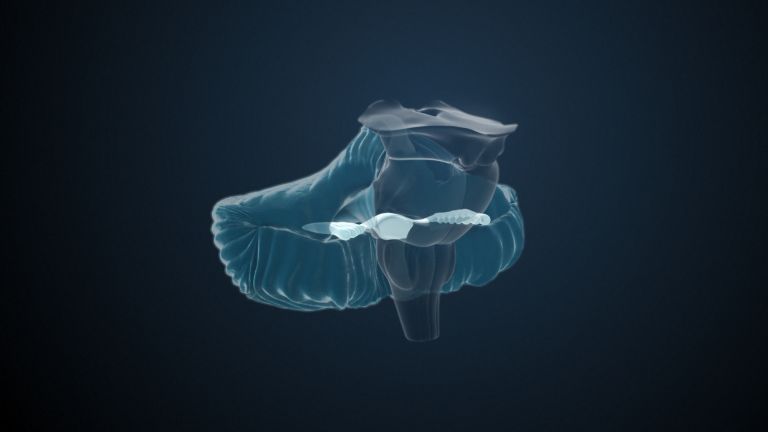
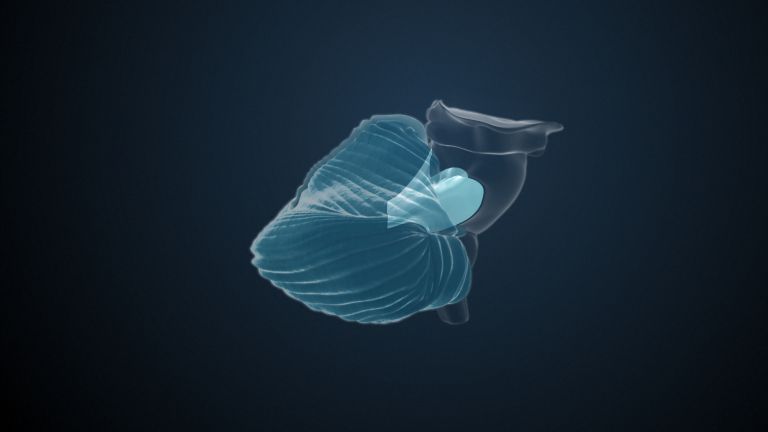
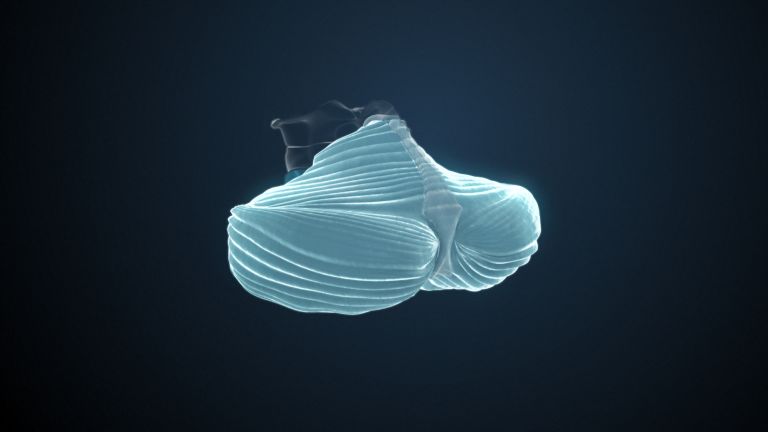
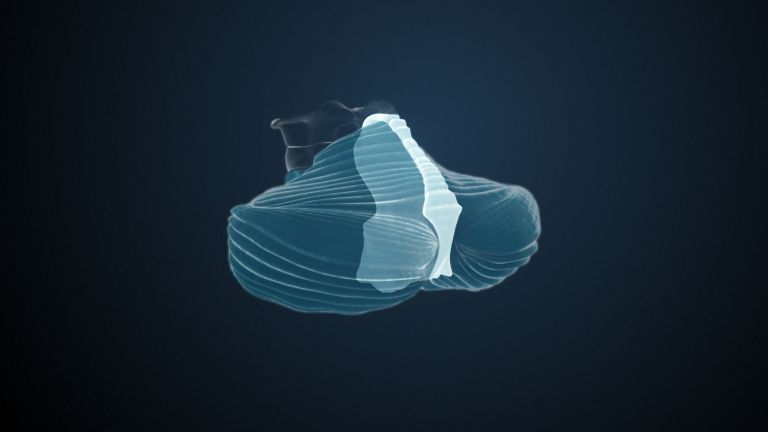
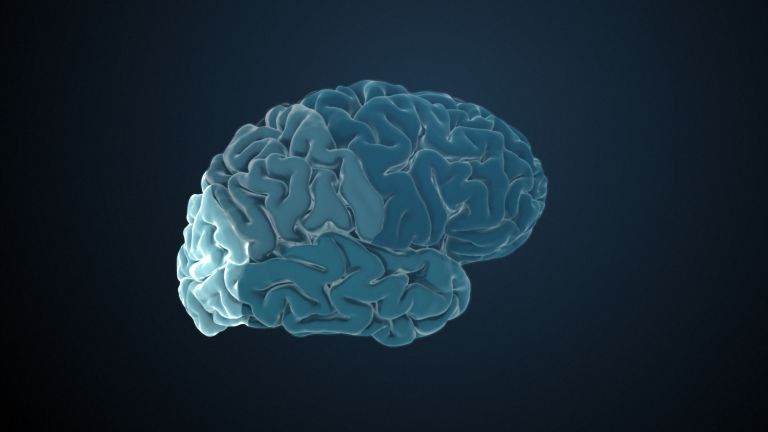
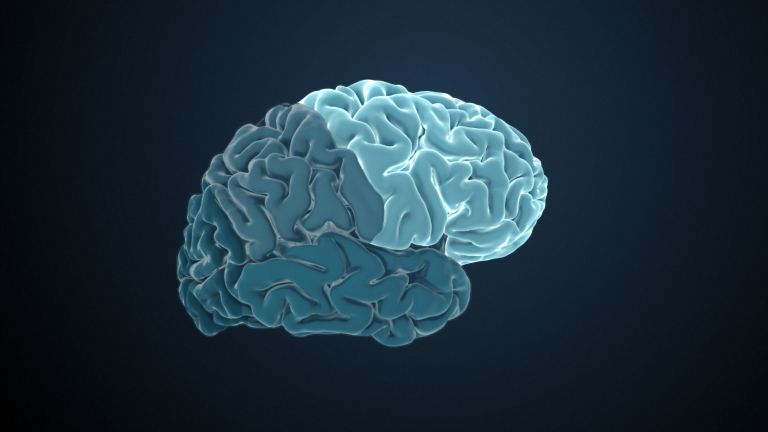
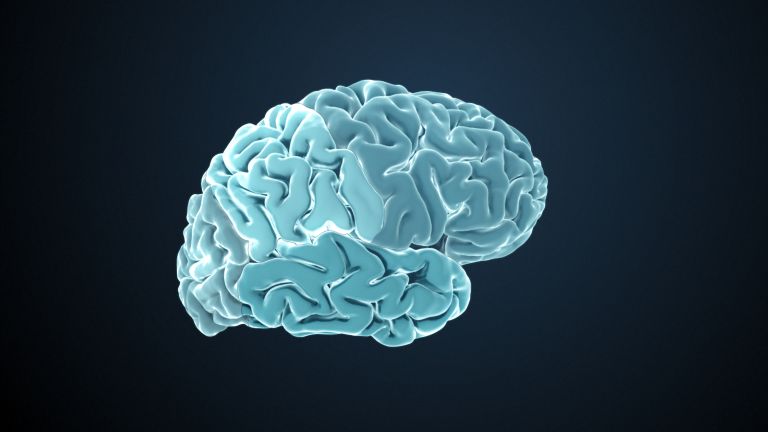
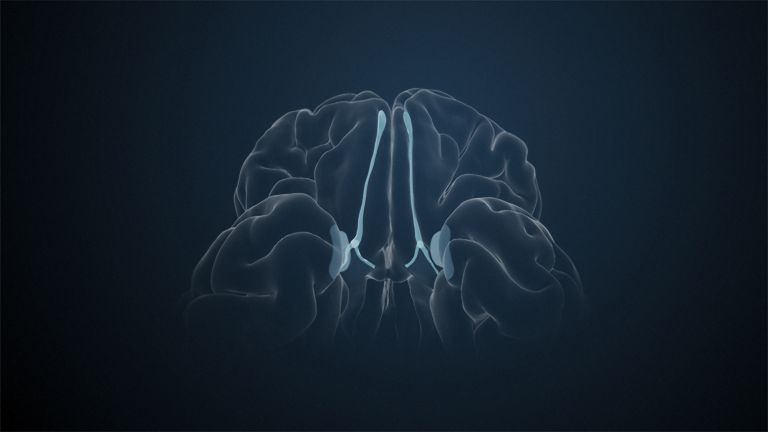
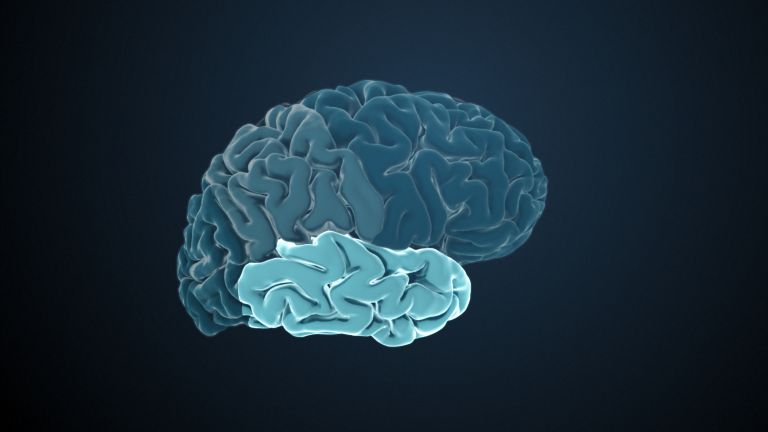
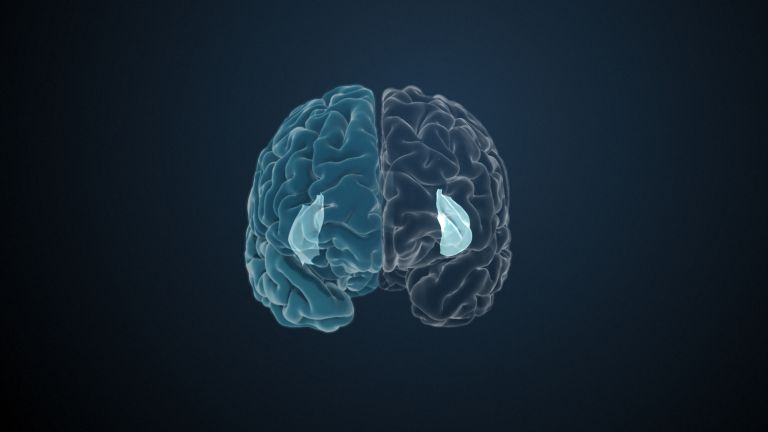
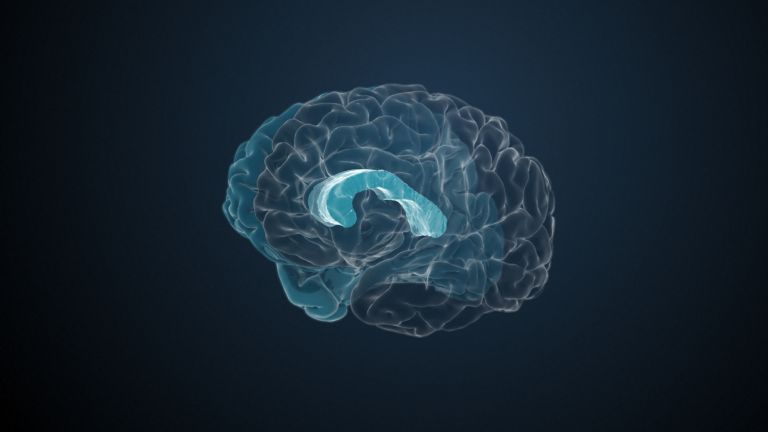
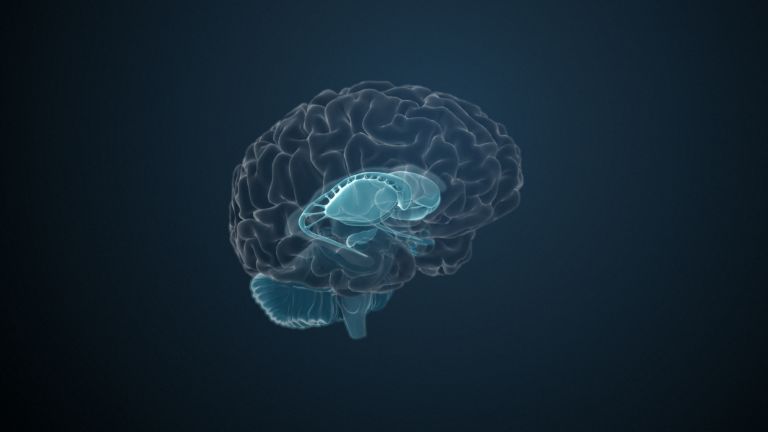
Functional inventory of the basement
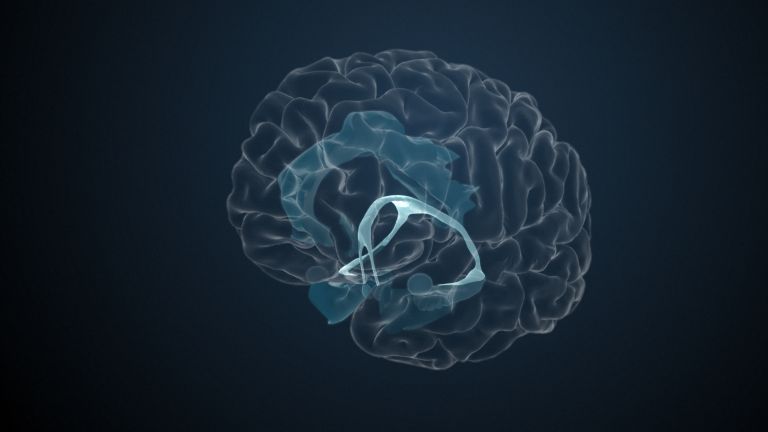
The posterior Hypothalamus consists essentially only of the mammillary bodies. It is also known as the white hypothalamus because it is traversed by thick, medullary nerve fibers. These are the axons of the fornix, which extend to the mammillary bodies, and the axons of the nerve cells there, which ascend to the anterior Dorsal thalamus All these structures belong to the Limbic system and are involved in Memory formation (Papez circuit).
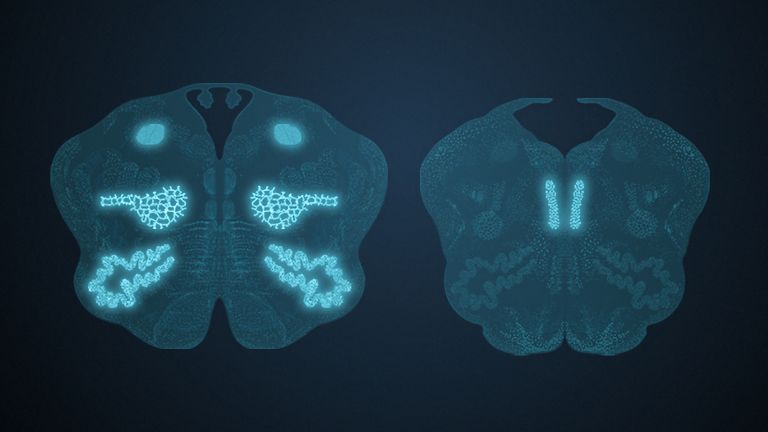
The anterior and middle medullary sections of the hypothalamus, which are traversed by thinner nerve fibers, are much more heterogeneous. Here there are several dozen distinct nuclear areas, which are referred to as magnocellular or Parvocellular nuclei according to the size of their perikarya, i.e., their cell bodies. They serve vegetative, unconscious bodily functions and control the body's “internal environment.” In addition, the white matter hypothalamus is an endocrine gland that produces many different hormones. And that's not all. It is also packed with receptors to which hormones from other peripheral endocrine glands (thyroid, adrenal Cortex) bind. In short, we find ourselves here at one of the interfaces between nervous and hormonal regulation of bodily functions.
Let's take a closer look at some of the “famous” core areas of the hypothalamus. There is, for example, the bilaterally arranged Suprachiasmatic nucleus It is located directly above the Optic chiasm and is the seat of the so-called internal clock. The biochemical processes inside the interconnected nerve cells in this core area – and thus also their electrical activities – exhibit spontaneous, endogenous oscillations with a phase length of about 24 hours, which they maintain even in the absence of external stimuli. Special Ganglion cells in the Retina of the eye, known as intrinsically photoreceptive ganglion cells, send their axons to the suprachiasmatic nucleus, synchronizing this “roughly day-long” (circadian) rhythm with the actual daily cycle of light and dark. The respective phase position of the internal clock determines the metabolic processes and activities of the entire organism. It communicates with the rest of the body via neural and humoral pathways that originate in the suprachiasmatic nucleus.
An important target organ of the neural pathways originating in the suprachiasmatic nucleus is the Epiphysis cerebri (pineal gland). This is where Melatonin is produced night after night and released into the bloodstream. Postganglionic nerve fibers from the superior cervical ganglion of the Sympathetic nervous system control the biosynthesis of melatonin. They form the last link in a polysynaptic pathway that originates in neurons of the suprachiasmatic nucleus. Melatonin, in turn, influences the activity of the suprachiasmatic nucleus in the sense of a feedback loop. It also acts on the pars tuberalis of the pituitary gland and other organs in the body's periphery.
The anterior hypothalamus, which is low in myelin, also contains two magnocellular nuclei: the Paraventricular nucleus and the Supraoptic nucleus These two are located where their names suggest – in the Optic tract and right next to the ventricle, very close to the Optic nerve They contain glandular nerve cells, i.e. endocrine neurons that produce hormones. However, these hormones do not enter the circulating blood at the site of their production, i.e., in the nuclei themselves. Instead, they are transported in the axons of the glandular nerve cells via the pituitary stalk to the neurohypophysis, where they are released into the circulation.
The hormones in question are oxytocin and antidiuretic Hormone (ADH). ADH reduces the amount of urine excreted. If it is lacking due to damage to the magnocellular nuclear areas, diabetes insipidus occurs, a rare hormone deficiency disease with extremely high urine excretion (5 to 25 liters per day) and a corresponding feeling of thirst.
Oxytocin literally means “rapid birth.” Among other things, the hormone triggers contractions at the end of pregnancy. But it is not only related to birth, but also to the reproductive activities that take place before it. It is therefore also known as the “cuddle hormone,” released during orgasm, among other things and promotes physical closeness and trust. This also applies to men. The release of oxytocin during breastfeeding, on the other hand, is reserved for women and controls milk ejection – not milk production. This, in turn, is stimulated by prolactin.
Numerous other parvocellular endocrine nuclei are located in the middle section of the hypothalamus, near the opening of the funnel, the infundibulum mentioned above, from which the pituitary gland hangs downwards. Since these nuclear areas form a small bump behind the funnel opening (and in front of the mammillary bodies), this area is called the Tuber cinereum (gray bump) and the nuclei are accordingly called the tuber nuclei. They are also endocrine glands. Their nerve cells produce hormones – releasing hormones, i.e., triggering hormones, and Inhibiting hormones – which in turn cause the adenohypophysis (anterior and middle lobes and pars tuberalis) to produce hormones – or to refrain from doing so.
For example, the Infundibular nucleus (= arcuate nucleus) produces dopamine, which, as an inhibiting hormone, inhibits the release of prolactin in the adenohypophysis. Prolactin, in turn, acts on the mammary gland, where it causes milk production. Other cells in the arcuate nucleus produce a Releasing hormone called “GnRH,” which stands for “gonadotropin-releasing hormone.” In response to this hormone, the anterior lobe of the pituitary gland produces gonadotropins, which in turn stimulate the ovaries and testicles to produce the “actual” sex hormones, namely estrogen and testosterone. The infundibular nucleus, together with the Eminetia mediana and the Nucleus dorsomedialis, plays an important role in controlling food intake (“feeding and satiety center”) and metabolism.
The low-marrow hypothalamus does not only influence bodily functions via hormonal pathways. Its various core areas are locally and reciprocally interconnected with each other and with the nucleus lateralis hypothalami (= lateral hypothalamic area). The lateral hypothalamic nucleus is an extensive core area: it borders the paraventricular nucleus and the tuber nuclei on the side, as well as the mammillary bodies deep in the wall of the hypothalamus. And further to the side, it borders the internal capsule. The nucleus is the starting point for extensive axonal projections to many other distant brain regions, from the cortex to the spinal cord, and thus serves, so to speak, as a kind of neural “distributor” for the hypothalamic influences on the rest of the nervous system's functions – including cognitive ones.
The lateral hypothalamic nucleus is involved in a variety of functions: eating behavior, i.e., the conscious experience of hunger and thirst, modulation of the pain and reward systems, regulation of attention, the Perception of stress and exhaustion, but also purely vegetative functions such as thermoregulation, blood pressure regulation, and control of the motor activity of the stomach, intestines, and bladder. The neurotransmitters involved in these processes are diverse. They are predominantly neuropeptides such as orexin and dynorphin, but many other transmitters such as GABA, glutamate, and galanin also play a role.
posterior
A positional term – posterior means "towards the back, located at the rear." In relation to the nervous system, it refers to a direction towards the tail.
Hypothalamus
The hypothalamus is considered the center of the autonomic nervous system, meaning it controls many motivational states and regulates vegetative aspects such as hunger, thirst, and sexual behavior. As an endocrine gland (which, unlike an exocrine gland, releases its hormones directly into the blood without a duct), it produces numerous hormones, some of which inhibit or stimulate the pituitary gland to release hormones into the blood.In this function, it also plays an important role in the response to pain and is involved in pain modulation.
dorsal
The positional term dorsal means "towards the back." In relation to the nervous system, it refers to a direction perpendicular to the neural axis, i.e., upwards towards the head or backwards.
In animals that do not walk upright, the term is simpler, as it always means toward the back. Due to the upright posture of humans, the brain bends in relation to the spinal cord, making dorsal mean "upward."
Dorsal thalamus
Thalamus dorsals
The thalamus is the largest structure in the diencephalon and is located above the hypothalamus. The thalamus is considered the "gateway to consciousness" because its nuclei are the transit station for all information to the cortex (cerebral cortex) – except for olfactory information, which first reaches the olfactory areas of the brain directly. At the same time, they also receive massive cortical inputs so it might be better to regard this a thalami-cortical system. The nuclei of the thalamus are grouped together. The term "gateway to consciousness" also refers to attention control, sleep-wake regulation, and consciousness modulation by the intralaminar nuclei.
Limbic system
The limbic system is a functional unit in the brain. It consists of interconnected structures, primarily in the cerebrum and diencephalon. The structures assigned to the system vary depending on the source, but the most important components are the hippocampus, amygdala, cingulate gyrus, septum, and mammillary bodies. The limbic system is involved in autonomic and visceral processes as well as in mechanisms of emotion, memory, and learning. Some authors mistakenly reduce the limbic system to the emotional world by referring to it as the "emotional brain."
Memory
Memory is a generic term for all types of information storage in the organism. In addition to pure retention, this also includes the absorption of information, its organization, and retrieval.
Parvocellular
"Parvus" means "small." In the lateral geniculate nucleus, the switching station for visual stimuli in the thalamus, the outer four layers are called parvocellular because, unlike the magnocellular cell layers, they have small cell bodies. The parvocellular system transmits information for the perception of color and fine details.
white matter
The white matter refers to the myelinated fibers of the nervous system that connect one neuron to another. The white color is caused by the myelin sheath surrounding the fibers.
Cortex
cortex cerebri
Cortex refers to a collection of neurons, typically in the form of a thin surface. However, it usually refers to the cerebral cortex, the outermost layer of the cerebrum. It is 2.5 mm to 5 mm thick and rich in nerve cells. The cerebral cortex is heavily folded, comparable to a handkerchief in a cup. This creates numerous convolutions (gyri), fissures (fissurae), and sulci. Unfolded, the surface area of the cortex is approximately 1,800cm².
Suprachiasmatic nucleus
nucleus suprachiasmaticus
A nucleus of the hypothalamus that plays a central role in circadian rhythms, including the sleep-wake cycle. It is the master clock, the body's most important internal clock, controlling melatonin production in the epiphysis. It receives direct input from the retinal ganglion cells.
Optic chiasm
The optic chiasm is a cross-shaped junction between the optic nerves, where 50% of the optic nerve fibers change sides.
Ganglion
Term for a cluster of nerve cell bodies in the peripheral nervous system. The term nerve node is often used because of its appearance. (Greek gágglion = knot-like)
Retina
The retina is the inner layer of the eye covered with pigment epithelium. The retina is characterized by an inverse (reversed) arrangement: light must first pass through several layers before it hits the photoreceptors (cones and rods). The signals from the photoreceptors are transmitted via the optic nerve to the processing areas of the brain. The reason for the inverse arrangement is the evolutionary development of the retina, which is a protrusion of the brain.
The retina is approximately 0.2 to 0.5 mm thick.
Nucleus
In cell biology, the nucleus in a cell is the cell nucleus, which contains the chromosomes, among other things. In neuroanatomy, the nucleus in the nervous system refers to a collection of cell bodies – known as gray matter in the central nervous system and ganglia in the peripheral nervous system.
Epiphysis
glandula pinalis/pineal gland
The epiphysis (pineal gland) is an unpaired component of the epithalamus (part of the diencephalon). It is a gland that secretes melatonin. Among other things, the epiphysis controls the "internal clock."
Melatonin
Melatonin is a hormone released by the pineal gland in the brain when it is dark. Melatonin levels are highest at night and then decrease throughout the day. This makes it an important messenger substance for the "internal clock" and it appears to play a particularly important role in regulating sleep.
Sympathetic nervous system
Part of the autonomic nervous system, whereby the sympathetic nervous system primarily transmits excitatory impulses – in contrast to its counterpart, the parasympathetic nervous system. For example, the sympathetic nervous system activates respiration, the heart, and circulation, but it also affects the smooth muscles of all internal organs. The sympathetic nervous system uses the neurotransmitters acetylcholine and norepinephrine.
Paraventricular nucleus
nucleus paraventricularis
A nucleus of the hypothalamus whose neurons produce various hormones, including oxytocin and vasopressin, which are transported to the neurohypophysis. The PVN sends axons to the limbic system, the brain stem, and other hypothalamic nuclei.
Supraoptic nucleus
supraoptic nucleus
A core area of the hypothalamus, located above the optic nerves. This is where the peptide hormones vasopressin and oxytocin are produced.
Optic tract
tractus opticus
The optic tract refers to the optic nerve after half of the fibers have crossed sides at the optic chiasm. However, it still consists of the axons (long fiber-like extensions) of the retinal ganglion cells. Most of the optic tract ends in the lateral geniculate nucleus, while others end in the superior colliculi, among other places.
Optic nerve
nervus opticus
The axons (long fiber-like extensions) of the retinal ganglion cells form the optic nerve, which leaves the eye at the back of the optic disc. It comprises approximately one million axons and has a diameter of approximately seven millimeters.
oxytocin
Oxytocin
Oxytocin is a hormone produced in the paraventricular nucleus and supraoptic nucleus of the hypothalamus and released into the blood via the posterior lobe of the pituitary gland. It initiates contractions during childbirth and supports the milk ejection reflex during breastfeeding. It is also released during orgasm. Oxytocin can promote trust and strengthen pair bonding, but recent findings show that its effects are more complex and, in certain contexts, can also promote separation from out-groups.
Hormone
Hormones are chemical messengers in the body. They serve to transmit information between organs and cells, usually slowly, e.g., to regulate blood sugar levels. Many hormones are produced in glandular cells and released into the blood. At their destination, e.g., an organ, they dock at binding sites and trigger processes inside the cell. Hormones have a broader effect than neurotransmitters; they can influence various functions in many cells of the body.
Tuber cinereum
The tuber cinereum is a hill-shaped area in the hypothalamus from which the infundibulum, the pituitary stalk, originates. The tuber nuclei are located in the tuber cinereum, including the nucleus tuberomammillaris, which is the only region in the brain that uses histamine as a neurotransmitter.
Inhibiting hormones
Hormones produced in the hypothalamus that inhibit the release of other hormones from the adenohypophysis (part of the pituitary gland).
Infundibular nucleus
nucleus infundibularis
The infundibular nucleus is also called the arcuate nucleus due to its curved shape. It is located in the hypothalamus at the base of the third ventricle and regulates hormone release from the pituitary gland via releasing and inhibiting hormones. It is therefore also involved in regulating appetite, energy balance, and growth.
Releasing hormone
Hormones of the hypothalamus that promote the release of other hormones in the adenohypophysis.
lateral
A positional term – lateral means "towards the side." In relation to the nervous system, it refers to a direction at right angles to the neural axis, i.e., to the right or left.
Perception
The term describes the complex process of gathering and processing information from stimuli in the environment and from the internal states of a living being. The brain combines the information, which is perceived partly consciously and partly unconsciously, into a subjectively meaningful overall impression. If the data it receives from the sensory organs is insufficient for this, it supplements it with empirical values. This can lead to misinterpretations and explains why we succumb to optical illusions or fall for magic tricks.
First published on August 28, 2011
Last updated on July 1, 2025