The Fornix
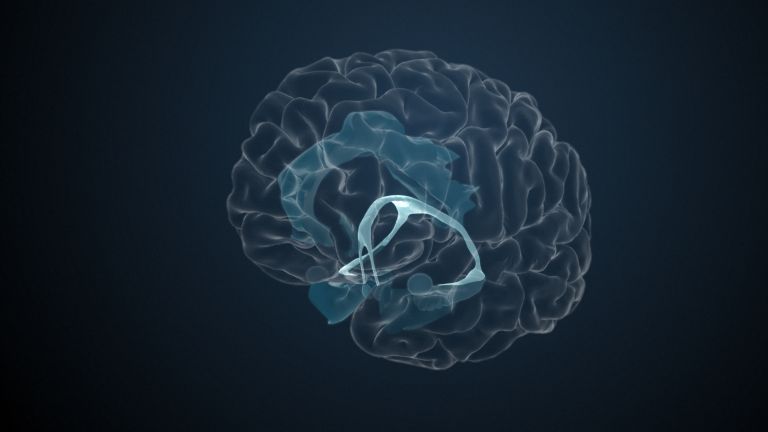
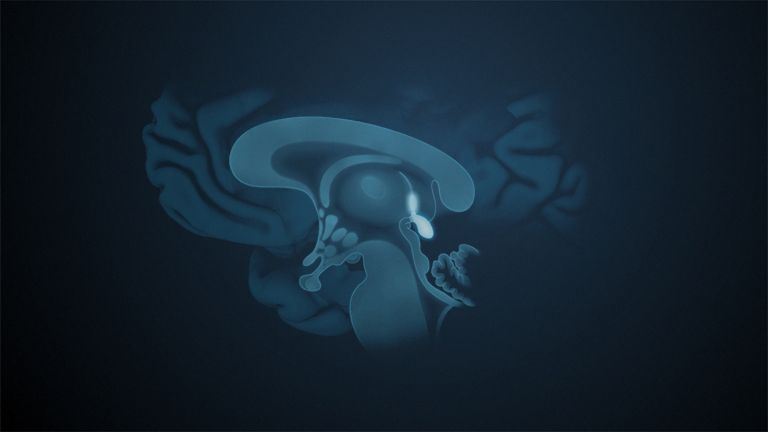
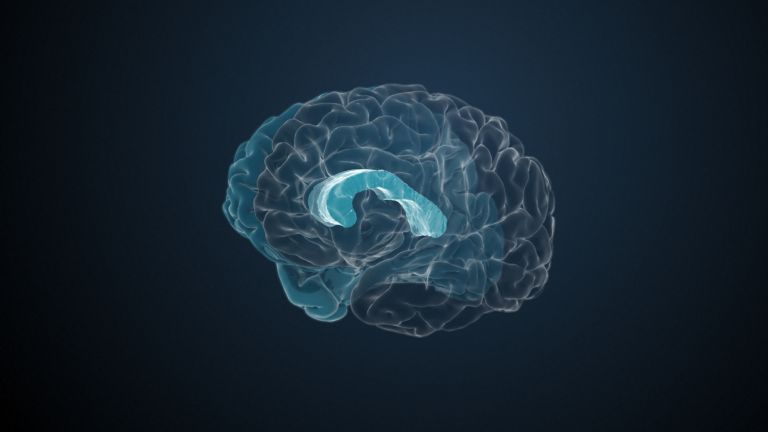
The fornix is not the most exciting of all brain structures. But what it lacks in glamour, it makes up for in beauty. And in importance: it is the most important fiber tract in the limbic system, connecting the hippocampus, corpus mammillaris, and septum.
Scientific support: Prof. Dr. Horst-Werner Korf
Published: 14.04.2025
Difficulty: intermediate
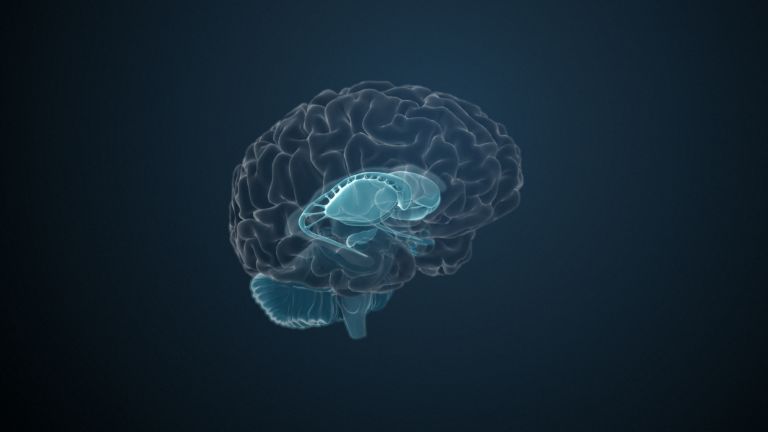
The Fornix is called “vault” and looks like one too. It bundles nerve fibers that connect the centers of the Limbic system the hippocampi, septal nuclei, and mammillary bodies.
Fornix
The fornix is a nerve pathway consisting of approximately 12 million fibers that connects the hippocampus (one of the oldest structures in the brain in evolutionary terms) and subiculum with the septum and mammillary bodies.
Limbic system
The limbic system is a functional unit in the brain. It consists of interconnected structures, primarily in the cerebrum and diencephalon. The structures assigned to the system vary depending on the source, but the most important components are the hippocampus, amygdala, cingulate gyrus, septum, and mammillary bodies. The limbic system is involved in autonomic and visceral processes as well as in mechanisms of emotion, memory, and learning. Some authors mistakenly reduce the limbic system to the emotional world by referring to it as the "emotional brain."
The Fornix is a strange structure – boring as hell and yet highly exciting. It seems boring as long as you only ask about its function. After all, it is merely a bundle of strands, a fiber system, a collection of axons from nerve cells that connect three widely separated centers of the Cerebrum: the hippocampi, the septal nuclei, and the mammillary bodies. A bundle of fibers, white matter – nothing more. Nevertheless, it is a powerful bundle of fibers in the limbic system, to which the three centers mentioned above belong.
Fornix
The fornix is a nerve pathway consisting of approximately 12 million fibers that connects the hippocampus (one of the oldest structures in the brain in evolutionary terms) and subiculum with the septum and mammillary bodies.
Cerebrum
telencephalon
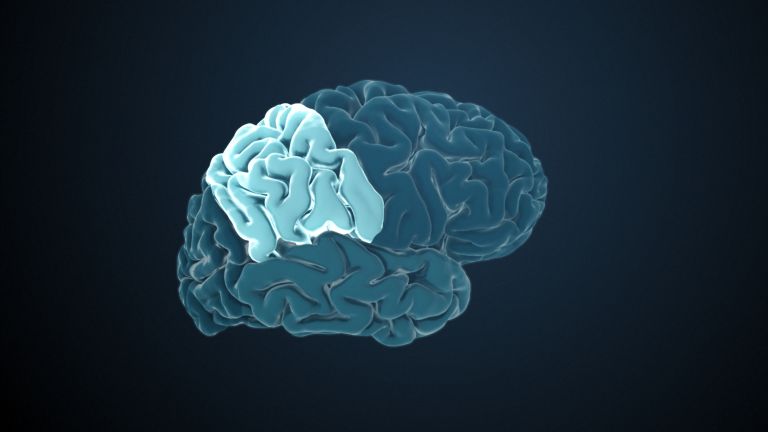
The cerebrum comprises the cerebral cortex (gray matter), the nerve fibers (white matter), and the basal ganglia. It is the largest part of the brain. The cortex can be divided into four cortical areas: the temporal lobe, frontal lobe, occipital lobe, and parietal lobe.
Its functions include the coordination of perception, motivation, learning, and thinking.
white matter
The white matter refers to the myelinated fibers of the nervous system that connect one neuron to another. The white color is caused by the myelin sheath surrounding the fibers.
Gothic vault
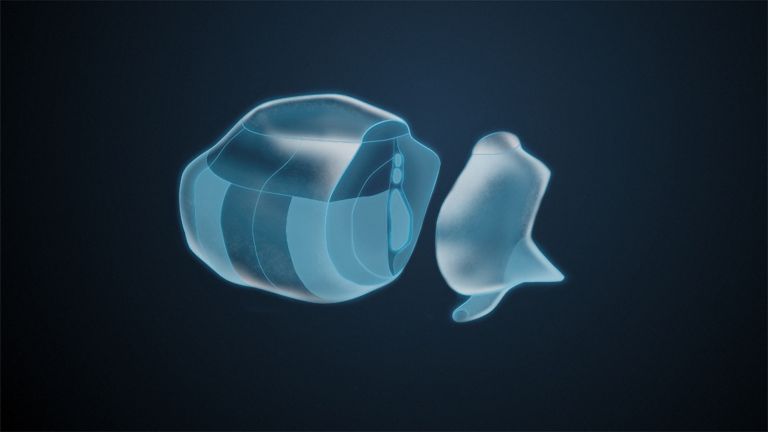
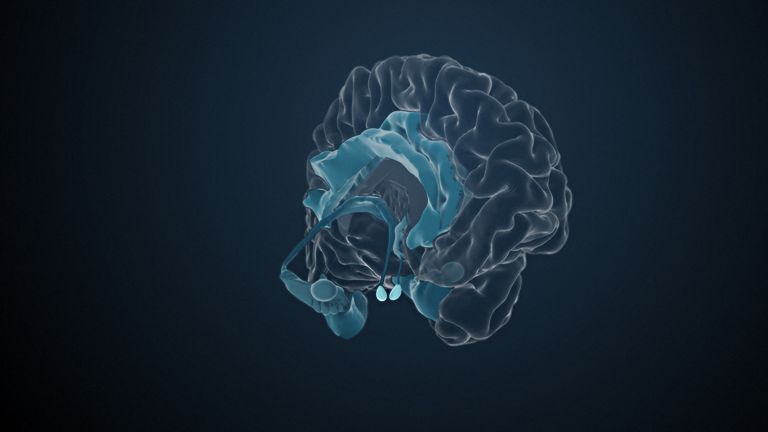
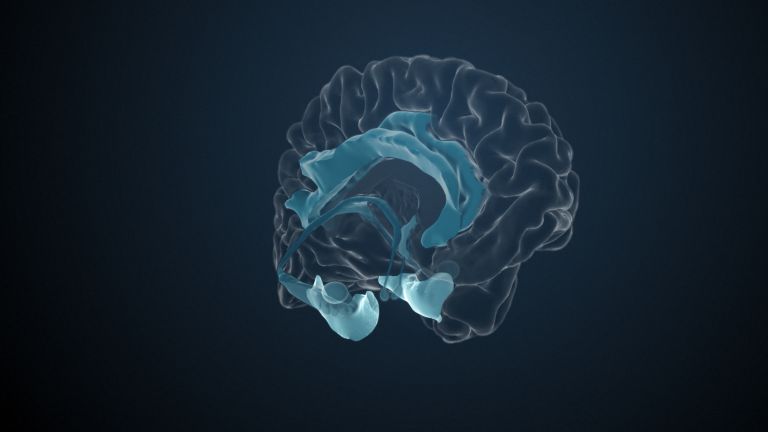
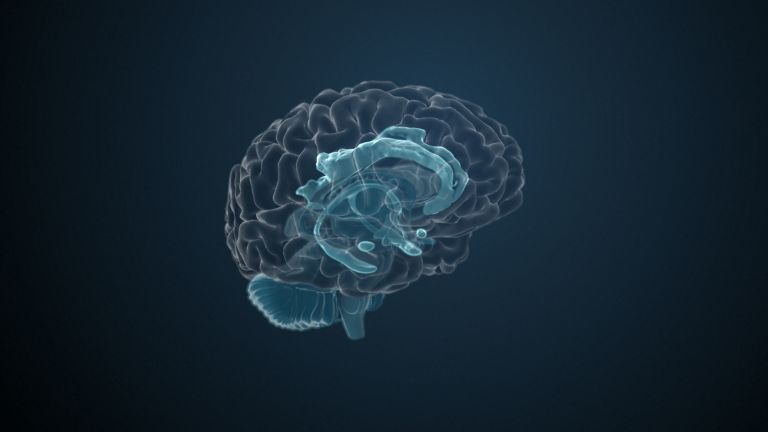
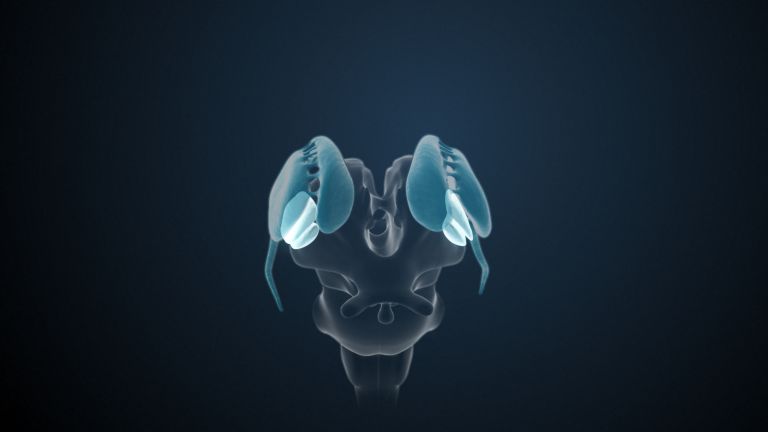
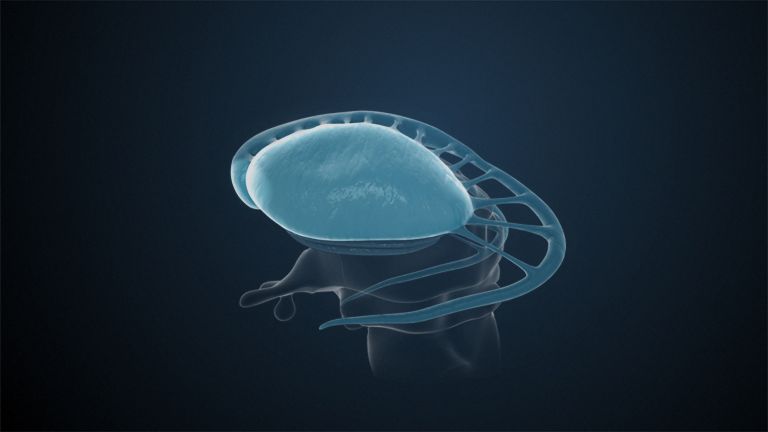
When you look at it, the Fornix gains immensely: its size alone is impressive. This is due to the distance between the connected structures. And then there is its shape: the fornix does not consist of straight lines – oh no! It has curves and arches like a Gothic building. In fact, its shape is reminiscent of the self-supporting ribs of a cross vault, which made it possible to construct mighty cathedrals with high ceilings. Such a vault spans the middle of the forebrain. And that is exactly how the name fornix can be translated into English: vault. But the structure has also been described using many other vivid terms.
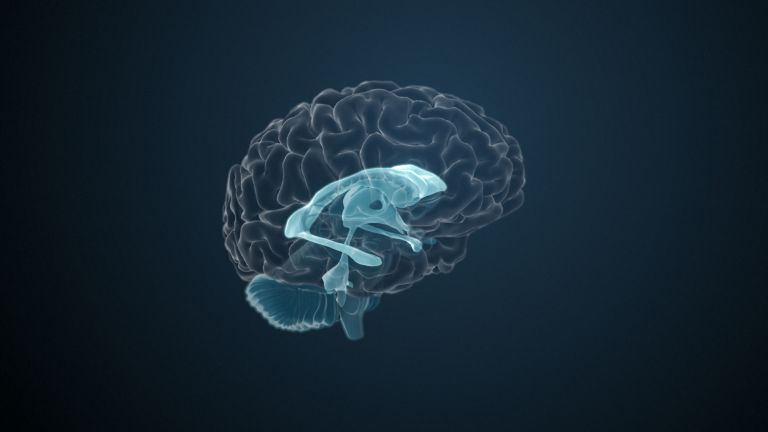
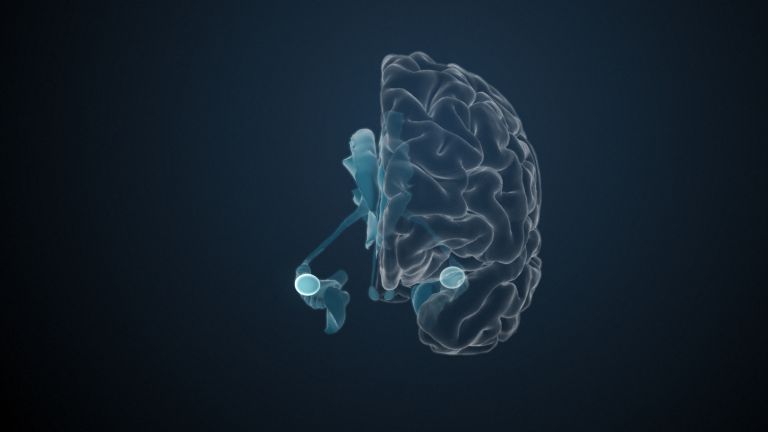
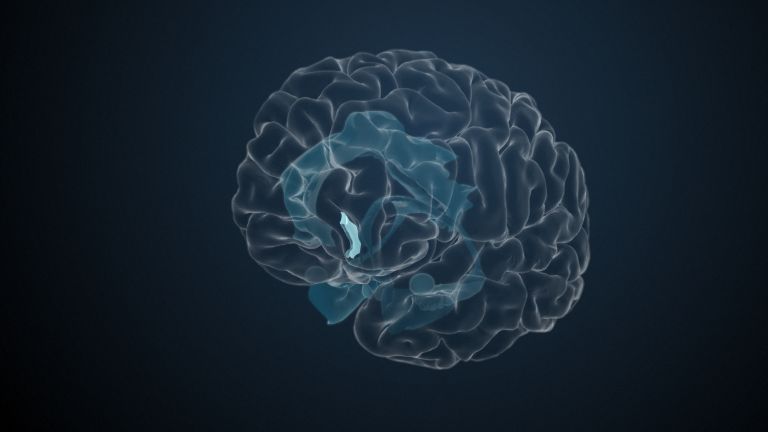
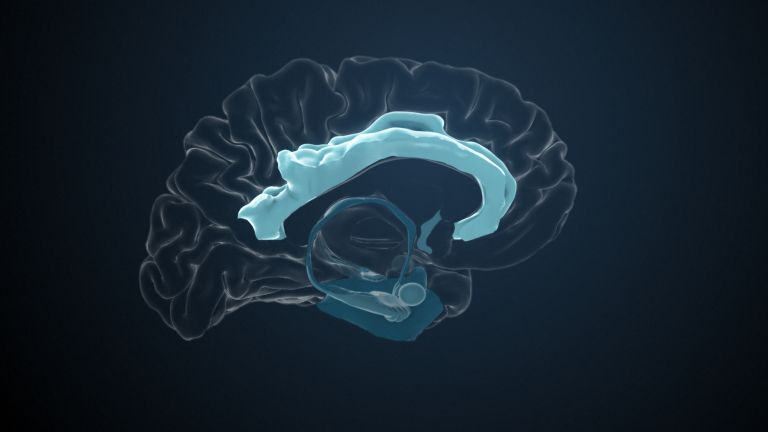
The fornix thus resembles the curved X of the stone ribs in a vault. At the four ends are structures that are connected to each other via the nerve fibers of the fornix. The two rear ends of the fornix are connected to the hippocampi of the right and left temporal lobes via the fimbriae hippocampi (the fimbria of Hippocampus). These fimbriae merge into the right and left crus fornicis (crus of fornix), the two legs of the fornix. These two branches initially point backward, but then curve upward, forward, and inward, rising to the intersection point of the X, i.e., to the keystone of the vault, so to speak.
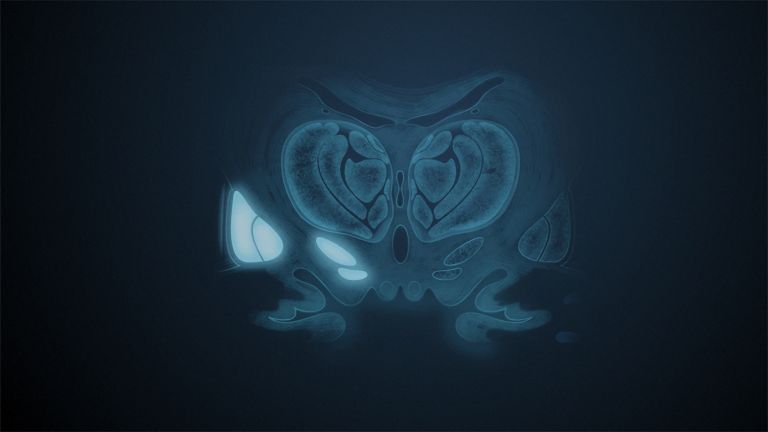
This intersection point, located in the middle of the forebrain, directly below the corpus callosum, is also called the corpus fornicis. There, you find many nerve fibers that connect the right and left hippocampus reciprocally via the fornix branches, the commissura fornicis. Before the intersection point, the fornix divides again, this time into the right and left columna fornicis, the fornix columns. These two columns turn sharply downward. Each of these divides again into the thinner anterior fornix column, which descends toward the septal nuclei, and the more powerful posterior fornix column, which continues downward and even backward toward the mammillary bodies of the Hypothalamus. Nerve fibers originating from nerve cells in the Septum run through the anterior fornix column to the hippocampus. The posterior fornix column consists mainly of fibers that run from nerve cells in the hippocampus to the mammillary bodies.
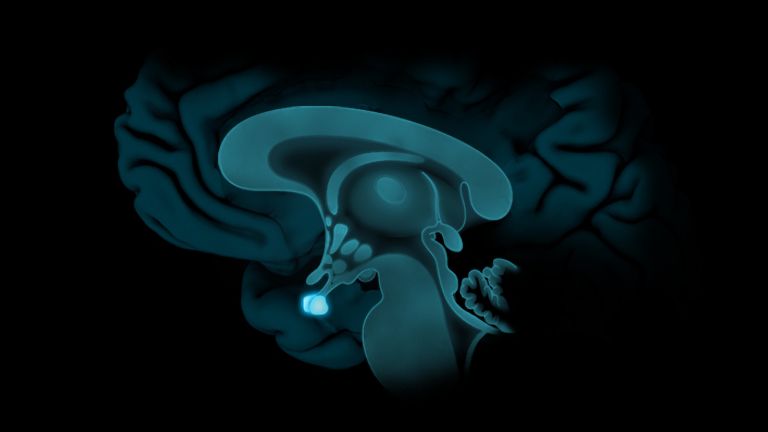
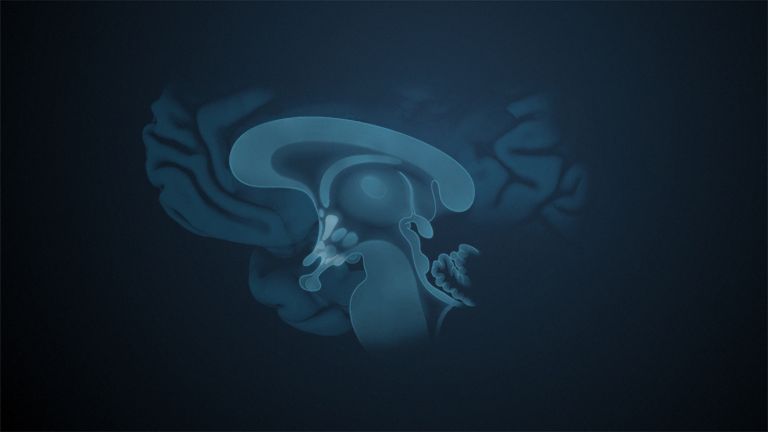
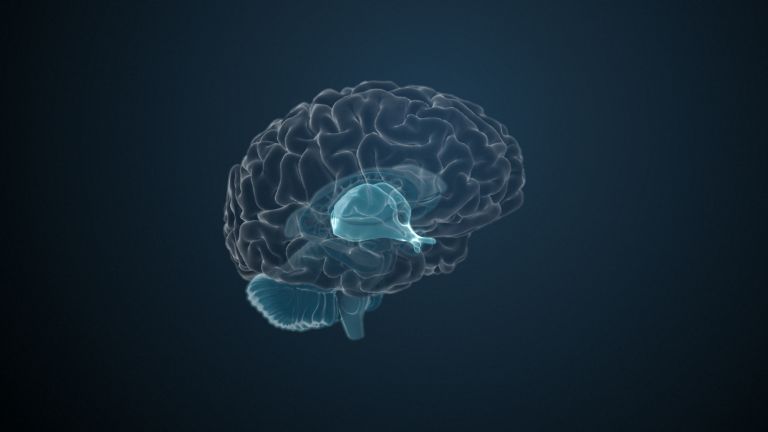
In the central longitudinal section through the brain, only a small part of the fornix is visible: its center, the intersection point, the keystone, the corpus fornicis. However, this visible part actually spans like a vault over the third ventricle of the Diencephalon and the thalami flanking it. And above this spans the equally beautifully arched and curved commissure, the corpus callosum.
Fornix
The fornix is a nerve pathway consisting of approximately 12 million fibers that connects the hippocampus (one of the oldest structures in the brain in evolutionary terms) and subiculum with the septum and mammillary bodies.
Hippocampus
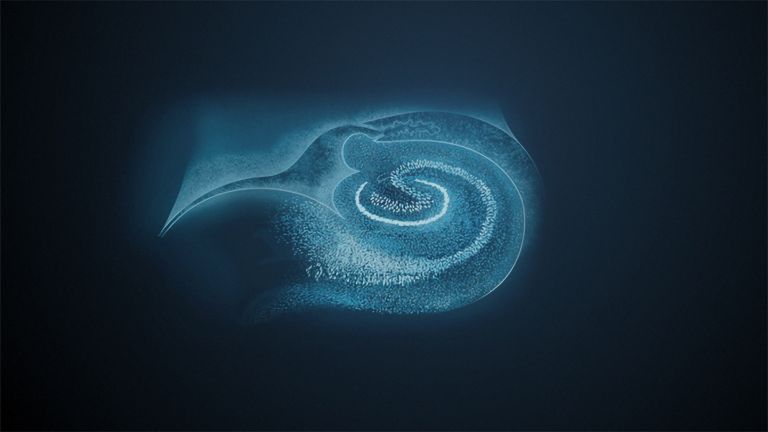
The hippocampus is the largest part of the archicortex and an area in the temporal lobe. It is also an important part of the limbic system. Functionally, it is involved in memory processes, but also in spatial orientation and learning. It comprises the subiculum, the dentate gyrus, and the Ammon's horn with its four fields CA1-CA4.
Changes in the structure of the hippocampus due to stress are associated with chronic pain. The hippocampus also plays an important role in the amplification of pain through anxiety.
posterior
A positional term – posterior means "towards the back, located at the rear." In relation to the nervous system, it refers to a direction towards the tail.
Hypothalamus
The hypothalamus is considered the center of the autonomic nervous system, meaning it controls many motivational states and regulates vegetative aspects such as hunger, thirst, and sexual behavior. As an endocrine gland (which, unlike an exocrine gland, releases its hormones directly into the blood without a duct), it produces numerous hormones, some of which inhibit or stimulate the pituitary gland to release hormones into the blood.In this function, it also plays an important role in the response to pain and is involved in pain modulation.
Septum
area septalis
The septal nuclei are located medially in the basal forebrain, near the anterior tip of the cingulate gyrus. They are connected to the olfactory cortex and linked to other limbic structures via the fornix. Functionally, they play a role in emotional processes and reward processing.
Diencephalon
The diencephalon (midbrain) includes the thalamus and hypothalamus, among other structures. Together with the cerebrum, it forms the forebrain. The diencephalon contains centers for sensory perception, emotion, and the control of vital functions such as hunger and thirst.
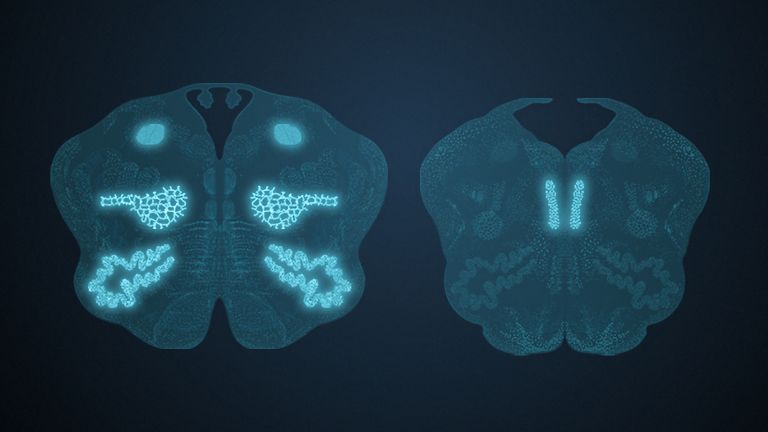
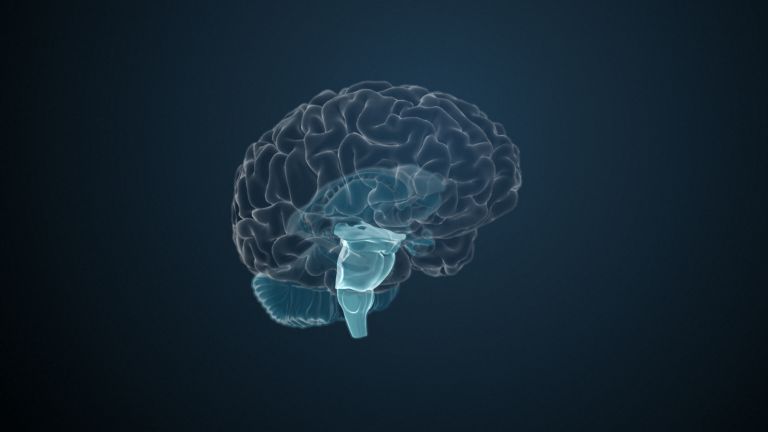
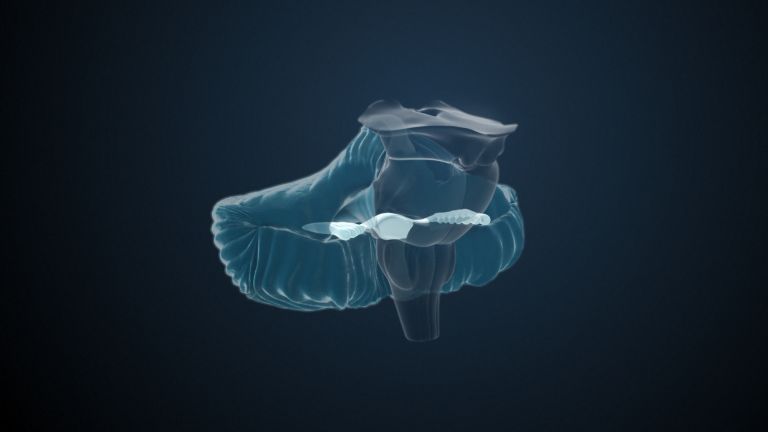
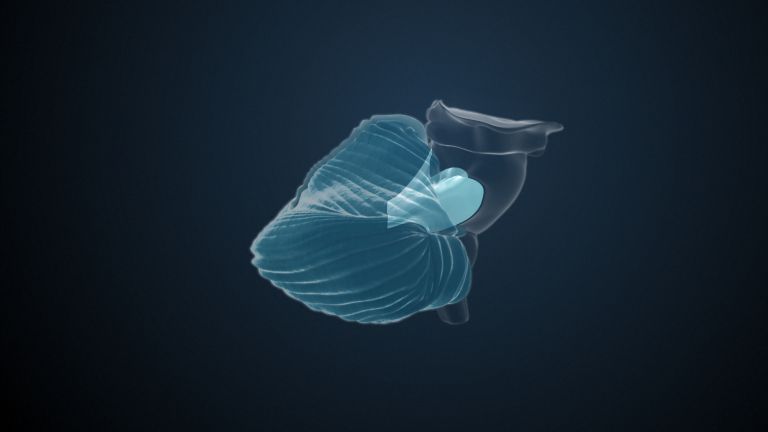
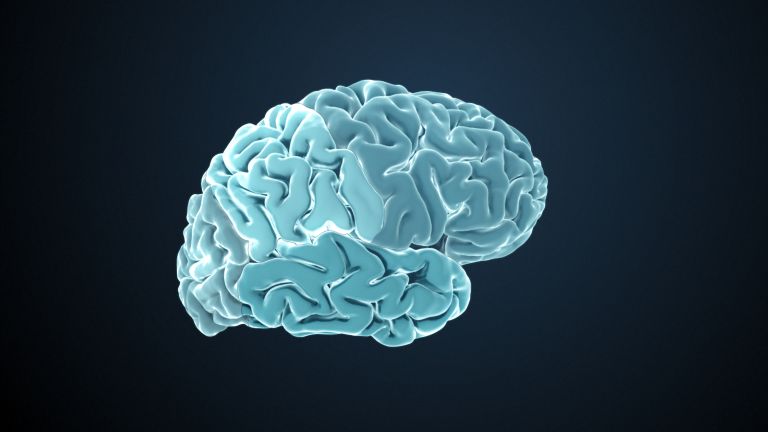
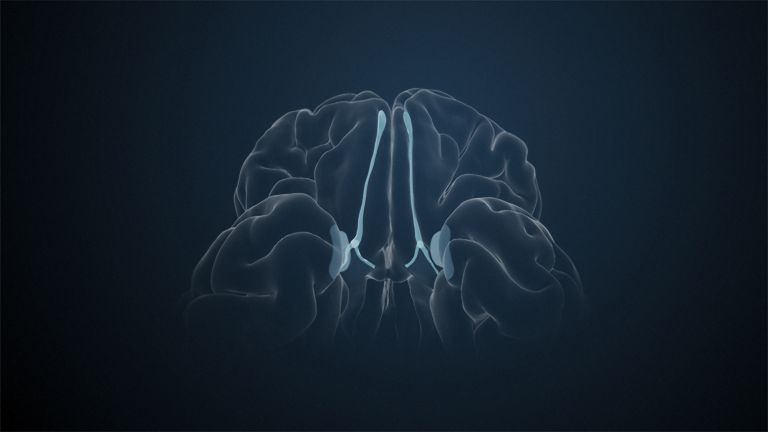
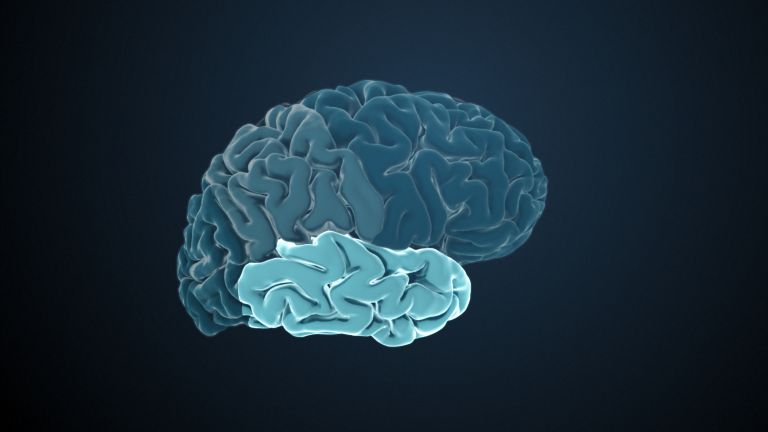
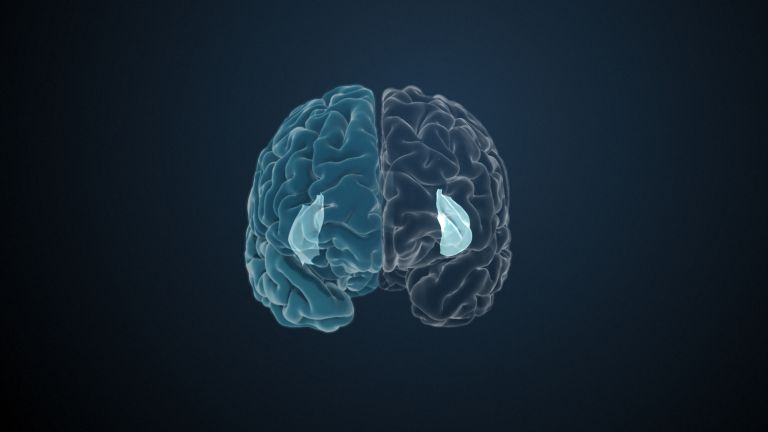
Supporting function
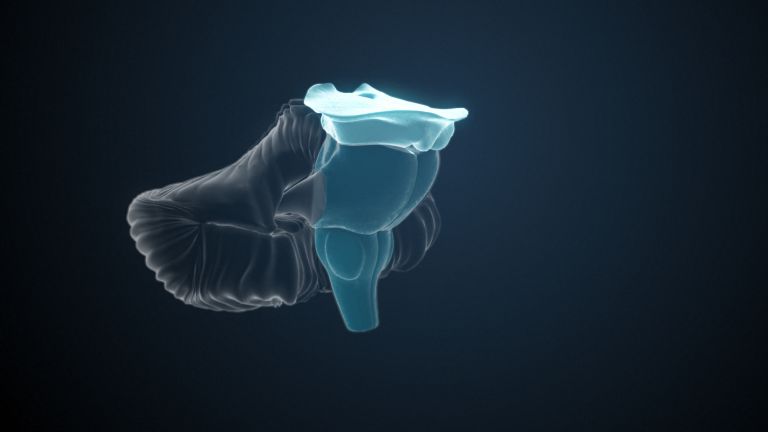
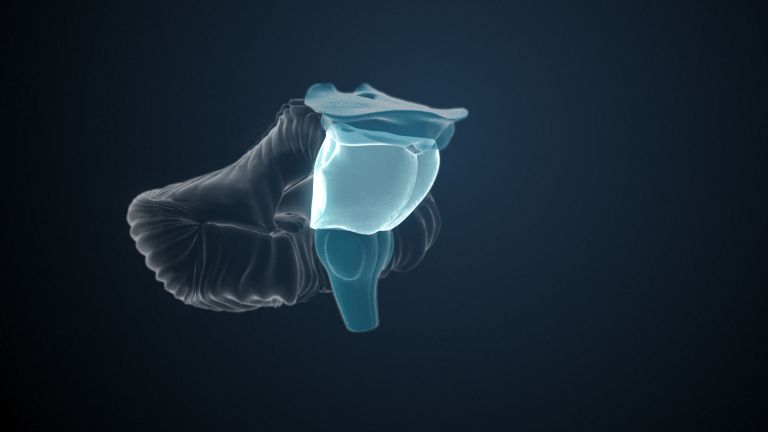
In very simple terms, it can be said that the Fornix mainly contains the outputs of the hippocampal formation, most of which extend to the opposite Hippocampus and to the mammillary bodies. It is an important pathway in the Papez circuit. Complete destruction of the fornix – which fortunately almost never occurs – leads to symptoms similar to those of destruction of the hippocampus: loss of Memory functions.
Fornix
The fornix is a nerve pathway consisting of approximately 12 million fibers that connects the hippocampus (one of the oldest structures in the brain in evolutionary terms) and subiculum with the septum and mammillary bodies.
Hippocampus
The hippocampus is the largest part of the archicortex and an area in the temporal lobe. It is also an important part of the limbic system. Functionally, it is involved in memory processes, but also in spatial orientation and learning. It comprises the subiculum, the dentate gyrus, and the Ammon's horn with its four fields CA1-CA4.
Changes in the structure of the hippocampus due to stress are associated with chronic pain. The hippocampus also plays an important role in the amplification of pain through anxiety.
Memory
Memory is a generic term for all types of information storage in the organism. In addition to pure retention, this also includes the absorption of information, its organization, and retrieval.
First published on August 23, 2011
Last updated on July 1, 2025