The Limbic System
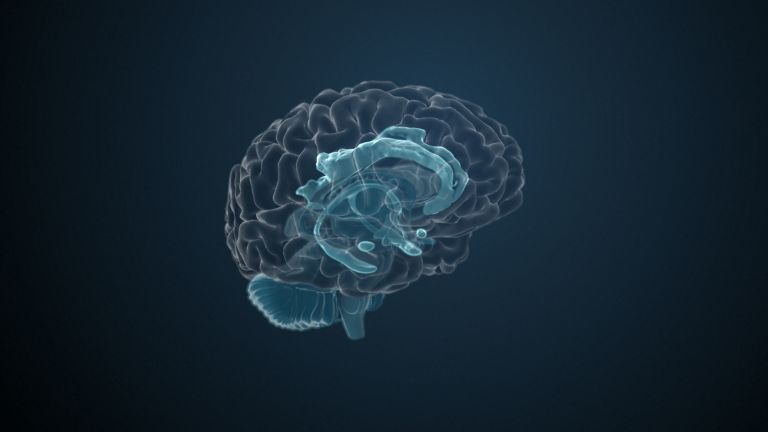
The limbic system is marked by an eventful history in neuroscience. For a long time, it was considered the single center of our emotions, a message which has been conveyed by numerous popular science texts. In fact, the function of the limbic system goes far beyond this. In addition to controlling emotions, it also influences memory, motivation and the endocrine system. Conversely, our emotional life is too complex to be explained solely by the rather limited structures of the limbic system.
Scientific support: Prof. Dr. Herbert Schwegler, Prof. Dr. Anne Albrecht
Published: 22.12.2023
Difficulty: intermediate
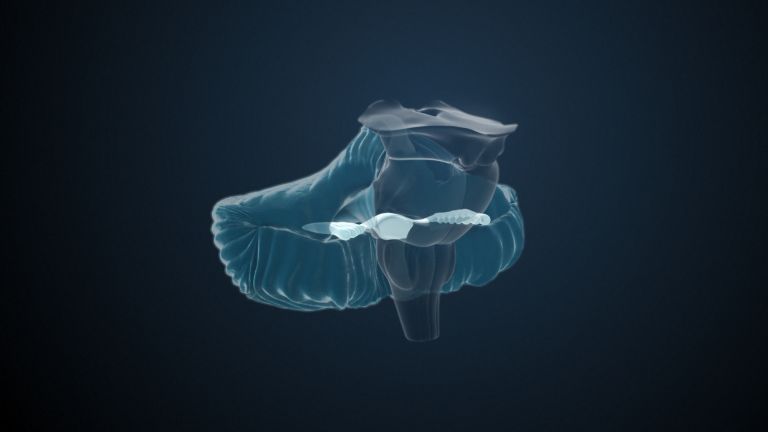
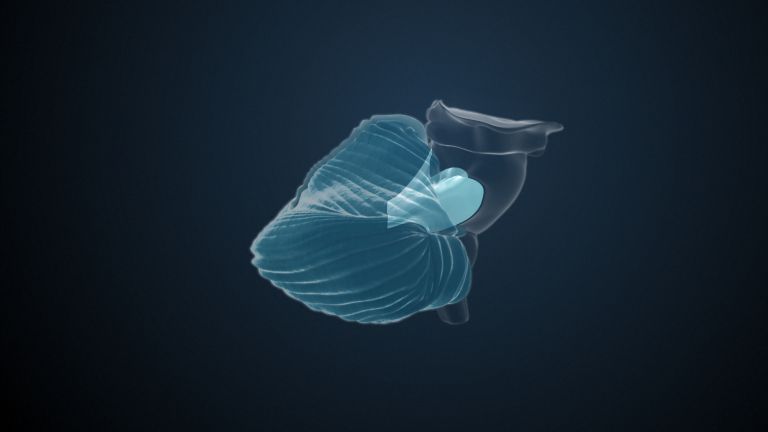
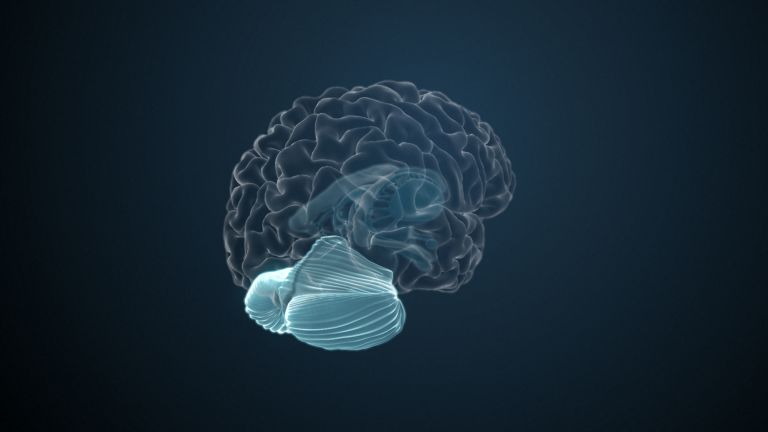
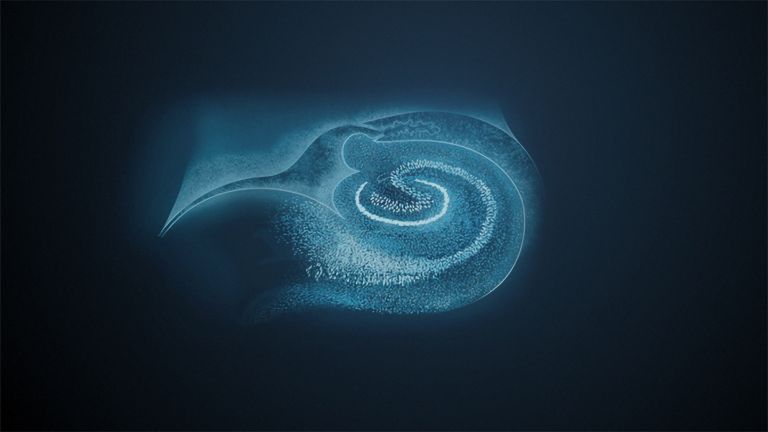
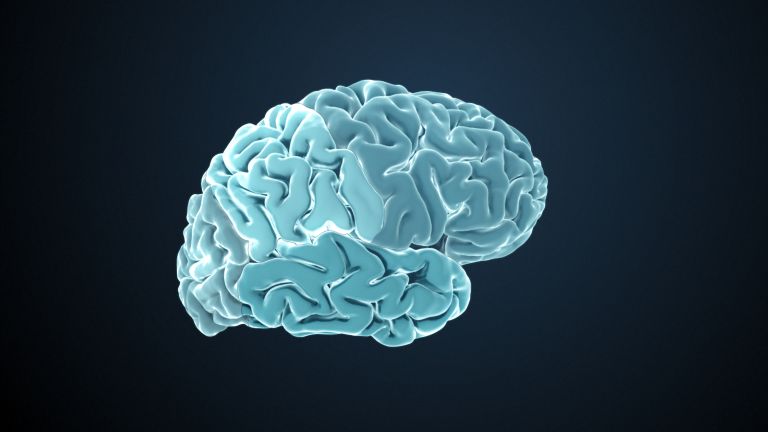
The term “limbic system” is very vague and refers to a group of structures involved in the processing of emotions and memory processes. There are different ideas about which structures these are. The most important ones are the hippocampus, amygdala, cingulate gyrus, and parahippocampal gyrus.
Historical misinterpretations
It is not possible to say unequivocally which structures and areas belong to the limbic system – the information varies depending on the position and concept of the respective author. The oldest definition comes from the French physician Paul Broca (1824–1880). In 1878, he postulated that there was an area in the cerebral cortex that differed fundamentally from the rest of the cortex – and which Broca mistakenly assumed was exclusively responsible for smell. As this area forms a ring around the thalamus and parts of the basal ganglia, he chose the Latin term “limbus,” which means ‘border’ or “edge.”
In 1949, the US physician and brain researcher Paul McLean formulated the theory that the limbic system is the center of our emotions and thus represents an emotional brain within the brain, much like a biological matryoshka doll. He based his now outdated theory on evolutionary concepts: First, he believed, came the basic survival of the reptilian brain, then the emotional control of the limbic system, and only at the very end did the higher cortical areas develop. None of this is true.
McLean assumed that, in addition to the areas identified by Broca, the amygdala and the septum were also involved in the limbic system. At least with regard to the amygdala, McLean's biological classification is still scientifically accepted today.
Subareas of the limbic system
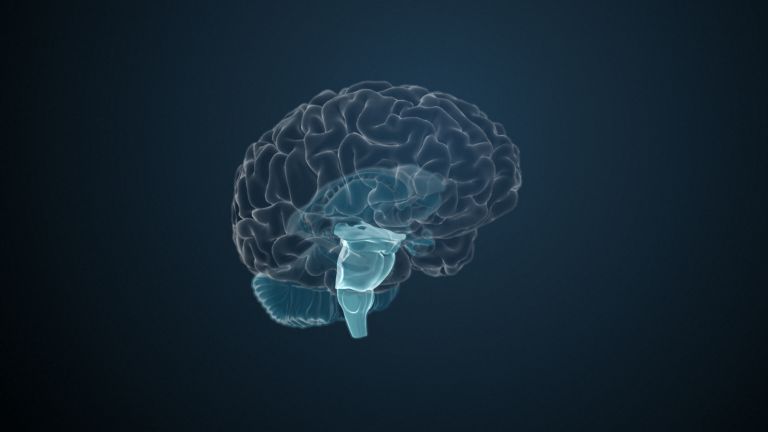
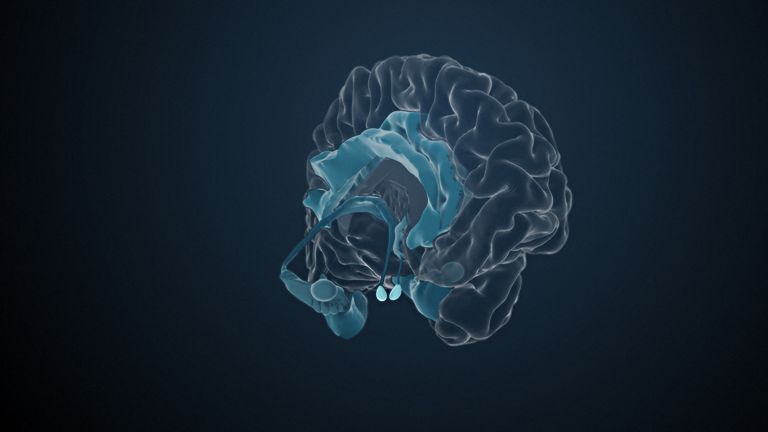
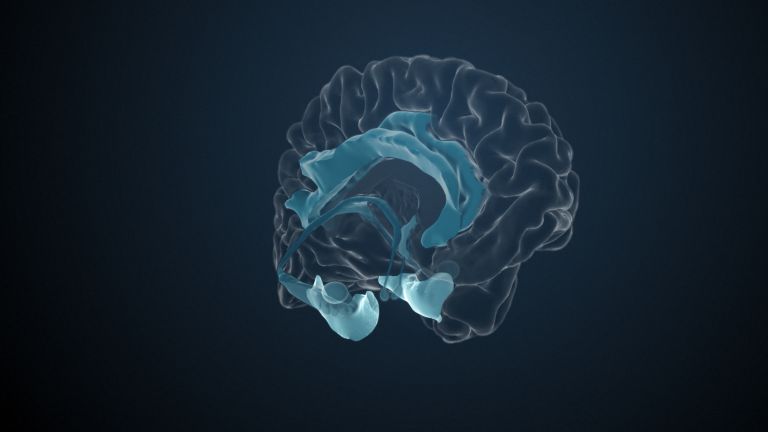
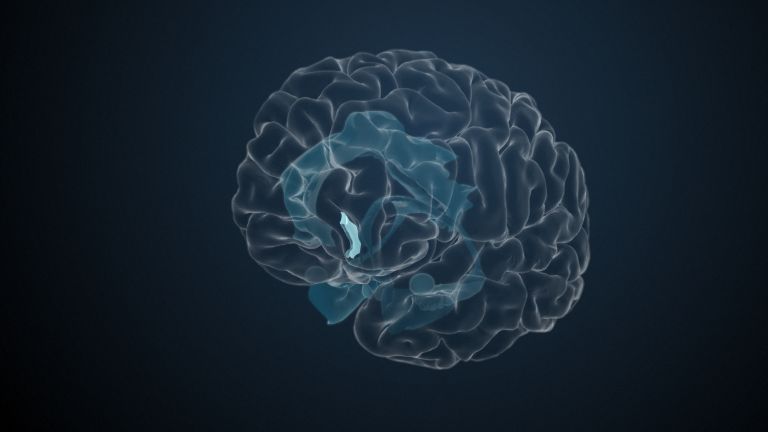
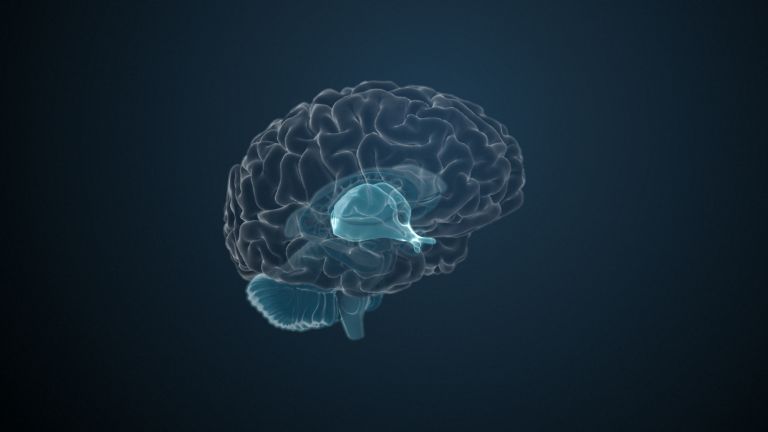
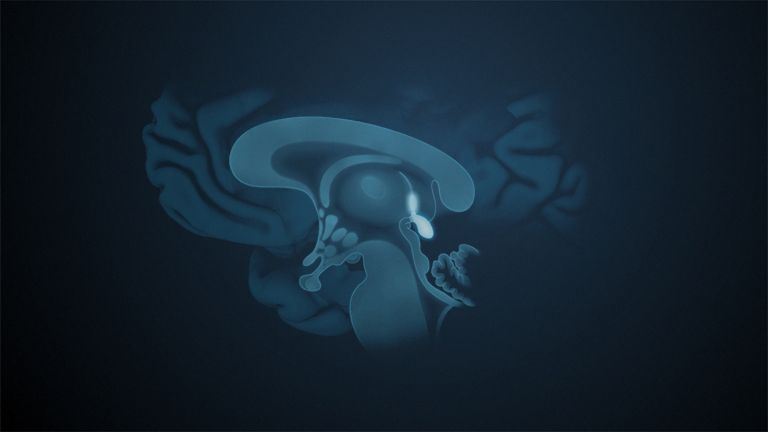
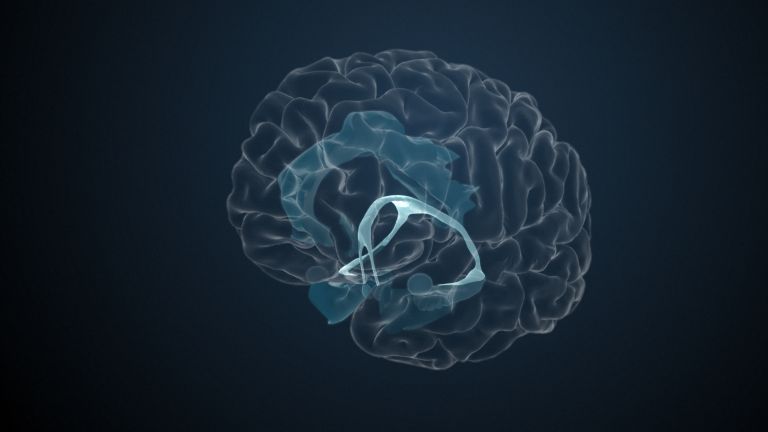
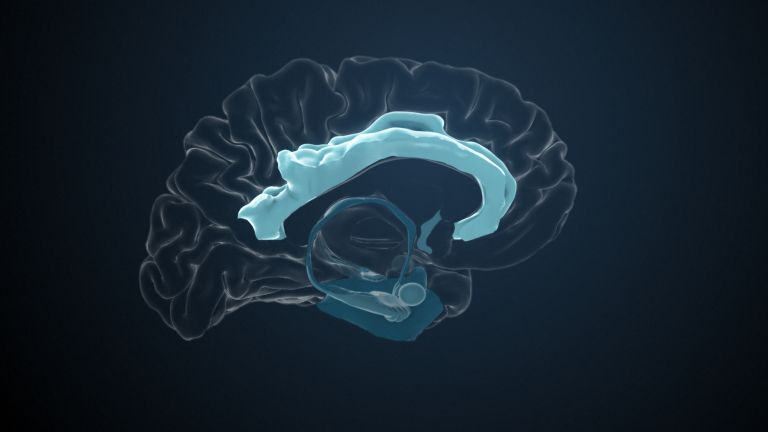
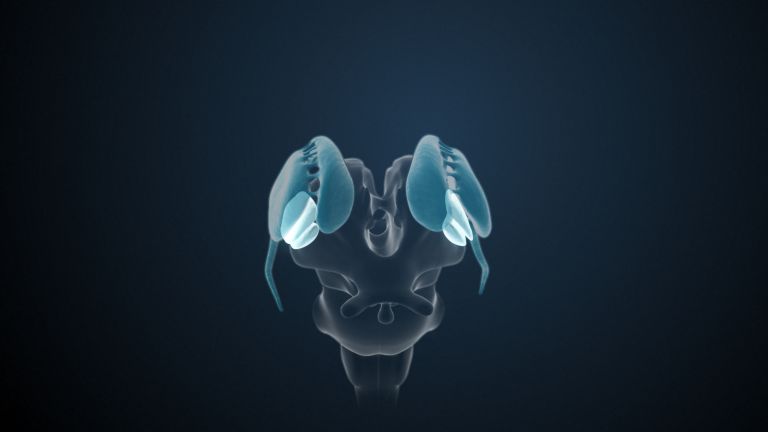
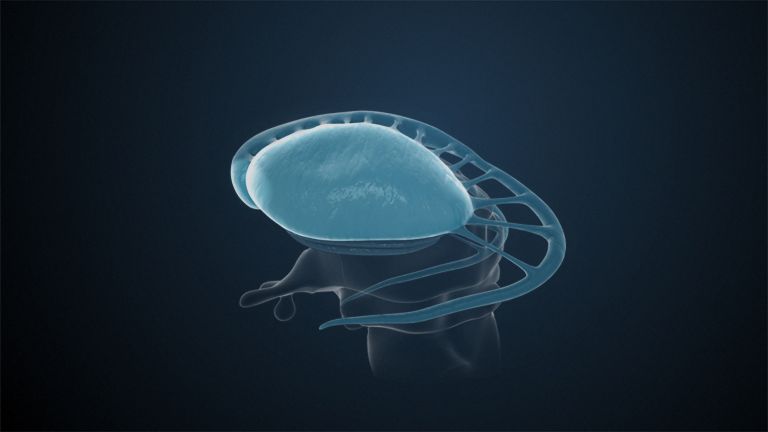
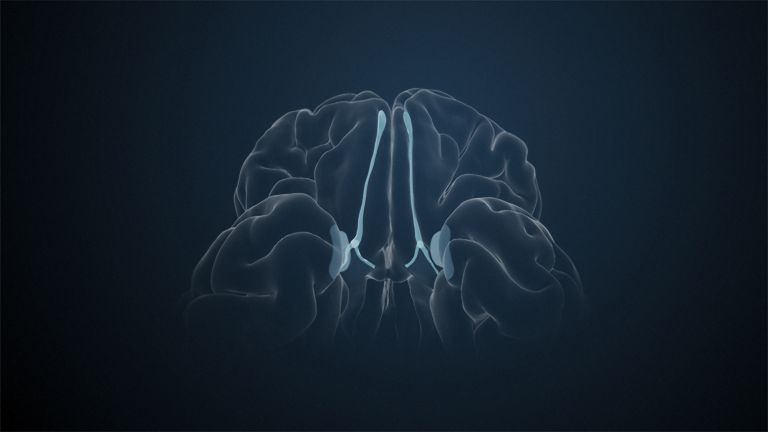
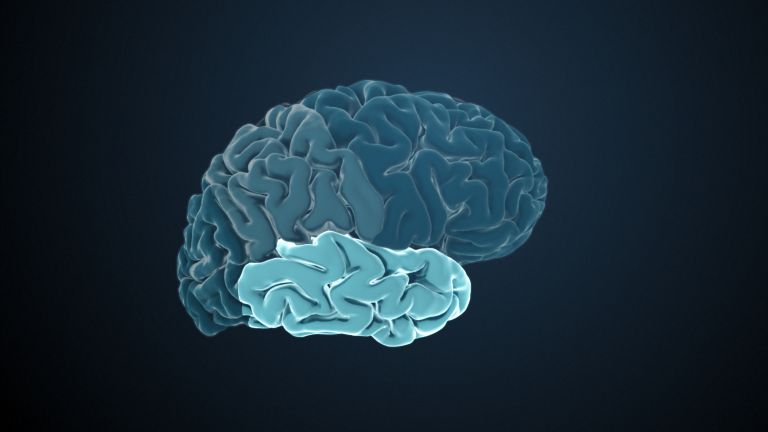
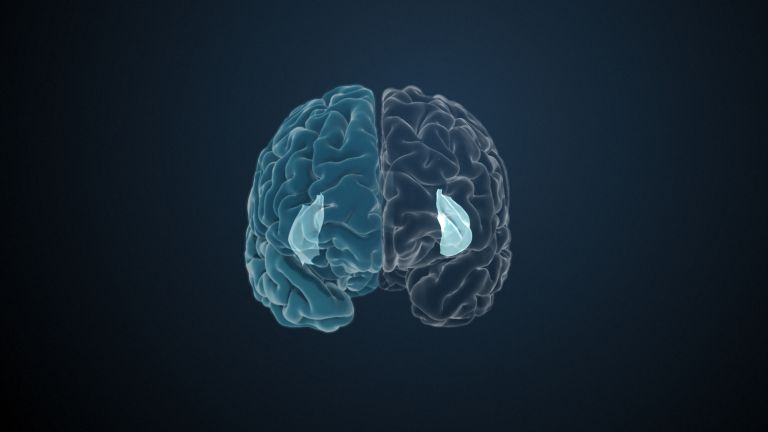
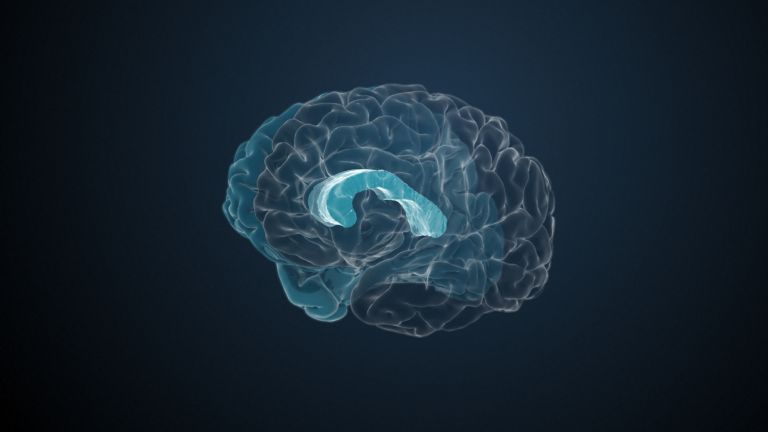
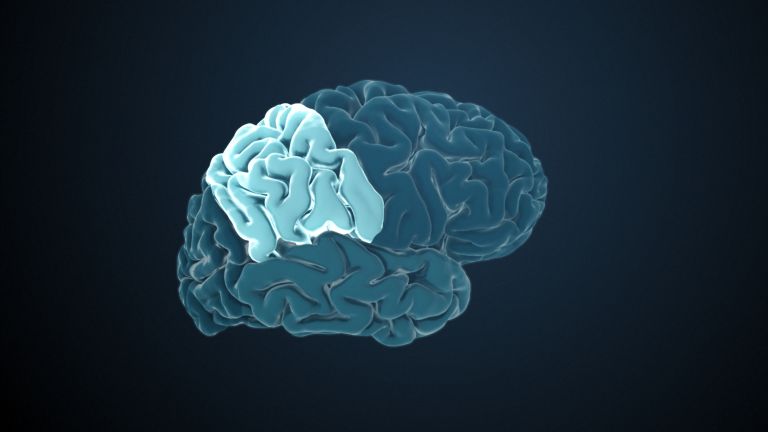
Today, most scientists include the hippocampus, the cingulate gyrus, the parahippocampal gyrus, the amygdala, and the corpus mammillare in the limbic system. There is also discussion about extending the limbic system to include the olfactory brain – including the septum – and parts of the thalamus. At this point, it becomes clear that the limbic system is not defined topographically by the local proximity of structures, but rather by their functional connections.
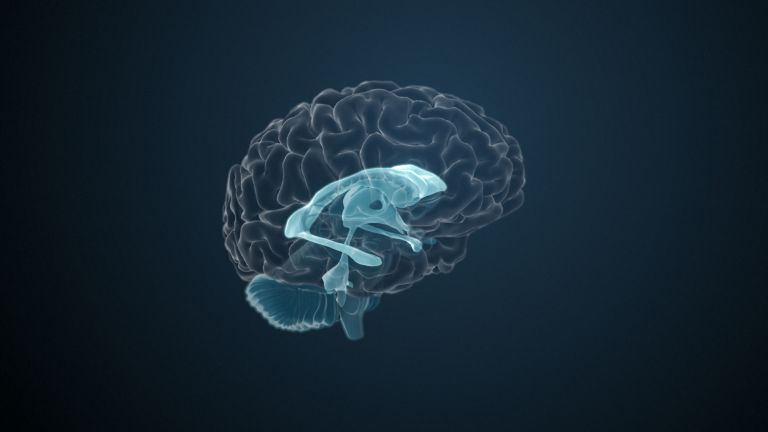
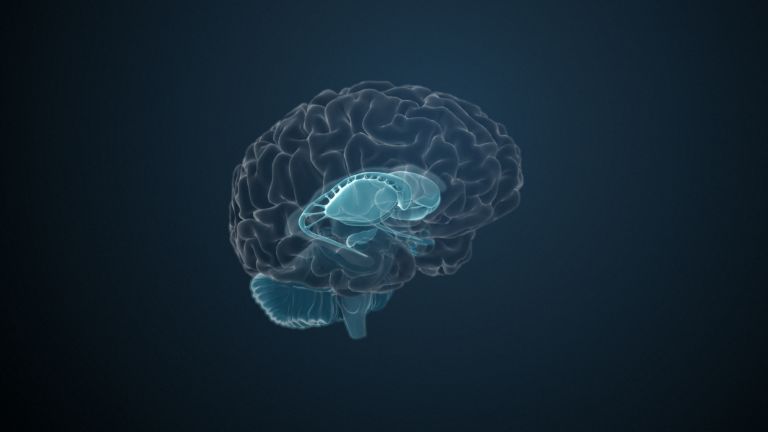
And indeed, the structures involved are closely linked. Numerous studies suggest that the limbic system controls at least part of our affective behavior and thus influences emotions and sexuality. It also plays a central role in the storage of memory content and is thus involved in learning processes. Particularly important here is the Papez circuit, named after the US neurologist James Papez, who discovered this circuit in the 1930s.


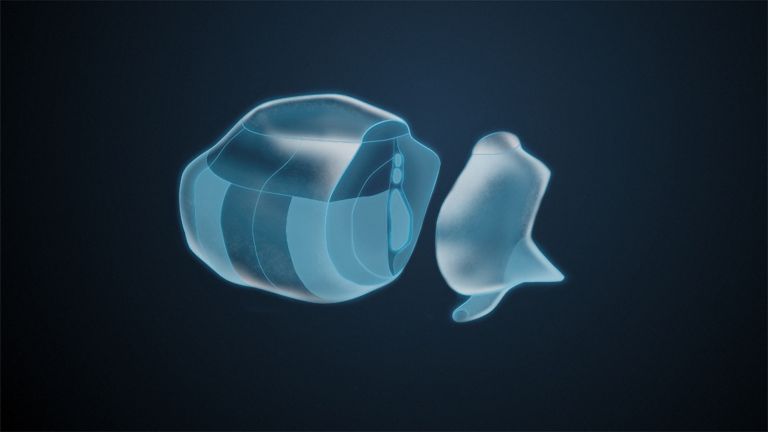
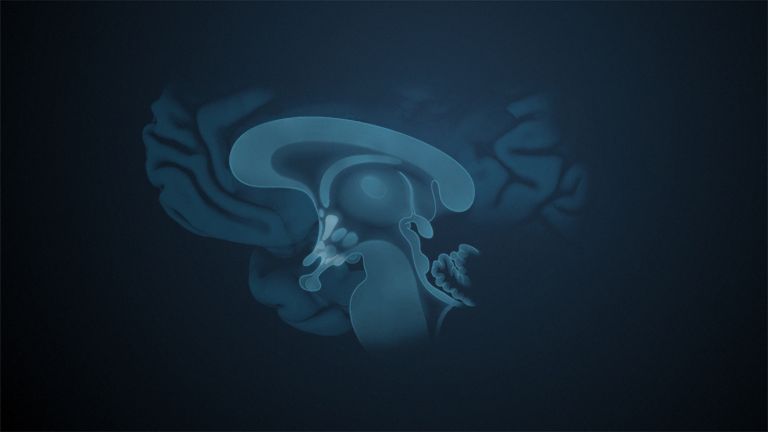
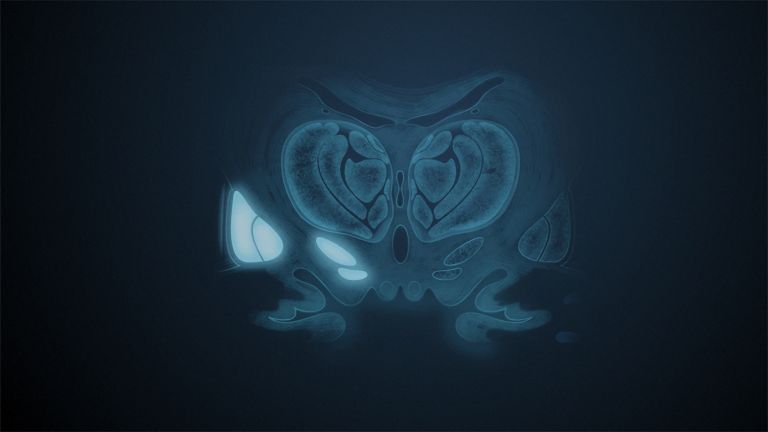
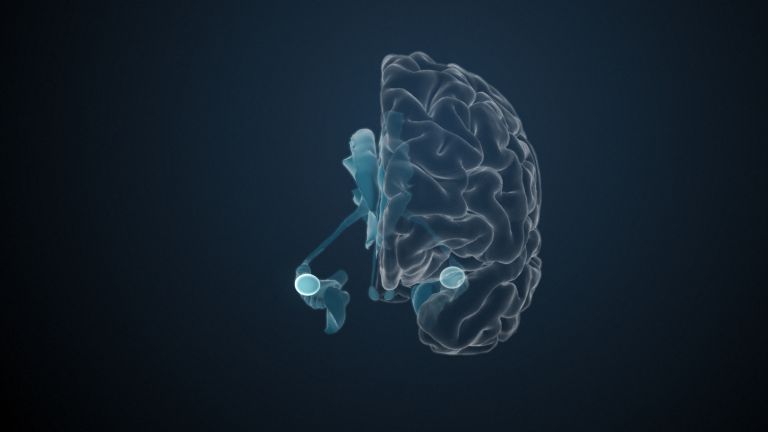
The Papez circuit
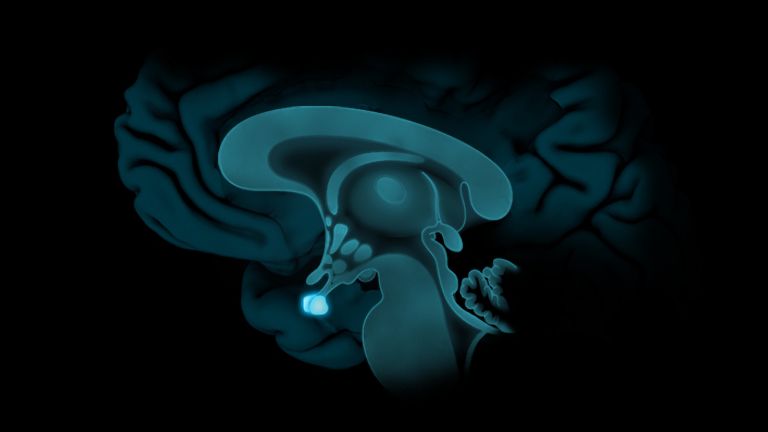
he Papez circuit runs from the hippocampus via the fornix to the mammillary bodies and on via the thalamus to the cingulate gyrus, which in turn projects back to the hippocampus. This closes a circuit that is essential for memory: if it is interrupted by surgery or lesions, patients lose the ability to store new memories. Although they remember their past – the older the memory, the better – the pathway from short-term to long-term memory is destroyed.
Disorders of the limbic system are also repeatedly associated with unusual emotions or moods, such as schizophrenia or bipolar disorder, anxiety or aggression disorders, but also depression.
Controversial but significant
The limbic system consists of a closely networked group of brain areas that send signals to various parts of the cerebrum, but also to the brain stem. Important components are the hippocampus, cingulate gyrus, parahippocampal gyrus, amygdala, and corpus mamillare.
The definition of the limbic system is controversial because it is a historically influenced term whose functions cannot be clearly delineated as was previously assumed. This applies in particular to the processing of emotions, which in isolated cases is still attributed solely to the limbic system today. We now know that although limbic structures play an important role in the processing of emotions, learning, and memory, they are embedded in a much larger networks.
First published on November 14, 2011
Updated on December 22, 2023