Even simple movements require complex interaction between the brain, spinal cord, and muscles.
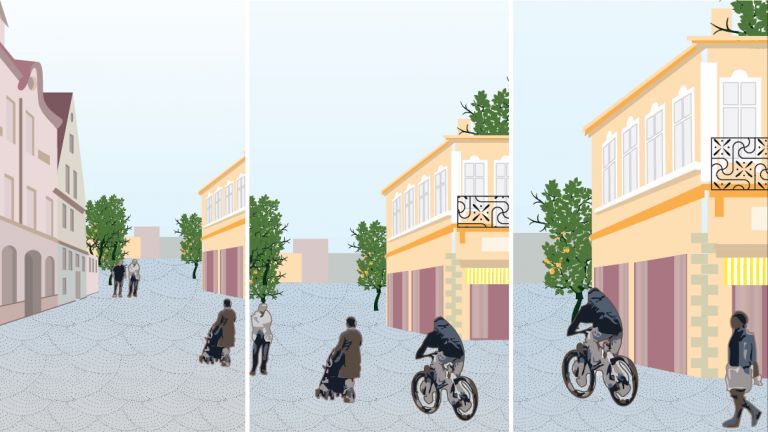
To prevent animals from bumping into one another, their sensory organs and motor skills are in constant communication.
Motor skills play a bigger role in vision than previously thought
More and more people are suffering from dementia – a challenge for hospitals.
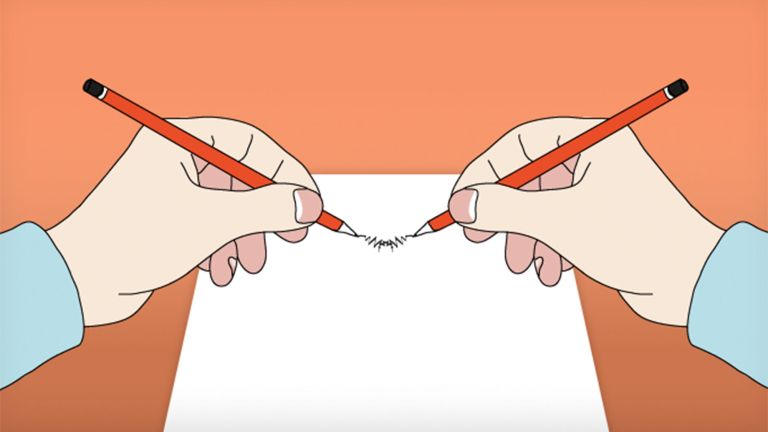
When left-handed people were retrained to use their right hand, their brains were also retrained.
The primary motor cortex triggers movements – how this happens remains a mystery to researchers to this day.
Stefan Schneider uses EEG to investigate how people can be motivated to exercise.
Thanks to motor pathways from the brain to the spinal cord, we can move at lightning speed.
Every arbitrary movement is planned, organized, and sent for execution in the brain.
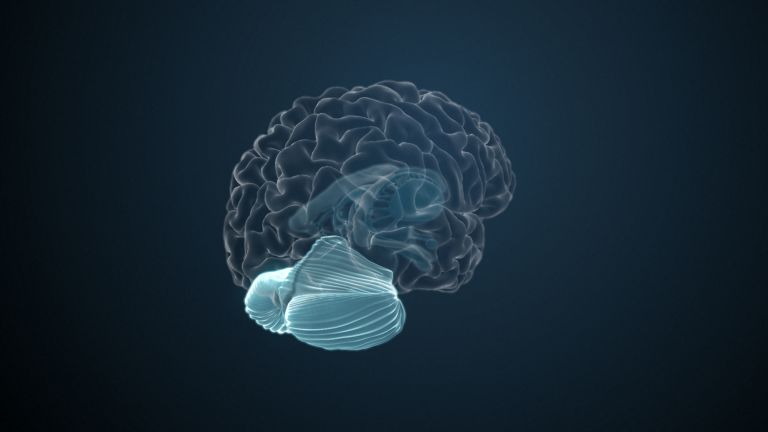
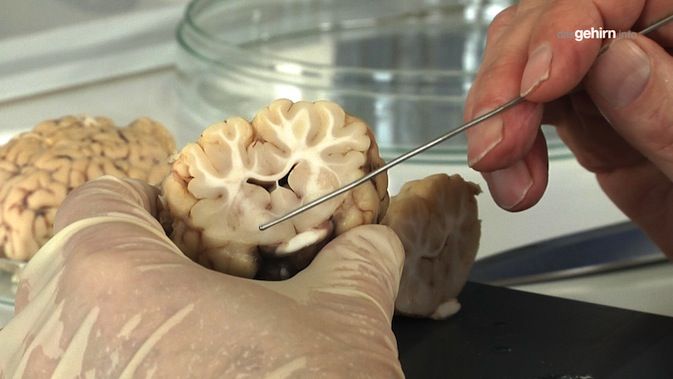
The cerebellum and basal ganglia are responsible for the precise execution of movements.
Many areas of the brain are involved in planning complex movements such as throwing a ball.
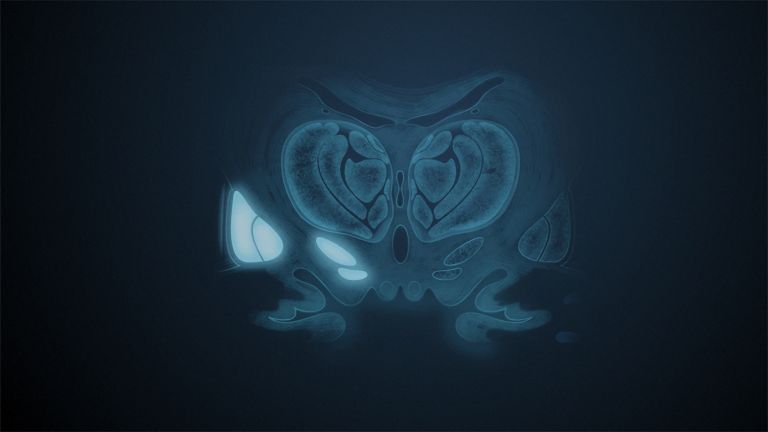
Important neurotransmitters, an astonishing array of colors, and a water pipe – that's the midbrain.
The name is not correct, but it is involved in motor function, taste, and important vegetative functions.
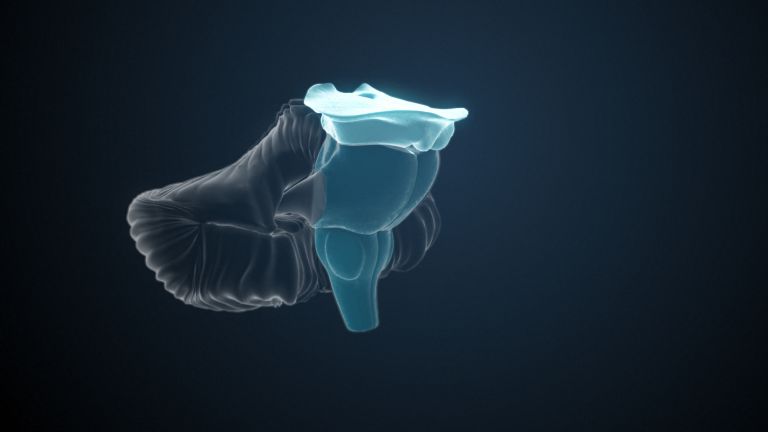
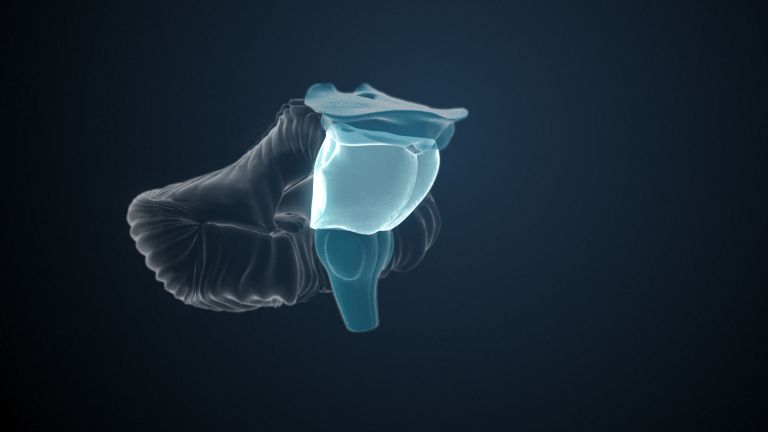
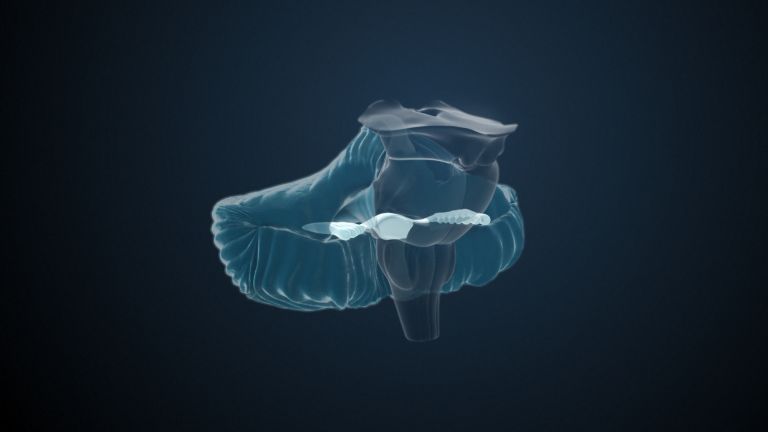
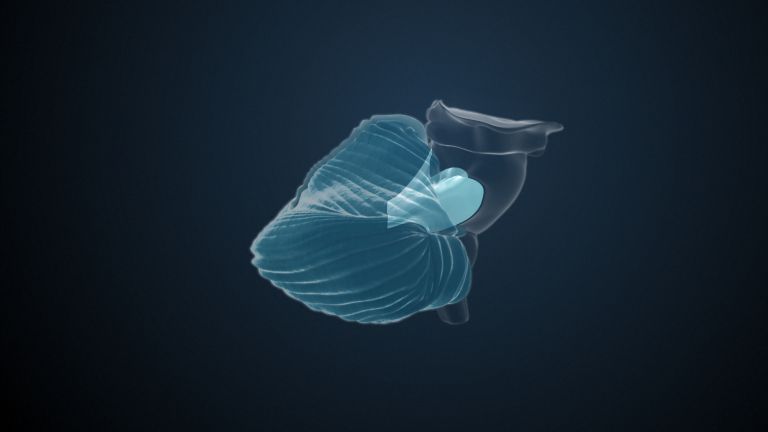
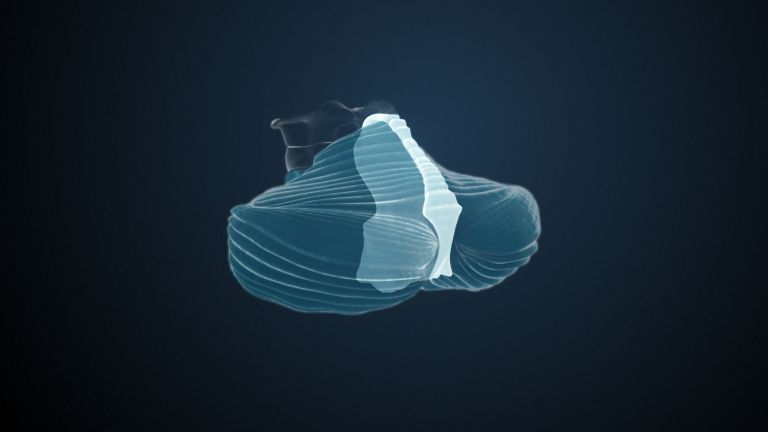
The oldest part of the cerebellum is primarily concerned with balance.
Always up to date: Three fiber tracts connect the cerebellum with the rest of the brain.
Enormous interconnection density in a small space ensures coordination of voluntary movements.
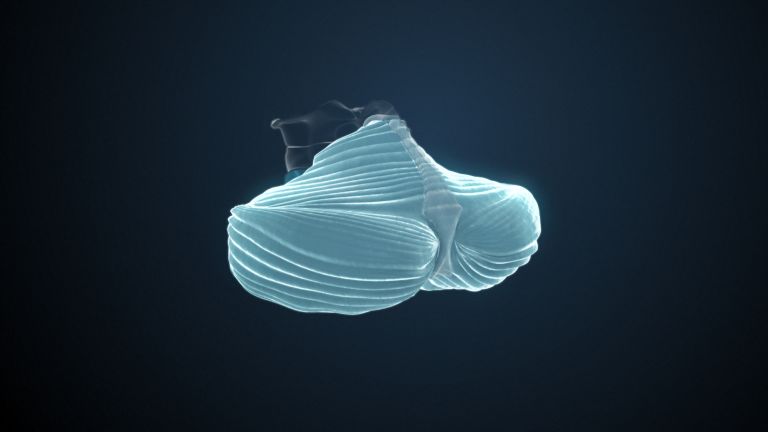
The worm in our heads, inlcuding a tongue, pyramid, and more. But it's a good one, helping us walk.
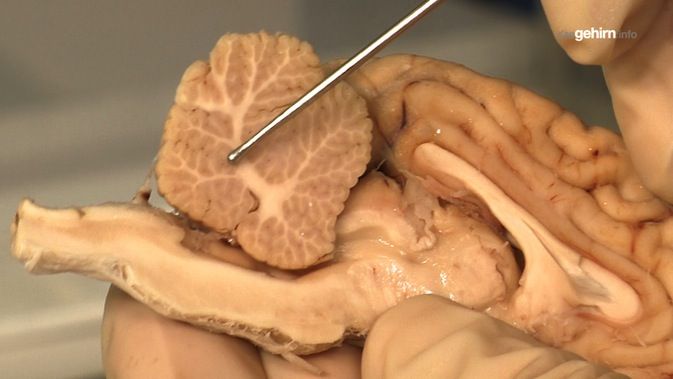
Highly aesthetic, but long underestimated: the cerebellum does more than just coordinate movements.
The structure is complex, the tasks are varied. It supports the senses, motor skills, and psyche.
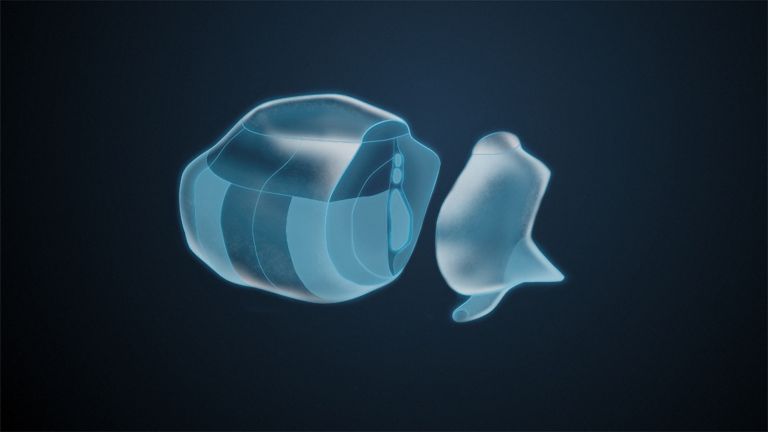
A pale nucleus and an excitatory lens, and the zone of uncertainty – that is the subthalamus.
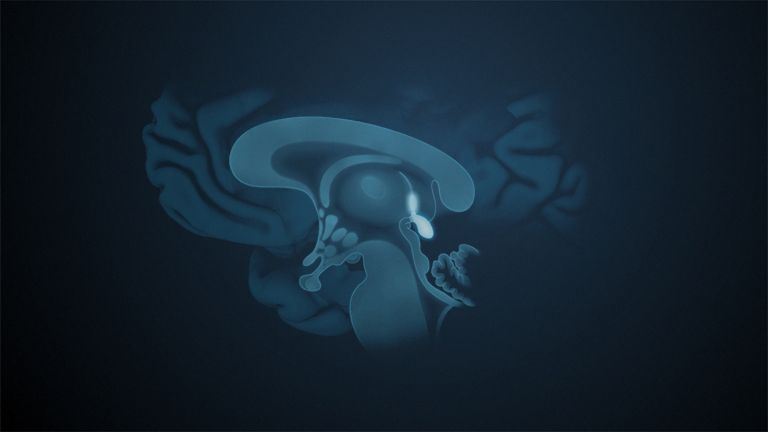
Probably not the seat of the soul after all: the pineal gland in the epithalamus.
The palladium provides a prime example of a highly complex feedback loop.
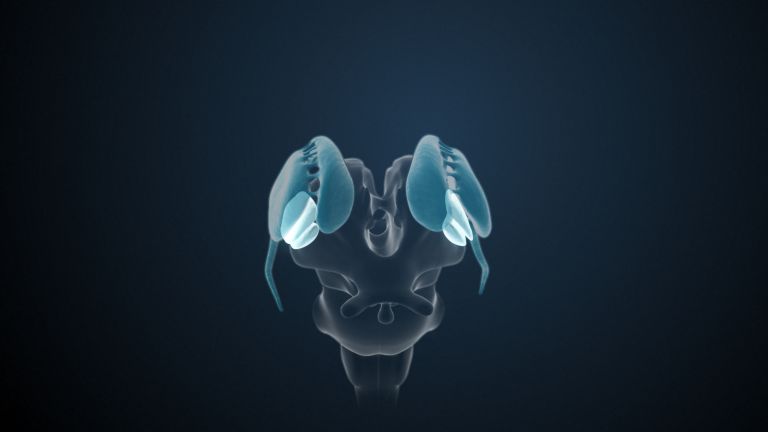
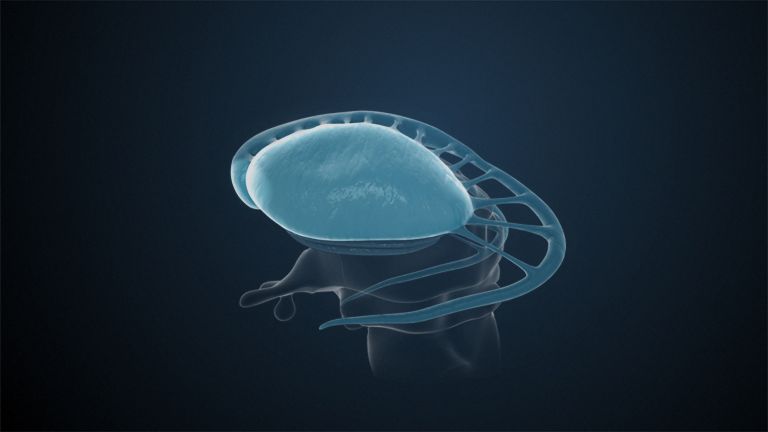
The striatum is not only about complex motor skills, but also about happiness.
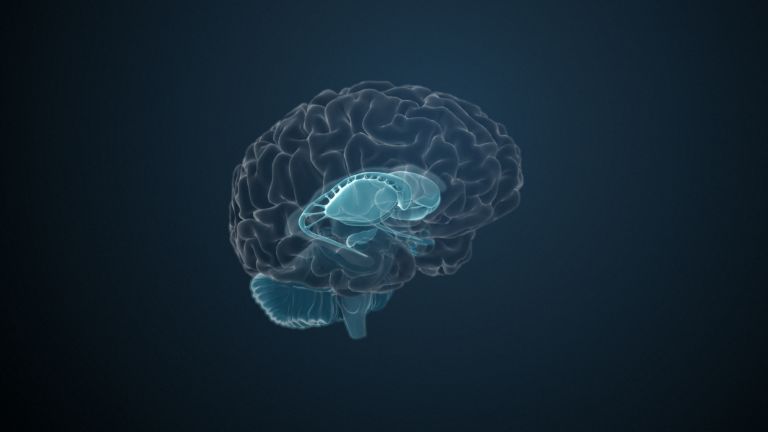
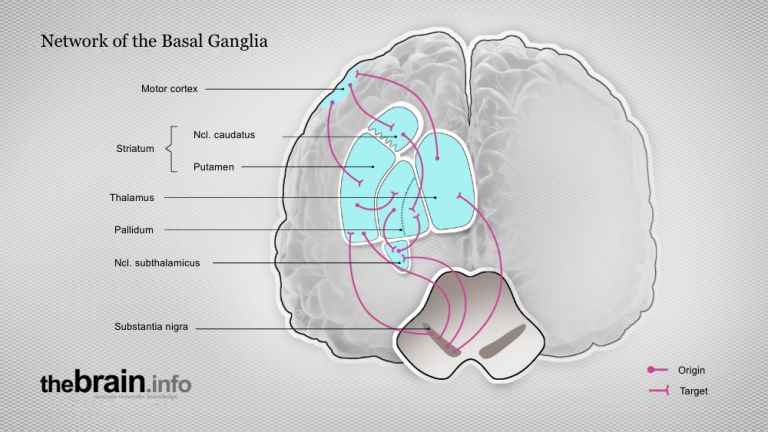
Whenever we perform a deliberate movement, core areas deep within the brain are involved.
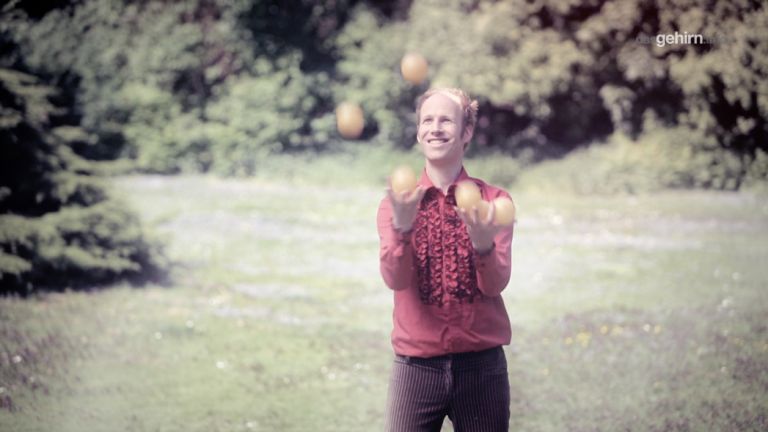
The brain changes depending on the demands placed on it—for example, juggling. Join in!
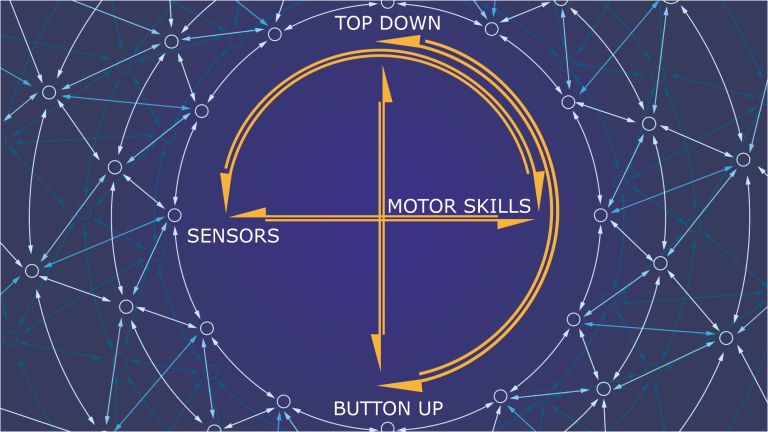
Forget about bottom-up and top-down – it’s actually quite different and, of course, much more complicated. Keywords: active sensing and predictive coding.
The basal ganglia control motor function and happiness – but in sheep, only unhappiness has been proven.
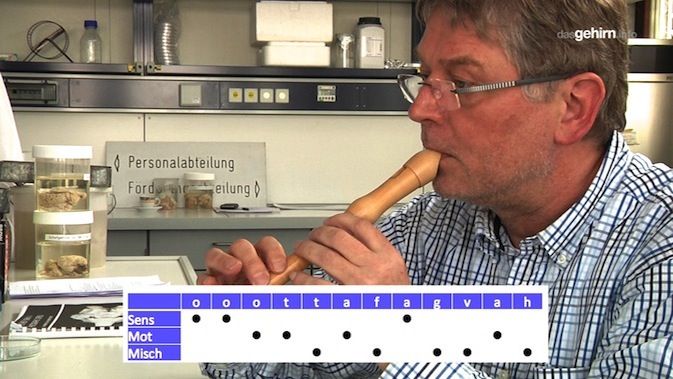
There are twelve cranial nerves that plague students. Here is a musical mnemonic device.
Fine motor skills are controlled in the cerebellum. Time plays a particularly important role in this process.
Our neurons form networks – but we are only now beginning to realize just how sophisticated our brain’s feedforward and feedback networks are.
One nucleus inhibits the other, only so that the cortex can ultimately be stimulated.