Network of the Basal Ganglia
Published: 13.07.2015
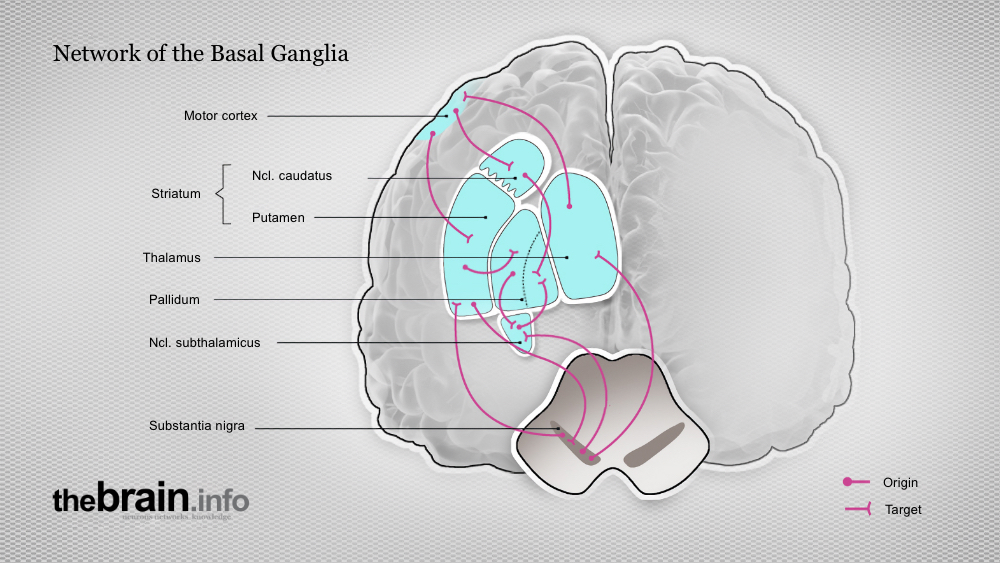
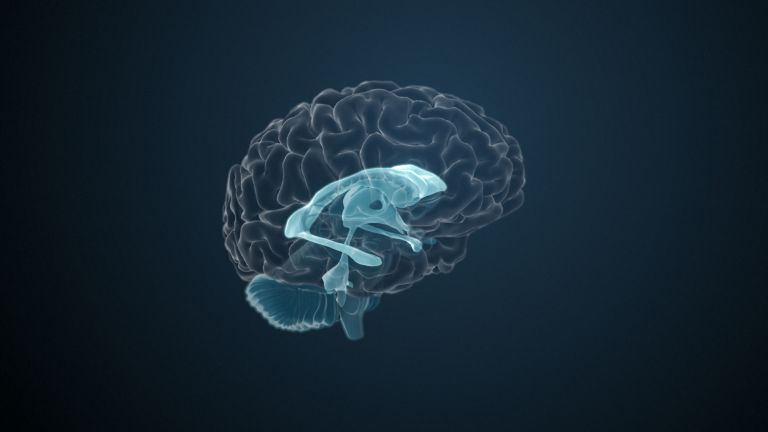
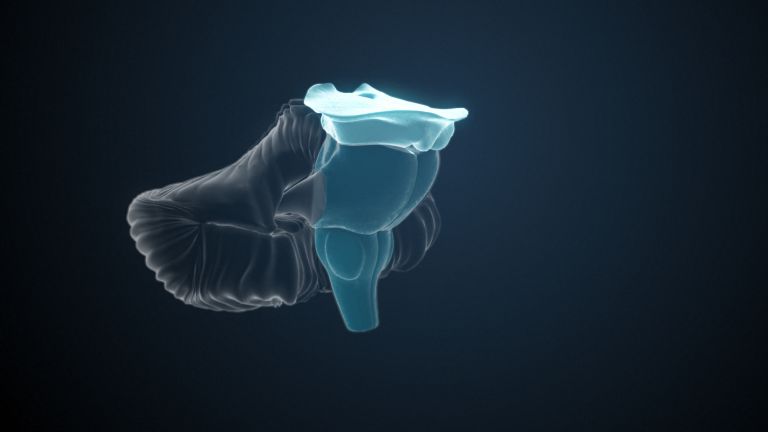
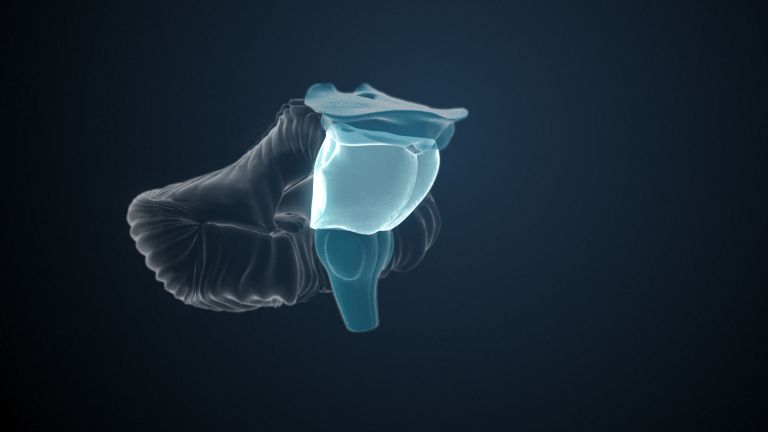
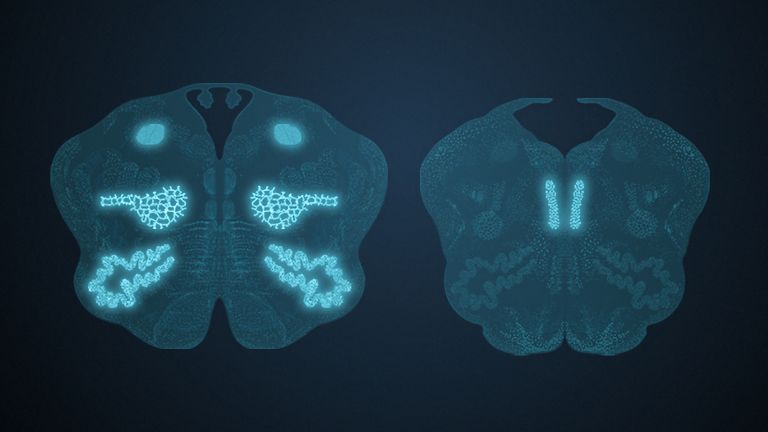
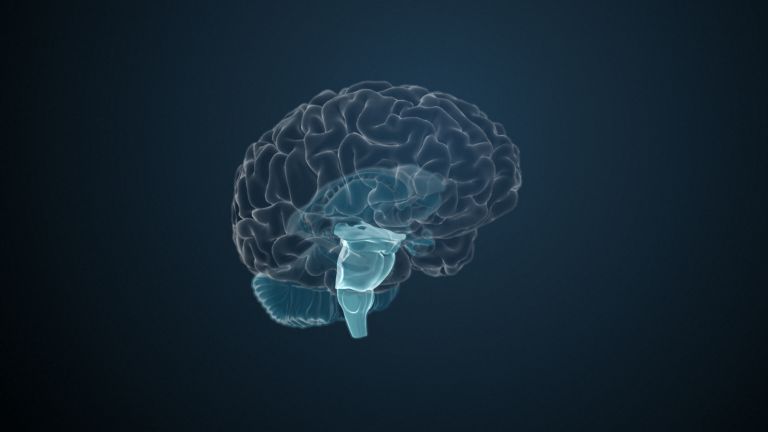
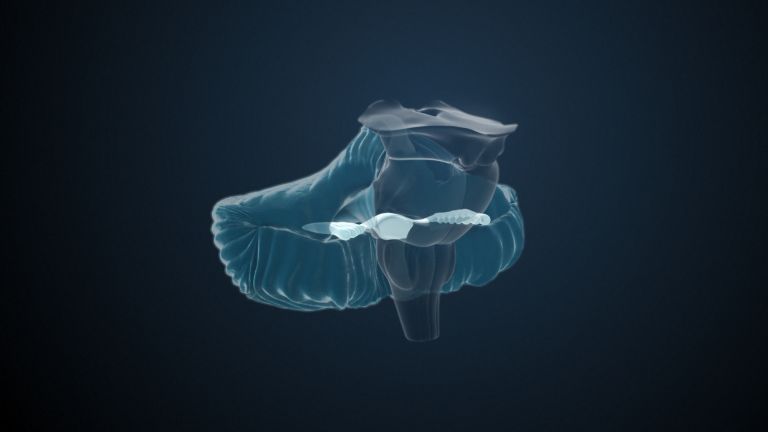
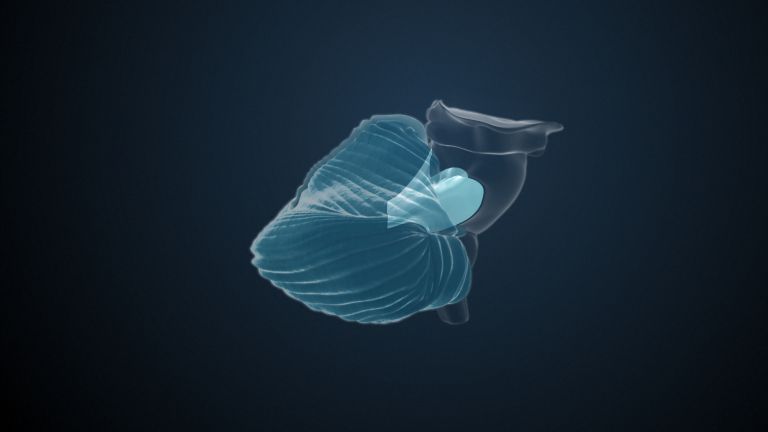
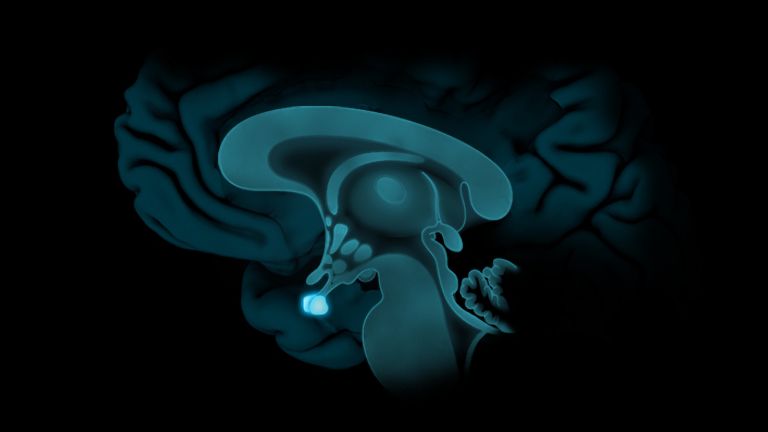
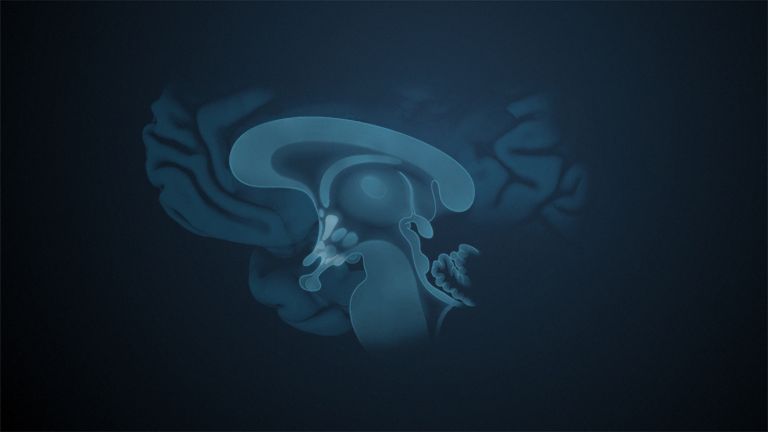
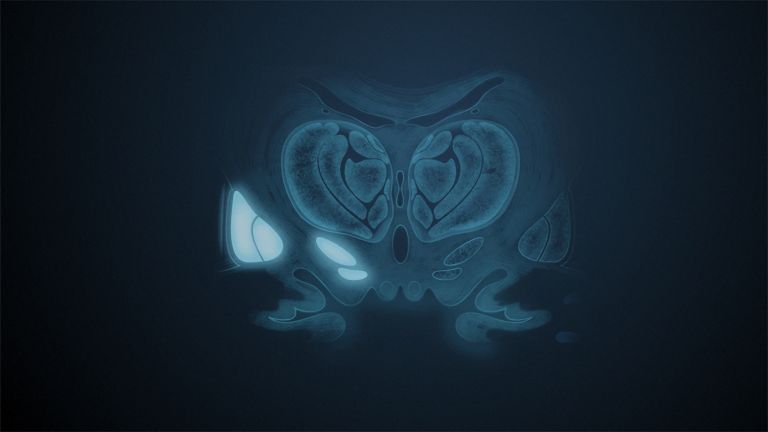
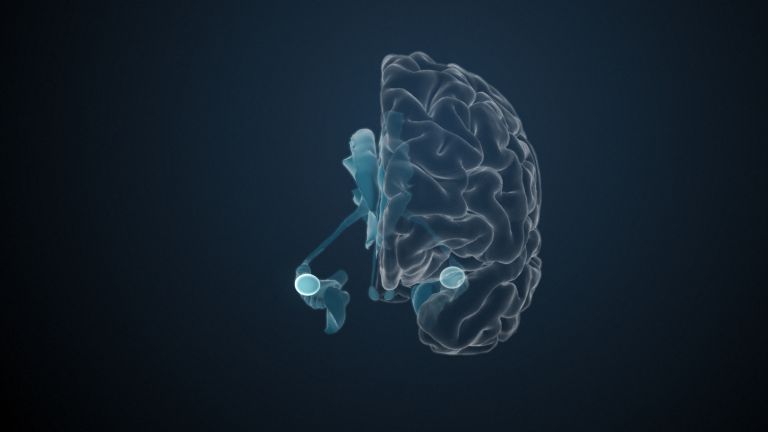
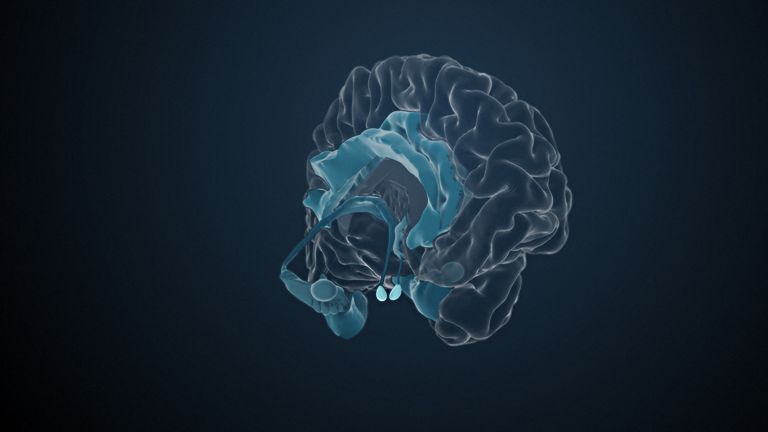
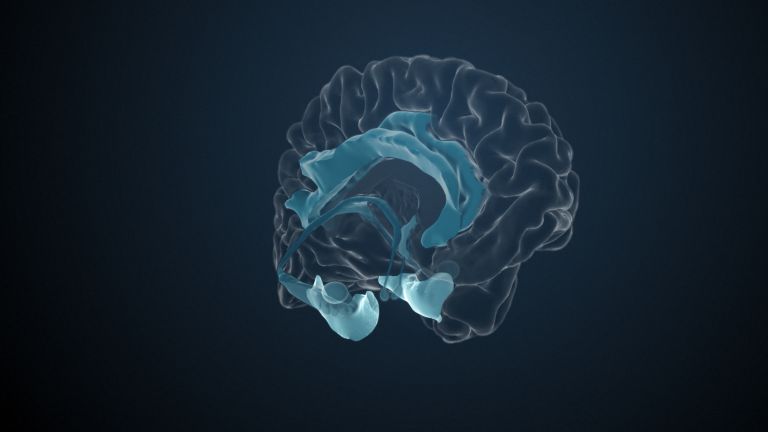
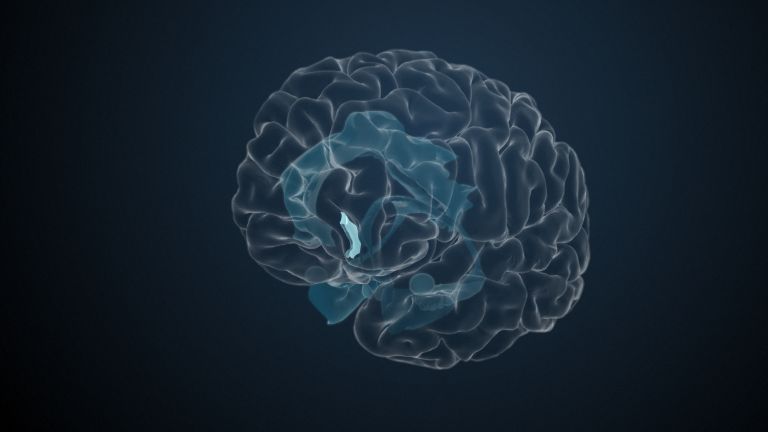
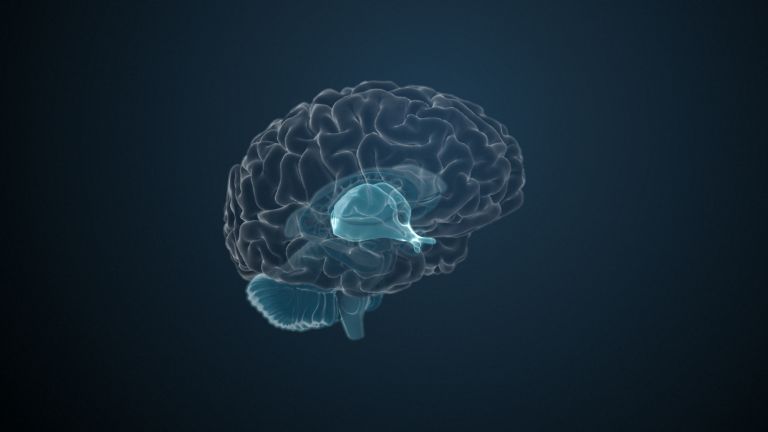
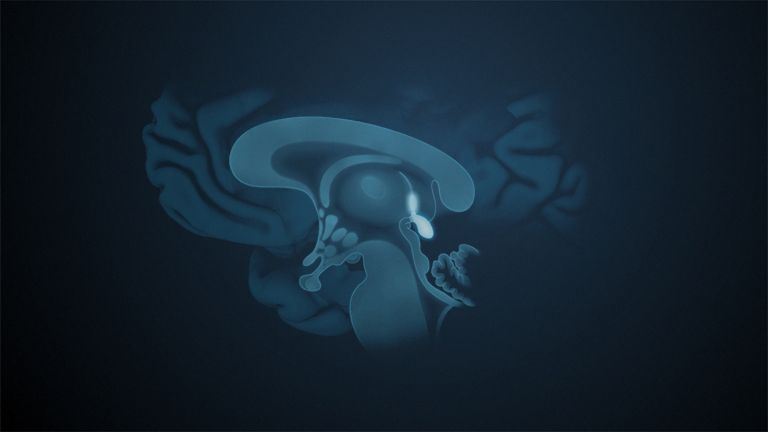
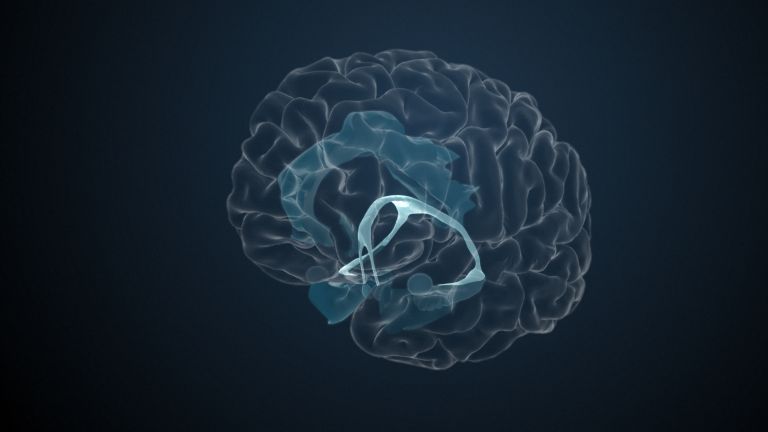
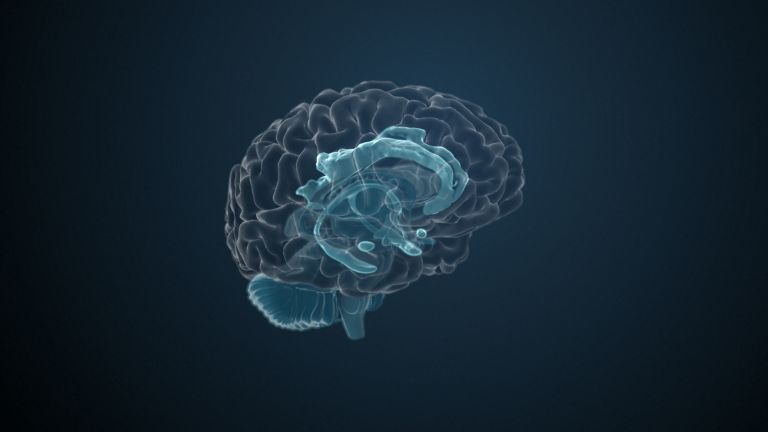
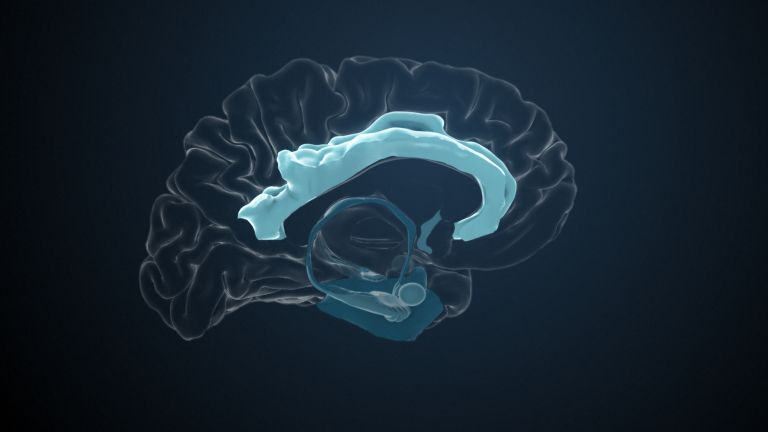
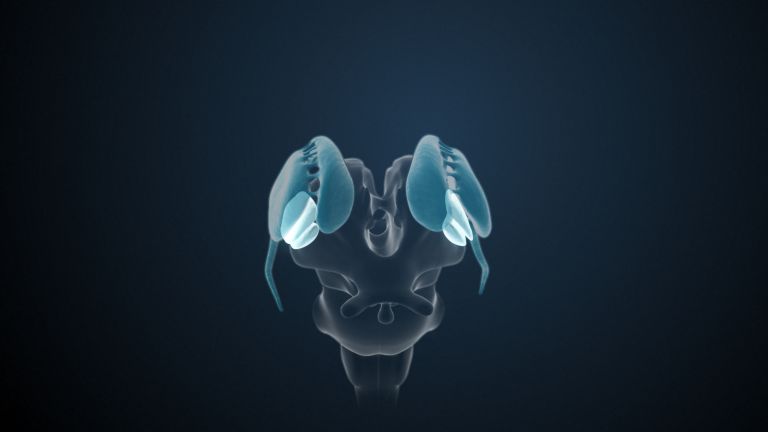
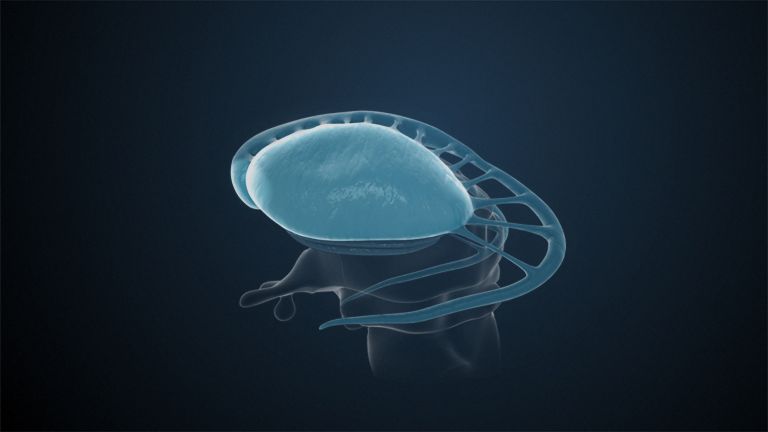
The Basal ganglia process motor information via complex control loops. The striatum, consisting of the Caudate Nucleus and putamen, processes stimuli from the Cortex into inhibitory signals to the Substantia nigra and Pallidum. The Substantia nigra immediately sends inhibitory signals back to the striatum, thereby inhibiting its inhibitory power. The Pallidum inhibits the thalamus and Subthalamus. The subthalamus, in turn, excites the pallidum, thereby amplifying its inhibitory signals. Finally, the thalamus transmits the result of this complex interconnection to the Cortex as a finely modulated motor signal.
Basal ganglia
Nuclei basales
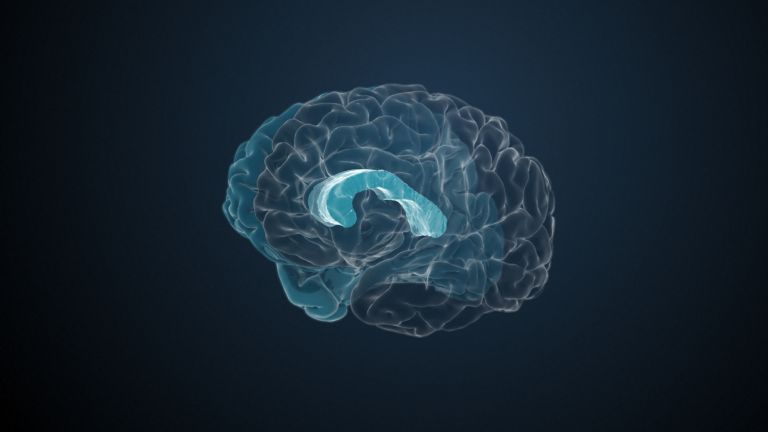
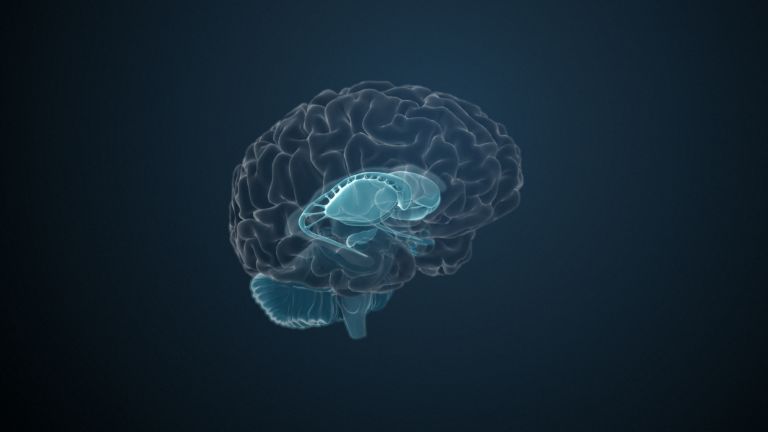
The Basal ganglia are a group of subcortical nuclei (located beneath the cerebral cortex) in the telencephalon. The basal ganglia include the globus pallidus and the striatum, and, depending on the author, other structures such as the substantia nigra and the Subthalamic nucleus The basal ganglia are primarily associated with voluntary motor function, but they also influence motivation, learning, and emotion.
Caudate nucleus
nucleus caudatus
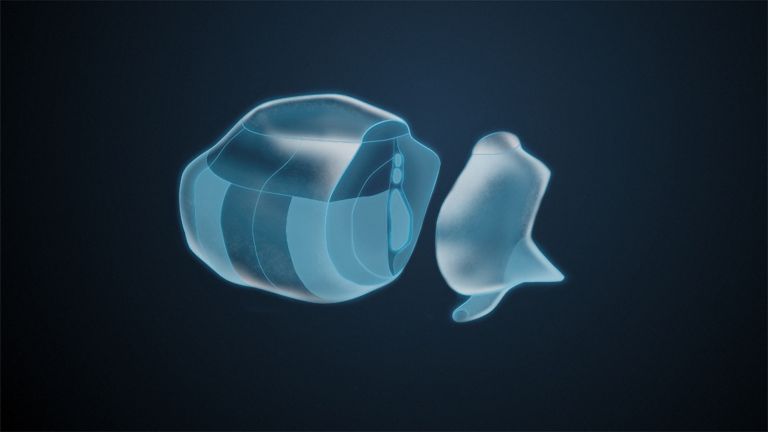
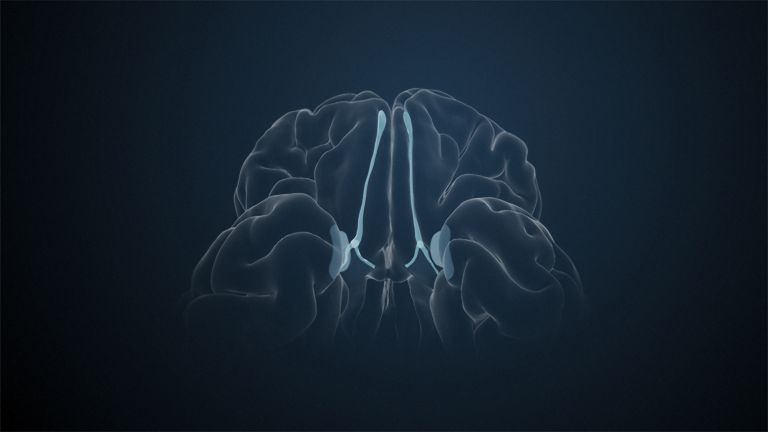
Part of the basal ganglia, it forms the Striatum together with the Putamen. Anatomically, the Caudate nucleus is located frontally in the center of the brain and extends backward, forming a C shape. It consists of a head (caput nuclei caudati), a body (corpus nuclei caudati), and a tail (cauda nuclei caudati). In contrast to the more motor-related parts of the basal ganglia, this area is strongly connected to the Prefrontal cortex in addition to its motor functions. As a result, this part of the striatum is also heavily involved in cognition, motivation, and emotion.
Cortex
cortex cerebri
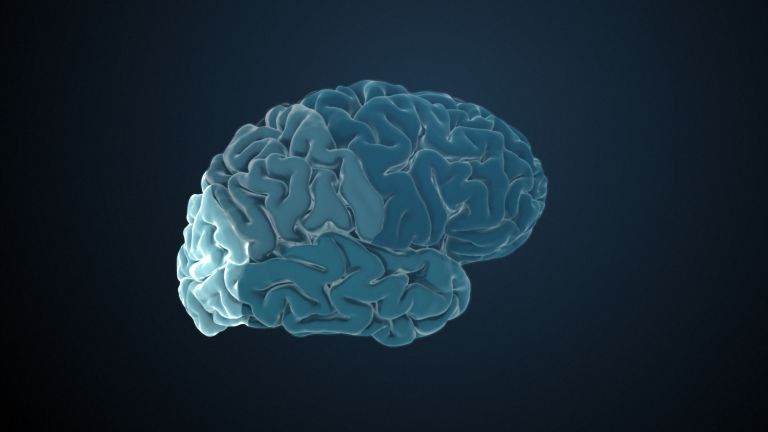
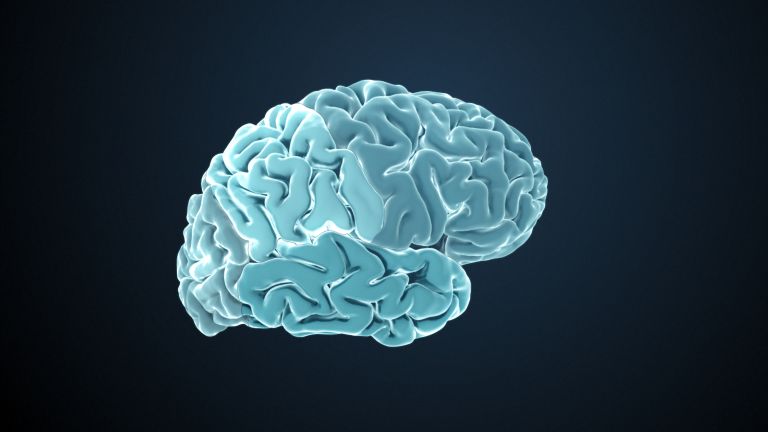
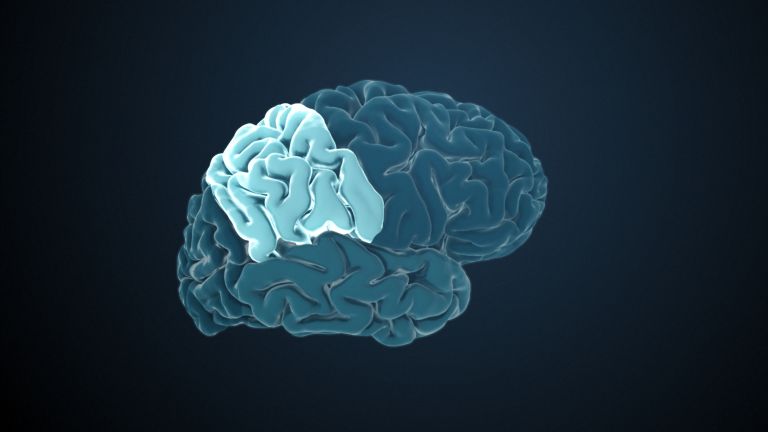
Cortex refers to a collection of neurons, typically in the form of a thin surface. However, it usually refers to the cerebral cortex, the outermost layer of the Cerebrum. It is 2.5 mm to 5 mm thick and rich in nerve cells. The cerebral cortex is heavily folded, comparable to a handkerchief in a cup. This creates numerous convolutions (gyri), fissures (fissurae), and sulci. Unfolded, the surface area of the cortex is approximately 1,800cm².
Substantia nigra
A nucleus complex in the ventral mesencephalon that plays a central role in initiating and modulating movement. It appears dark due to neuromelanin. Its dopaminergic neurons project via the nigrostriatal pathways to the putamen and caudate nucleus. Failure of these neurons leads to the typical symptoms of Parkinson's disease.
Pallidum
globus pallidus
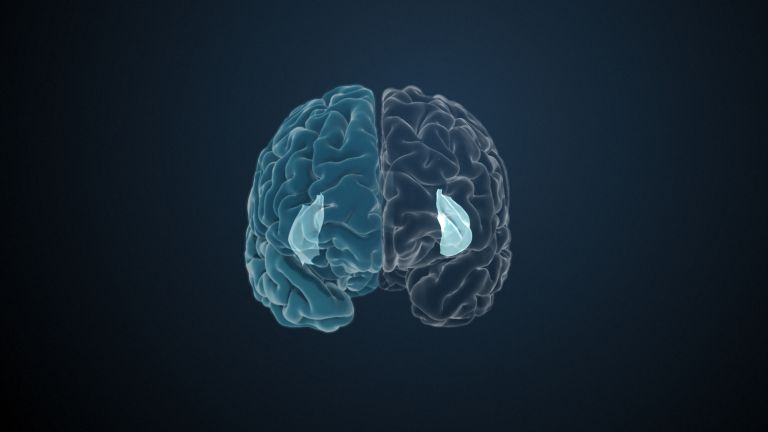
The globus pallidus, also known as the pallidum, is an important nucleus of the basal ganglia. It is a motor nucleus of the Extrapyramidal system involved in the regulation of movement. The pallidum has an inhibitory and an excitatory part. The Latin name pallidus – pale – refers to the color of this nucleus.
subthalamus/-/subthalamus
The subthalamus is an area of the Diencephalon located ventrally below the thalamus. It includes the subthalamic nucleus, which functionally belongs to the basal ganglia network. The subthalamus plays an important role in the regulation and Inhibition of movement sequences and in impulse control.
Nucleus
In cell biology, the nucleus in a cell is the cell nucleus, which contains the chromosomes, among other things. In neuroanatomy, the nucleus in the nervous system refers to a collection of cell bodies – known as gray matter in the central nervous system and ganglia in the peripheral nervous system.
Substantia nigra
A nucleus complex in the ventral mesencephalon that plays a central role in initiating and modulating movement. It appears dark due to neuromelanin. Its dopaminergic neurons project via the nigrostriatal pathways to the putamen and caudate nucleus. Failure of these neurons leads to the typical symptoms of Parkinson's disease.
Pallidum
globus pallidus
The globus pallidus, also known as the pallidum, is an important nucleus of the basal ganglia. It is a motor nucleus of the extrapyramidal system involved in the regulation of movement. The pallidum has an inhibitory and an excitatory part. The Latin name pallidus – pale – refers to the color of this nucleus.
Cortex
cortex cerebri
Cortex refers to a collection of neurons, typically in the form of a thin surface. However, it usually refers to the cerebral cortex, the outermost layer of the cerebrum. It is 2.5 mm to 5 mm thick and rich in nerve cells. The cerebral cortex is heavily folded, comparable to a handkerchief in a cup. This creates numerous convolutions (gyri), fissures (fissurae), and sulci. Unfolded, the surface area of the cortex is approximately 1,800cm².
Basal ganglia
Nuclei basales
The basal ganglia are a group of subcortical nuclei (located beneath the cerebral cortex) in the telencephalon. The basal ganglia include the globus pallidus and the striatum, and, depending on the author, other structures such as the substantia nigra and the subthalamic nucleus. The basal ganglia are primarily associated with voluntary motor function, but they also influence motivation, learning, and emotion.
Subthalamic nucleus
Nucleus subthalamicus
Although the subthalamic nucleus is a nucleus of the subthalamus in the diencephalon, it is functionally closely integrated into the motor control of the basal ganglia. It plays a role in impulse control, movement control, and inhibition of unwanted movements. Damage to this nucleus can lead to temporary, uncontrolled, jerky movements of the extremities – known as ballism. Doctors have already achieved successful treatment outcomes in both obsessive-compulsive disorder and Parkinson's disease by artificially stimulating this region with a neuroimplant.
Striatum
Corpus striatum
The striatum is a central structure of the basal ganglia. It consists of the caudate nucleus and putamen; the nucleus accumbens is also functionally part of it as its ventral portion. As the most important input structure of the basal ganglia, the striatum plays an essential role in controlling movement sequences as well as in cognition, motivational processes, and the reward system.
Putamen
A nucleus of the basal ganglia that, together with the caudate nucleus, forms the striatum. As part of the extrapyramidal motor system, it is involved in voluntary motor function (intentional movement).
Caudate nucleus
nucleus caudatus
Part of the basal ganglia, it forms the striatum together with the putamen. Anatomically, the caudate nucleus is located frontally in the center of the brain and extends backward, forming a C shape. It consists of a head (caput nuclei caudati), a body (corpus nuclei caudati), and a tail (cauda nuclei caudati). In contrast to the more motor-related parts of the basal ganglia, this area is strongly connected to the prefrontal cortex in addition to its motor functions. As a result, this part of the striatum is also heavily involved in cognition, motivation, and emotion.
Prefrontal cortex
Prefrontal cortex
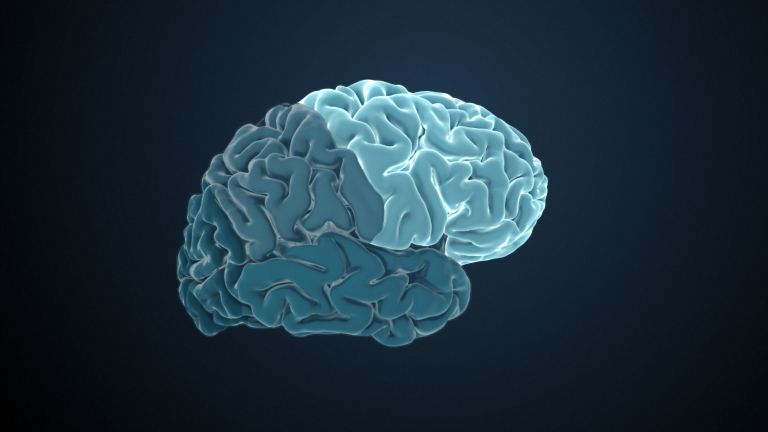
The prefrontal cortex (PFC) forms the front part of the frontal lobe and is one of the brain's most important integration and control centers. It receives highly processed information from many other areas of the cortex and is responsible for planning, controlling, and flexibly adapting one's own behavior. Its central tasks include executive functions, working memory, emotion regulation, and decision-making. In addition, the PFC plays an important role in the cognitive evaluation and modulation of pain.
Cerebrum
telencephalon
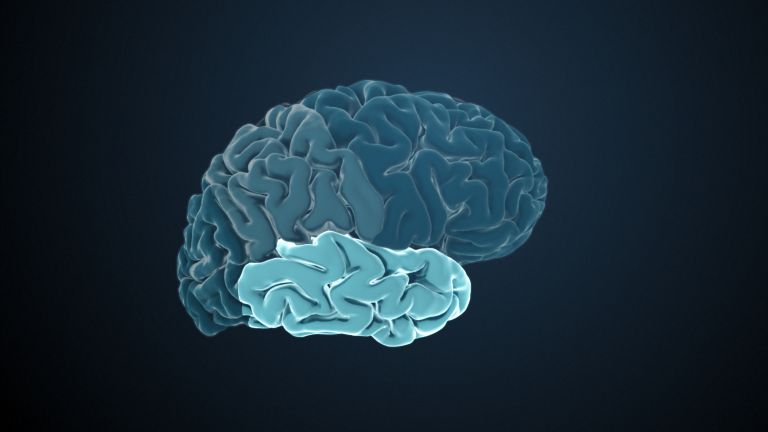
The cerebrum comprises the cerebral cortex (gray matter), the nerve fibers (white matter), and the basal ganglia. It is the largest part of the brain. The cortex can be divided into four cortical areas: the temporal lobe, frontal lobe, occipital lobe, and parietal lobe.
Its functions include the coordination of perception, motivation, learning, and thinking.
ventral
A positional term – ventral means "towards the abdomen." In relation to the nervous system, it refers to a direction perpendicular to the neural axis, i.e., downwards or forwards.
In animals (that do not walk upright), the term is simpler, as it always means toward the abdomen. Due to the upright posture of humans, the brain bends in relation to the spinal cord, making ventral mean "forward."
Extrapyramidal system
The extrapyramidal system refers to a series of structures in the brain that play a key role in influencing motor function but are not part of the pyramidal tract. It consists of multisynaptic neuron chains. The extrapyramidal system includes numerous nuclei such as the striatum, pallidum, nucleus ruber, and substantia nigra.
excitatory
Exciting synapses are described as excitatory when they depolarize the subsequent cell membrane and can thus lead to the formation of an action potential. An excitatory effect is usually produced by an exciting transmitter (messenger substance), such as glutamate. The opposite is an inhibitory synapse.
Subthalamus
subthalamus/-/subthalamus
The subthalamus is an area of the diencephalon located ventrally below the thalamus. It includes the subthalamic nucleus, which functionally belongs to the basal ganglia network. The subthalamus plays an important role in the regulation and inhibition of movement sequences and in impulse control.
Diencephalon
The diencephalon (midbrain) includes the thalamus and hypothalamus, among other structures. Together with the cerebrum, it forms the forebrain. The diencephalon contains centers for sensory perception, emotion, and the control of vital functions such as hunger and thirst.
Inhibition
Neuronal inhibition describes the phenomenon whereby a sender neuron sends an impulse to a receiver neuron, causing the latter's activity to decrease. The most important inhibitory neurotransmitter is GABA.