
The Team
Portal management
thebrain.info is headed by

Arvid Leyh
Editor-in-chief
a.leyh@dasgehirn.info
Arvid Leyh is quite passionate about the brain because he wants to treat his own in a species-appropriate way. Until 2015, he produced Braincast, a podcast that provided information about the mind and brain in audio and video. He nurtured the idea for thebrain.info for years until he found a partner in the non-profit Hertie Foundation in 2007 who understood the project.
Editorial team
The editorial team at thebrain.info consists of a group of editors and freelance journalists who all have one thing in common: a fascination with the brain.

Stefanie Reinberger
Editor-in-chief
Stefanie Reinberger initially studied biology. While working on her doctorate in virology, she developed a desire to become a science journalist – a dream she enthusiastically pursued. Thematically, Stefanie Reinberger not only remained true to her field of study, but also quickly discovered the field of psychology and brain research. She is fascinated by the mysteries of human thought and behavior, but also by people themselves. In her free time, she travels a lot, preferably in her old Mercedes bus.
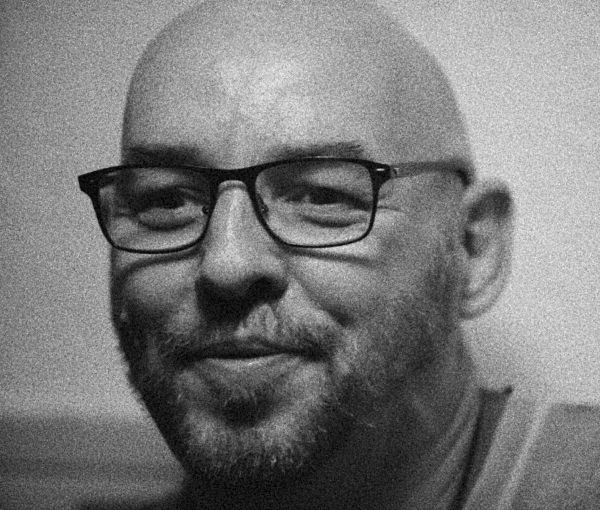
Michael Simm
Editor-in-chief
Michael Simm studied molecular biology in Heidelberg and San Luis Obispo (California). Because he is not only curious but also too impatient for research, he became a science journalist after graduating. He worked as an editor for Die Welt, Focus, and Süddeutsche Zeitung, and as a freelancer for numerous medical journals, science magazines, and websites. He discovered his passion for brain research 25 years ago and enjoys hunting for the most exciting stories in professional journals and at huge conferences among thousands of presentations.
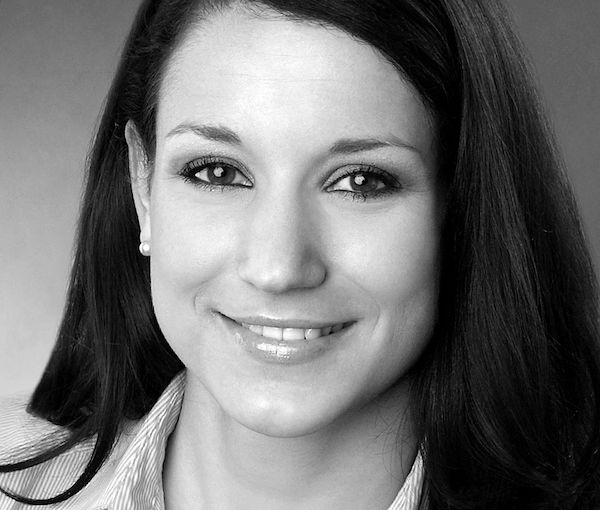
Franziska Badenschier
Author
After graduating from high school, Franziska Badenschier wanted to do an internship at the Max Planck Institute for Human Cognitive and Brain Sciences. So she spent her time on the Leipzig tram reading books about Broca's area and other topics. However, nothing came of it. Ten years later, thebrain.info gave her another chance to delve deeply into the most fascinating organ of all.
Broca's area
An area of the prefrontal cortex (cerebral cortex) that is usually located in the left hemisphere. Plays a key role in the motor production of speech. First described by French neurologist Paul Pierre Broca in 1861.
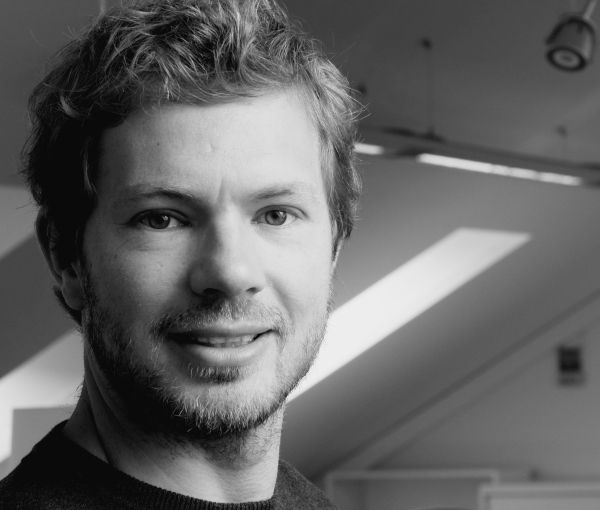
Janosch Deeg
Author
Janosch Deeg earned his doctorate in physics at Heidelberg University and the Max Planck Institute for Intelligent Systems in Stuttgart. His curiosity, coupled with his enjoyment of writing, led him to science journalism. Since 2015, he has been writing freelance articles on physics, technology, medicine, and neuroscience for various print and online media outlets. As his passion is surfing, his workplace can sometimes be a co-working space in Bali or a café in Spain.
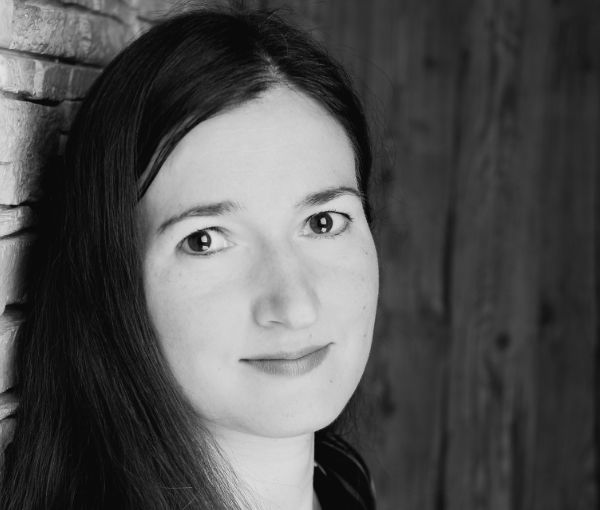
Susanne Donner
Author
Susanne Donner studied chemistry at Karlsruhe Institute of Technology. She works as a science journalist and as an expert advisor in the Scientific Service of the German Bundestag. She is interested in molecular relationships and also in the big picture of body and mind. In 2008, she received the Medtronic Media Award – Medicine, People, Technology for a report on brain stimulation in severe neurological diseases in “Bild der Wissenschaft” magazine.

Hanna Drimalla
Author
After a brief interlude studying journalism and medicine, Hanna Drimalla found her perfect subject in psychology. When she's not working, she spends her time playing volleyball, traveling, or enjoying good conversation over a large latte. By now she is a full professor at Bielefeld University and responsible investigator AG "Human-centred Artificial Intelligence".
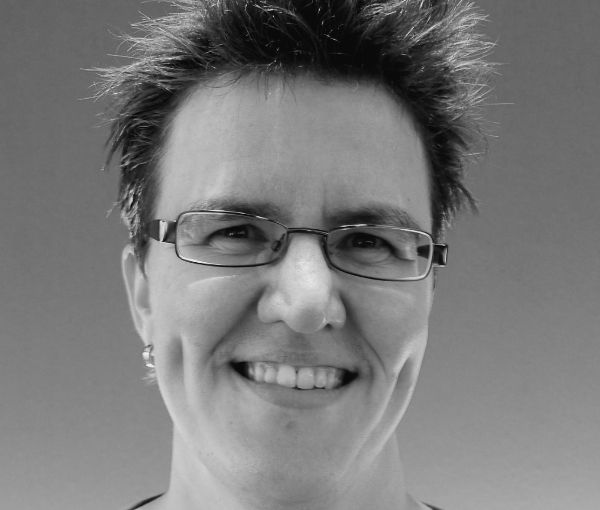
Eva Eismann
Author
Eva Eismann knew she wanted to learn more about the biology of human behavior during her studies, at the latest since taking a summer course on Plasticity. After completing her undergraduate degree in biology, it was only logical for her to pursue a master's degree in neuroscience at the University of Göttingen. This was followed by a degree in journalism in Leipzig. As a freelance science journalist, she now has the opportunity to communicate what others have worked so hard to discover in the laboratory.
Plasticity
Neuroplasticity
The term neuroplasticity describes the ability of synapses, nerve cells, and entire areas of the brain to change structurally and functionally depending on the degree to which they are used. Synaptic plasticity refers to the adaptation of the signal transmission strength of synapses to the frequency and intensity of incoming stimuli, for example in the form of long-term potentiation or depression. In addition, the size, interconnection, and activity patterns of different areas of the brain also change depending on their use. This phenomenon is referred to as cortical plasticity when it specifically affects the cortex.
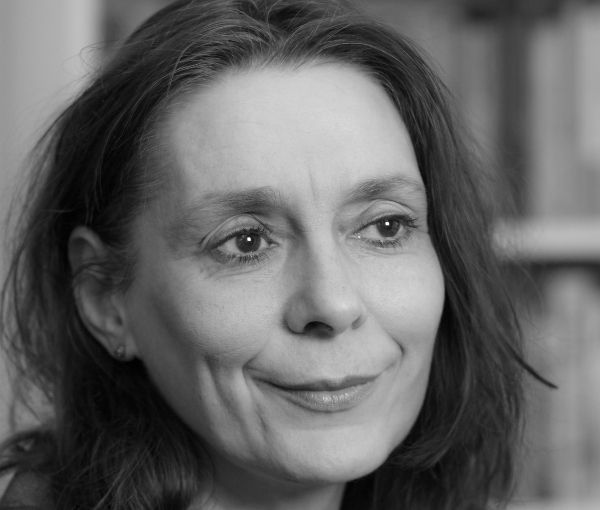
Ute Eppinger
Author
Ute Eppinger originally wanted to study biology, but then decided to study sociology, history, and literature. After completing an internship at Badische Neueste Nachrichten and working at Schwäbische Zeitung and Rheinische Post, her interest in biology finally prevailed: as a freelance medical journalist, she has been writing for medical portals and publishers for almost 20 years.
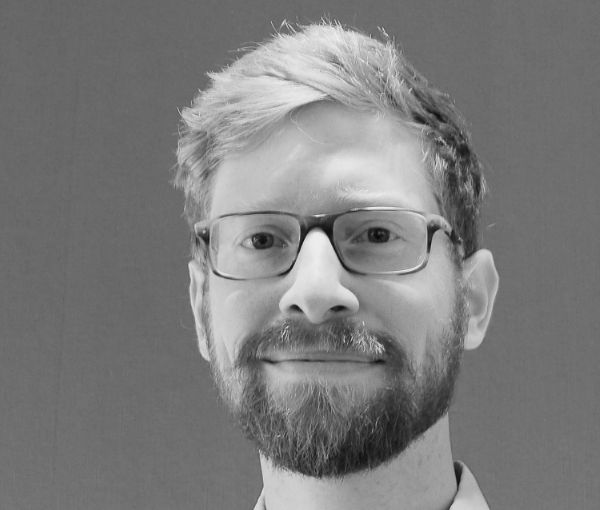
Andreas Grasskamp
Author
As a biologist by training, Andreas Grasskamp already dealt with neuroscience during his master's studies, and it quickly became clear that he would also pursue a doctorate in this field. He is currently doing so at the Charité in Berlin, where he is investigating the molecular basis of synaptic signal transmission in the ever-popular fruit fly. By now he works at the Fraunhofer Institute for Process Engineering and Packaging IVV.
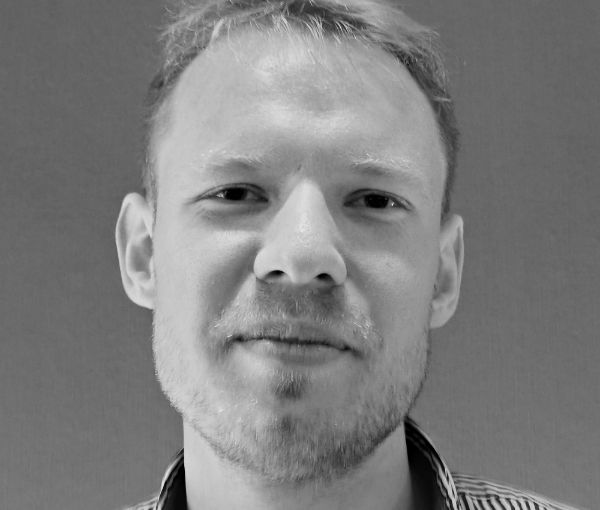
Helge Hasselmann
Author
Helge Hasselmann has always been interested in the fundamentals of human behavior. Although he was not particularly appreciated in the past, he discovered his passion for biological connections while studying psychology and clinical neuroscience. Since 2014, Helge Hasselmann has been working on his doctorate in medical neuroscience, focusing on the role of the immune system in Depression. True to the principle of “do good and talk about it,” he has turned to science journalism.
Depression
A mental illness whose main symptoms are sadness and a loss of joy, motivation, and interest. Current classification systems distinguish between different types of depression.

Tanja Krämer
Author
Tanja Krämer is a freelance journalist specializing in science and society; she has been fascinated by the brain since studying philosophy at the University of Bremen. She has published articles in National Geographic Germany, Die Zeit, Spektrum der Wissenschaft, Bild der Wissenschaft, and various daily newspapers. Her writing has received numerous awards. Her motto is: Thinking helps. But so does feeling.
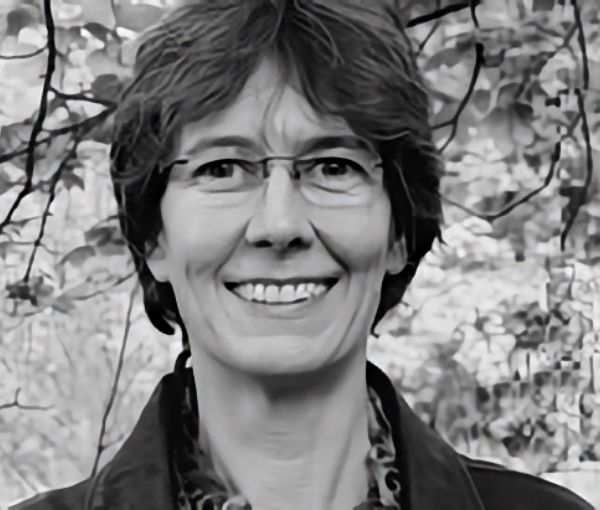
Manuela Lenzen
Author
Manuela Lenzen studied philosophy, history, and social sciences and became involved in science journalism while pursuing her doctorate in philosophy. She agrees with Wittgenstein's view that “Everything that can be said can be said clearly.” She particularly enjoys learning new things about how humans function and is fascinated by how body and mind are becoming increasingly intertwined in research. Her topics of interest lie primarily in the fields of evolution, cognition, artificial intelligence, and brain research.
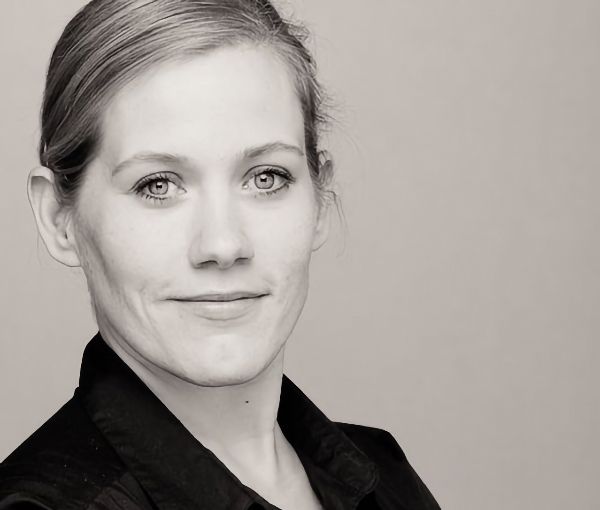
Anke Lorenz-Hoppe
Author
As a (trained) geographer, Anke Lorenz-Hoppe has always been fascinated by connections. Through her freelance work as an author for WDR (children's television), she knows how to explain things in a way that both young and old can understand. Her passion for mediation eventually led her to the field of neurology and the functioning of the brain.
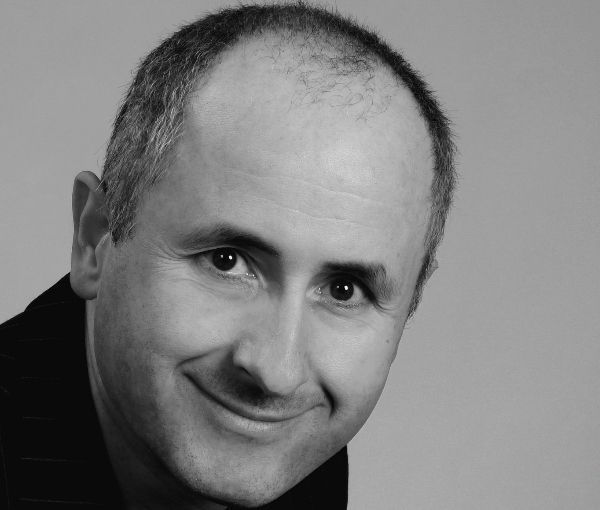
Christian Meier
Author
Dr. Christian J. Meier is a physicist and works as a freelance journalist and non-fiction author in Darmstadt. He is fascinated by the mysteries of science and tries to present them in a way that is easy to understand. In addition to mysterious quantum physics and ambivalent nanotechnology, he is captivated by research into the most complex thing in the known universe: the brain. In his spare time, he enjoys writing short stories, reading, hiking, and strumming a little on the ukulele.
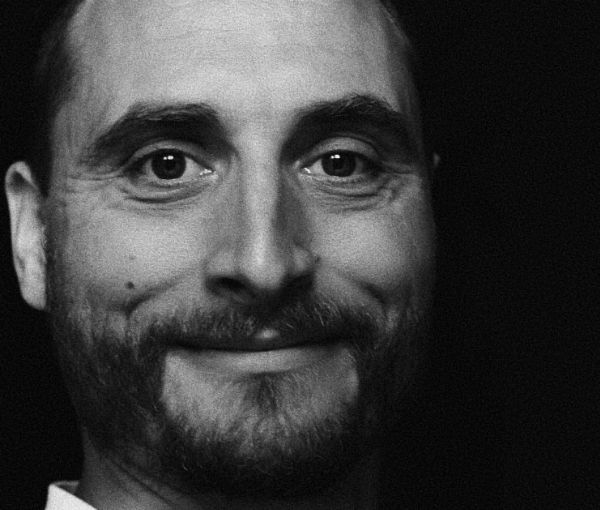
Jochen Müller
Author
Jochen Müller's enthusiasm for neurobiology was sparked by his high school biology teacher. He studied biology and earned a doctorate in medical neuroscience. After a few years as a postdoc, he decided to leave science and broaden his horizons. He traveled around the world and has since worked as an organizer and moderator of science slams and as a freelance science and travel journalist for ZeitWissen and Spiegel Online, among others.
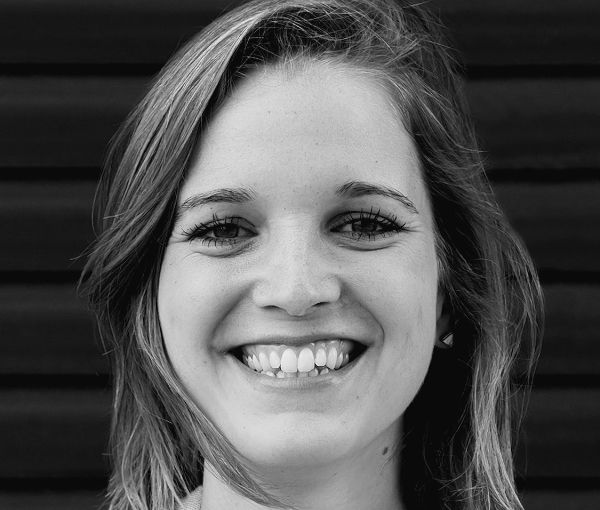
Franziska Schwarck
Author
Franziska Schwarck studied biological sciences (B.Sc.) and cognitive science (M.Sc.) and earned her doctorate in neuroscience. Her passion: constantly delving into new topics, preferably psychological and medical ones, and, ideally, getting to know the people involved, whether they are experts or those affected. Her goal: to bring scientific findings into everyday life and make them understandable and accessible to everyone.
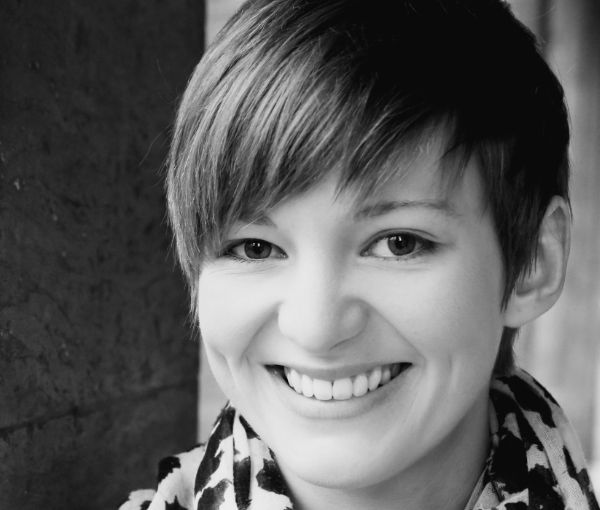
Nicole Paschek
Author
Nicole Paschek has been fascinated by the question of why we behave the way we do since her school days. Since the brain plays a central role in this, she studied behavioral and neurobiology in Göttingen. She quickly realized that all this research is useless if no one else understands it. With this in mind, she began studying journalism and now works as a freelance science journalist for publications including Spektrum der Wissenschaft and thebrain.info.
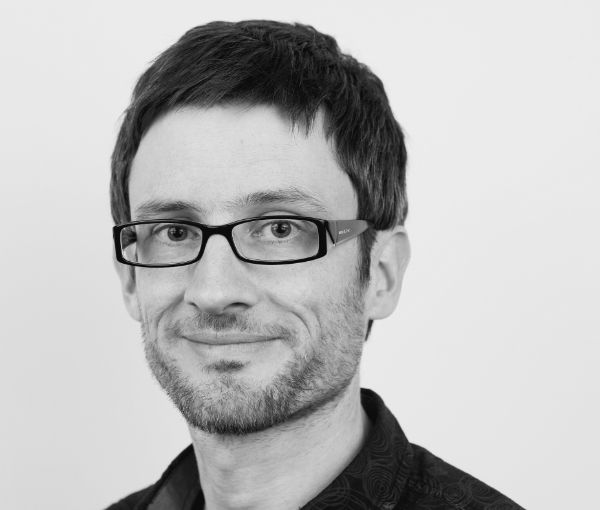
Ulrich Pontes
Author
Ulrich Pontes switched from his job as an online news editor to freelance work in order to finally combine his work and his passion – namely journalism and science. As a trained physicist and amateur theologian, he is also interested in the less typical aspects of brain research: How are natural and artificial Intelligence related, what technology is behind images of brain activity, and what impact does neuroscience have on our view of humanity? In his free time, he dances salsa and Argentine tango.
Intelligence
Intelligence
Collective term for human cognitive performance. According to British psychologist Charles Spearman, cognitive performance in different areas correlates with a general factor (g factor) of intelligence. This means that intelligence can be expressed as a single value. American psychologist Howard Gardner, among others, has developed a counter-concept to this, known as the "theory of multiple intelligences." According to this theory, intelligence develops independently in the following eight areas: linguistic, logical-mathematical, musical-rhythmic, visual-spatial, bodily-kinesthetic, naturalistic, intrapersonal, and interpersonal.

Nora Schultz
Author
Nora Schultz studied biology at Oxford and Cambridge and journalism in Dortmund. For her doctoral research, she initially wanted to use genetic engineering to create super-intelligent mice, but then decided instead to film zebrafish nerve cells during brain development. Because she found the range of topics in the laboratory too limited, she now prefers to explore the wonderful world of science from her desk as a scientific advisor to the German Ethics Council and as a freelance science journalist for publications such as www.thebrain.info, New Scientist, and Spiegel Online.
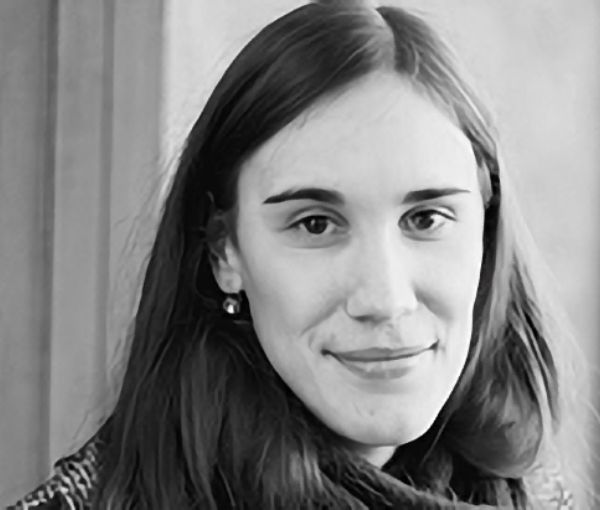
Natalie Steinmann
Author
Natalie Steinmann first became acquainted with neuroscience through a journalistic study project – and was fascinated by the breadth of topics and the exciting interview partners. She studied literature, art, and media, then completed her master's degree in media studies. She works for a special interest magazine and writes regularly for thebrain.info as a freelance author.
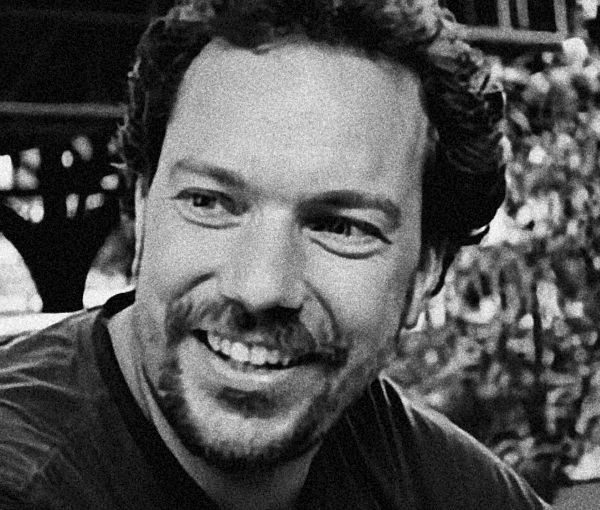
Ragnar Vogt
Author
Ragnar Vogt worked as an author and presenter for dasGehirn.info, as well as for the Tagesspiegel and Die Zeit newspapers. He once said that he sometimes found it uncanny to think about how the brain works. Ragnar learned the craft of journalism at the Protestant School of Journalism, having previously studied biology at the Free University of Berlin. He died in 2025 – far too young.
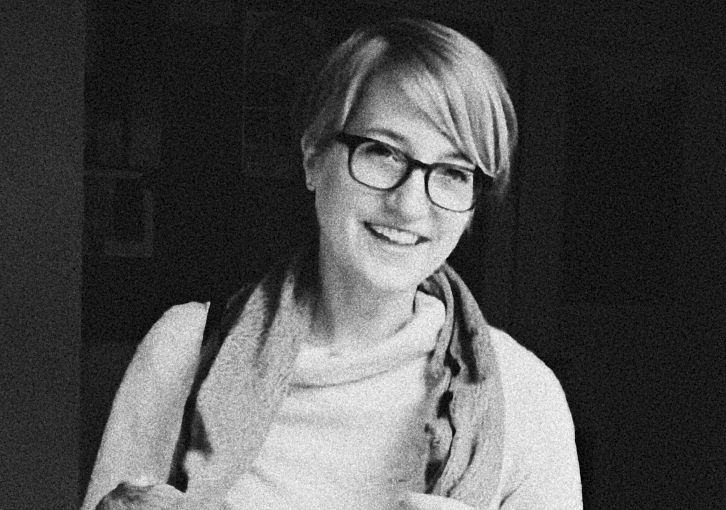
Andrea Wille
Author
It all started with philosophy. Andrea Wille couldn't stop thinking about whether and how the quality of Emotions could be logically explained by a pattern of neuronal activity. So she sought answers by studying biology at the same time. When it became clear that she couldn't find the answer to this question either, she swapped research for science journalism and has never regretted her decision. However, the brain remains her favorite organ.
Emotions
Neuroscientists understand "emotions" to be complex response patterns that include experiential, physiological, and behavioral components. They arise in response to personally relevant or significant events and generate a willingness to act, through which the individual attempts to deal with the situation. Emotions typically occur with subjective experience (feeling), but differ from pure feeling in that they involve conscious or implicit engagement with the environment. Emotions arise in the limbic system, among other places, which is a phylogenetically ancient part of the brain. Psychologist Paul Ekman has defined six cross-cultural basic emotions that are reflected in characteristic facial expressions: joy, anger, fear, surprise, sadness, and disgust.
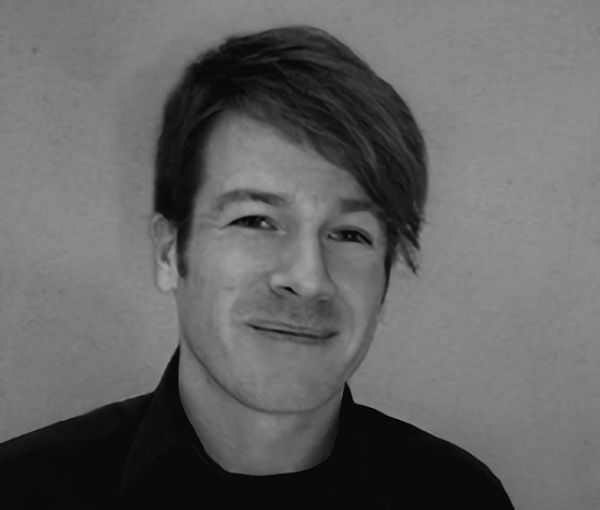
Christian Wolf
Author
Christian Wolf studied German language and literature and philosophy at the University of Würzburg. While working on his doctorate in philosophy, he spent many a sleepless night pondering whether the colorful, fragrant, flavorful world “out there” was really just a construct of a complex cluster of cells in his head. Increasingly fascinated by the world of empirical measurement, he came to science journalism through internships at spektrumdirekt.de and Gehirn&Geist. When he's not busy critically evaluating neuroscientific findings with his philosophically trained eye, he tries to coax interesting sounds out of his keyboard and laptop.
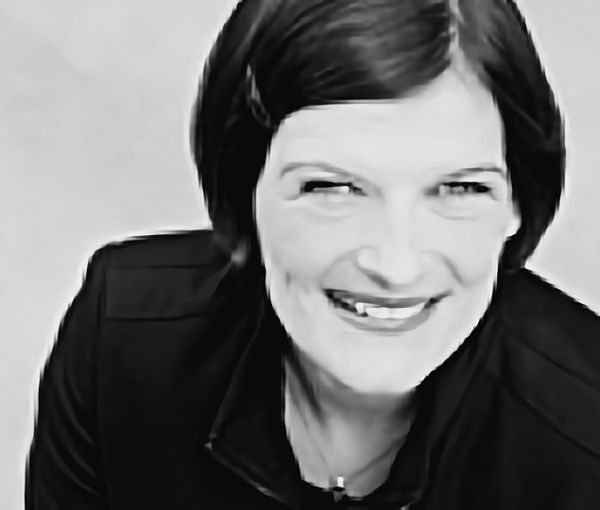
Melanie Wolter
Graphics
Melanie Wolter studied visual communication at the University of Applied Sciences in Hamburg. She has a passion for illustration and is delighted to be able to illustrate some of the varied topics covered by thebrain.info. She also pursues her passion in her free time and is currently drawing a picture book for her son.
Team Design and Development
Due to the complex requirements in a wide variety of areas, dasGehirn.info was implemented between 2009 and 2011 as a joint production between the agencies 3deluxe and Screenbow.
The agencies have been working together on joint projects since 1998. This not only allowed them to contribute their respective strengths to the project, but also enabled a smooth process in combining the areas of concept, design, motion, 3D, and technical production.
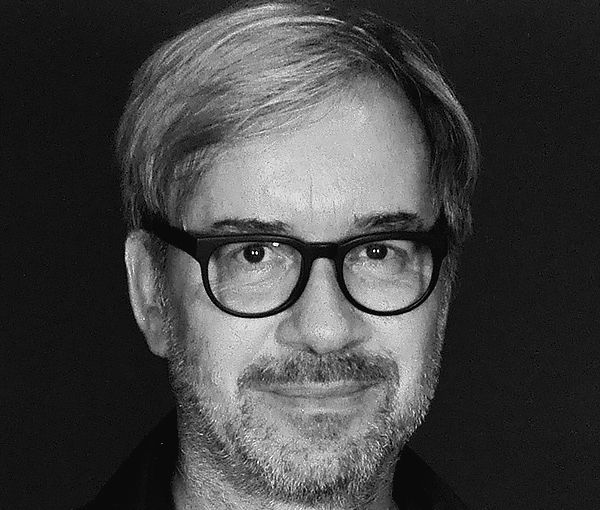
Ralf Dzicher
Project Manager and Information Architect
Ralf Dzicher is co-founder of the Wiesbaden-based agency Screenbow and has been developing communication concepts for companies from a wide range of sectors together with his team for over 15 years. Screenbow specializes in online communication and processing.
For this project, the agency was responsible for developing the information architecture and the technical implementation of the entire platform. It also took on overall project management on the agency side to coordinate and bring together the various areas of graphic design, 3D development, and motion design.
"dasGehirn.info is an extraordinary project that occupies a special place due to its complexity, depth of information, and the fascination of the subject of neuroscience. Behind the project is a large number of people who contributed to its implementation and contributed to its success with a great deal of passion and commitment. I wish ‘dasGehirn’ a wide audience that will be inspired and informed by its unusual presentation."
screenbow
Andreas Lauhoff
Creative Director and co-founder of 3deluxe
Behind the collective name 3deluxe is an interdisciplinary team of around 35 people from the fields of communication design, media and screen design, architecture, and interior design. Based on this broad spectrum of expertise, 3deluxe develops holistic design solutions that radiate a coherent aesthetic, from graphic appearance and media presentation to architecture.
Andreas Lauhoff was responsible for the design of the website. The aim of the design was to communicate the complex content as simply as possible and to link it together elegantly.
3deluxe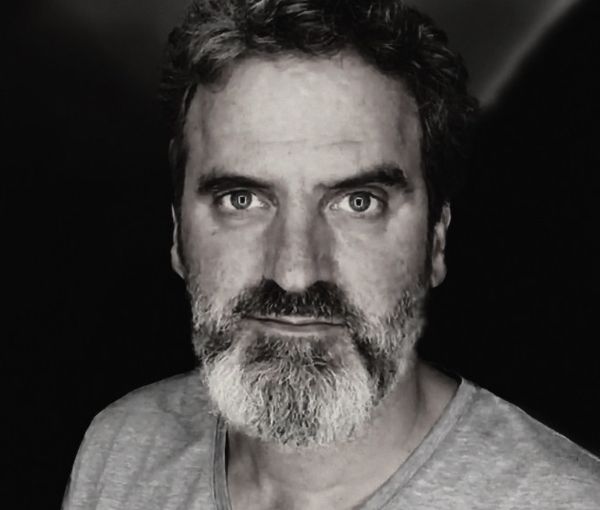
Sascha Koeth
Haywood Digital Studio
As Creative Director at 3deluxe, Sascha Koeth was primarily responsible for the conception and implementation of the 3D brain and continues to support thebrain.info with animations through his new agency Haywood.
Haywood Digital Studio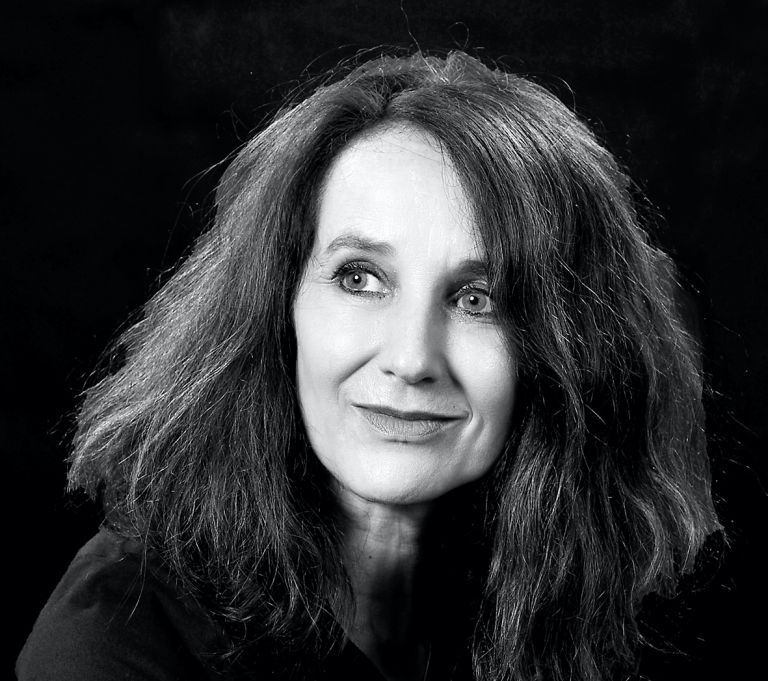
Birgitta Assheuer
We are often asked about the voice behind our German animations: Birgitta Assheuer is a speaker and reciter. She can be heard at readings, concerts, and literature festivals, where she often performs alongside renowned authors and actors. Her narrative voice can be heard in cinema productions, TV documentaries, and audiobooks. She has been working for the public broadcasters ARD, 3sat, arte, ZDF, and ORF for many years.

thuringia international school weimar-e.V. (ThIS)
A very special thank you goes to the members of the ThIS team – especially Matthew Raggett and the Stein sisters – for reviewing the English translations.
ThIS