The Sheep Brain: Basal Ganglia
Published: 29.06.2013
Movements are incredibly complicated. The complex interconnections of the Basal ganglia play a decisive role in this. In humans, happiness is known to exist here, and consciousness was suspected. In sheep, only unhappiness has been proven.
Use English subtitles ...
Basal ganglia
Nuclei basales
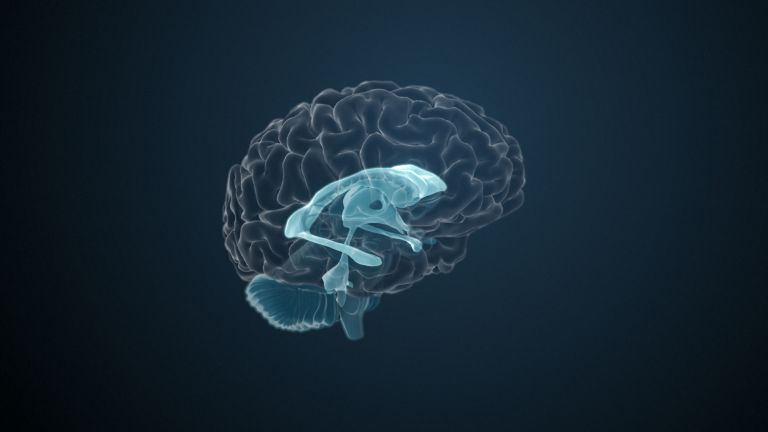
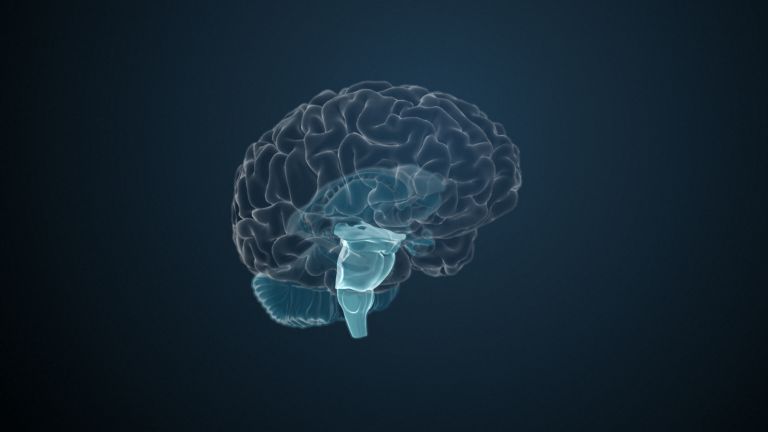
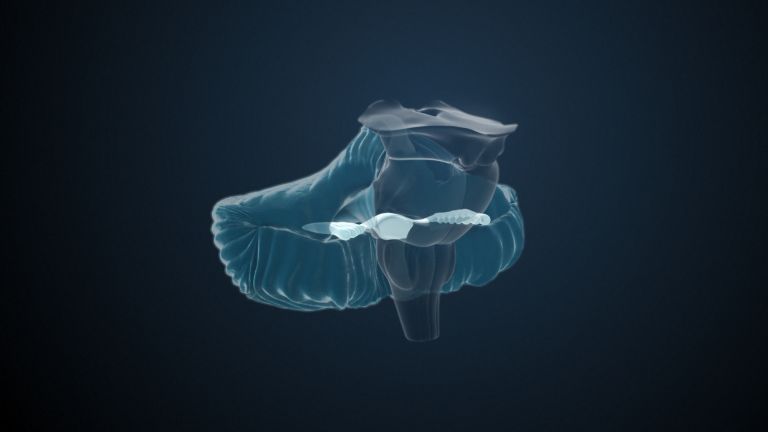
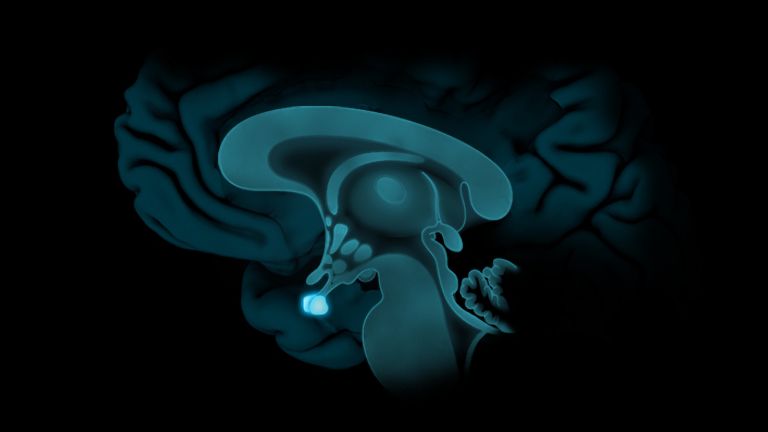
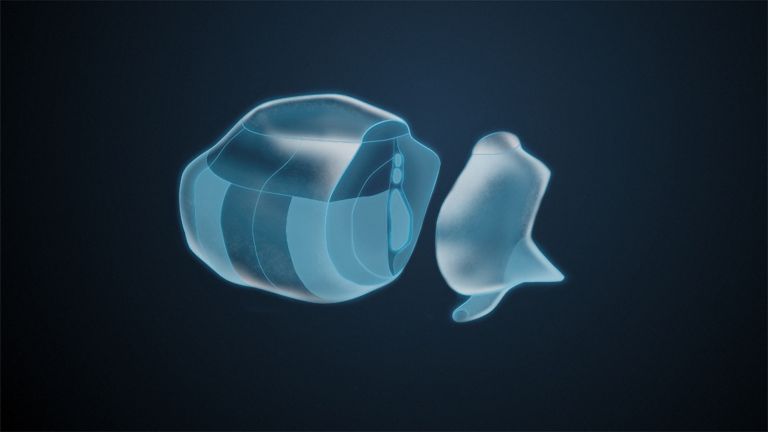
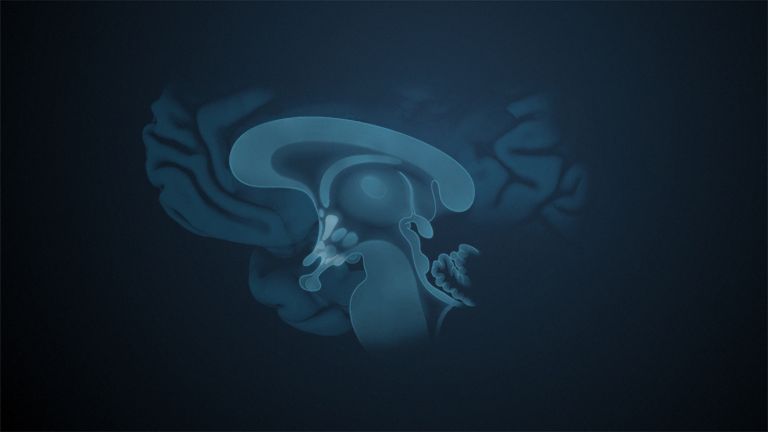
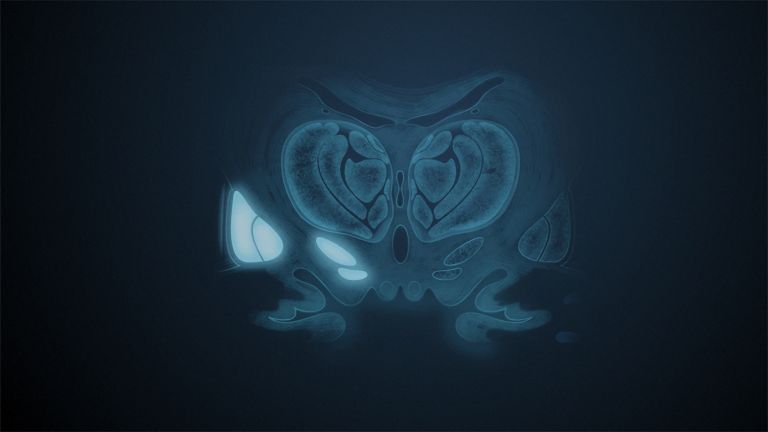
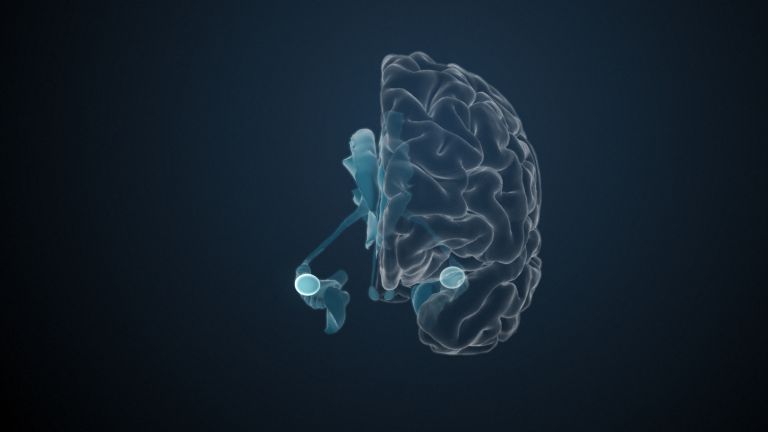
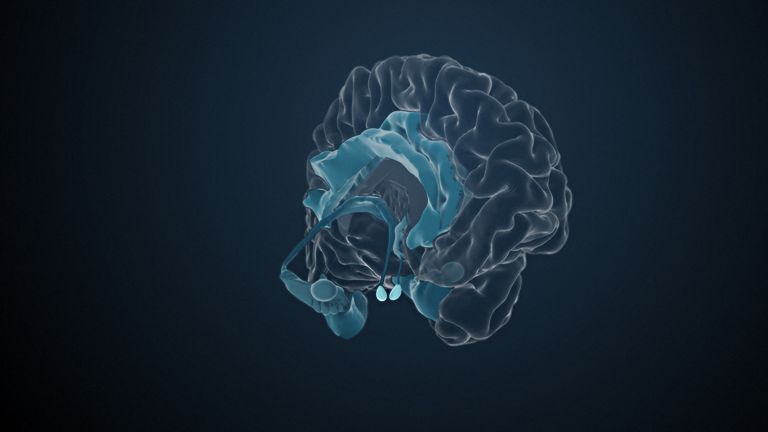
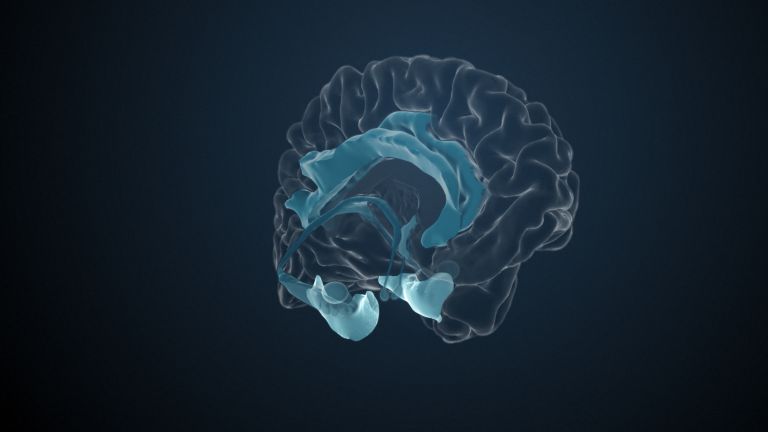
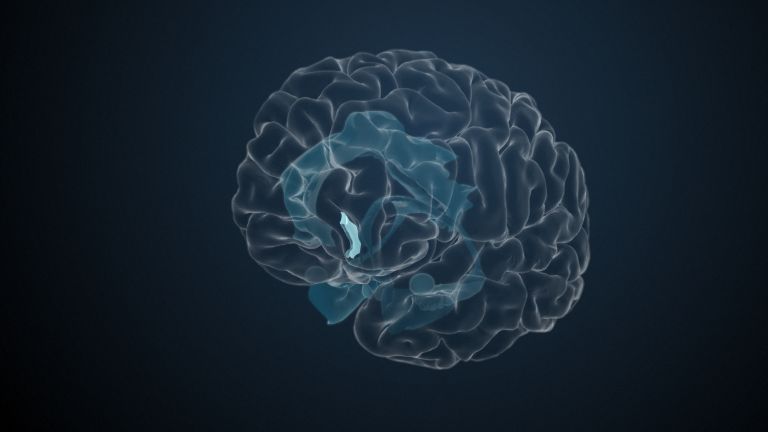
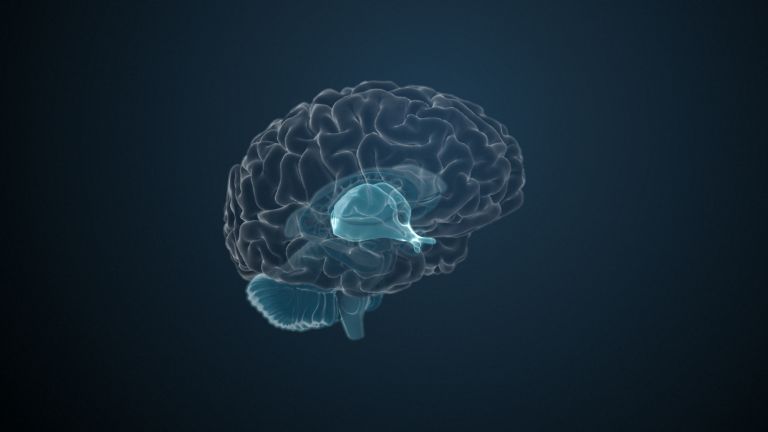
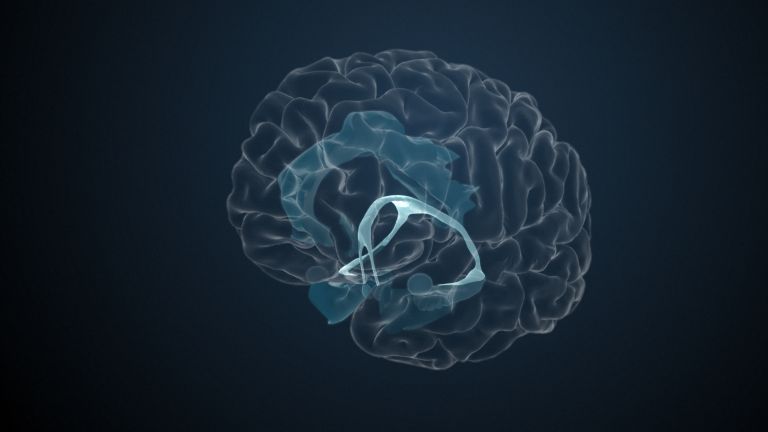
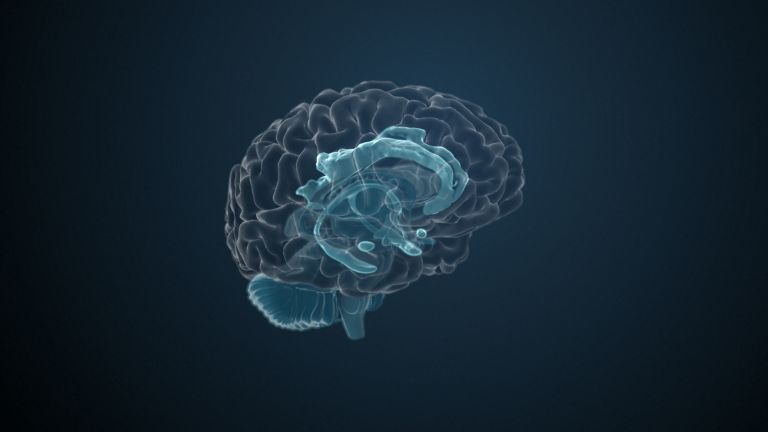
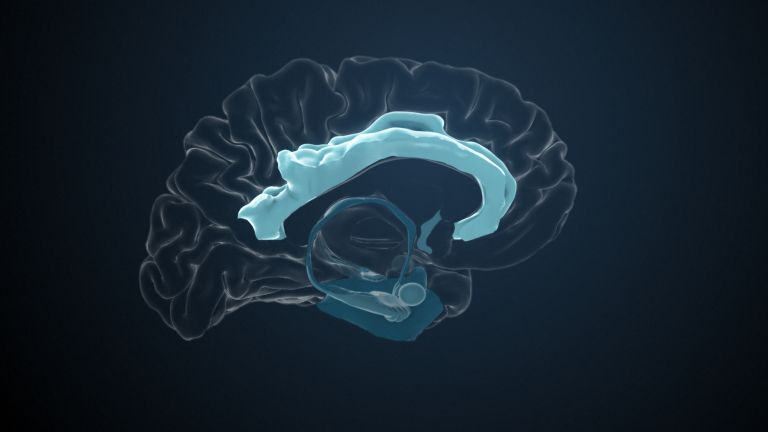
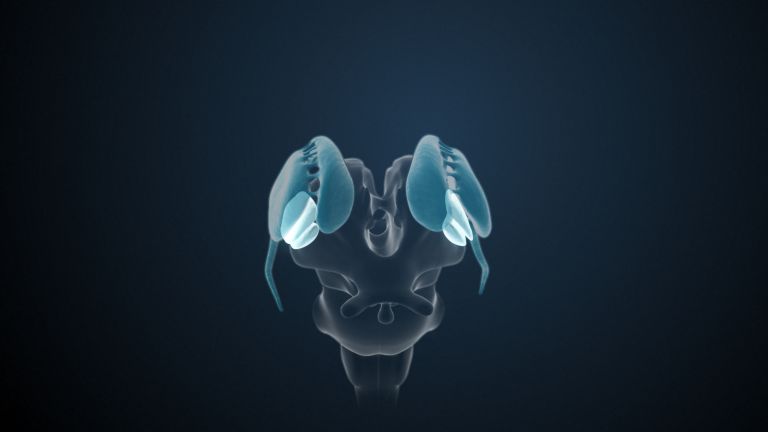
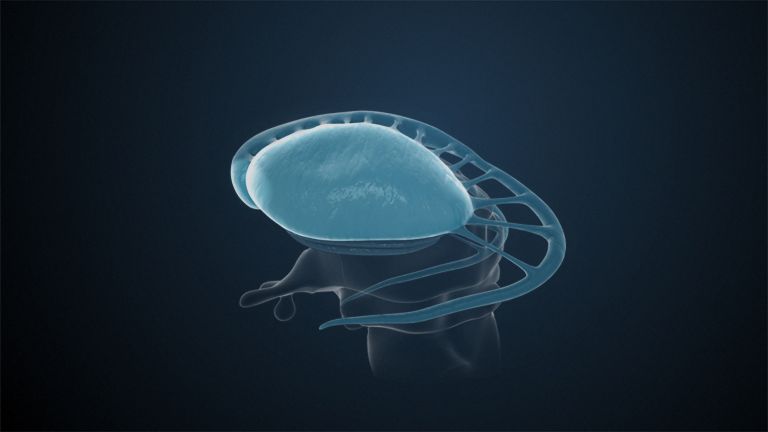
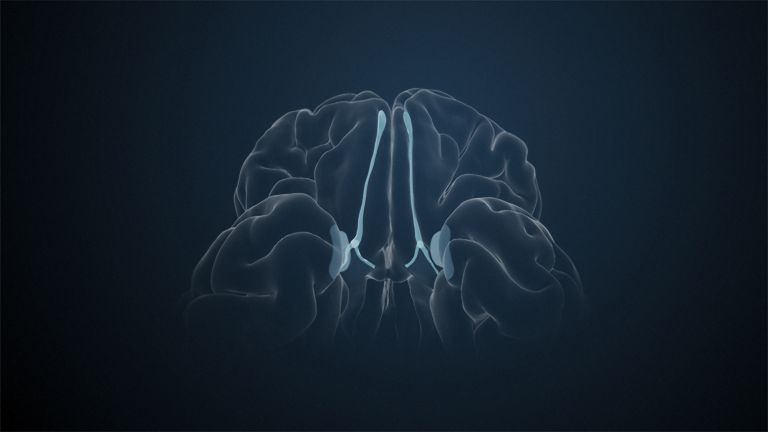
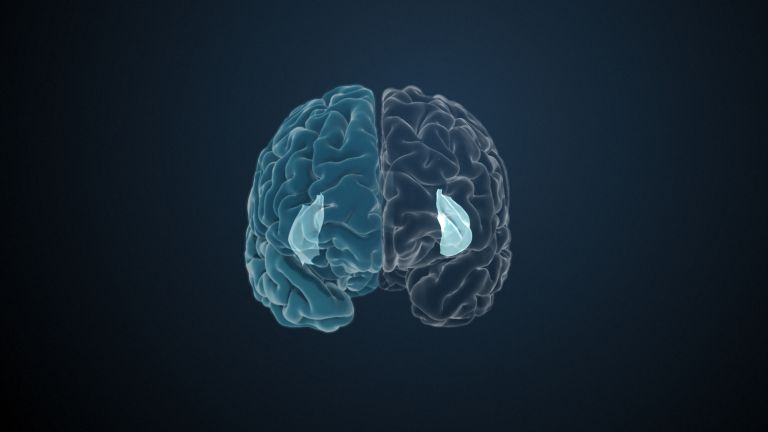
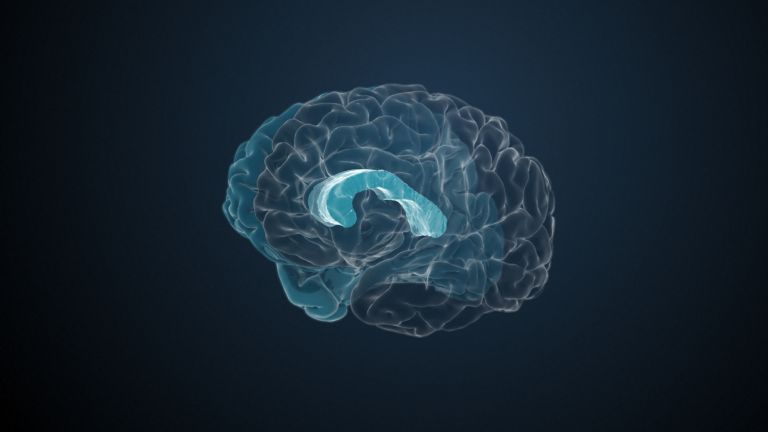
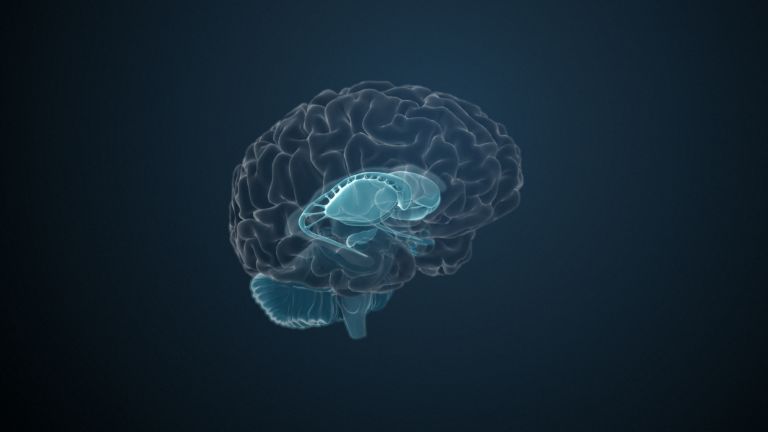
The Basal ganglia are a group of subcortical nuclei (located beneath the cerebral Cortex) in the telencephalon. The basal ganglia include the globus pallidus and the striatum, and, depending on the author, other structures such as the Substantia nigra and the Subthalamic nucleus The basal ganglia are primarily associated with voluntary motor function, but they also influence motivation, learning, and emotion.
Basal ganglia
Nuclei basales
The basal ganglia are a group of subcortical nuclei (located beneath the cerebral cortex) in the telencephalon. The basal ganglia include the globus pallidus and the striatum, and, depending on the author, other structures such as the substantia nigra and the subthalamic nucleus. The basal ganglia are primarily associated with voluntary motor function, but they also influence motivation, learning, and emotion.
Cortex
cortex cerebri
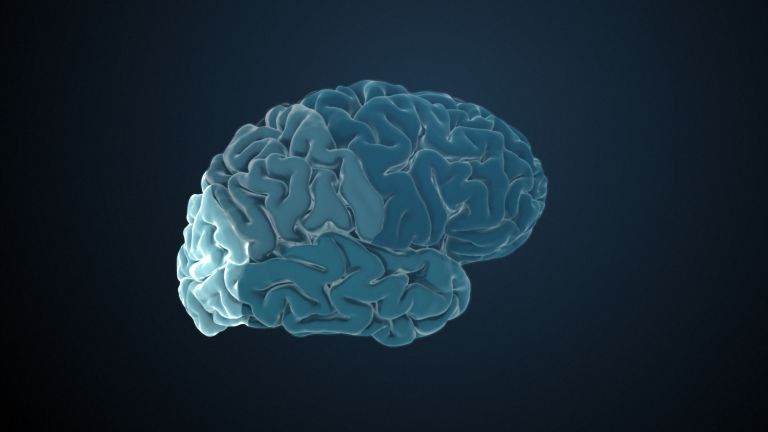
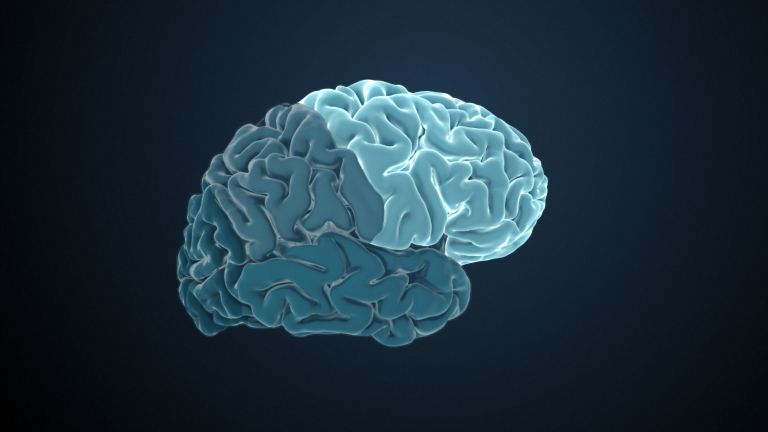
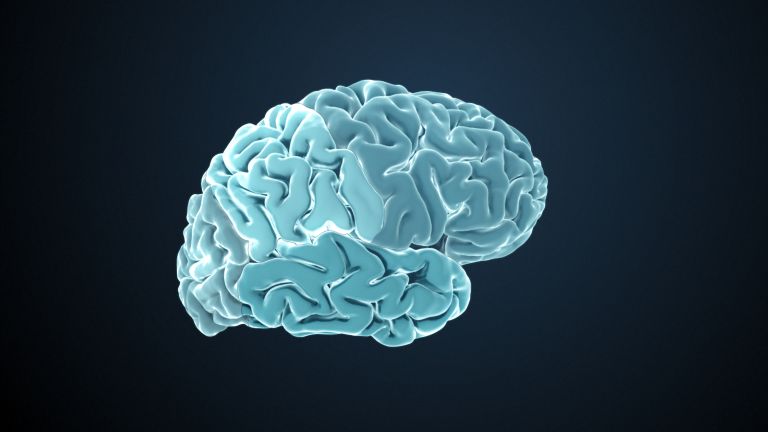
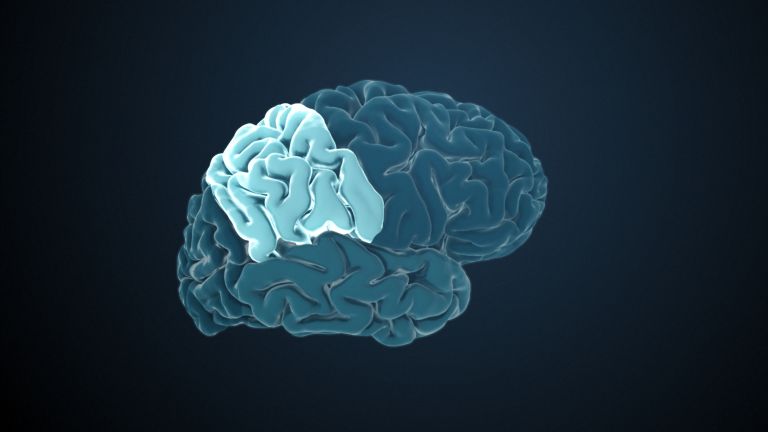
Cortex refers to a collection of neurons, typically in the form of a thin surface. However, it usually refers to the cerebral cortex, the outermost layer of the cerebrum. It is 2.5 mm to 5 mm thick and rich in nerve cells. The cerebral cortex is heavily folded, comparable to a handkerchief in a cup. This creates numerous convolutions (gyri), fissures (fissurae), and sulci. Unfolded, the surface area of the cortex is approximately 1,800cm².
Substantia nigra
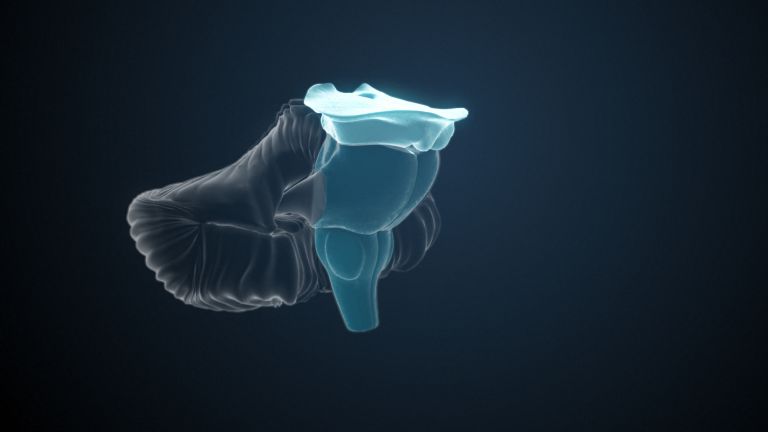
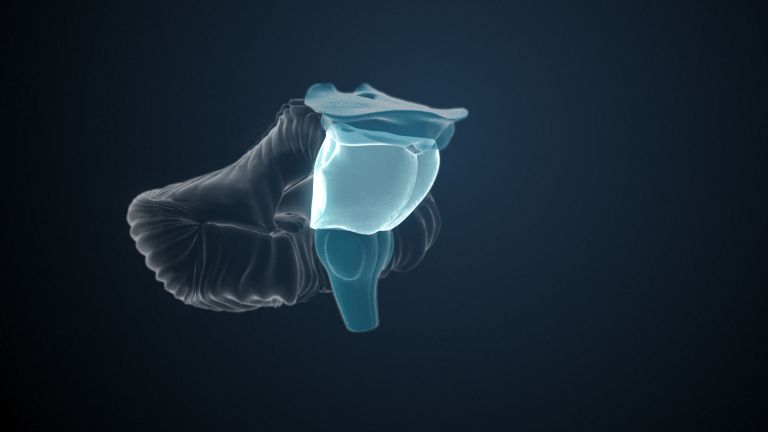
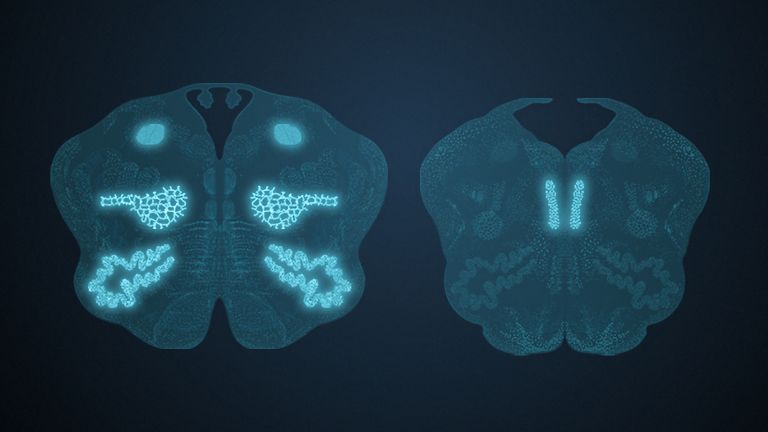
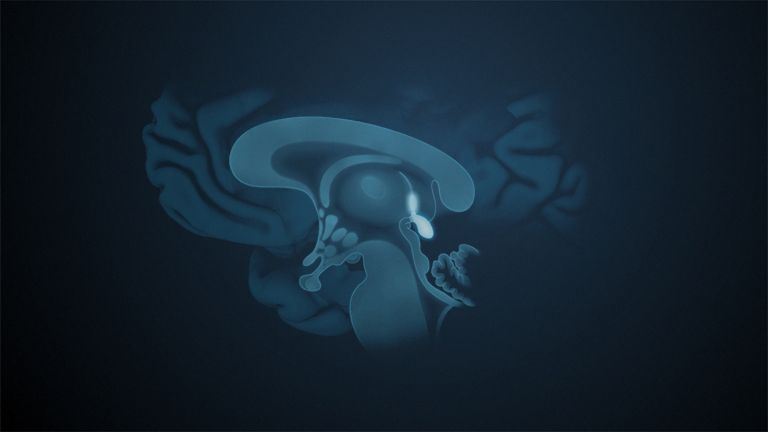
A nucleus complex in the ventral mesencephalon that plays a central role in initiating and modulating movement. It appears dark due to neuromelanin. Its dopaminergic neurons project via the nigrostriatal pathways to the putamen and caudate nucleus. Failure of these neurons leads to the typical symptoms of Parkinson's disease.
Subthalamic nucleus
Nucleus subthalamicus
Although the subthalamic nucleus is a nucleus of the subthalamus in the diencephalon, it is functionally closely integrated into the motor control of the basal ganglia. It plays a role in impulse control, movement control, and inhibition of unwanted movements. Damage to this nucleus can lead to temporary, uncontrolled, jerky movements of the extremities – known as ballism. Doctors have already achieved successful treatment outcomes in both obsessive-compulsive disorder and Parkinson's disease by artificially stimulating this region with a neuroimplant.