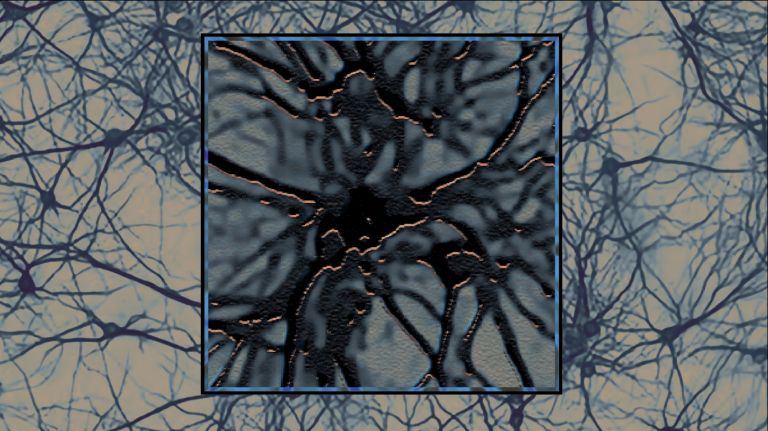
No other cell type is better at juggling signals: The neuron is both a data octopus and a supercomputer.
Even simple movements require complex interaction between the brain, spinal cord, and muscles.
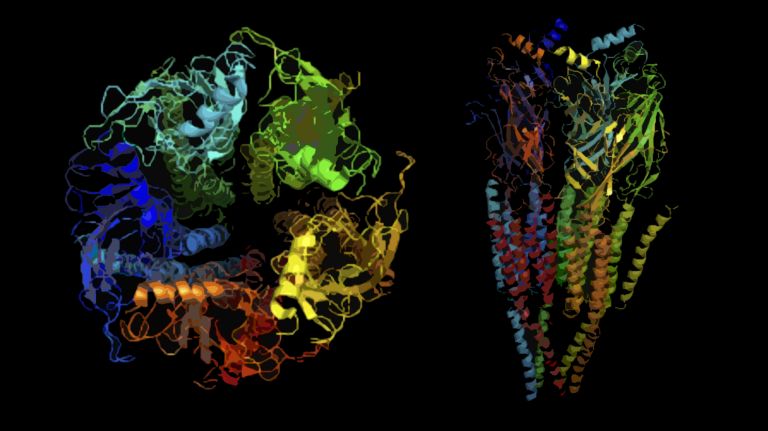
Complex proteins span the membranes of nerve cells. Without these ion channels, literally nothing works.
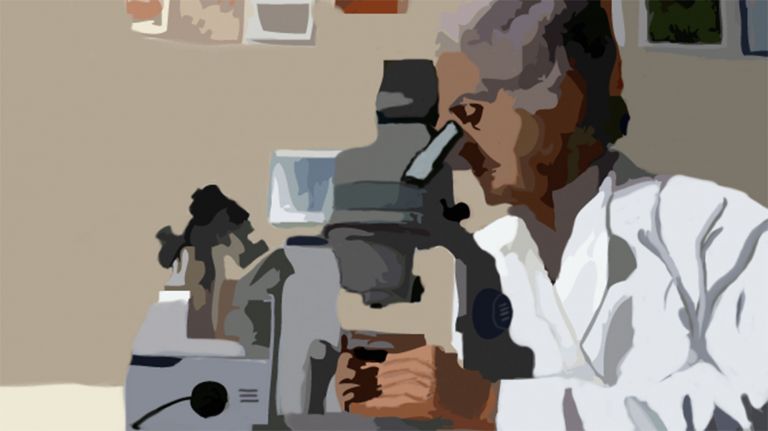
Despite being banned from her profession and persecuted, Rita Levi-Montalcini enjoyed a brilliant career in research.
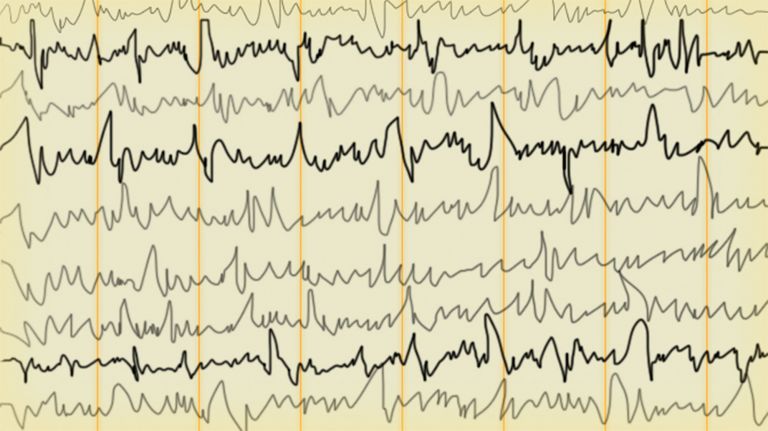
Many areas of the brain often fire in unison – scientists are trying to find out why.
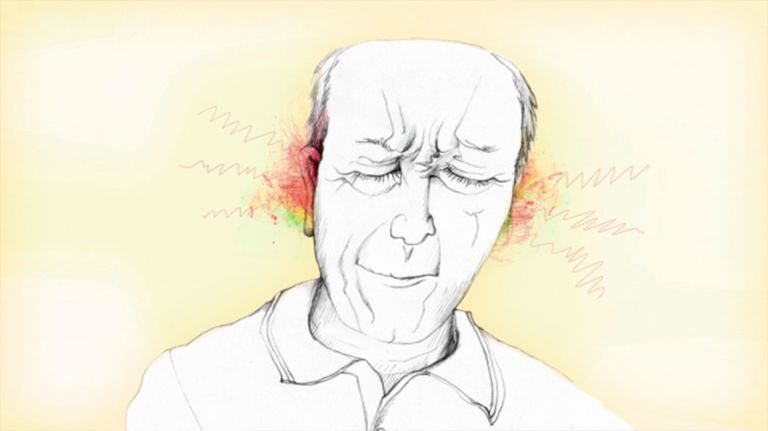
Tinnitus: The annoying whistling and buzzing does not originate in the ear, but in the brain.
No chaos despite sensory overload – neurons communicate silently, efficiently, and at breakneck speed.
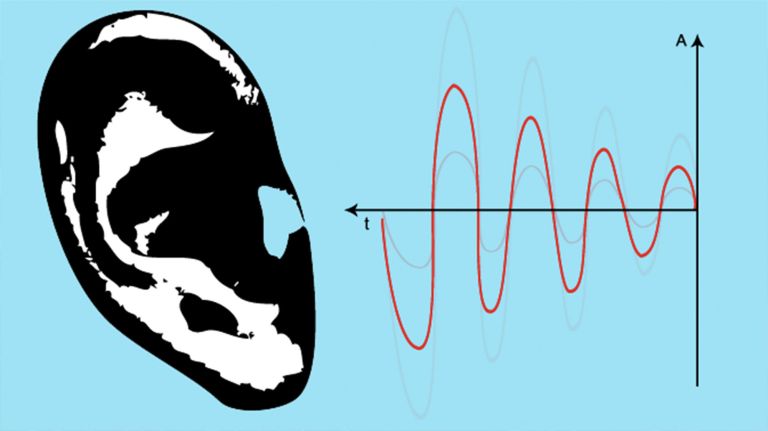
How the ear processes fluctuations in air pressure into meaningful information.
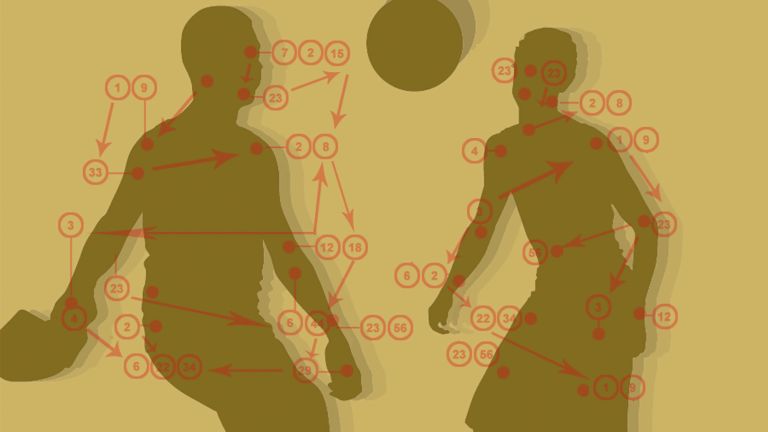
Every arbitrary movement is planned, organized, and sent for execution in the brain.
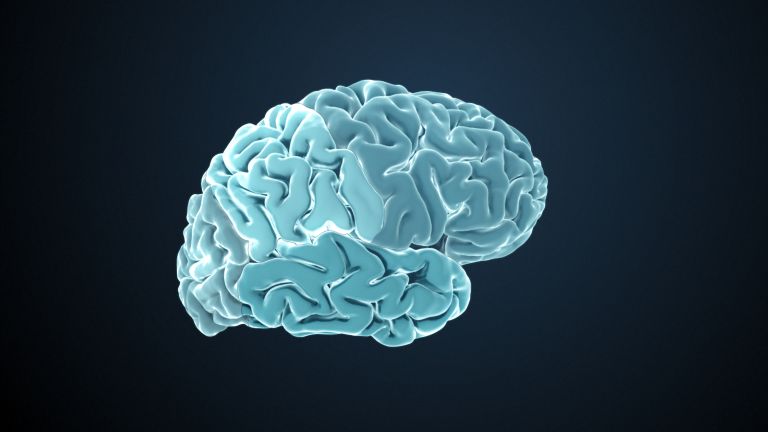
Several billion tiny cells are located in the brain. There they perform amazing work.
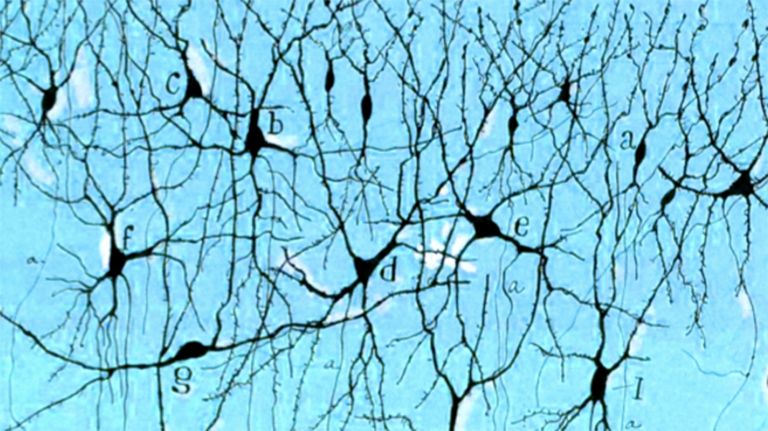
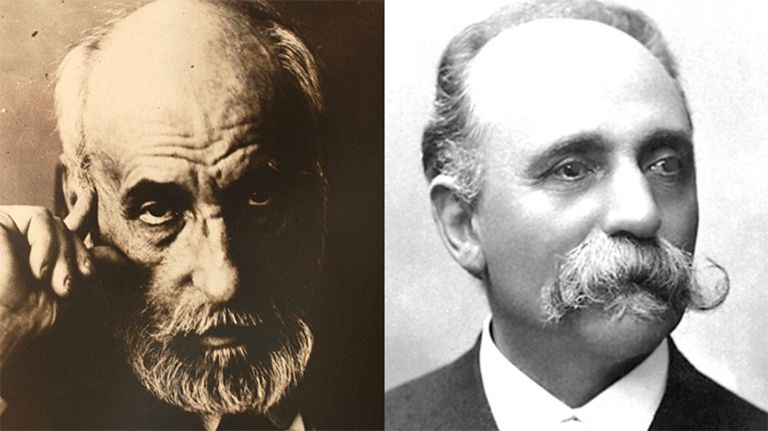
A lot has to happen before nerve cells reveal their secrets. A historical review.
The neuron doctrine is considered a fundamental idea in brain research – and has caused controversy.
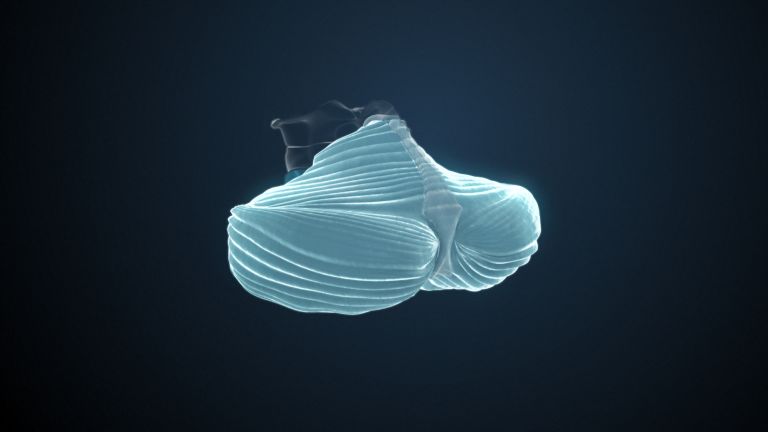
Always up to date: Three fiber tracts connect the cerebellum with the rest of the brain.
Enormous interconnection density in a small space ensures coordination of voluntary movements.
The brain's control center, seat of perception, consciousness, and behavior
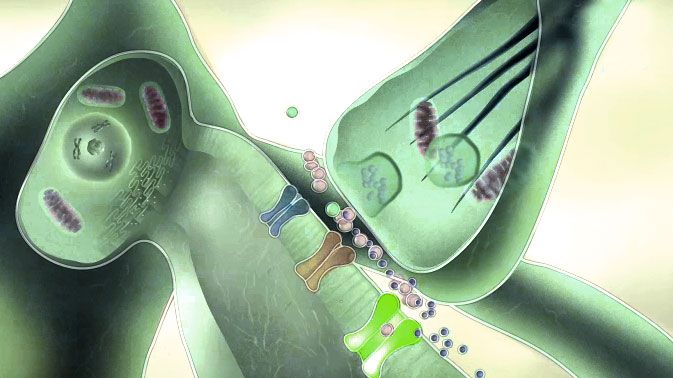
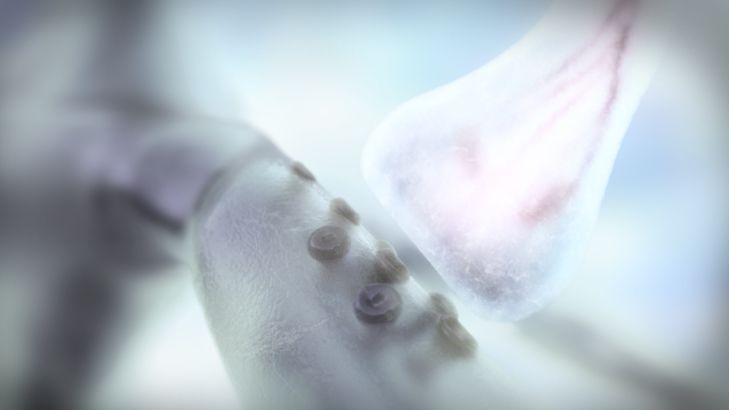
One neuron alone does little – it must connect with others. This happens at the synapse.
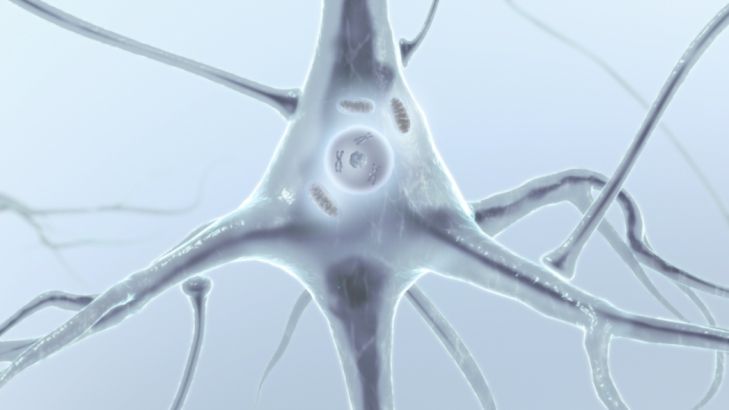
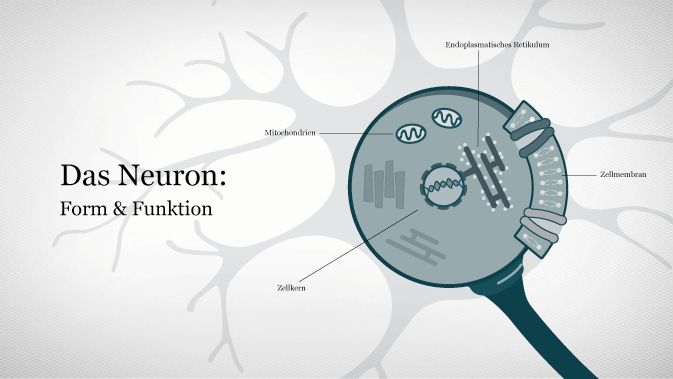
Neurons are fundamental to all life processes. You can see how they are structured here.
What types of neurons are there? What happens in dendrites, cell bodies, and axons? See for yourself in this clickable neuron.
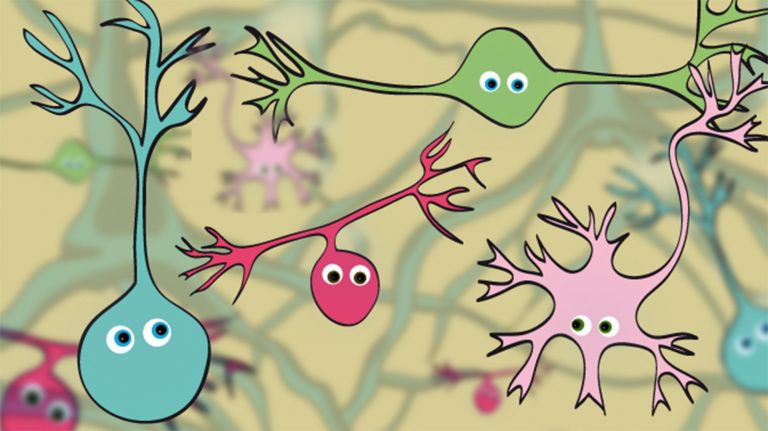
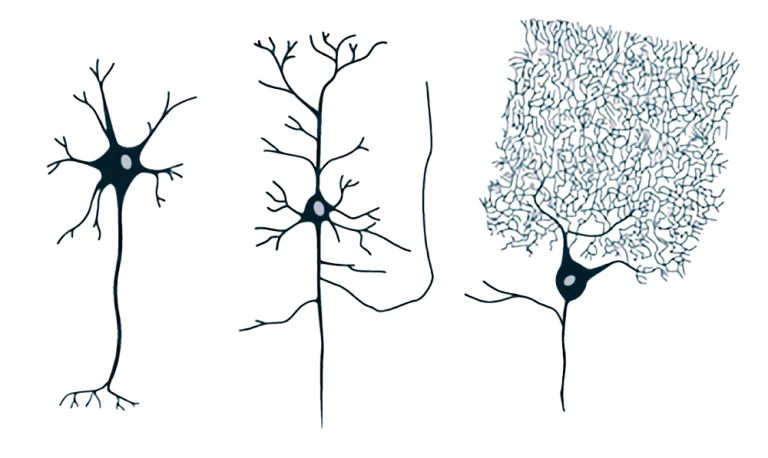
There are about 86 billion neurons in the brain. They vary greatly in form and function – with one determining the other.
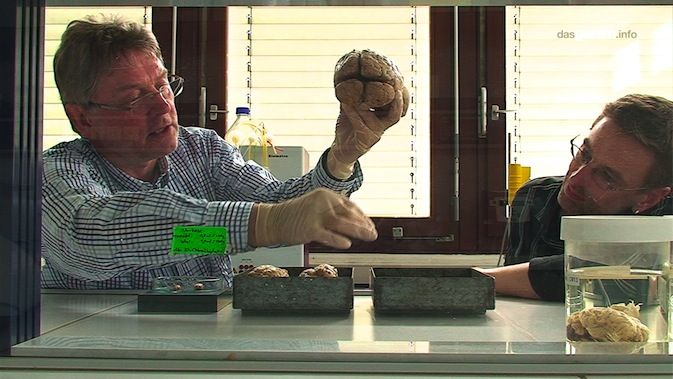
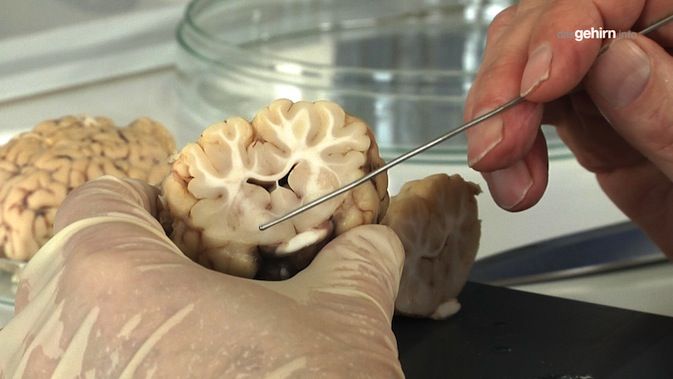
The sheep brain section is part of the compulsory biology curriculum for students. But why is that?
The basal ganglia control motor function and happiness – but in sheep, only unhappiness has been proven.
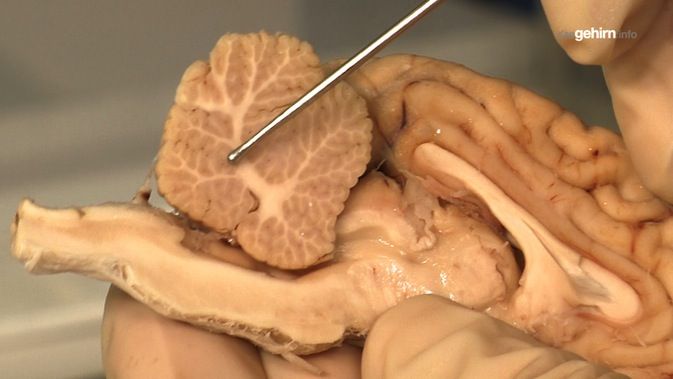
Fine motor skills are controlled in the cerebellum. Time plays a particularly important role in this process.
Different tasks require different cell types, some of which differ greatly in their biophysical properties and are highly specialized.
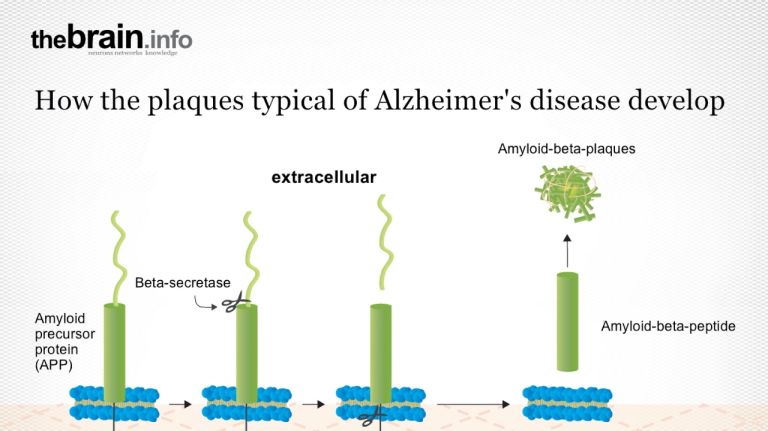
Two cuts are necessary for the protein APP to form beta-amyloid.
Most nerve cells use chemical synapses to communicate.
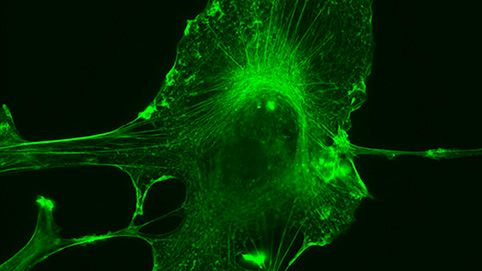
The cytoskeleton of a glial cell appears extremely thin in this image.
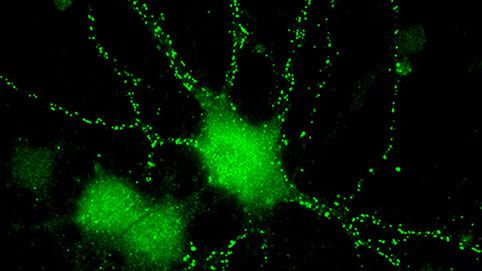
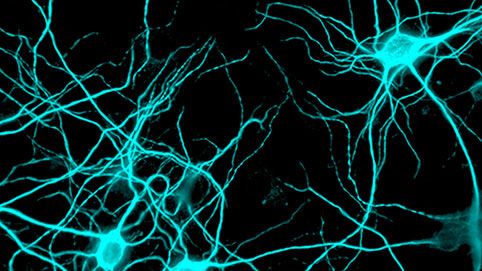
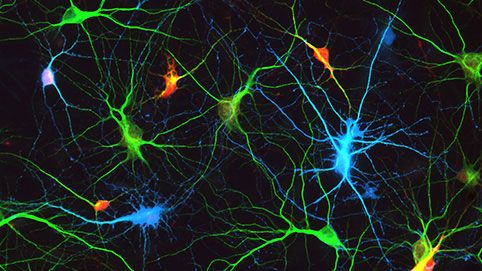
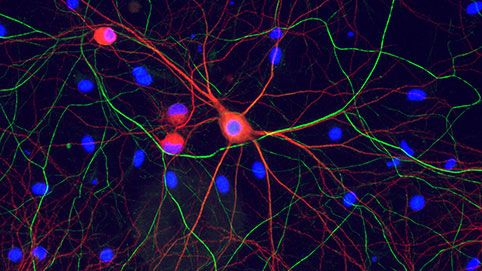
Here you can see a network of dendrites from three nerve cells.
Like thousands of tiny flashes of lightning, the extensions of nerve cells run through this image.
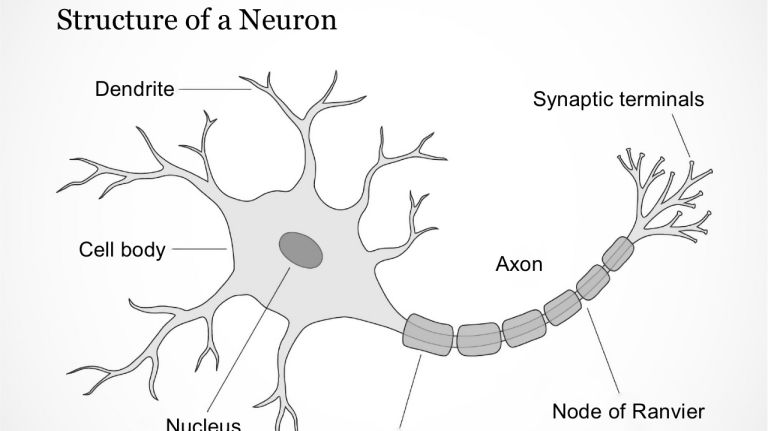
A neuron consists of a cell body and its extensions.
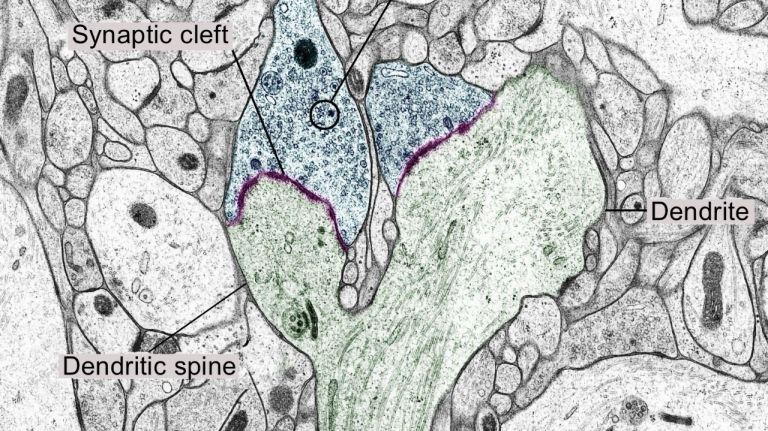
View through an electron microscope: image of a synapse
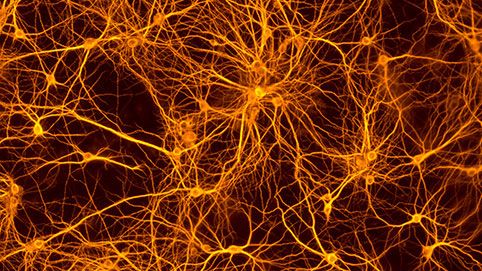
This image shows a tangle of nerve cells in the hippocampus.
A nerve cell from the hippocampus sits enthroned in a Petri dish.
Multipolar neurons have different characteristics depending on their function.