Neuron ≠ Neuron
Published: 01.12.2020
Published: 01.12.2020
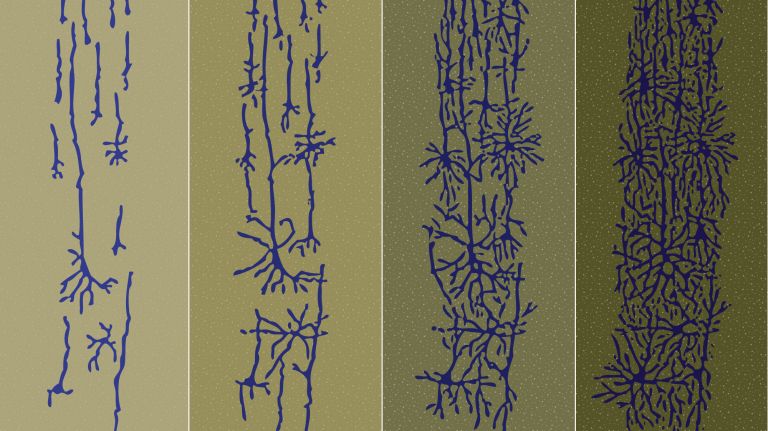
There are about 86 billion neurons in the brain. They vary greatly in form and function – though one is determined by the other: A Neuron like the cortical pyramidal cell, which is primarily involved in learning, can take its time. This is in stark contrast to a cell in the superior olive, which is racing against the clock when it comes to directional hearing. Here, we take a look at the biophysics behind it.
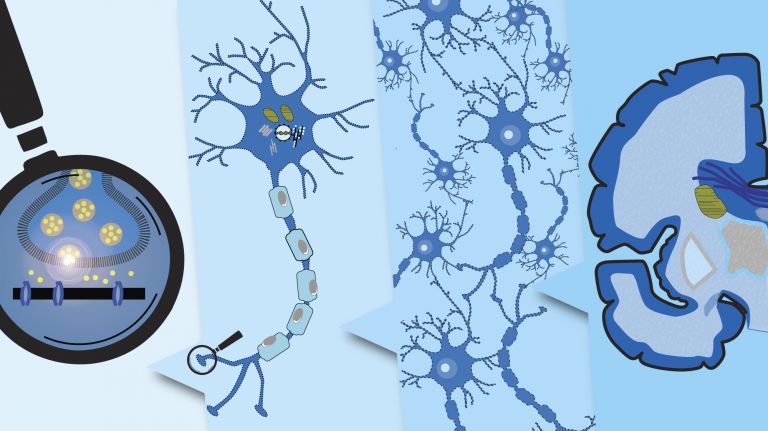
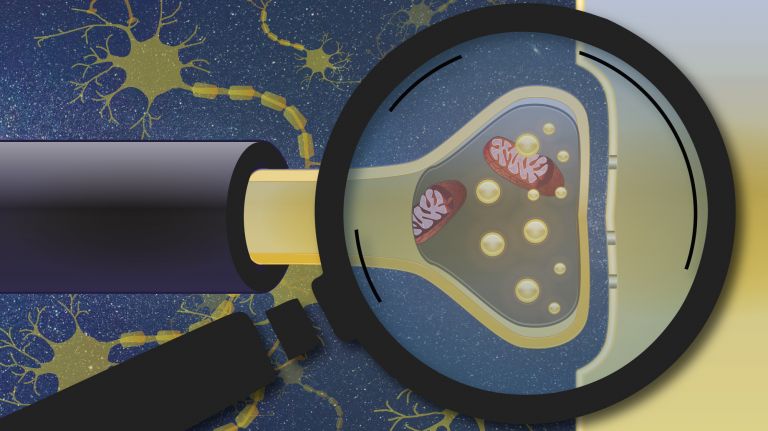
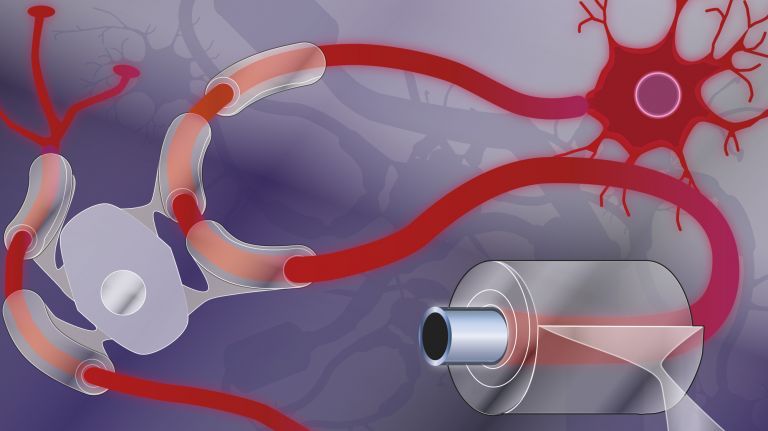
A neuron is a specialized cell in the nervous system that is responsible for processing and transmitting information. It receives signals via its dendrites and transmits them via its Axon. Transmission occurs electrically within the neuron and, between neurons, usually chemically via synapses.
Neuron
A neuron is a specialized cell in the nervous system that is responsible for processing and transmitting information. It receives signals via its dendrites and transmits them via its axon. Transmission occurs electrically within the neuron and, between neurons, usually chemically via synapses.
Axon
axon
The axon is the extension of the nerve cell that is responsible for conducting nerve impulses to the next cell. An axon can branch out many times, reaching a large number of downstream nerve cells. It can be more than a meter long. The axon ends in one or more synapses.
Subjects
Author
License Terms
This content is available under the following conditions of use.