The brain creates a colorful world of sounds from minimal acoustic input.
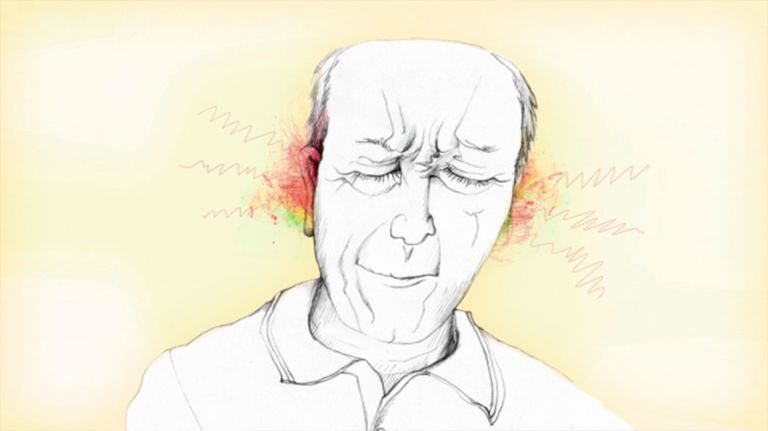
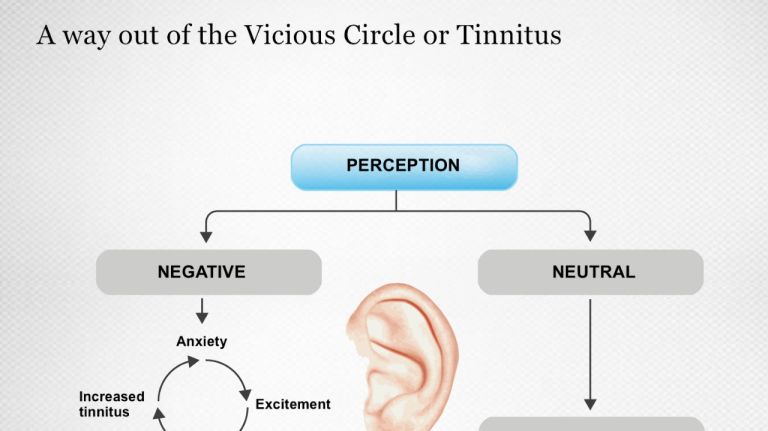
Tinnitus: The annoying whistling and buzzing does not originate in the ear, but in the brain.
It is a long way from purely mechanical vibrations to the world of sounds and tones.
Noise not only makes you ill, it also damages your brain.
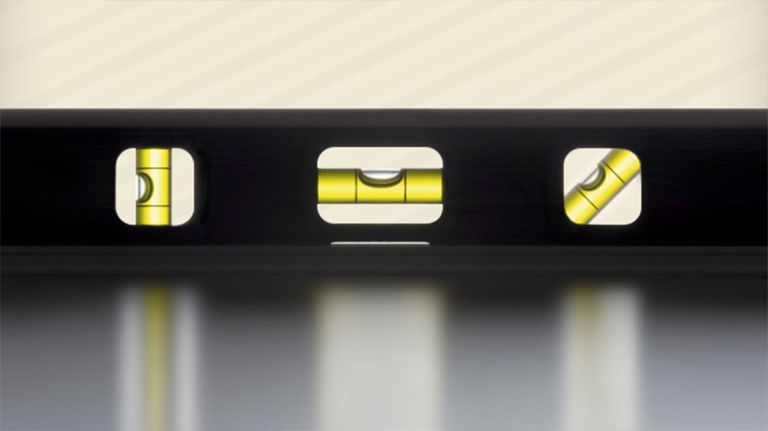
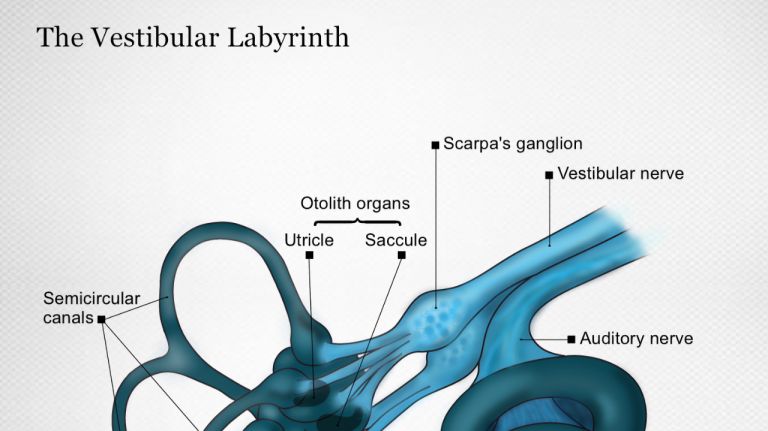
A sophisticated labyrinth in the ear keeps our body balanced: the vestibular system.
Widely distributed brain regions make the miracle of language possible.
How the ear processes fluctuations in air pressure into meaningful information.
Our ears are always tuned in. But what exactly are they picking up?
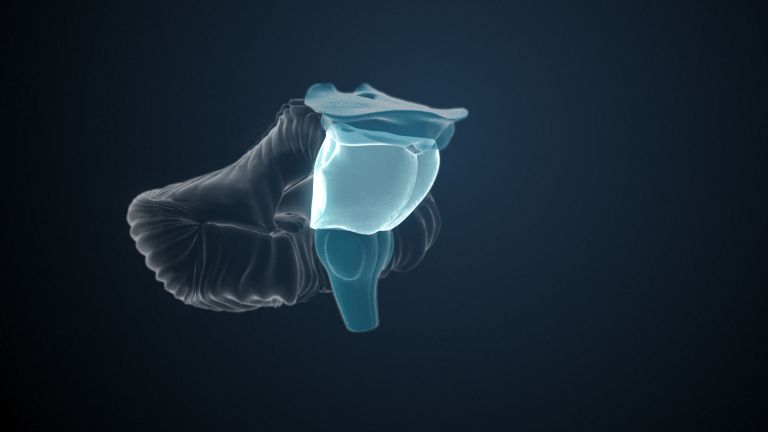
The name is not correct, but it is involved in motor function, taste, and important vegetative functions.
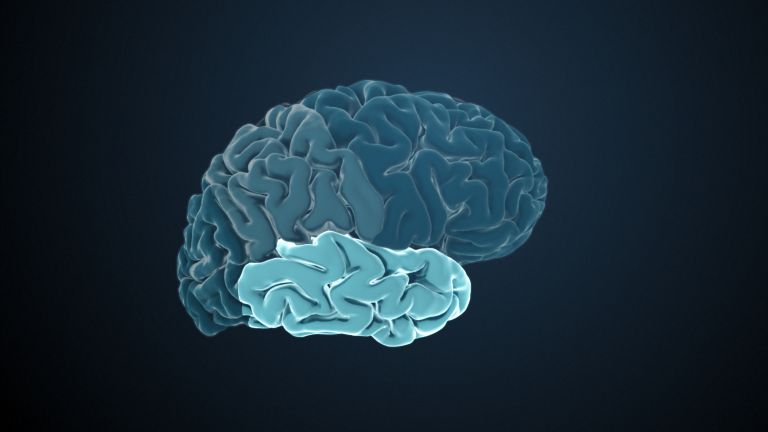
The lateral lobe of the cortex is responsible for tasks such as hearing, speaking, memory – and several others.
From falling trees to acoustic perception: philosophy in the primary auditory cortex.
There are about 86 billion neurons in the brain. They vary greatly in form and function – with one determining the other.
Hearing with the lower jaw or in the ultrasonic range: animals' hearing is very diverse.
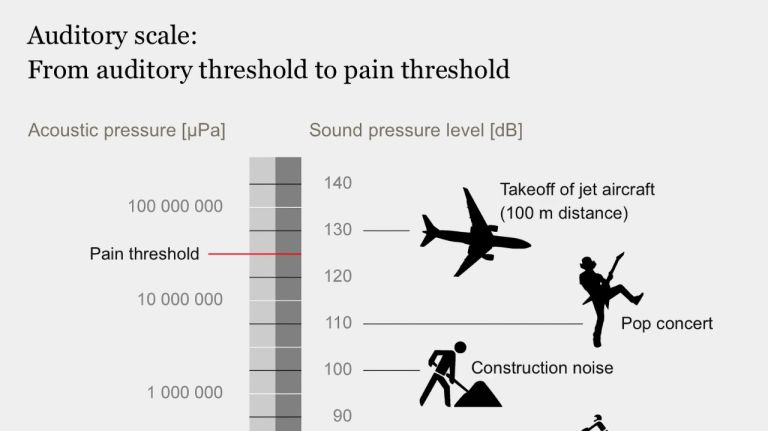
When does noise start to hurt?
Those who get used to the ringing in their ears can allow the tinnitus to fade into the background.
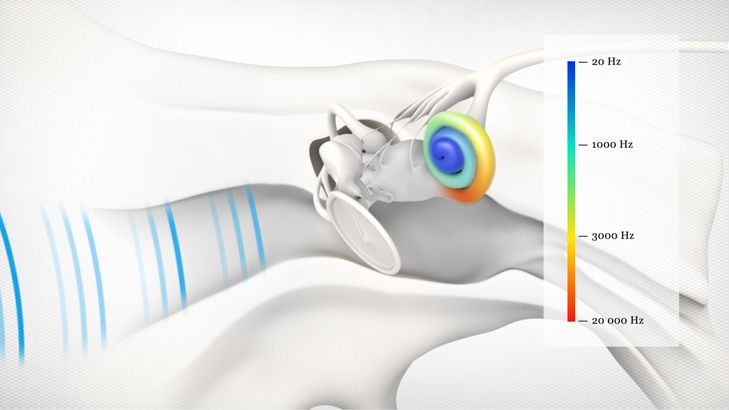
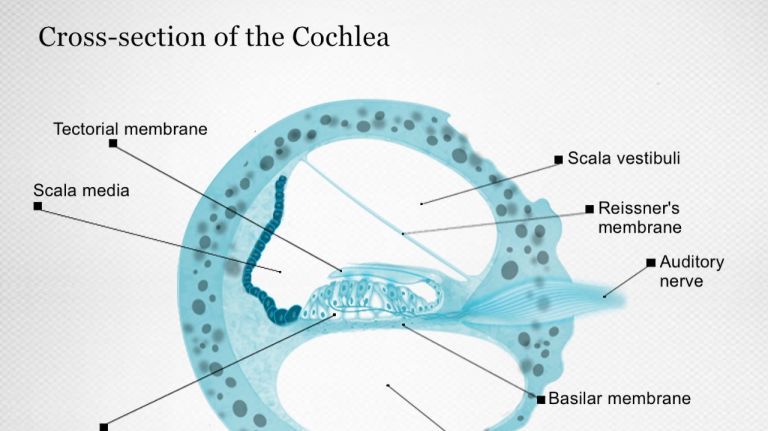
The inner ear contains a spiral structure that is very important for hearing: the cochlea.
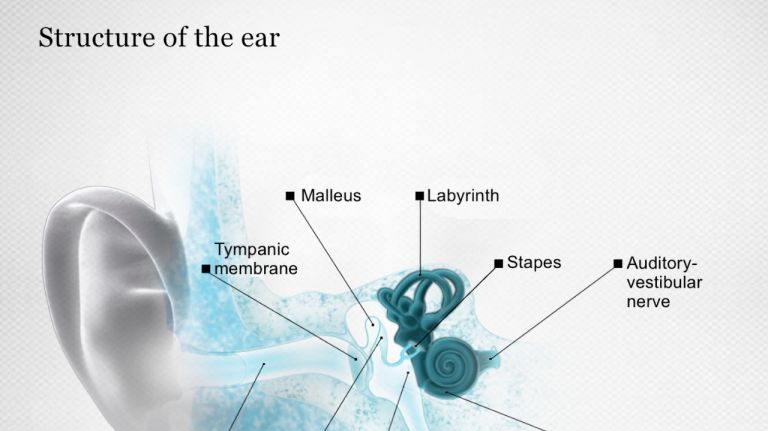
Cochlea or stirrup: The ear consists of many parts that are important for hearing.
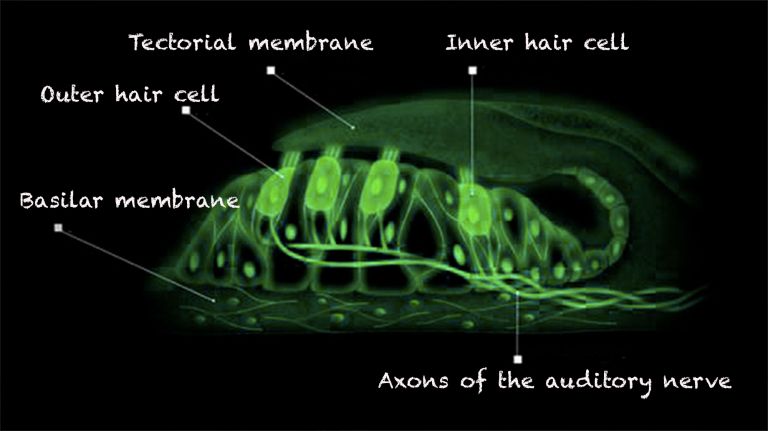
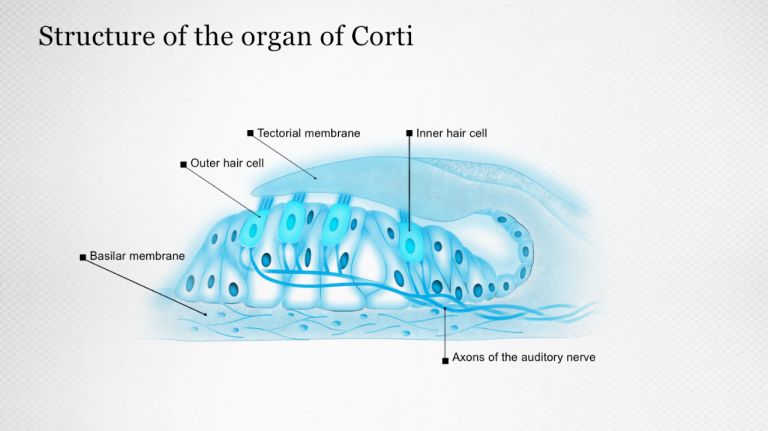
Sound is converted into electrical impulses in the ear. The organ of Corti plays a crucial role in this process.
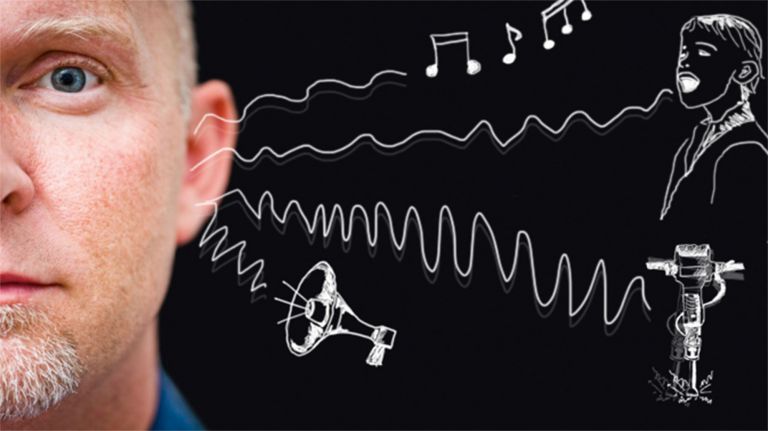
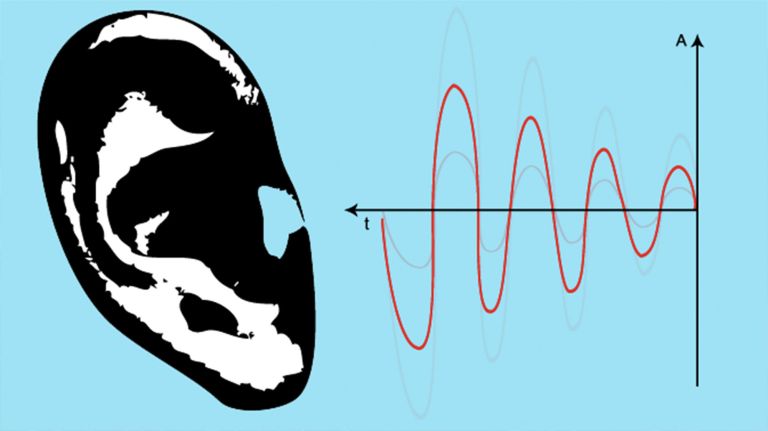
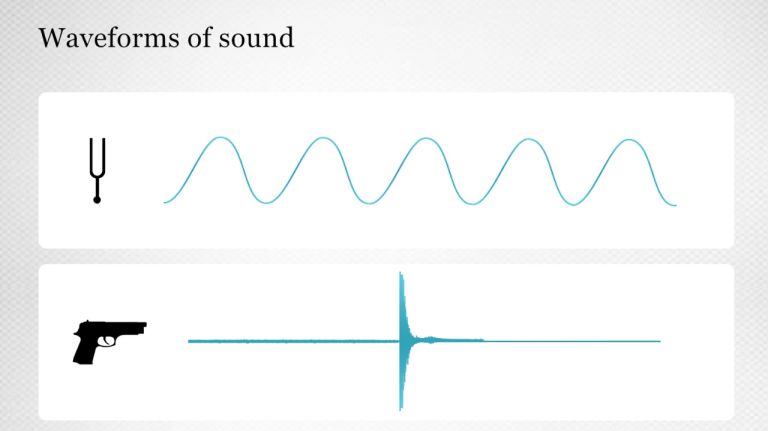
Sometimes uniform, sometimes chaotic: the appearance of sound waves depends on their source.
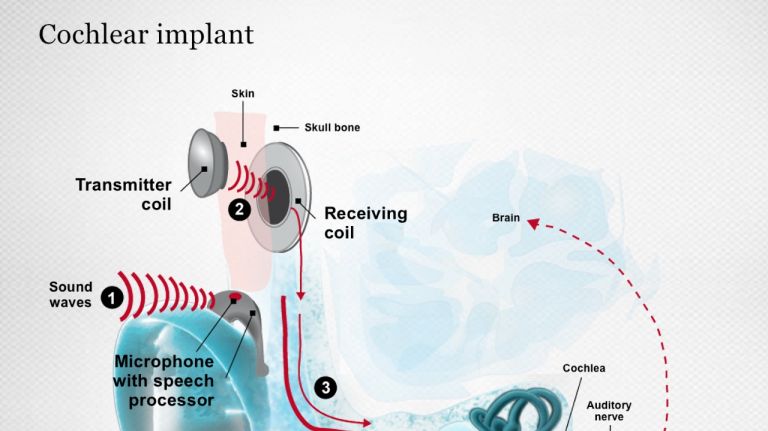
Thanks to one device, many deaf people can hear again: the cochlear implant.
A labyrinth for balance: The vestibular system ensures equilibrium.