The Wonders of Life
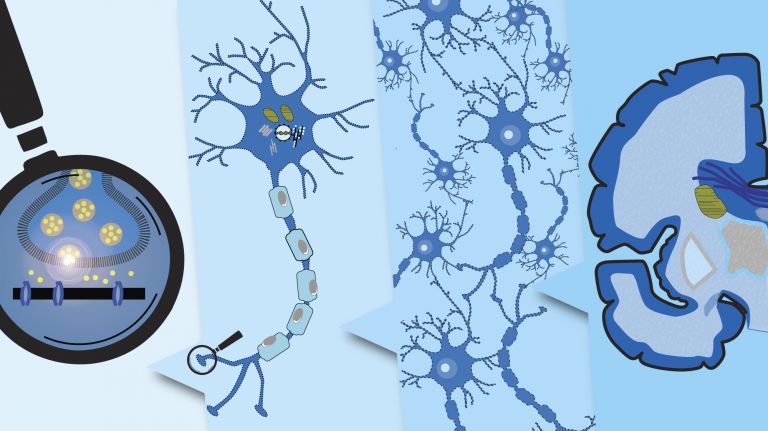
Life was once a miracle. Since then, it has become explainable organ by organ, cell by cell, molecule by molecule. And lo and behold: one cog meshes with another. Does that take away from the wonder of life? Quite the contrary!
Scientific support: Prof. Dr. Petra Wahle
Published: 30.04.2020
Difficulty: easy
- Life is a miracle.
- Using ever-improving methods, researchers worldwide are getting to the bottom of the mystery of life.
- As we move from organs to cells to molecules, ever-new and ever-more-exciting connections are revealed – for example, regarding which Gene is expressed, when, and why.
- For biology, this results in a mechanistic picture of life that emerges piece by piece, a picture that also holds up in practice: by manipulating biological processes, behavior can be reliably predicted.
- This mechanistic picture, however, is incredibly complex: even single signals can alter the entire system.
- Life is still a miracle. And it will remain so.
Gene
Information unit on DNA. Specialized enzymes translate the core component of a gene into ribonucleic acid (RNA). While some ribonucleic acids perform important functions in the cell themselves, others specify the order in which the cell should assemble individual amino acids into a specific protein. The gene thus provides the code for this protein. In addition, a gene also includes regulatory elements on the DNA that ensure that the gene is read exactly when the cell or organism actually needs its product.
How does the nervous system generate a specific behavior? This question has occupied neuroethology for nearly 100 years, beginning with the question of how various environmental stimuli are perceived. Initially, electrical brain stimulation was used – which brain region performs which function? – and later, neurochemical and neuropharmacological methods were also employed. Today, molecular biology techniques provide insights into the networks of nerve cells, yet at the same time, neuroethology has fallen somewhat out of favor. In neuroethology, the focus is on the animal: Why can a spiny lobster smell so well despite having so few nerve cells? How does a bat’s echolocation work? With genetically modified model animals such as the Black-6 mouse, the question could be posed in reverse – and thus more directly: What happens when certain genes are knocked out? Recently, however, neuroethology has been gaining ground again, as it provides cleaner models. Not least because animals from the genetic research toolkit would not be viable in the wild at all.
There’s no question about it: life is immense. Faust’s question about “whatever holds The world together in its inmost folds” remained unanswered for millennia. It was only with the Enlightenment that humans began to subdue the world intellectually, piece by piece. Based on everything we know today, the two decisive factors in the origin and evolution of life were chance and time. Given enough of both, amino acids can eventually form proteins, and ultimately, cells. Cells can then eventually come together to form multicellular organisms, develop so-called gonads specialized for reproduction, and thus pass on their genetic material. From generation to generation, the genetic material is constantly changing. Early on, numerous “blueprints” emerged that give the classes and orders of animals their characteristic appearance. Some aspects of these blueprints have proven to be fundamental – for example, most vertebrates have limbs. Yet some species have legs, some have fins, some have wings, and a few have neither.
A nervous system is virtually always included in the blueprint. This is because every new generation of life faces the same problem: to survive, it must adapt as best as possible to the prevailing conditions. In ancient times, for example, to the cellular toxin oxygen; to an overwhelming number of predators; or, conversely, to a lack of prey.
Nervous systems help organisms cope with life’s uncertainties and ensure the survival of the next generation.
Arms race
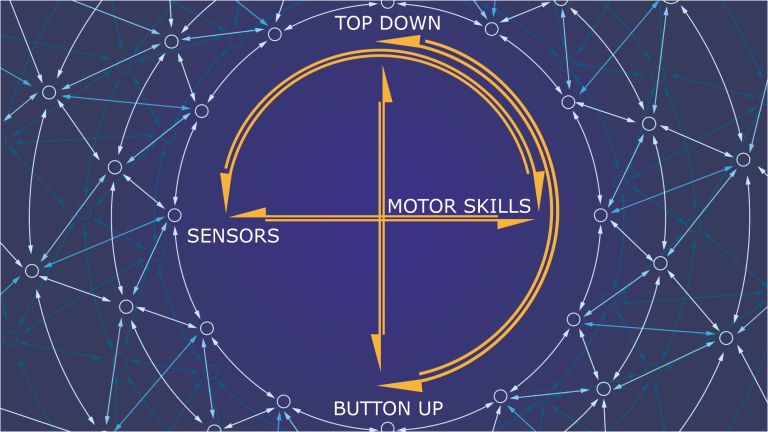
This Adaptation led to astonishing solutions: Single-celled organisms with flagella can move away from sources of danger and toward nutrients. Organisms that develop sensory receptors for light, temperature, or sound waves gain vital information about their environment from these stimuli. Those that expand their motor capabilities can move faster and/or farther.
The need to link a stimulus with the appropriate response gave rise to the first nervous systems: simple neural networks, such as those of the freshwater polyp Hydra or jellyfish, in which the sensory system communicates directly with the motor system. Of course, this is not enough for higher organisms. And since life usually feeds on other life, a kind of arms race developed over millions of years: Insects that once felt safe in the darkness of night eventually found themselves confronted by nocturnal predators such as bats or owls. Completely different sensory systems – echolocation on one side, incredible hearing on the other – enabled these two species to reliably forage within their respective nocturnal evolutionary niches. But the prey also develops its own tricks – such as the moon moth (Actias luna), which confuses bats with its elegantly elongated wing shape. As mentioned: an evolutionary arms race.
Adaptation
Adaptation refers to the process by which the sensory organs, the perceptual system, or the entire organism adjusts to the intensity and quality of stimuli and to changes in environmental conditions. In visual adaptation, for example, the pupil and the sensitivity of the photoreceptors regulate themselves according to the prevailing light conditions.
Niche specialists
Specialization in specific foods or habitats aids survival. Adaptation to these ecological niches has led to fascinating evolutionary solutions. Let’s stick with owls: Like us and other terrestrial vertebrates, they have an eardrum, Ossicles in the middle ear, and Hair cells in the inner Ear that respond to different frequencies (though the ability to process higher frequencies has only been part of their repertoire for the past 50 million years). An Auditory nerve carries this information to the brain, where it is processed – that’s it.
That sounds simple, but it’s full of subtleties. In barn owls, for example, the ears are positioned asymmetrically, which makes it easier to locate the sound source. Their auditory system is accordingly designed to process the incoming signals optimally – the inferior Nucleus in the owl’s Midbrain contains location-specific neurons, each of which responds to specific areas in space, creating an acoustic map of the surroundings. This and several other unique features of the owl’s nervous system – such as the integration of time difference and intensity – make the barn owl a highly dangerous nocturnal hunter: it can hear the movement of a mouse even beneath a 50-centimeter-thick blanket of snow.
The South American green knifefish Eigenmannia virescens has developed entirely different abilities driven by completely different needs: It senses its environment via a special organ that produces electric fields. Objects and organisms in its surroundings – such as sand, plants, or even other fish – disrupt these fields, which the knifefish in turn perceives through additional organs in its skin. This system would, of course, become disrupted as soon as two fish encounter each other that are “transmitting” on the same frequency. But even that can be resolved: When they meet, both fish simply change their frequency – one up, the other down. Thanks to this “jamming avoidance response,” the fish are once again able to recognize their own frequency. Of course, this is also made possible by a very specific neural architecture.
Adaptation
Adaptation refers to the process by which the sensory organs, the perceptual system, or the entire organism adjusts to the intensity and quality of stimuli and to changes in environmental conditions. In visual adaptation, for example, the pupil and the sensitivity of the photoreceptors regulate themselves according to the prevailing light conditions.
Ossicles
The three bones located in the middle ear – the stapes, malleus, and incus – are known as the ossicles. These are the smallest bones in the human body. They mechanically transmit sound waves from the eardrum to the cochlea.
Hair cells
Sensory cells in the inner ear located in the organ of Corti and the semicircular canals. The hair cells in the organ of Corti are responsible for transducing (converting) the vibrations into electrical potentials. Each of these sensory cells has hair-like protrusions of varying lengths, called stereocilia. These are interconnected. The movement of these stereocilia caused by the vibrations is the key to signal transduction in the hair cells.
Ear
auris
The ear is not only the organ of hearing, but also of balance. A distinction is made between the outer ear with the auricle and external auditory canal, the middle ear with the eardrum and ossicles, and the actual hearing and balance organ, the inner ear with the cochlea and semicircular canals.
Auditory nerve
nervus cochlearis
The hair cells of the organ of Corti stimulate neurons in the spiral ganglion, which is located in the cavity of the cochlea. Their axons form the auditory nerve, which transmits electrical impulses from the inner ear to the brain. Together with the vestibular nerve (nervus vestibularis), the auditory nerve forms the VIII cranial nerve.
inferior
An anatomical position designation – inferior means located further down, the lower part.
Nucleus
In cell biology, the nucleus in a cell is the cell nucleus, which contains the chromosomes, among other things. In neuroanatomy, the nucleus in the nervous system refers to a collection of cell bodies – known as gray matter in the central nervous system and ganglia in the peripheral nervous system.
Midbrain
mecencephalon
The midbrain is the uppermost section of the brain stem. Its regions are located around the aqueduct, a canal filled with cerebrospinal fluid. Prominent structures include the tectum, tegmentum, and substantia nigra.
Piece by piece
Neuroethology investigates the functional blueprint of such highly specialized nervous systems – it looks directly into the cards of evolution. Today, experts in the field can already assess quite reliably, based on the wiring of an auditory system, how the animal in question hears.
The step from neuroethology to basic research is a small one. For what really happens at the level of individual cells? Neuroscientists such as Eve Marder and Eric Kandel have studied this in great detail in lobsters and the marine snail Aplysia, respectively. Thanks to Aplysia, we know, for example, exactly which Neuron is responsible for triggering the gill retraction reflex in response to a fear-inducing stimulus. It is the same cell in every animal. But that was only the beginning of the story of Kandel and Aplysia. Ultimately, with the help of the sea slug, Kandel uncovered fundamental molecular mechanisms of learning – mechanisms that also operate in mammals.
To Eve Marder we owe our understanding of just how complex even tiny networks operate. Marder studies the digestive system of crabs, which consists of only 26 neurons. A tiny network in a very simple animal, and yet its output signals respond with astonishing flexibility to input signals and can even change accordingly.
26 neurons – that really isn’t much. And yet this tiny circuit has been a popular model system in research for decades – and even today continues to surprise large research teams with ever-new insights.
Neuron
A neuron is a specialized cell in the nervous system that is responsible for processing and transmitting information. It receives signals via its dendrites and transmits them via its axon. Transmission occurs electrically within the neuron and, between neurons, usually chemically via synapses.
The mechanistic view
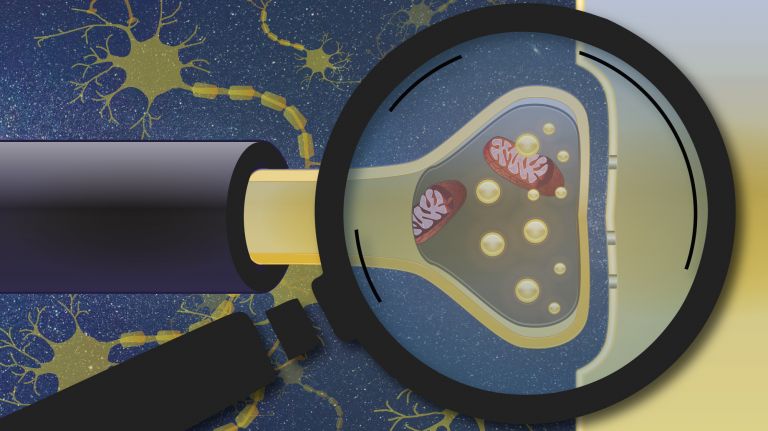
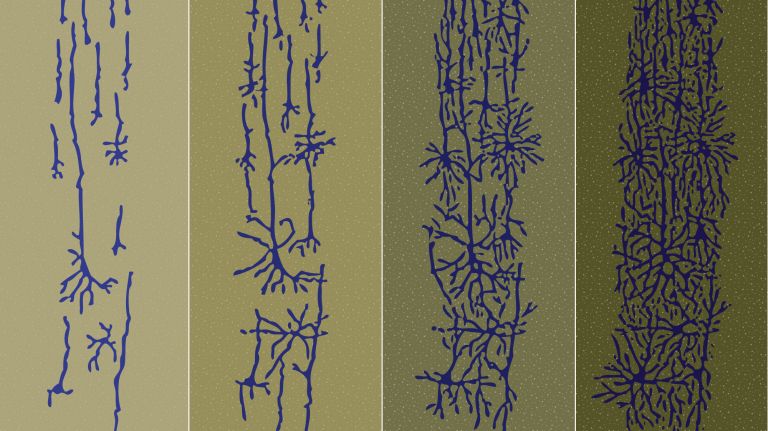
This type of basic research may not seem particularly significant to some. How relevant can a snail’s gill retraction reflex or a crustacean’s digestive system really be to humans? But as we use increasingly sophisticated methods to examine the mechanisms of various nervous systems with ever-greater precision, an increasingly detailed overall picture emerges: nerve cells organize themselves into networks. They communicate via electrical impulses and chemical messengers. Released by the “sender,” these messengers are detected and interpreted by the “receiver” through receptors and ion channels in the cell membrane. Cascades of downstream signaling molecules on their way to the cell Nucleus initiate Gene expression there and thus the production of proteins. These proteins enable Plasticity – they make these networks flexible. This alters the communication between the involved cells and, ultimately, behavior. This is true for humans as well.
This overall picture is a mechanistic one and no longer sounds wonderful at all: Are we humans, as the crown of creation – which we so readily consider ourselves to be – merely the sum of our nerve cells’ activity?
Nucleus
In cell biology, the nucleus in a cell is the cell nucleus, which contains the chromosomes, among other things. In neuroanatomy, the nucleus in the nervous system refers to a collection of cell bodies – known as gray matter in the central nervous system and ganglia in the peripheral nervous system.
Gene
Information unit on DNA. Specialized enzymes translate the core component of a gene into ribonucleic acid (RNA). While some ribonucleic acids perform important functions in the cell themselves, others specify the order in which the cell should assemble individual amino acids into a specific protein. The gene thus provides the code for this protein. In addition, a gene also includes regulatory elements on the DNA that ensure that the gene is read exactly when the cell or organism actually needs its product.
Plasticity
Neuroplasticity
The term neuroplasticity describes the ability of synapses, nerve cells, and entire areas of the brain to change structurally and functionally depending on the degree to which they are used. Synaptic plasticity refers to the adaptation of the signal transmission strength of synapses to the frequency and intensity of incoming stimuli, for example in the form of long-term potentiation or depression. In addition, the size, interconnection, and activity patterns of different areas of the brain also change depending on their use. This phenomenon is referred to as cortical plasticity when it specifically affects the cortex.
Fly movement
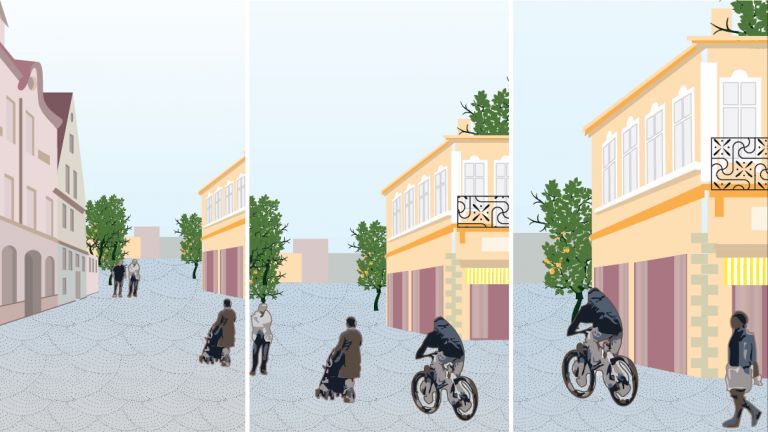
Let’s look at a very practical example by simply taking a few steps forward. As soon as we do so, our forward movement shifts the image of the environment past our eyes and toward the back. This so-called “optical flow” must be compensated for by the nervous system; otherwise, we’d lose our bearings.
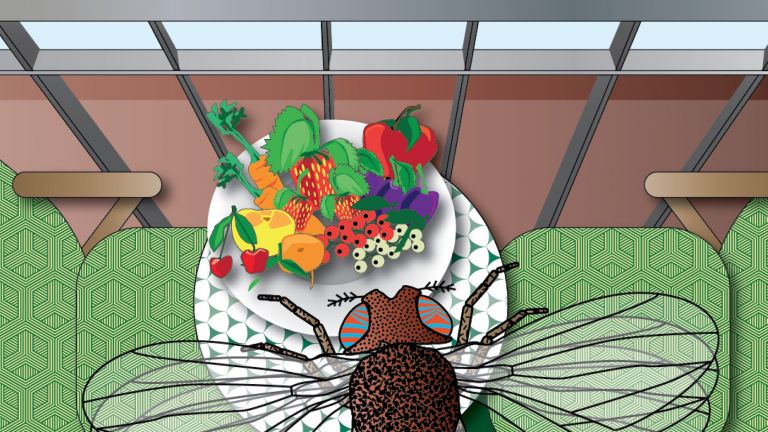
Many living organisms face this complex problem, and the fruit fly solves it with just three cells per brain Hemisphere: These “HS cells” respond to the preferred direction of a light stimulus with increased activity and to the opposite direction with decreased activity. This, in turn, has a direct influence on the running speed of the legs. Things get mechanistic as soon as you reverse this process, as Alex Mauss (then) at the (now)
Max Planck Institute for Biological Intelligence has done: By influencing the activity of the HS cells, he can manipulate the running behavior of the tiny fly. In other words, Mauss alters behavior by influencing the activity of specific neurons.
Hemisphere
The cerebrum and cerebellum each consist of two halves – the right and left hemispheres. In the cerebrum, they are connected by three pathways (commissures). The largest commissure is the corpus callosum.
Intelligence
Intelligence
Collective term for human cognitive performance. According to British psychologist Charles Spearman, cognitive performance in different areas correlates with a general factor (g factor) of intelligence. This means that intelligence can be expressed as a single value. American psychologist Howard Gardner, among others, has developed a counter-concept to this, known as the "theory of multiple intelligences." According to this theory, intelligence develops independently in the following eight areas: linguistic, logical-mathematical, musical-rhythmic, visual-spatial, bodily-kinesthetic, naturalistic, intrapersonal, and interpersonal.
The wonder of complexity
Now, the fruit fly has about 100,000 neurons, and humans have about 86 billion. We are obviously much more complex, and accordingly, brains are often described in terms of the most advanced technology available at the time. The philosophers of the Enlightenment liked to think in terms of the mechanical processes of water pumps and the gears of watchmakers. In the 1970s, it was computers. Today, it’s complex networks.
Complexity is a complicated concept – it shows just how little we actually know. For wherever we’ve discovered a new mechanism in recent decades, it has always presented us with new questions and often opened up an entirely new world. Tiny discoveries suddenly lead to entirely new fields of brain research, and we uncover a complexity that no one could have imagined before. The best-known example of this is probably artificial Intelligence: In the 1960s, computers were on the verge of achieving it. At least, that’s what computer scientists at the time thought – though they weren’t overestimating future computers, but rather underestimating intelligence and consciousness.
Intelligence
Intelligence
Collective term for human cognitive performance. According to British psychologist Charles Spearman, cognitive performance in different areas correlates with a general factor (g factor) of intelligence. This means that intelligence can be expressed as a single value. American psychologist Howard Gardner, among others, has developed a counter-concept to this, known as the "theory of multiple intelligences." According to this theory, intelligence develops independently in the following eight areas: linguistic, logical-mathematical, musical-rhythmic, visual-spatial, bodily-kinesthetic, naturalistic, intrapersonal, and interpersonal.
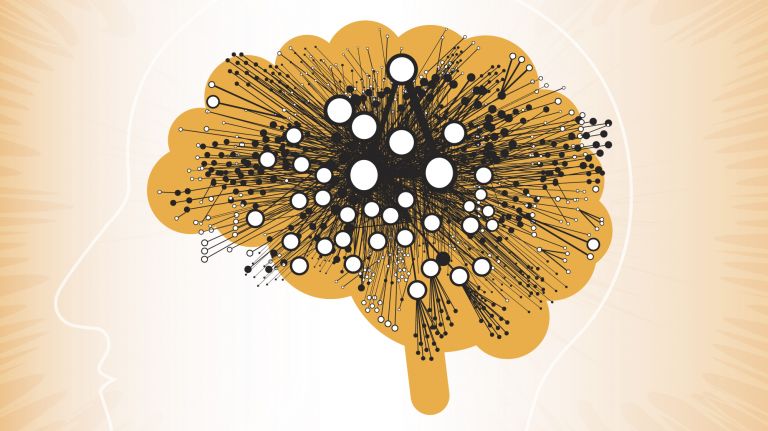
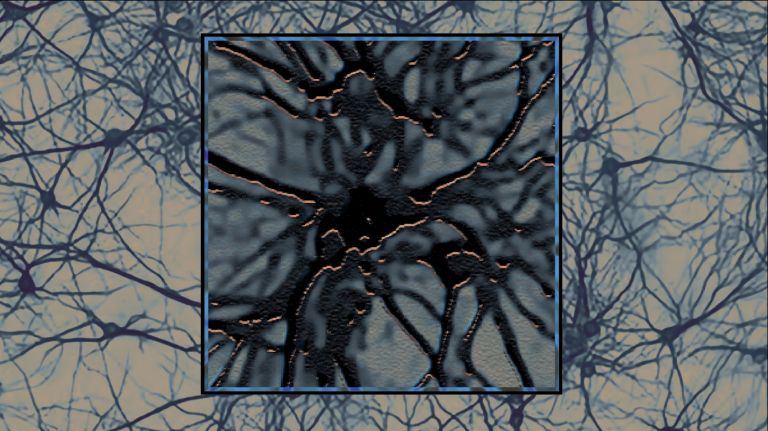
Facets of life
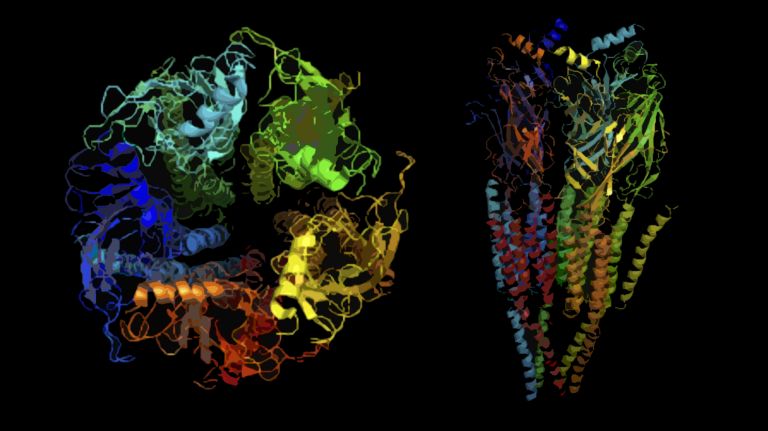
This happens time and again; most recently, for example, with a 2020 discovery regarding Gene expression. We already know a great deal about this: A section of DNA is activated and opens up to the proteins of the transcriptional machinery. A specific region – that is, the blueprint for a specific protein, since DNA provides nothing else – is transcribed and transported via so-called “messenger RNA” to the Protein synthesis factories outside the cell nucleus, where the protein is produced. This is how it works for every cell. And that’s what every textbook says.
Then came the discovery in question. It concerns invertebrate cephalopods – octopuses and squids. They are apparently able to modify the messenger RNA on its way from the cell Nucleus to the site of production. At the very least, modified proteins are found in their axons that are adapted to the needs of these notoriously intelligent animals. Or, to put it another way, the neurons of cephalopods generate “mutations” by correcting the genetic code – mutations that do not affect the genetic material in the cell nucleus and thus do not alter the organism of the next generation. We’ve only just begun to marvel at the technical and experimental possibilities offered by CRISPR/Cas technology, and now the octopus has outsmarted us.
Life – and especially the nervous system – is far more wondrous than we ever imagined. For despite all the mechanics involved, even single signals can alter the entire system – and thus signal processing. Today’s “cogs” are highly dynamic processes.
Gene
Information unit on DNA. Specialized enzymes translate the core component of a gene into ribonucleic acid (RNA). While some ribonucleic acids perform important functions in the cell themselves, others specify the order in which the cell should assemble individual amino acids into a specific protein. The gene thus provides the code for this protein. In addition, a gene also includes regulatory elements on the DNA that ensure that the gene is read exactly when the cell or organism actually needs its product.
Protein synthesis
The process by which cells translate units of information on DNA into functional carriers in the form of proteins. According to the central dogma of molecular biology, this process consists of two phases: During transcription, a section of genetic material is transcribed into mRNA. This tells the cell the sequence in which it should assemble individual amino acids into a protein. This happens during translation. After translation, some proteins still need to be folded or modified in other ways before they can be used as structural proteins or enzymes.
Nucleus
In cell biology, the nucleus in a cell is the cell nucleus, which contains the chromosomes, among other things. In neuroanatomy, the nucleus in the nervous system refers to a collection of cell bodies – known as gray matter in the central nervous system and ganglia in the peripheral nervous system.
So, what now?
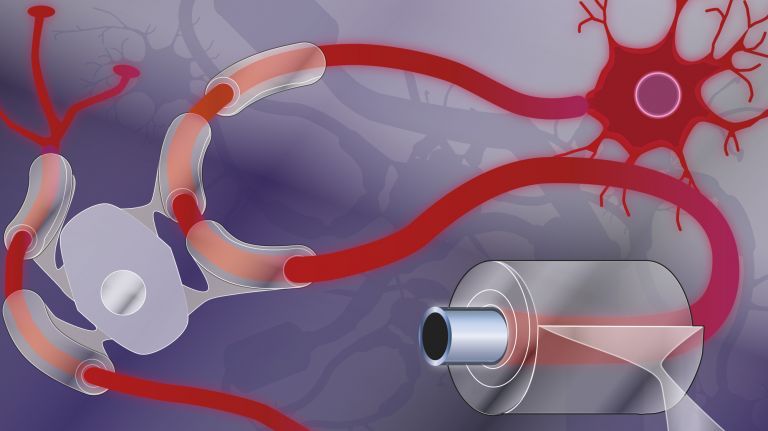
As fascinating as these findings are – basic research often has an image problem: Who cares which gears mesh with which others when a vaccine is needed right now? Applied research seems much more profitable than the aimless generation of fundamental knowledge. But that overlooks the timeline: What seems useless today may be highly relevant tomorrow. What basic researchers discovered about Oligodendrocytes decades ago now forms the crucial foundation for treatments for Multiple sclerosis The more we learn about the mechanisms of cellular metabolism following damage, the better we can treat stroke patients. This relevance becomes apparent in the interplay with applied science. Its successes are made possible – sometimes decades later – by basic research.
Oligodendrocytes
Cells of the central nervous system that form the myelin sheath around nerve cells, thereby increasing their conduction velocity. They belong to the glial cells.
Multiple sclerosis
encephalomyelitis disseminata
A common neurological disease that predominantly occurs in young adults. For reasons that are still unclear, the body's own cells attack and destroy the myelin sheaths of nerve cells. This can happen throughout the central nervous system, which is why two different multiple sclerosis patients can suffer from very different symptoms. Common symptoms include visual disturbances, numbness in the arms and legs, but also coordination problems, muscle weakness, and bladder problems.
stroke
Cerebral apoplexy
In a stroke, the brain or parts of it are no longer supplied with sufficient blood, which impairs the supply of oxygen and glucose. The most common cause is a blockage in an artery (ischemic stroke), less commonly a hemorrhage (hemorrhagic stroke). Typical symptoms include sudden visual disturbances, dizziness, paralysis, speech or sensory disturbances. Long-term consequences can include various sensory, motor, and cognitive impairments.