Senses and Actions
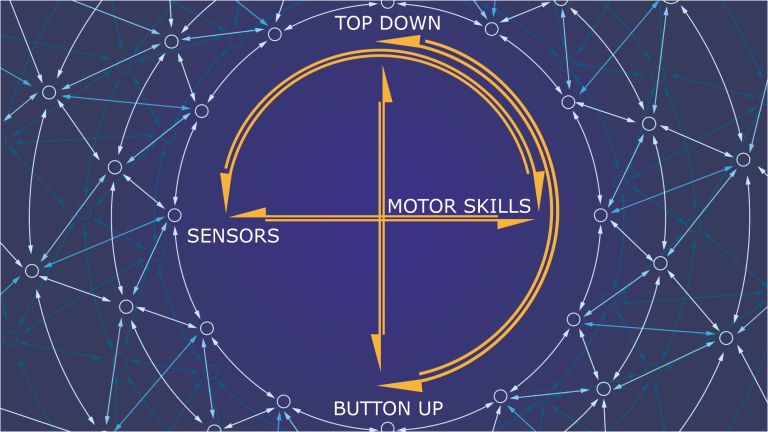
From individual sensory cells to complex behavior: The nervous system achieves this through numerous highly dynamic feedback loops.
Scientific support: Prof. Dr. Andreas Draguhn
Published: 18.12.2021
Difficulty: easy
- Animals are often on the move – searching for food, mates, or safety. To do this, they need a nervous system that effectively coordinates sensory input with behavior.
- Important sensory inputs must be quickly detected and correctly interpreted in order to generate appropriate behavioral commands for the motor system. In the simplest case, a single stimulus is sufficient to trigger a clear response. Some behaviors can therefore be explained bottom-up – such as certain reflexes.
- Often, however, the situation is more complicated. In such cases, higher-level networks influence processing in the sensorimotor networks based on experience, expectations, and multiple sensory inputs – that is, top-down.
- Until now, we have conceived of sensory processing as a hierarchical system in which cells with different specializations sequentially filter out various pieces of information from the inputs of the cells upstream of them. Recent research shows, however, that information does not flow in just one direction but often involves complex and dynamic feedback loops between sensory, motor, and associative “higher-level” networks.
- Such feedback loops extend all the way back to the sensory organs. Based on prior experiences and other internal information, the nervous system develops expectations that influence Perception itself. For example, we react particularly sensitively to unexpected stimuli, which helps us be well-prepared for surprises.
Perception
The term describes the complex process of gathering and processing information from stimuli in the environment and from the internal states of a living being. The brain combines the information, which is perceived partly consciously and partly unconsciously, into a subjectively meaningful overall impression. If the data it receives from the sensory organs is insufficient for this, it supplements it with empirical values. This can lead to misinterpretations and explains why we succumb to optical illusions or fall for magic tricks.
Perceiving the world and reacting to it – this characterizes all life, from the simplest single-celled organism to the most complex primate. Animals interact with their environment most masterfully, because – unlike many other organisms – they are in constant motion for at least part of their lives: in search of food, mates, or safety. Such a lifestyle requires the ability to react quickly and flexibly to the ever-changing outside world – to make the best possible use of opportunities and to avoid risks as much as possible. The key to success, forged over more than 500 million years of evolution, is a nervous system in which sensory and motor functions work together skillfully.
It probably all began very slowly. Charnia, the organism believed to be the first animal, resembled a fern leaf and lived in the ocean over 550 million years ago, presumably still quite immobile. The growth pattern documented in fossils alone seems distinctly animal-like. The first animals with bilateral body plans then used a central data processor – a brain – to coordinate their activities. And around 541 million years ago, rising sea levels on a warming Earth washed minerals into the ocean that animals could use for the first time as building materials for skeletons and shells.
Completely in the here and now
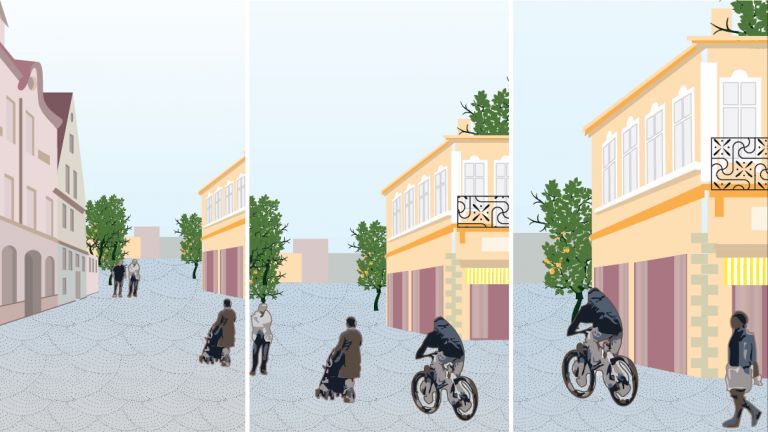
In the now-unfolding dance of hunters, gatherers, and the hunted – of animals courting, competing, or migrating – sensory and motor skills became crucial for survival. The recipe for success seems simple: from moment to moment, it’s about perceiving what’s important and then doing what’s right. This requires three components: 1. a sensory system that receives stimuli from the environment, 2. processors that process this information and calculate appropriate behavioral responses, and 3. a motor system capable of executing them.
Simply put
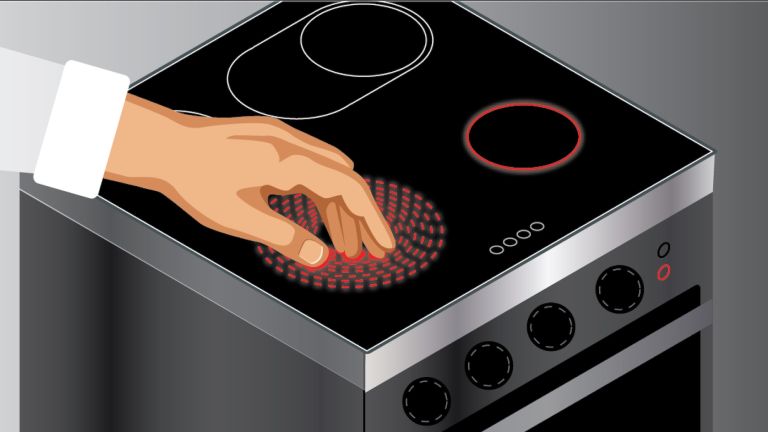
Some animal behavioral patterns can be understood using such a simple schema. Circuits with clear pathways – running from the bottom up, from a sensory stimulus to processing and then on to a motor response – are found, for example, in reflexes, through which an animal reacts quickly and involuntarily in the same way every time to certain external stimuli.
Some reflexes are innate. The blink reflex, for example, is the body’s response to sudden stimuli or danger signals to protect the sensitive Eye from damage. Other reflexes are acquired over the course of an animal’s life, as it learns that a specific behavior proves effective in certain situations. A famous example of this is the salivary reflex, through which Ivan Petrovich Pavlov’s dogs responded to the sound of a bell that always rang shortly before feeding time. The animals had learned to perceive the sound as a reliable signal for the impending digestive process.
Eye
bulbus oculi
The eye is the sensory organ responsible for perceiving light stimuli – electromagnetic radiation within a specific frequency range. The light visible to humans lies in the range between 380 and 780 nanometers.
Planning is more complex
However, such rigid behavioral patterns are far from sufficient to achieve everything that is necessary or desirable in a changing world. This is especially true when it comes to more complex behavior that must take many factors into account and may even require longer-term planning. The way a nervous system solves such tasks while striking the right balance between stimulus Perception and response selection is best viewed top-down – that is, from the top down. This is because planning also incorporates experience, and experience leads to expectation. Higher-level circuits accordingly influence the processing of certain stimuli by upstream networks by acting as a filter. Such circuitry enables significantly more complex behavior.
Perception
The term describes the complex process of gathering and processing information from stimuli in the environment and from the internal states of a living being. The brain combines the information, which is perceived partly consciously and partly unconsciously, into a subjectively meaningful overall impression. If the data it receives from the sensory organs is insufficient for this, it supplements it with empirical values. This can lead to misinterpretations and explains why we succumb to optical illusions or fall for magic tricks.
The complex reality
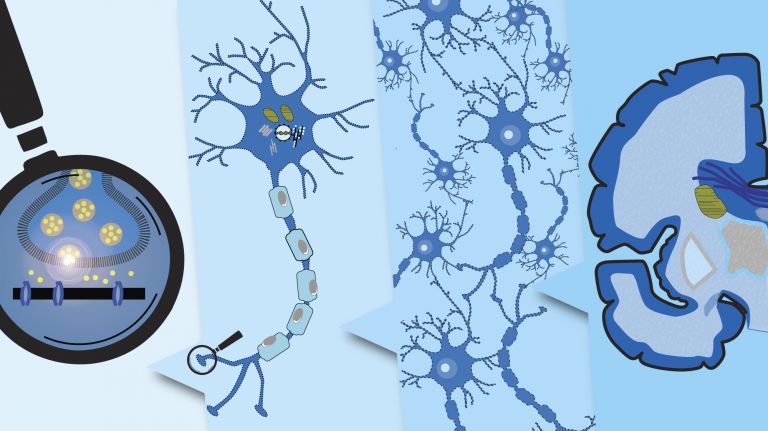
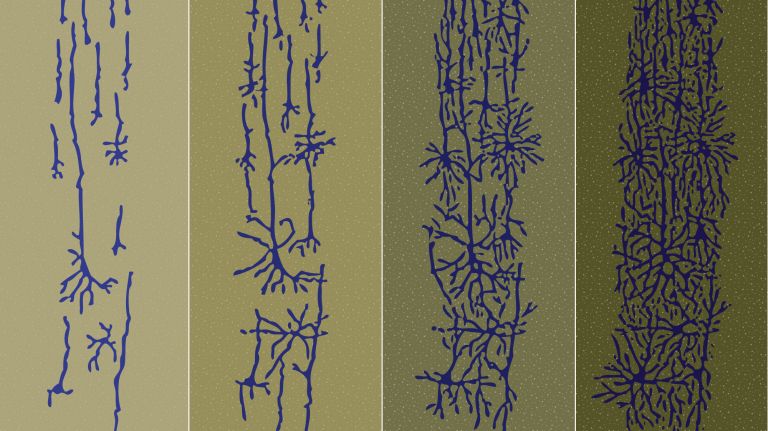
Reality usually lies somewhere between these two extremes. The neural pathways of sensory and motor systems rarely operate in a single-track fashion. Instead, even for seemingly simple behavior, information from multiple sources must often be integrated, and the result must then be fed back to multiple target regions in the body. These integration and distribution processes take place at different levels. Initially, sensory cells detect specific stimuli ▸ Senses with Purpose. The neurons and networks linked to them then function like a series of filters that respond to different aspects of sensory impressions. They pass the extracted information on to the next level for processing: it is further filtered and integrated with information from other sensory organs or central neural networks.
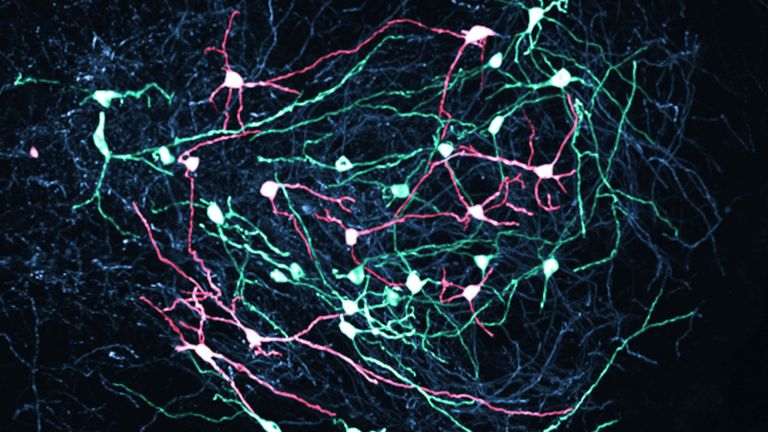
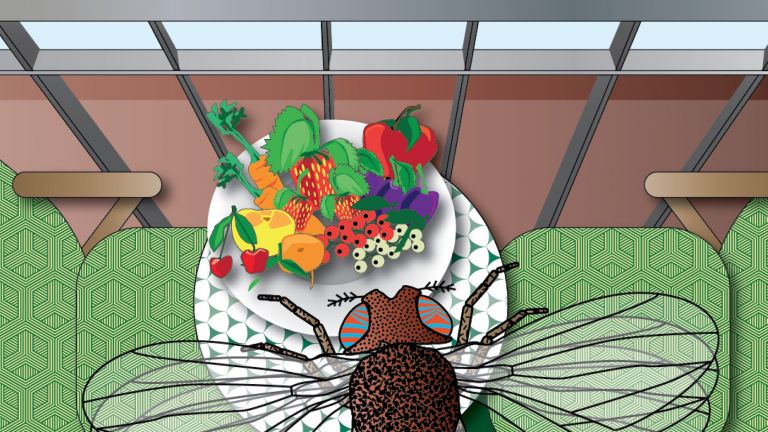
Fruit flies, for example, must orient themselves in a three-dimensional world as they navigate through the air and avoid obstacles and predators. The Photoreceptors in their eyes respond to specific light intensities or wavelengths, while other sensory cells respond to the position of their own bodies or to sounds. Differently specialized cells at the next level filter out further details from the information – for example, the direction from which various signals originate or the rate at which they change. At an even higher level, additional cells integrate these components into spatiotemporal patterns that correspond to an overall picture of the current situation and possible courses of action.
Photoreceptors
Photoreceptors are the light-sensitive cells of the retina; they convert light into electrical potentials. There are approximately 127 million photoreceptors in the retina, including seven million cones and 120 million rods.
Movement in 3D
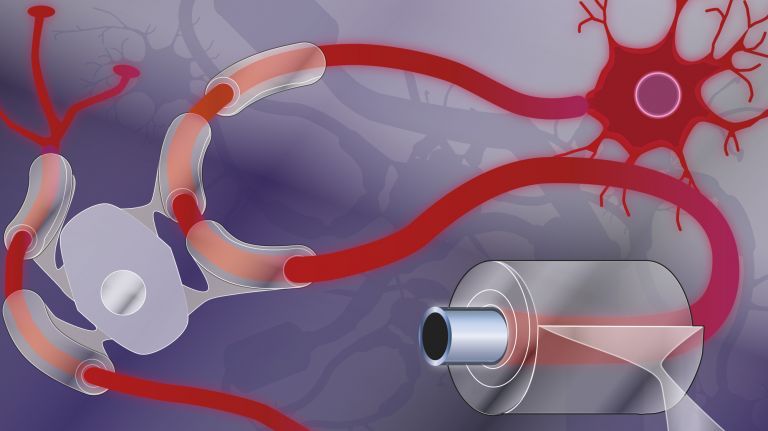
“Some cells respond only to changes from dark to light, while other downstream cells respond to shifts from bottom to top or from front to back,” explains Alex Mauss. Together with Alexander Borst at the Max Planck Institute of Neurobiology in Munich, he has investigated how communication between individual cell types and various neural circuits proceeds when fruit flies correct their flight path. In doing so, the fly must not only take the external environment into account but also how that environment relates to its own movement. Using optogenetic methods, individual cell types can be activated or deactivated using light to investigate their contribution to the fly’s behavior. “What a single cell does can function as a control signal to correct the fly’s course, causing it, for example, to change its running behavior or wingbeat,” says Mauss.
Transmitter = receiver
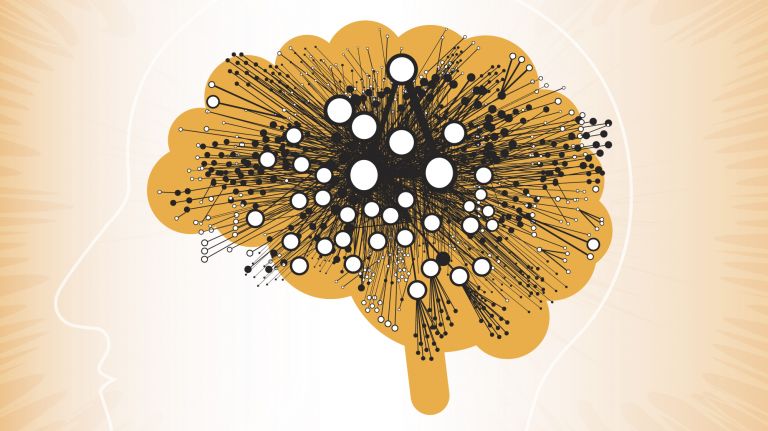
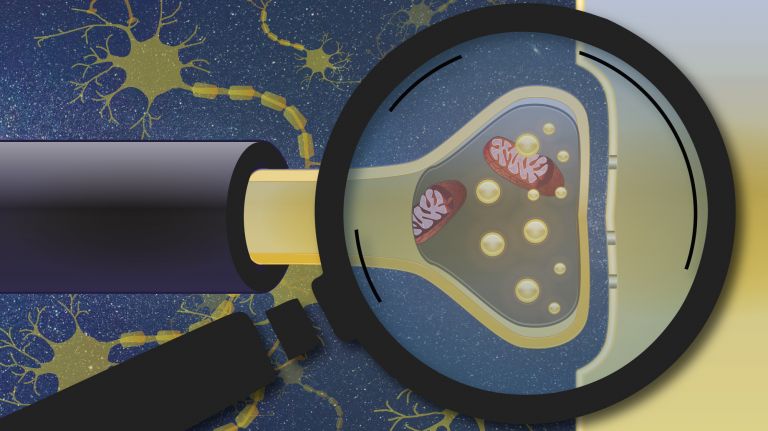
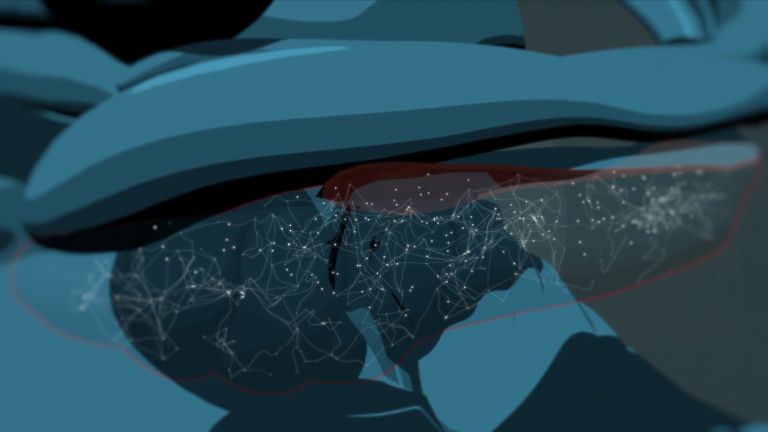
Sensory and motor systems interact not only on multiple levels but also in both directions: they send a diverse range of feedback back and forth in a lively two-way exchange. Even simple nervous systems can thus masterfully coordinate sensory input and behavioral commands. Predatory box jellyfish, for example, do not even have a brain, but merely a nerve ring connected to a series of sensory organs. These sensory organs include multiple eyes and balance organs with different functions and orientations, which are well interconnected with one another and with the jellyfish’s motor system. This local networking is sufficient to allow the jellyfish to perform complex swimming maneuvers. “This works because the sensory system has direct access to the motor system – and vice versa,” explains Benedikt Grothe of Ludwig Maximilian University of Munich. “The eyes directly influence how the jellyfish moves.”
Some forms of feedback between sensory and motor systems have been known for some time. For example, it has been known since the mid-20th century that copies of motor commands (so-called efferent copies) are sent to sensory areas so that information about the body’s own movements can be integrated there with new sensory information. This is necessary to correctly assess how one’s Perception of the environment changes as a result of one’s own movements. Otherwise, distorted perceptions would arise.
However, it has only recently become truly clear just how diverse and complex the interaction between sensory and motor systems ▸ What Nerves Connect actually is in order to optimally adapt behavior to the environment. “Nervous systems function not only as external but also as internal communication systems,” says Grothe: “In our search for rules governing information processing from one level to the next, we have too often looked only in one direction and then realized that this is only half the truth.”
In the human auditory system, for example, contrary to initial expectations, the goal is by no means to construct as accurate a representation of the environment as possible or to pinpoint the exact location of a sound source. While such a concept might work in soundproof chambers free of background noise, in real life – where numerous stimuli constantly bombard all the senses and even interfere with one another – the system functions differently.
Perception
The term describes the complex process of gathering and processing information from stimuli in the environment and from the internal states of a living being. The brain combines the information, which is perceived partly consciously and partly unconsciously, into a subjectively meaningful overall impression. If the data it receives from the sensory organs is insufficient for this, it supplements it with empirical values. This can lead to misinterpretations and explains why we succumb to optical illusions or fall for magic tricks.
Expectation and reality
“We thought we were constructing a picture of our surroundings, but that’s an illusion,” says Grothe. Instead, neural circuits process numerous local and system-wide feedback loops within milliseconds, taking into account both external stimuli and internal experiences, expectations, and reactions. Based on such findings, concepts such as predictive coding and active sensing have emerged, according to which sensory impressions in the Cortex are integrated with experiences, expectations, and behavioral dispositions, which in turn lead to certain expectations. These sharpen the sensory system particularly for stimuli that do not meet these expectations. Such surprises are now registered preferentially and trigger an alarm. The advantages of such fine-tuning are obvious: Those who maintain a keen awareness of unexpected dangers – or opportunities – amid the daily grind may thereby secure a decisive survival advantage.
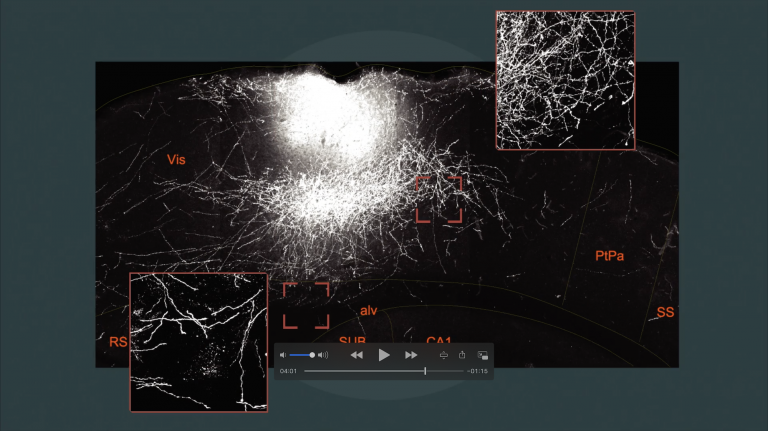
The realization that sensory and motor systems do not follow rigidly fixed, hierarchical pathways, but rather interact with one another and with the environment in a highly dynamic and flexible manner, presents new challenges for research. The questions are becoming more complex, and experiments more demanding. The task now is to observe and understand how groups of different cells work together as an animal moves through the world. Methodological advances – such as the simultaneous recording of many cells, virtual reality simulations for laboratory animals, and leaps in data analysis and algorithm development – are opening up new perspectives in this area. However, the new ecological perspective on the nervous system alone is not enough; it must be supplemented by a better understanding of how dynamically interconnected neurons manage the complexity of these interactions, emphasizes Benedikt Grothe: “We have completely underestimated the computational power of the individual neuron.”
Cortex
cortex cerebri
Cortex refers to a collection of neurons, typically in the form of a thin surface. However, it usually refers to the cerebral cortex, the outermost layer of the cerebrum. It is 2.5 mm to 5 mm thick and rich in nerve cells. The cerebral cortex is heavily folded, comparable to a handkerchief in a cup. This creates numerous convolutions (gyri), fissures (fissurae), and sulci. Unfolded, the surface area of the cortex is approximately 1,800cm².
Further reading
- Ferreiro DN et al: Sensory Island Task (SIT): A New Behavioral Paradigm to Study Sensory Perception and Neural Processing in Freely Moving Animals. Front. Behav. Neurosci., 25 September 2020. https://doi.org/10.3389/fnbeh.2020.576154 ]
- Lingner A et al: A novel concept for dynamic adjustment of auditory space. Sci Rep 8, 8335 (2018). https://doi.org/10.1038/s41598-018-26690-0
- Busch, C., Borst, A., & Mauss, A. S. (2018). Bi-directional control of walking behavior by horizontal optic flow sensors. Current Biology, 28(24), 4037-4045. https://doi.org/10.1016/j.cub.2018.11.010