The Disease with a thousand Faces

Around 3 million people worldwide live with multiple sclerosis. Here are the key facts, but one thing upfront: thanks to numerous therapeutic approaches, most patients can lead fulfilling lives despite their limitations.
Scientific support: Prof. Dr. Heinz Wiendl, Dr. Timo Volk
Published: 07.10.2025
Difficulty: easy
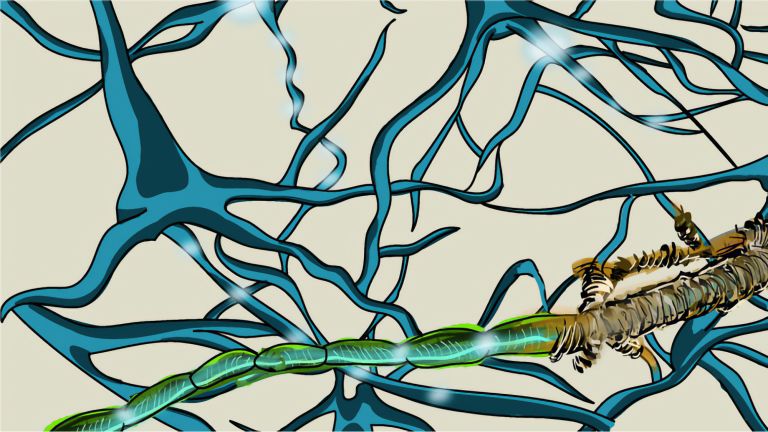
- Multiple sclerosis is an inflammatory disease of the central nervous system. Malfunctioning parts of the immune system attack nerve cells and the cells that form the protective myelin layer surrounding them. This causes inflammation and scarring, which impairs the conductivity of the nerves.
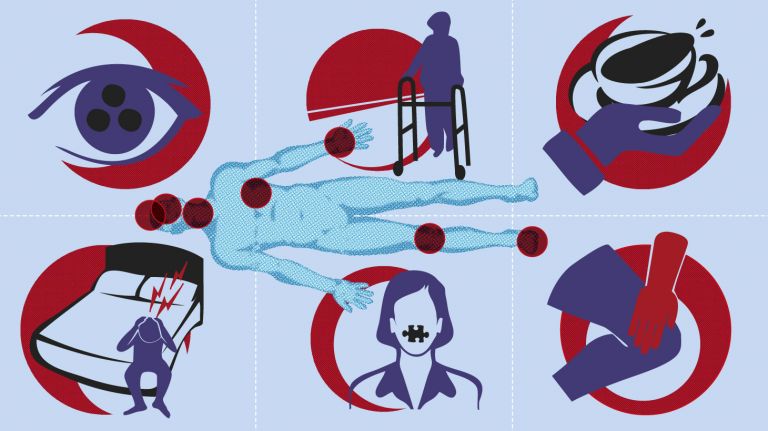
- Depending on where these inflammatory lesions occur, a wide variety of symptoms can arise. They range from tingling and numbness to exhaustion, visual and bladder disorders, coordination difficulties, and paralysis.
- The disease often progresses in episodes, especially in the early years. During an episode, symptoms occur over a period of several days or weeks, after which they may subside completely or partially for a long time. Later, the disease often progresses to a steadily advancing form; some patients have this form from the outset.
- If symptoms suggest multiple sclerosis, the disease can be reliably diagnosed with the help of neurological examinations, an MRI scan, and the detection of certain inflammatory markers in the cerebrospinal fluid.
- Multiple sclerosis is not yet curable. However, there are many medications available that can dampen acute inflammatory flare-ups, alleviate symptoms, and positively influence the course of the disease, enabling the majority of patients to enjoy a good quality of life in the long term. A healthy lifestyle can also have a positive effect.
- In addition to genetic risk factors, environmental factors such as vitamin D deficiency or excessive nicotine or salt intake are thought to contribute to the development of multiple sclerosis. In some patients, infections – especially of the Epstein-Barr virus – may play a role. Hormones can also influence the course of the disease.
- Current research is looking for new active substances to influence or suppress the malfunctioning immune system and promote repair processes. In the long term, advances in stem cell research could even bring the prospect of a cure.
US actress Selma Blair has it, as does her colleague Christina Applegate.Malu Dreyer, the former Minister-President of the German state of Rhineland-Palatinate, even held office for ten years despite her progressive disability. Nearly three million people worldwide live with the neurological disease multiple sclerosis, with the highest rates recorded in North America and Europe.
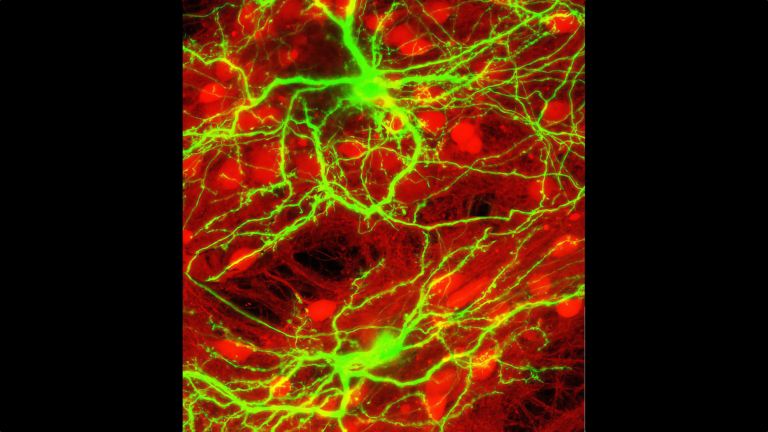
In multiple sclerosis, misguided cells of the immune system attack the central nervous system, triggering inflammation in the brain and spinal cord that can lead to a variety of symptoms – and very different disease progression. This is why multiple sclerosis is also called the “disease of a 1000 faces”.
“The typical initial symptoms are abnormal sensations, tingling, and numbness, but also fatigue, which sometimes precedes the disease by a long time and which those affected cannot explain otherwise,” says Judith Haas, chairwoman of the German Multiple Sclerosis Society (DMSG). Visual disturbances occur early in 20 to 30 percent of cases. Other more serious symptoms that can occur in connection with multiple sclerosis include coordination problems and paralysis. Bladder, potency, and concentration disorders can also occur.
Damaged nerve fibers
The symptoms have a common cause. Inflammation in the central nervous system damages the nerve cells and the protective myelin layer surrounding them. This layer is formed by the extensions of other cells, called oligodendrocytes, and ensures that electrical signals are transmitted efficiently. The greater the damage, the more severely the transmission of signals along nerve fibers is impaired.
However, the specific disorders that occur depend on the location of the inflammatory lesions in the nervous system ▸ Multiple sclerosis – a medical challenge. Not every patient has to contend with all symptoms in the course of the disease. In addition, many symptoms are only temporary or occur under physical stress, especially in the early stages, and often first appear between the ages of 20 and 40, when most patients are otherwise still physically fit. It therefore often takes several years to reach a diagnosis; doctors and patients often do not think of multiple sclerosis, especially when the early symptoms are unclear.
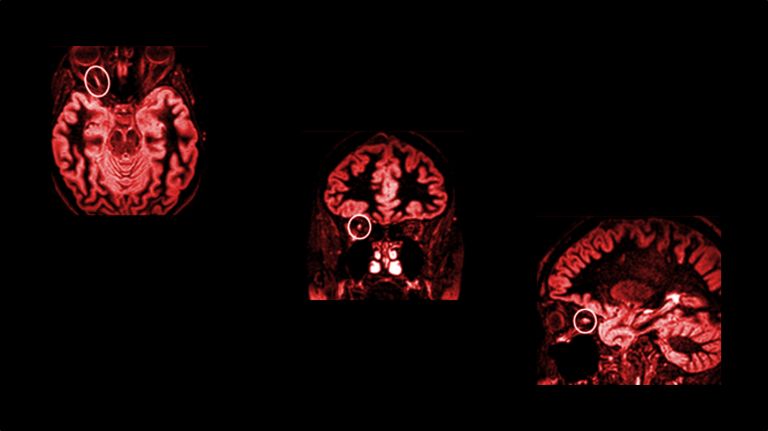
If the suspicion is confirmed, a combination of examination procedures together with a detailed recording of the patient's medical history can quickly provide clarity. In addition to neurological tests of the eyes, reflexes, and coordination, as well as an electrophysiological examination of the conductivity of nerve fibers, this primarily includes magnetic resonance imaging (MRI) of the brain and spinal cord and the removal of cerebrospinal fluid (lumbar puncture). MRI reveals the inflammatory lesions and scarred tissue areas typical of multiple sclerosis. Certain inflammatory markers are found in the cerebrospinal fluid collected during the lumbar puncture in almost all affected individuals.
Judith Haas believes that it often takes too long to reach a definitive diagnosis. She considers it positive that many patients now suspect they may have the disease after researching it online and push for an early diagnosis: "It is very important to start treatment immediately after the first flare-up. All studies show that once you miss the early window for treatment, you can't make up for it later." Although multiple sclerosis is still considered incurable, the right combination of therapies can have a decisive impact on the course of the disease and quality of life. ▸ Living with, not in spite of MS
Three pillars of therapy
The therapy comprises three pillars: the alleviation of acute inflammatory relapses (relapse therapy); interventions in the immune system to prevent new relapses (disease-modifying therapy); and the direct treatment of the respective symptoms (symptomatic therapy). In the early years in particular, the disease progresses in episodes in most patients before later transitioning to a steadily progressive form.
In about 10 to 15 percent of cases, the disease progresses chronically without episodes. During a relapse, symptoms occur over a few days or weeks and then subside completely or partially for a longer period of time. In such an acute phase, anti-inflammatory drugs such as corticosteroids or, in severe cases, plasmapheresis, a type of “blood washing,” can slow down the attack of the body's own immune cells on the nervous system. Long-term treatment with disease-modifying drugs, on the other hand, aims to reduce the frequency and severity of future relapses or to slow down the progression of the steadily advancing form of the disease. To this end, depending on the clinical picture and medication, the patient's imbalanced immune response is either reprogrammed (immunomodulation) or suppressed (immunosuppression). In recent decades, numerous new immunotherapies have been developed and increasingly used. As a result, disease symptoms occur less frequently or later today than they did at the turn of the millennium.








What else influences the course of the disease
Lifestyle can also influence the course of the disease – and possibly even whether the disease breaks out at all. According to some studies, smoking, alcohol consumption, a high-salt diet, excessive sterility in childhood, and vitamin D deficiency, for example, increase the risk of developing the disease ▸ Viele Ursachen der multiplen Sklerose. The latter could also explain why multiple sclerosis is less common near the equator. This is because the body's own vitamin D production is increased there thanks to abundant sunshine. Those who are already ill can at least alleviate certain symptoms and improve their quality of life with a healthy diet, appropriate sports and rehabilitation measures, and relaxation techniques.▸ Life with MS
Hormones also play an important role. Female sex hormones, especially estrogen, strengthen the immune system and thus increase the risk of developing an autoimmune disease in the first place. On the other hand, however, they also ensure better repair processes in the body. This explains why about twice as many women as men develop sclerosis, but also why they usually recover better from relapses. This is true at least until menopause, when hormone production declines. During this phase of life, the disease therefore often progresses to a steadily advancing form.
Haas recommends that young female patients take the pill, as it ensures stable estrogen levels,or fulfill any desire they may have to have children. “Pregnancy is one of the best therapies for multiple sclerosis. Especially in the last trimester of pregnancy, relapses usually do not occur at all,” she says. However, a significant increase in the relapse rate must be expected again in the first three months after birth ▸ Baby or not?
The influence of hormones on the development and progression of multiple sclerosis is also a current research focus, with the aim of developing accompanying hormone therapies. Other questions that scientists are currently addressing revolve around a better understanding of immune mechanisms and inflammatory processes. For example, they are investigating the role of the intestinal microbiome and how aggressive immune cells can “hide” in the central nervous system. In the long term, scientists also expect further progress from stem cell therapy approaches – possibly even a cure.
With access to a range of different therapeutic approaches, patients today have numerous options for dealing with the many facets of their disease and leading a full life despite limitations. Many are hardly restricted in their freedom, and the disease activity is often not measurable. Former Minister President Malu Dreyer also emphasized this: “I thought that the life I had led up to that point was coming to an end. But at some point, I managed to flip the switch: I decided not to let the disease hold me back, but to stick to my dreams and plans.”
Further reading:
- Website of the US National Multiple Sclerosis Society: https:nationalmssociety.org [as of May 14, 2025]
- Website of the UK Multiple Sclerosis Trust: https://mstrust.org.uk [as of May 14, 2025]
First published on May 10, 2017
Last updated on October 7, 2025