Communication of Cells
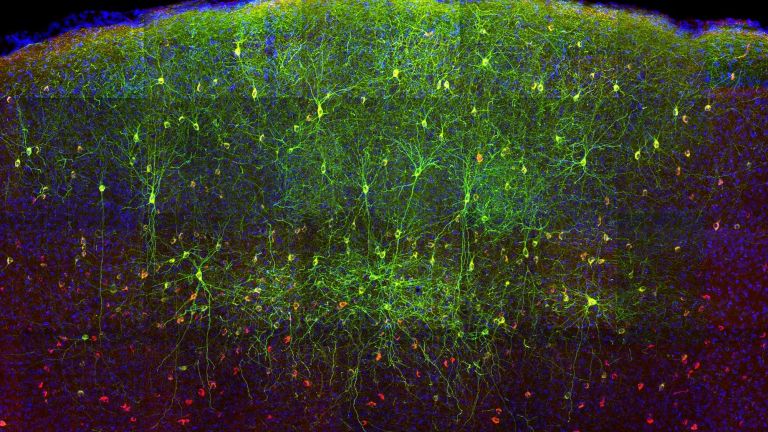
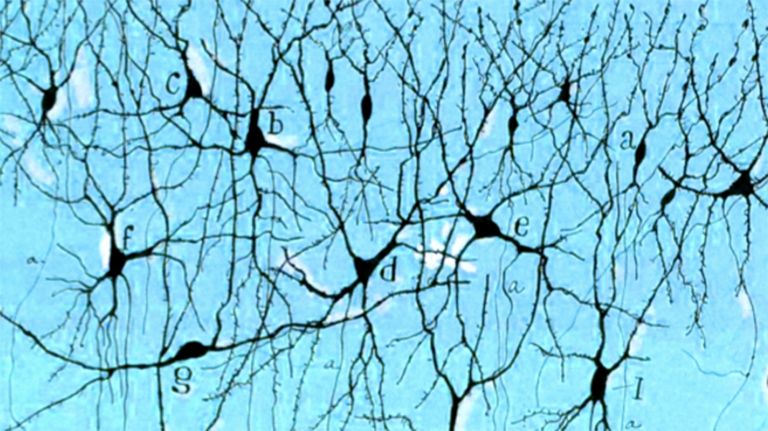
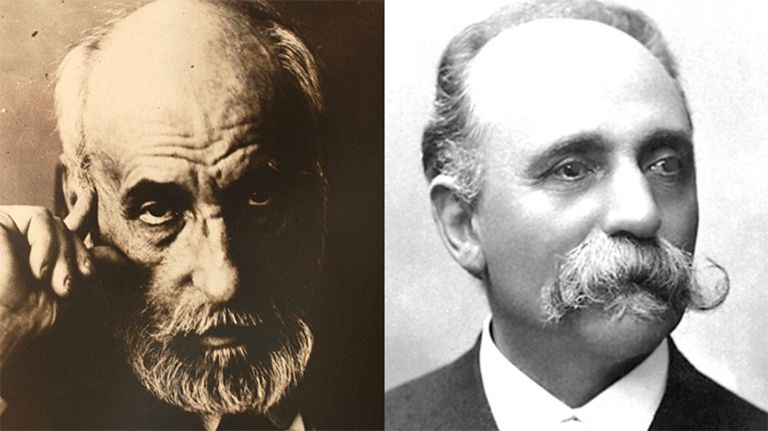
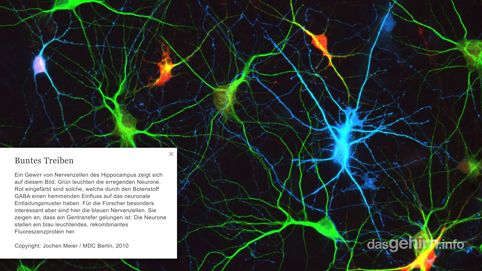
Frog legs on clotheslines, dye experiments in improvised laboratories, hostility in Nobel Prize speeches: the beginnings of brain research were characterized by creative pioneering spirit and passionate disputes. Then as now, researchers were concerned with understanding what holds our brain together at its core: what cells it contains, how they are connected, how they interact with each other.
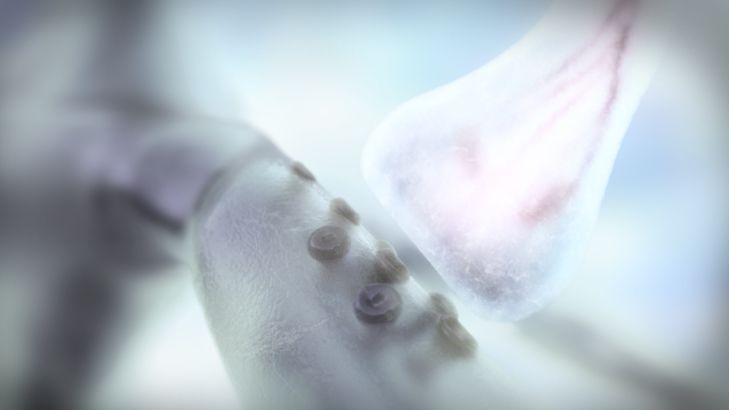
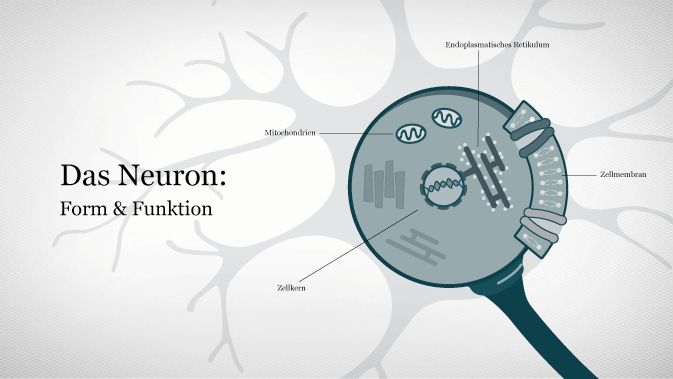
Many of the theories of yesteryear, now backed up by countless experiments, can be found in school textbooks: the structure and function of nerve cells, for example, or the chemical transmission of impulses from one Neuron to another. The foundations of neuroscience are slowly but surely becoming common knowledge.
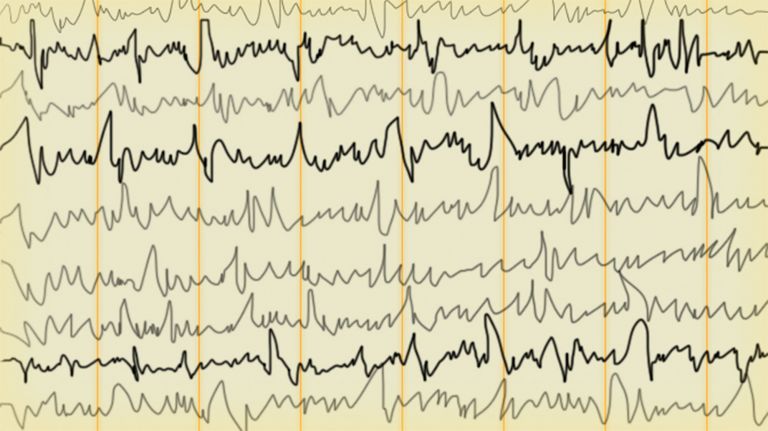
But not everything is now established fact. There are still many mysteries to solve: What is the function of the long-neglected glial cells, which make up about half of the cells in the brain? Why do entire groups of nerve cells fire repeatedly at the same rate? Our authors have set out in search of answers.
▸ On the Scent of Cell Communication
Neuron
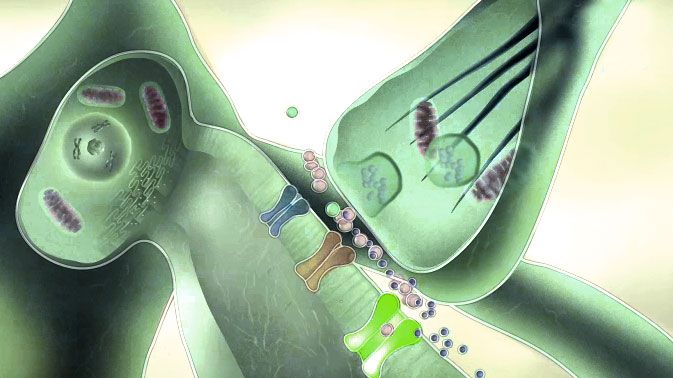
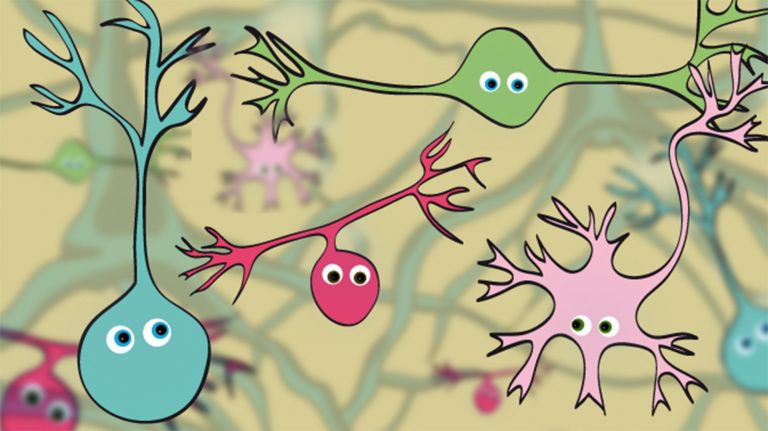
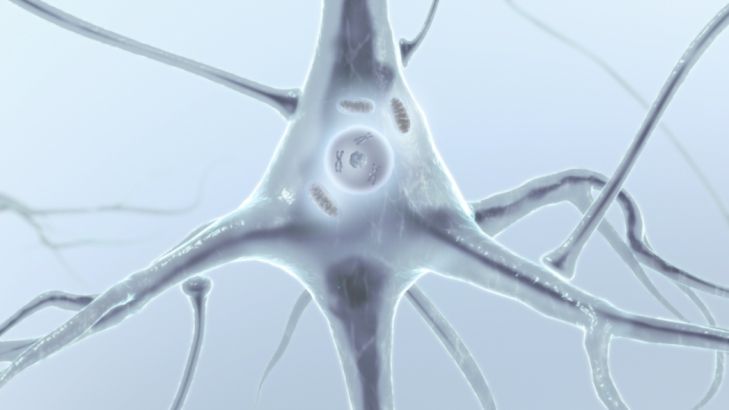
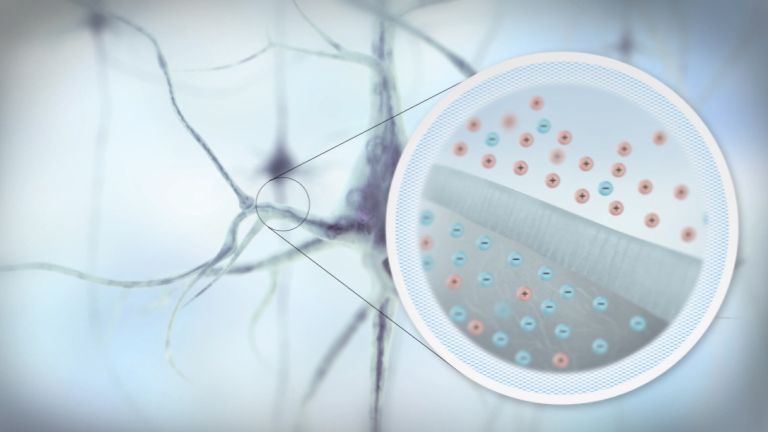
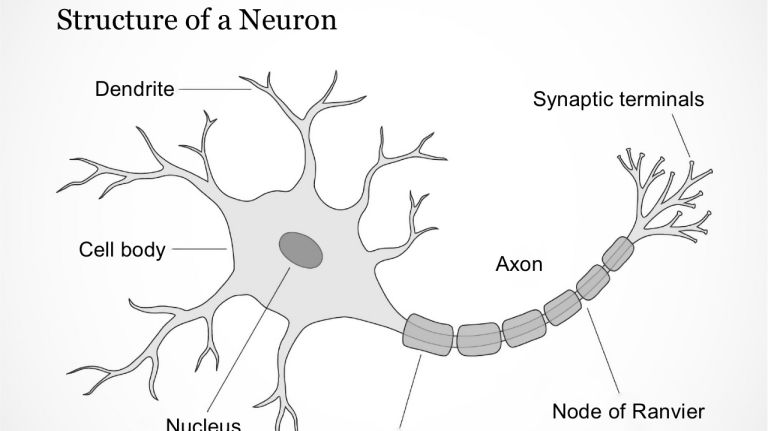
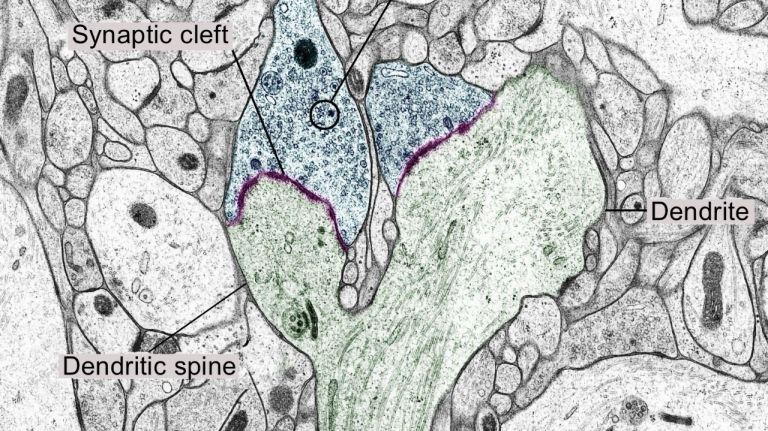
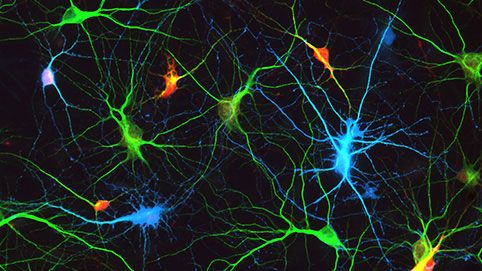
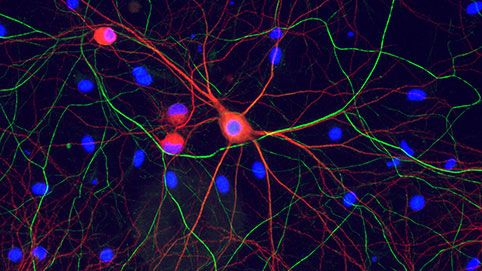
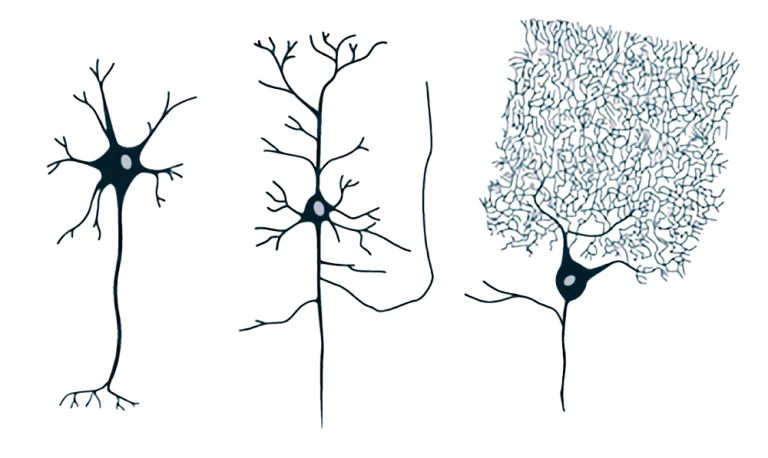
A neuron is a specialized cell in the nervous system that is responsible for processing and transmitting information. It receives signals via its dendrites and transmits them via its axon. Transmission occurs electrically within the neuron and, between neurons, usually chemically via synapses.