The Fly
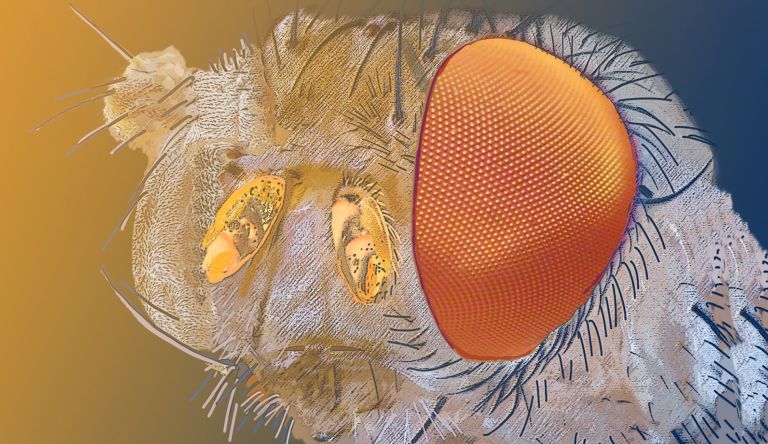
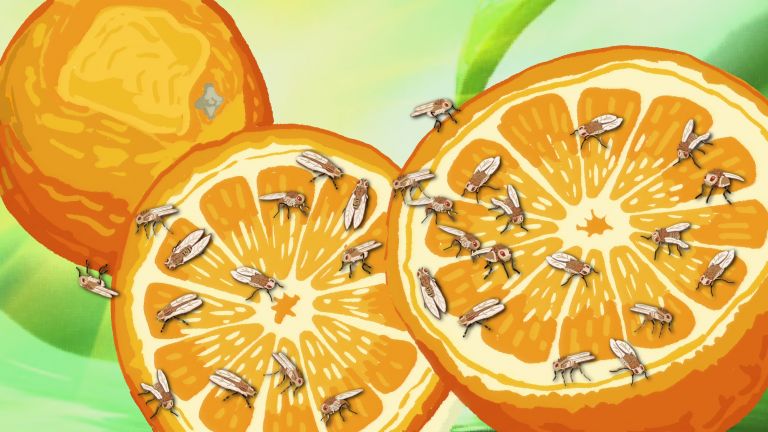
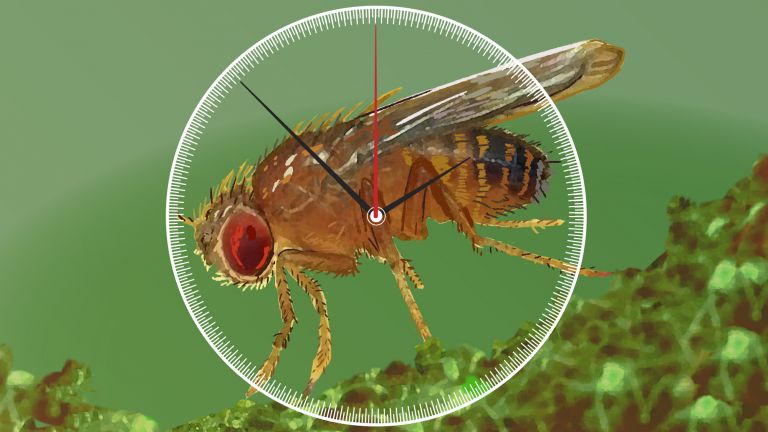
Drosophila melanogaster, the common fruit fly, is a nuisance. It cheekily hijacks fruit baskets, compost bins, and refrigerators, producing masses of crawling larvae in the process. But despite all the annoyance, we are not so different. Yes, it only has 100,000 neurons. And yes, our last common ancestor died at least 500 million years ago. But we hang on the same branch of evolution. And since the nervous system was only developed once, the fly's brain functions very similarly to the human brain – right down to dopamine.
This makes Drosophila a pop star not only in the laboratories of geneticists (where it has been in the charts for decades), but also among basic neuroscience researchers. In fact, you will be amazed at what this supposedly simple little creature is capable of: it learns, it evaluates, it even has expectations – and that at the larval stage and at the age of four days! Drosophila will never be a pop star in our kitchens. But we can learn a great deal from researching it.
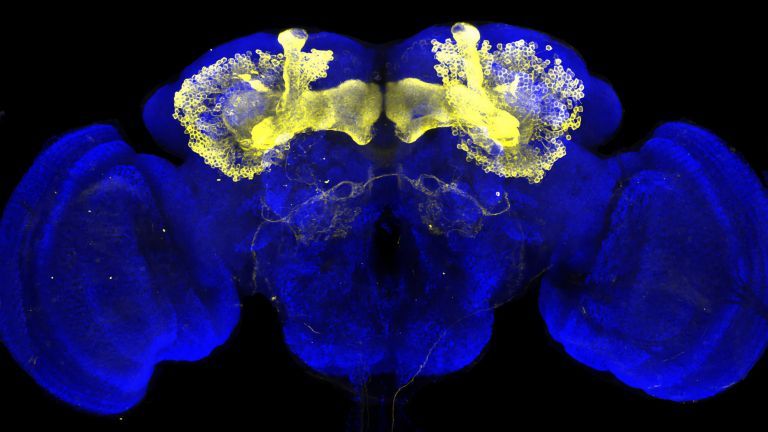
That is precisely why the DFG Research Group 2705 is studying Drosophila. More specifically, they are investigating the circuits of its mushroom body, a central structure of its brain. In this collaboration, you will learn what the researchers are discovering here. And you will come away with a different picture of the fruit fly. To get started, we recommend the text Flies? Why flies?by Nora Schultz. And our animation on the topic. No, not a single one of these little creatures is real...