“And now he has Alzheimer's...” – A Guide for Relatives
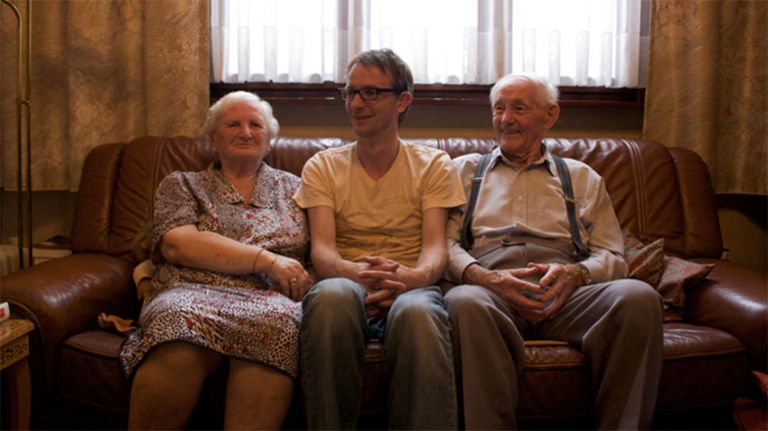
A diagnosis of Alzheimer's disease comes as a shock to both those affected and their families. Find out what to expect in your everyday life together and in terms of care. And don't forget to look after yourself!
Scientific support: Sabine Jansen
Published: 11.11.2025
Difficulty: intermediate
- A diagnosis of Alzheimer's disease should be made by specialists and requires a comprehensive examination.
- Living with Alzheimer's can be a huge burden – not only for the person affected, but also for their relatives. Therefore, make sure you are fully informed about the disease and what to expect if you decide to care for your relative.
- Health insurance only covers the costs of medical treatment. Long-term care insurance is responsible for care costs. Cost coverage must be applied for and is based on the approved care level. Accommodation costs in a nursing home are a private matter and must be paid by the person affected or their relatives themselves.
- Caring for and nursing an Alzheimer's patient is a full-time job – often over many years. That is precisely why it is important to accept help and take time off to recharge your batteries.
In retrospect, there were signs. He was constantly misplacing things and addressing neighbors by the wrong name. But then came the diagnosis – the doctor said it was Alzheimer's! What lies ahead for you now?
Who actually says it's Alzheimer's?
“If you are confronted with the information ‘Alzheimer's,’ you should question where this statement comes from,” advised Alexander Kurz (deceased 2023), former head of the memory clinic at the Technical University of Munich. Kurz warned emphatically against dubious offers where you simply send in blood samples for a quick test. Even self-tests are no substitute for a visit to the doctor. Diagnosing Alzheimer's disease is best left to specialists, such as those at special memory clinics. Your family doctor can refer you to one. Organizations such as the German Alzheimer's Association can refer you to specialists and memory clinics in your (German) area.
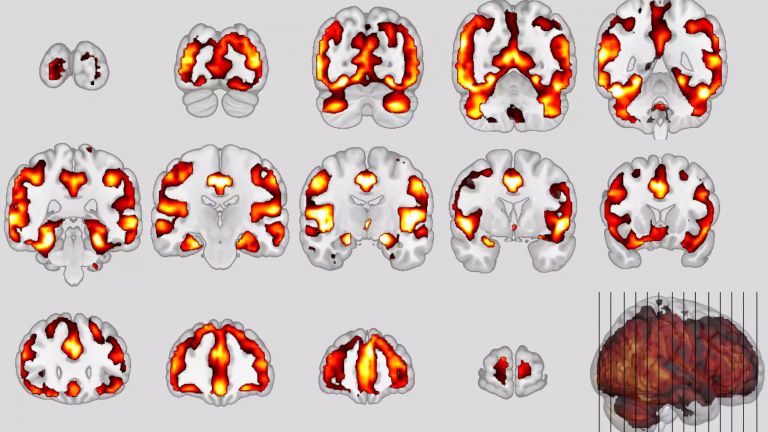
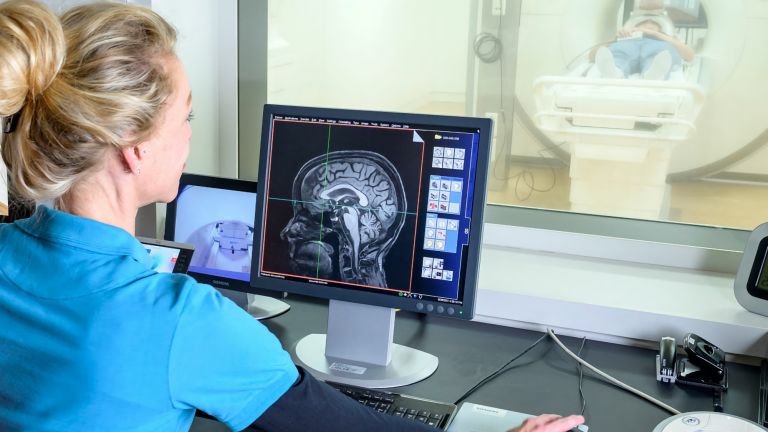
If a person shows signs of Alzheimer's, specialists will conduct comprehensive examinations. In addition to the medical history, which also includes interviews with relatives, the diagnosis requires a comprehensive physical and mental examination. Doctors analyze blood and cerebrospinal fluid to look for signs of Alzheimer's disease – or to determine whether another, possibly treatable cause is responsible for the problems. Imaging techniques can also provide information about existing changes in the brain. However, they are not conclusive on their own.
Dementia – what now?
“Often, patients and their relatives are not fully informed about what an Alzheimer's diagnosis means,” says Sabine Jansen, managing director of the German Alzheimer's Association for over 20 years. She therefore advises: “Find out exactly what you can expect – living with dementia is a major challenge for both the patient and their relatives.”
Let others help you
Jansen's second important piece of advice: “Seek support – preferably right from the start, and not only when you are on the verge of exhaustion.” Caring for and later nursing a dementia patient is a full-time job – often over many years. The risk of burnout is high. Professional nursing services that come to your home can provide support. Day care facilities relieve you for several hours, during which you can take care of your own affairs or simply have some time off.
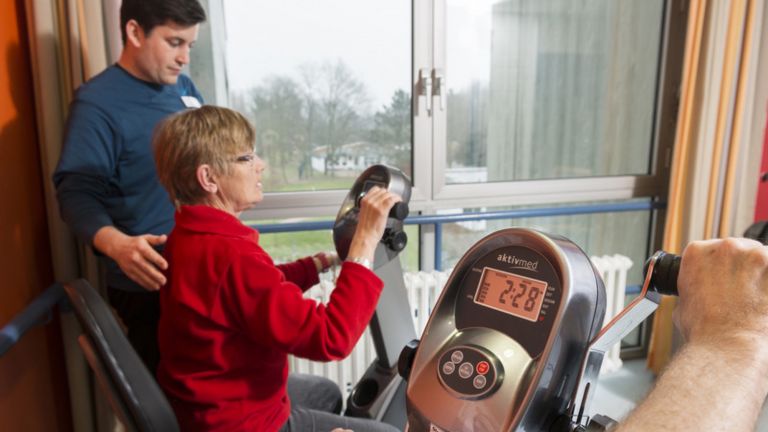
Volunteers, such as neighborhood helpers or support groups, can also provide relief. They accompany the patient on trips to the city or the zoo, for example, and are selected by the respective organizations to suit your needs and those of your sick relative. “I remember once a young man was arranged to go jogging with a dementia patient,” says Sabine Jansen. Some local Alzheimer's associations or other social institutions also organize leisure activities for those affected and their relatives. You can find out what services are available in your area by calling the Alzheimer's helpline, for example.
Many people also find it helpful to talk to other caregivers: they are in a similar situation, find understanding, and can give each other tips. Ask about suitable support groups in your area. Or perhaps you would prefer to attend a special training course? There are courses available that familiarize you with all aspects of the disease, as well as strategies for coping with everyday life with the patient and recharging your batteries. This training is free of charge for relatives and is financed by nursing care insurance in Germany.
Who is supposed to pay for all this?
There are numerous rumors and scare tactics circulating when it comes to financing care. The legal regulations vary from state to state, and this also applies to the options for receiving support. In Germany, spouses, parents, and children are obliged to support each other. This means, for example, that you have to pay for the costs of accommodation in a nursing home. How much you have to pay – and when social assistance kicks in – depends not only on the choice of care facility, but also on your personal circumstances and financial possibilities. For a calculation, it is best to contact a social counseling center or a local care support center.
The (German) health insurance company only covers the costs of so-called treatment care, such as medication or wound care. Care costs – both personnel and material benefits – are covered by (German) long-term care insurance. This also covers a portion of the costs if the primary caregiver is unavailable, as well as, to a certain extent, the costs incurred by renovating the home. Benefits must be applied for and depend on the care level to which the patient is assigned on the basis of an assessment.
In Germany, since the second Care Strengthening Act (PSG II) came into force on January 1, 2017, the old (German) care levels (0–III) have been replaced by care levels 1 to 5. The assessment is no longer based solely on physical care needs, but also on cognitive and psychological limitations. This means that dementia patients are automatically integrated into the system – they no longer “fall through the cracks” as they did previously with care level 0.



Calmness and patience
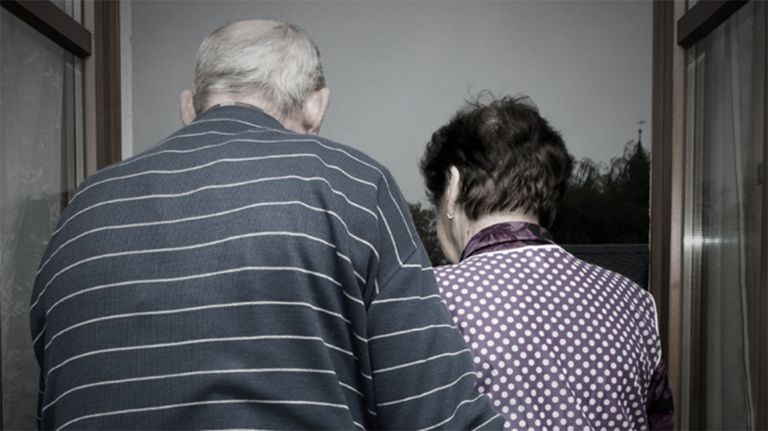
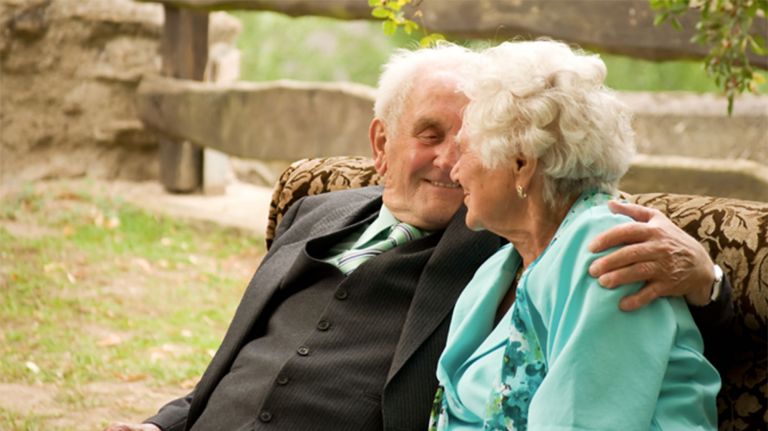
Everyday life with someone suffering from dementia will probably bring you to the brink of despair time and time again. The person affected changes greatly and increasingly retreats into a world of their own. Many things that used to be part of everyday life are no longer possible, and perhaps one day your beloved partner or parent will no longer recognize you. Perhaps they will become aggressive or accuse you of stealing from them. Keep reminding yourself that all of this is a symptom of the disease and not directed at you personally. Try to remain calm and accept the changes – this is the best way to help your sick relative, but also yourself.
Think of yourself
It is important not to forget yourself amid all the care and organization involved in everyday life with your sick family member. Make sure you take time out for yourself. Continue to pursue your hobbies and maintain your social contacts – even if you have to cut back on many things due to the time-consuming care. Make sure that someone else can step in for you in the meantime. For example, a volunteer could take your patient for a walk while you go to the gym.
Another way to recharge your batteries without having to leave the sick person alone is to take a supervised vacation. You travel together, but once you arrive, your relative can receive professional care for part of the time. This means you are there for them, but you can also breathe a sigh of relief during your well-deserved vacation.
“Don't make promises you can't keep,” advises Sabine Jansen. “It's better to say, ‘I'll care for you as long as I can’ instead of putting pressure on yourself with ‘I'll never put you in a nursing home.’” Don't compare yourself to other family caregivers, either. Everyone does what they can – there's no such thing as good or bad.
And if you do ultimately decide to place a loved one in a nursing home, it may even benefit your relationship in the long run. “We often find that relatives are able to deal with the patient much better and accept their illness-related idiosyncrasies once they have had a break and gained some distance,” says Jansen. “Then they can support them again, for example by visiting them.”
First published on September 23, 2013
Last updated on November 11, 2025