The Old, Healthy Brain
Some people seem to be unaffected by aging. These “superagers” remain astonishingly agile, both physically and mentally. Research is currently being conducted to find out why this is the case.
Scientific support: Prof. Dr. Andreas Draguhn
Published: 01.02.2026
Difficulty: easy
- A small proportion of the population – probably five percent or less – still have a brain and memory like 50- or 60-year-olds even when they are over 80. What we can learn from such superagers could help even more people maintain good brain function in old age in the future.
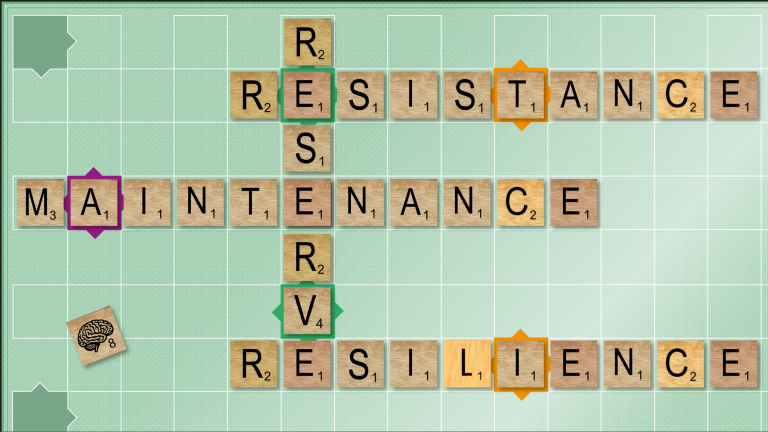
- Many superagers show fewer age-related structural changes in the brain. Their gray and white matter remains more abundant, they have less vascular damage and also fewer protein deposits in the brain. Such individuals have a high resistance to mental aging: they can withstand structural wear and tear.
- Other superagers achieve remarkable cognitive performance despite typical signs of aging in the brain. Their resistance is average, but they manage to mobilize additional cognitive reserves - for example, through more efficient networks. Their brains show more resilience in dealing with the aging process.
- Superagers do some things differently than the average person. They maintain a particularly physically and mentally active lifestyle and avoid behaviors that damage the vascular system, such as smoking.
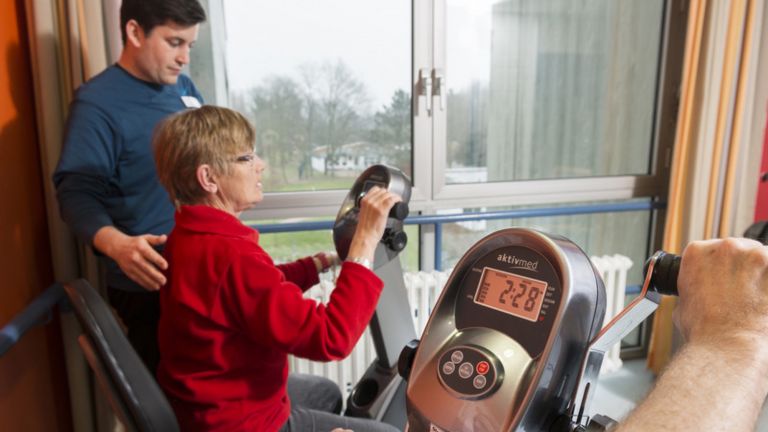
- Sport has a direct influence on vascular health and thus also on the brain. In addition, people who are physically fit find it easier to lead a mentally active life, for example by traveling, attending lectures and exhibitions, and maintaining a wide range of contacts. Physical training also influences neural networks and could help them to work more effectively.
- A key factor in mobilizing cognitive resources appears to be willingness to make an effort, i.e., the desire to continually take on new challenges. However, molecular interventions and ultrasound could also help to make aging brains fitter again in the future.
Nobel Prize winner Toni Morrison published her last novel at the age of 84, Pablo Picasso was still creating masterpieces at 90, and naturalist David Attenborough's latest film was released on his 99th birthday. What these three, as well as many other less famous people, have in common is an exceptionally fit brain in old age. They are considered “superagers.” The term originates from a research program at Northwestern University in the USA that has been running since 1990 and describes people over the age of 80 whose memory is at least as good as that of people who are easily 30 years younger.
“Everyone wants to grow old, but no one wants to be old,” wrote British satirist Jonathan Swift back in 1711. As we age, it's not just wrinkles, gray hair, and physical ailments that increase. Brain power often declines as well. Episodic memory, for example, which we use to remember events from the past, declines in most people from around the age of 60. As we age, the risk of developing dementia also increases. While less than one percent of 60-year-olds are affected, around 14 percent of people in their early 80s suffer from dementia. Among those over 90, the figure is as high as 36 percent. Forgetfulness is annoying at best, and more than half of Germans find the idea of suffering from dementia downright frightening.
No wonder, then, that memory training, brain teasers, and other forms of “brain jogging” are so popular. From crossword puzzles and Sudokus to specialized training systems such as the NeuroNation program from the Berlin-based company Synaptikon, there are a wide variety of offerings that promise to help keep the brain fit in old age. However, it remains unclear to what extent progress in the activities practiced can be transferred to other tasks in everyday life.
Age and the brain
So what makes superagers and their brains so special, and what can we learn from them? This is one of the questions addressed by the Collaborative Research Center (SFB) 1436 “Neural Resources of Cognition.” "We want to find out what is relevant to the limits of the human brain's performance. What reserves does the brain have? And what can we use to improve cognition under different conditions?“ explains Michael Kreutz from the Leibniz Institute for Neurobiology in Magdeburg, one of the SFB's spokespersons. ”To do this, we look at these resources at different levels, from molecules to neural circuits, and analyze different interventions, from cognitive training to pharmacological and genetic manipulations."
Anne Maass from the German Center for Neurodegenerative Diseases (DZNE) in Magdeburg is investigating how a whole range of factors are related to cognitive performance in old age. “Our study includes 106 people over the age of 80, of whom around 40 meet the criteria for superagers, i.e., just under 40 percent,” says Maass. However, the proportion in the general population is likely to be significantly lower. The reason: the members of the study cohort are above average in terms of education and all cognitively unimpaired. Thus, they do not represent the entire spectrum of the elderly population. In another study with a more representative group of subjects, researchers identified a total of 67 people among approximately 1,200 older adults whose cognitive performance was at least as good as that of a typical 56-year-old – i.e., approximately five percent.
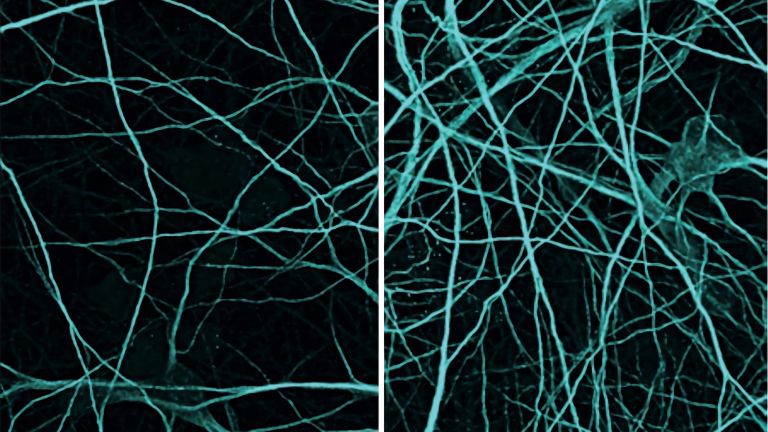
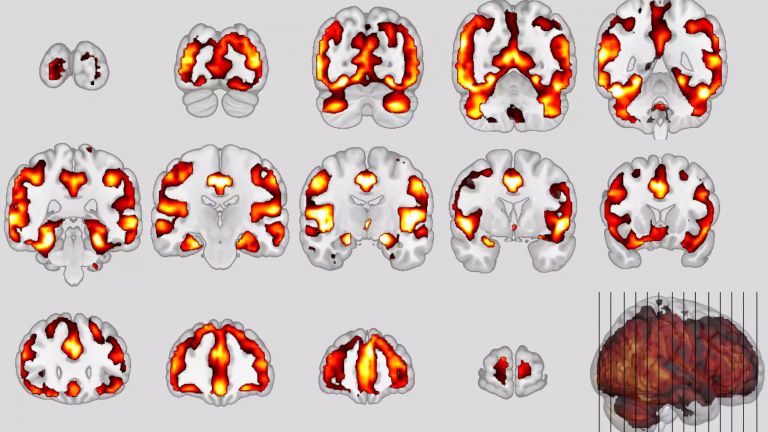
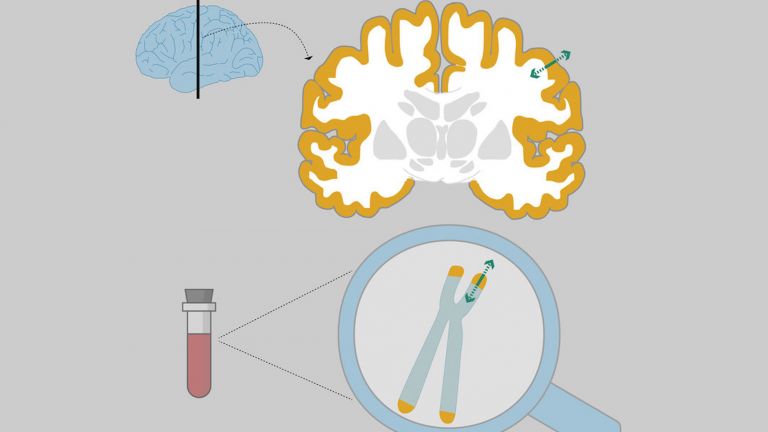
The brains of superagers often differ structurally from those of their peers with average performance, as Anne Maass explains: “Some brain regions are larger in many superagers and decrease less in size over time, especially the cingulate gyrus and the hippocampus.” Both regions play a role in learning and memory processes. In other respects, too, superager brains appear structurally younger – with less age-related damage to nerve fibers, fewer deposits of dementia-promoting tau and amyloid proteins, and smaller spaces around the blood vessels in the brain [reference to text 2]. “They have somehow managed to ward off typical age-related changes and their brains still look like those of 50-year-olds. We call this resistance or maintenance,” explains neurologist Emrah Düzel from the University of Magdeburg, who is also a spokesperson for SFB 1436 and participated in Maass' cohort study.
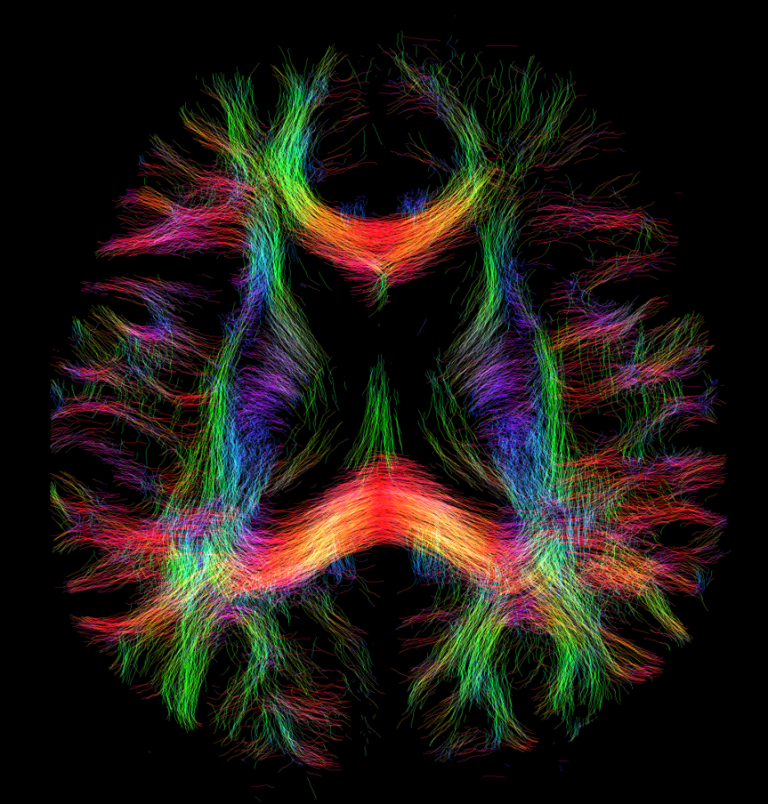
However, not all superagers have a structurally youthful brain. Some are still able to think sharply even though their brains show the same signs of aging as those of people with age-typical or even impaired cognitive function. “Such individuals do not have any particular resistance to aging processes in the brain, but they do have better cognitive reserves and greater resilience,” says Düzel. This could be because they started aging with particularly good basic equipment, so that even after partial deterioration, much remains. More exciting is the hypothesis that superagers have special abilities to compensate for existing damage. Anne Maass explains: "Perhaps their networks function superbly because the nerve cells are really well connected. Then the pathology may not be so bad because this brain simply works very efficiently." In fact, in another study, Maass and Düzel have already succeeded in proving that certain activity patterns are particularly pronounced during the formation of new memories in the neural networks of people whose brains tolerate pathological changes well. This indicates well-functioning circuits.
On and on. And on. ...
Neuroscientist Markus Ullsperger, who also conducts research at the University of Magdeburg, is pursuing this idea using a model that younger people are also familiar with: “Severe sleep deprivation also limits the cognitive resources that can be drawn upon,” he explains. People who are overtired may therefore experience deficits similar to those of the elderly. Ullsperger is investigating what can help to make cognitive resources available again in such situations. This could be, for example, the sudden shock of making a mistake, which briefly jolts you awake and enables you to access your remaining cognitive reserves more effectively. Whether and how such startling effects can be used specifically to mobilize reserves in old age is still open to question. Ullsperger suspects that promoting willingness to make an effort could be a key to maintaining cognitive performance.
Effort may also play a role in the development of resistance and resilience in the first place. To better understand what distinguishes people who enjoy a well-functioning brain into old age, Maass and her team not only measured cognitive abilities and biomarkers for aging processes in the brain in the cohort they studied; they also collected a wealth of data on the participants' lifestyle, health status, and fitness. Their statistical analysis shows that different characteristic profiles are associated with an above-average youthful brain structure and function. The freshest brains and sharpest thinking abilities are found in people who lead particularly active physical and mental lives and at the same time have few risk factors for cardiovascular disease.
Well cared for
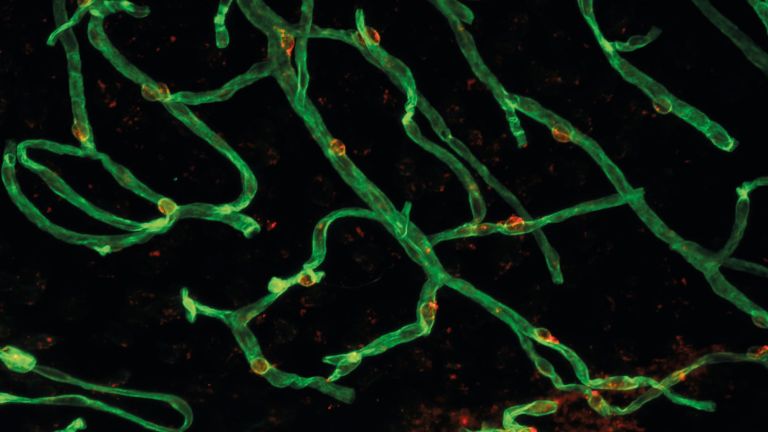
For neurologist Stefanie Schreiber of the University of Magdeburg, the connection between exercise, vascular health, and brain function is obvious. “Exercise directly counteracts the risk factors that damage the vascular system,” she says. Healthy blood vessels are also essential for the brain: “The small vessels in the brain transport nutrients to the synapses and supply not only the nerve cells but also the entire system, for example, microglia and the extracellular matrix. In addition, a healthy vascular system ensures the removal of toxic substances that are produced when nerve cells are working.” Healthier microvascular networks therefore protect brain function and thus contribute to cognitive reserves.
According to Magdeburg-based sports scientist Marco Taubert, sport and fitness can also have a direct effect on neural structures. “Especially when training is personally challenging, it triggers learning effects that change the brain,” he says. There is already evidence that such motor learning processes not only improve the skills practiced, but also have transfer effects. After six months in a balance training program, older people were not only able to balance better, but also had improved intracortical GABAergic inhibition, an important network control system that often declines with age. If the inhibition of certain neural activities via the neurotransmitter GABA no longer works reliably, undesirable overactivity or “noise” occurs in the brain; networks function less precisely. This can result in motor impairments, poorer sleep quality, and cognitive decline. If physical training improves these network functions again, this can also have an impact in other areas.
Mens sana
Physical fitness could also contribute to a well-functioning brain in old age via another mechanism. Anne Maass' cohort study and other studies of superagers clearly show that mental activity is the key to resilience, i.e., the ability to make optimal use of cognitive resources, even when the brain is already showing signs of aging. However, mental activity does not have to mean constant brain jogging on the sofa at home, but encompasses a wide variety of facets of a fulfilling life. In particular, activities such as visiting family and friends, playing musical instruments, artistic hobbies, reading, language learning, and traveling correlate with cognitive resilience. Marco Taubert sees physical fitness as an important prerequisite for such a lifestyle. “Many superagers not only have good memory, but also good motor skills. It could be that this is what enables them to continue to move around a lot in different environments, remain socially active, and experience cognitive stimulation,” he says.
Anyone who hopes to enjoy their twilight years as a superager would therefore be well advised to stay physically and mentally active and to avoid habits that damage blood vessels, such as smoking. However, since such recommendations for a healthy lifestyle are sometimes difficult to implement in everyday life and some people are genetically predisposed to unfavorable conditions in old age, research is also being conducted into other ways of revitalizing an aging brain. Several working groups in SFB 1436 are investigating whether transcranial ultrasound can stimulate or even increase cognitive reserves such as vascular regeneration or network activity. In transcranial ultrasound stimulation (TUS), ultrasound is used to modulate brain activity without damaging tissue. This non-invasive method allows deep-seated targets in the brain that were previously inaccessible to be reached with high precision.
Other approaches target the molecular level ▸ Molecule Detectives Emrah Düzel is preparing for experimental ultrasound therapy with molecular cleanup work by reducing amyloid deposits with the help of antibodies. Michael Kreutz is investigating, initially in mice, whether the drug Nitarsone, developed in veterinary medicine, is suitable for improving synaptic performance. And Markus Ullsperger is researching whether the neuropeptide orexin can contribute to stabilizing attention and thus also access to neural resources.
It remains to be seen whether new neuropharmacological cocktails and ultrasound sessions will replace coffee and morning exercise in the future as a way to stay mentally fit in old age. Until then, one thing is certain: superaging is unlikely to work without physical and mental effort. “If we only ever do things we are already good at and keep doing them over and over again, we don't have the optimal stimulus to encourage the brain to change,” says Marco Taubert. In short: if you want to stay young, you should behave accordingly. Albert Einstein had obviously internalized this attitude. Strictly speaking, the famous physicist did not make it into the league of superagers, as he died at the age of 76. However, no one would doubt his outstanding cognitive abilities, which he retained until the end of his life. In a letter to his friend Otto Juliusburger, the genius summed it up as follows: “People like you and me, although we are mortal like everyone else, do not grow old, no matter how long we live. What I mean by that is that we always stand like curious children before the great mystery into which we were born.”