The Insular Lobe
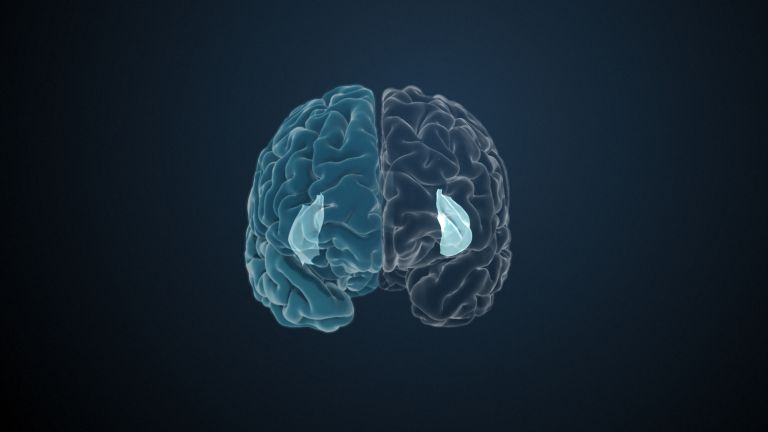
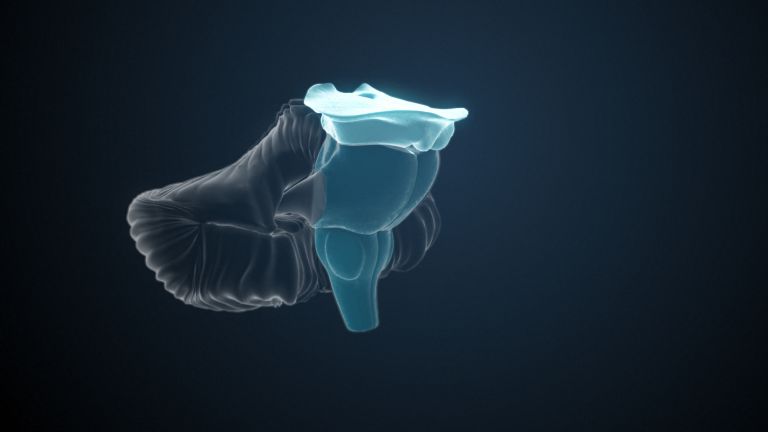
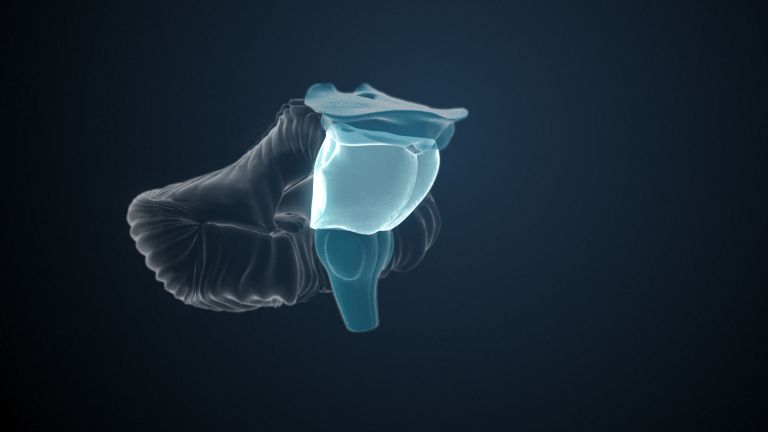
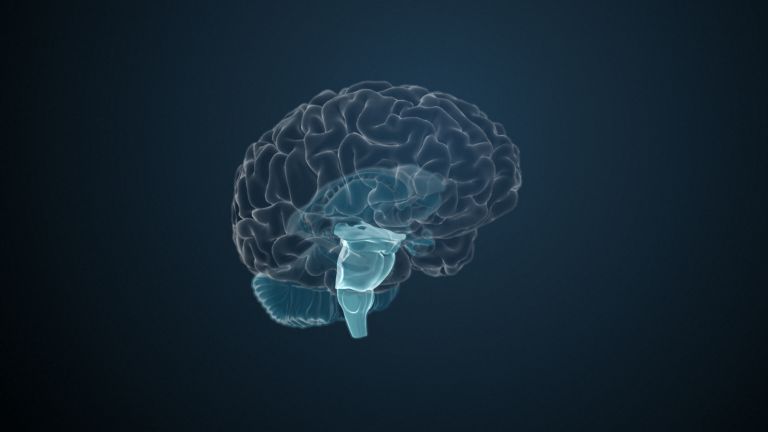
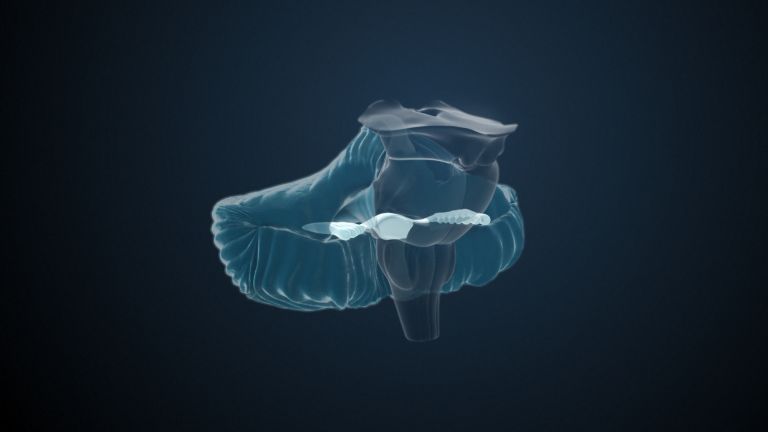
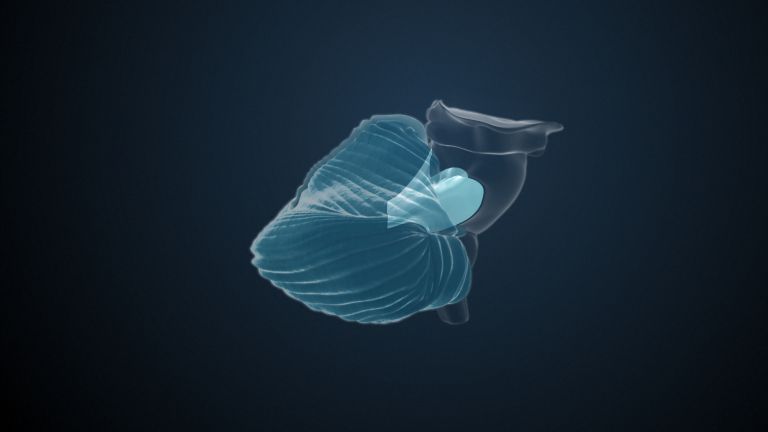
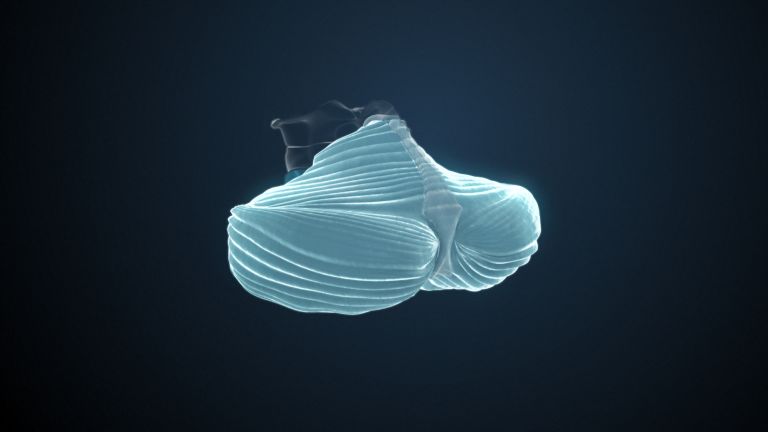
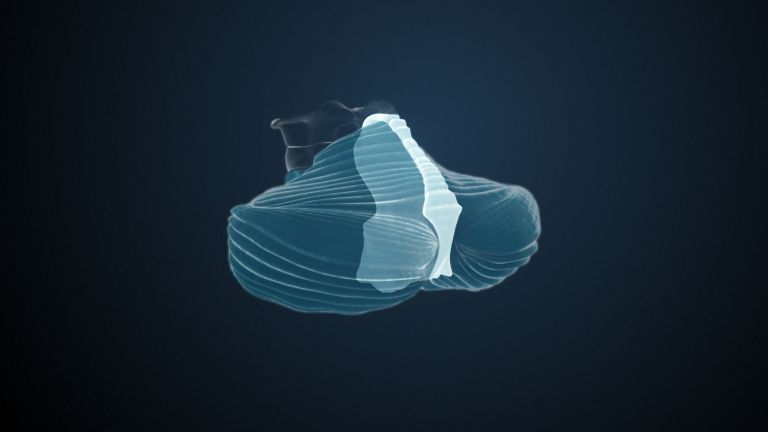
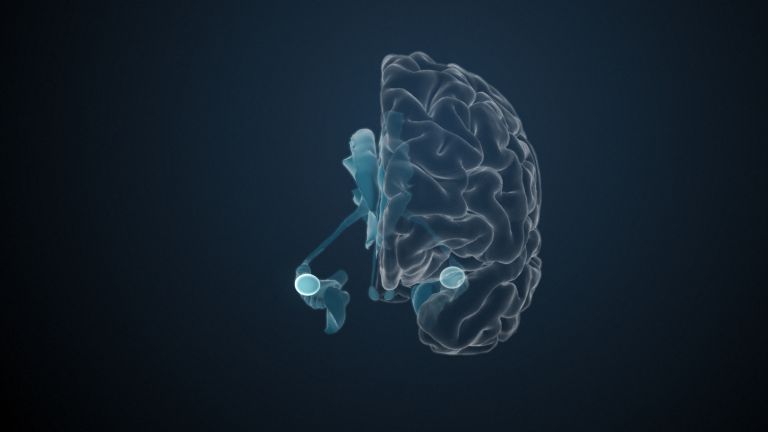
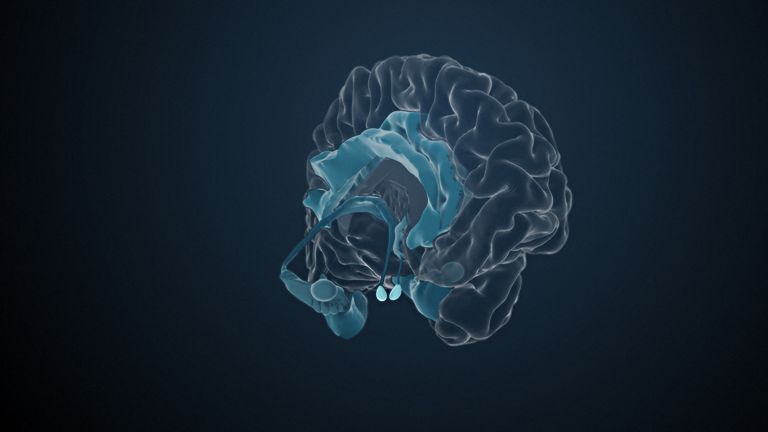
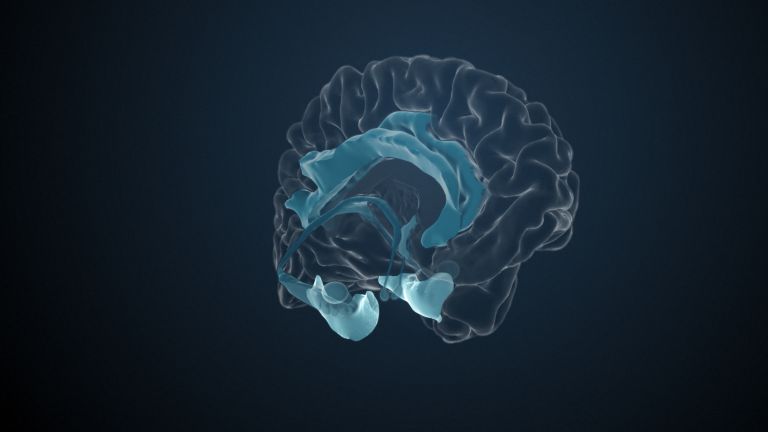
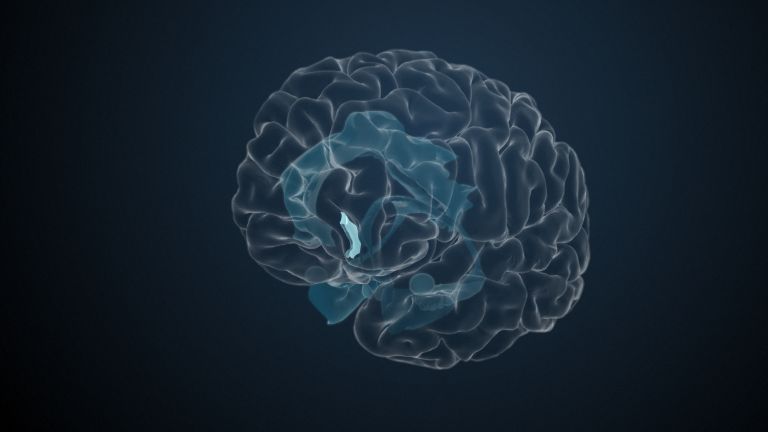
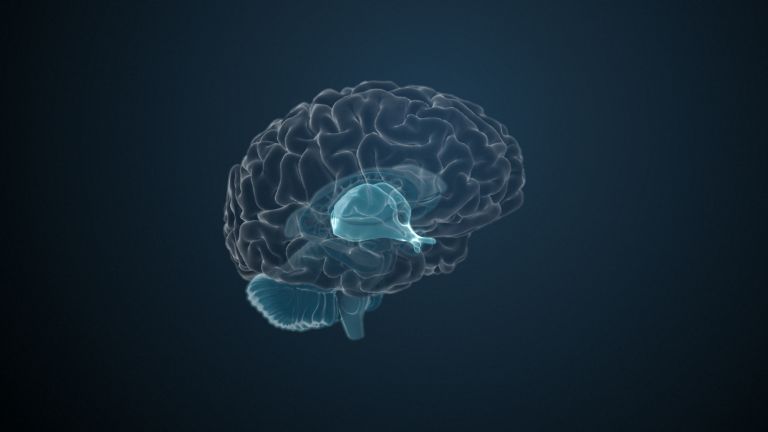
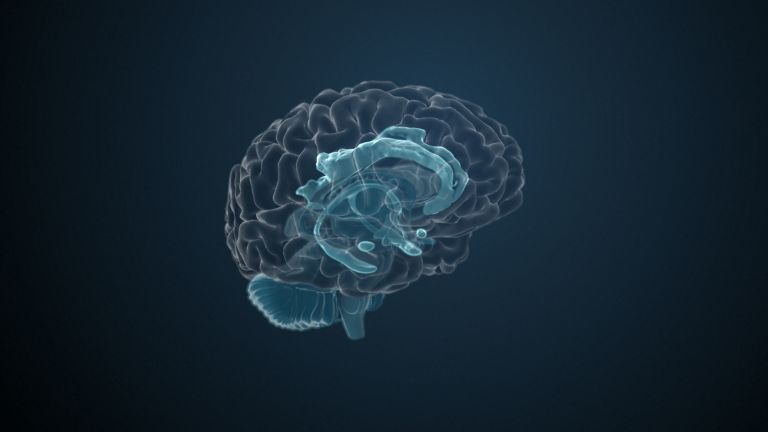
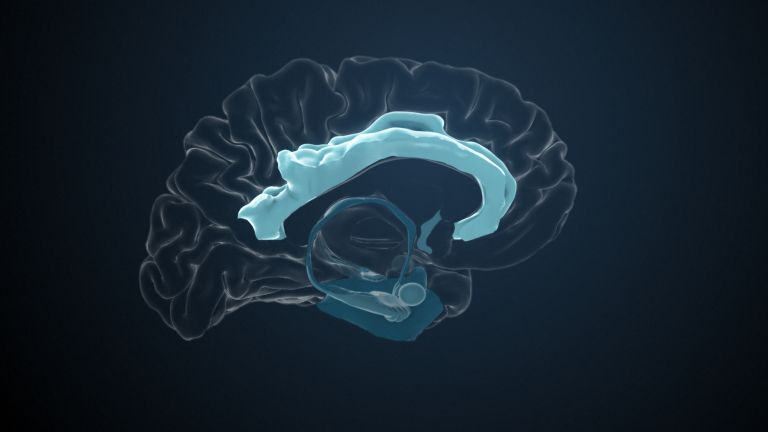
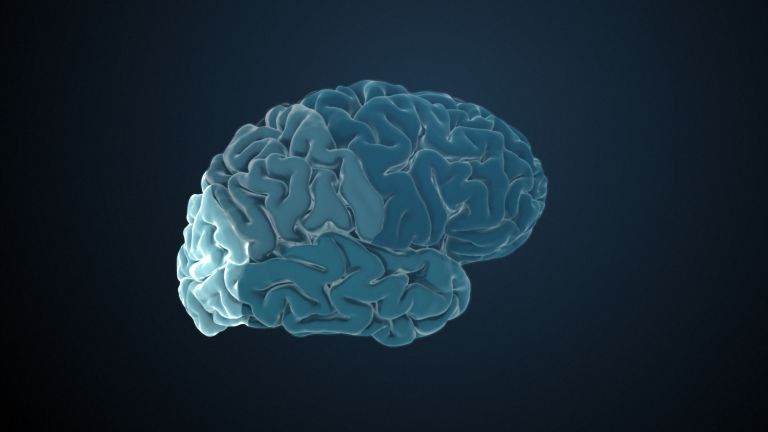
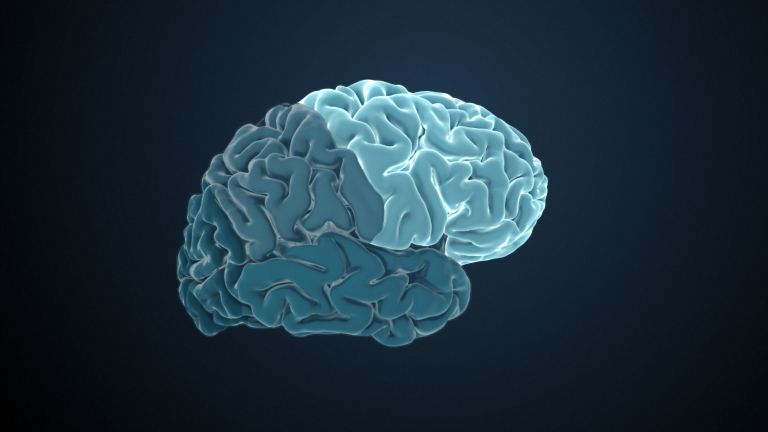
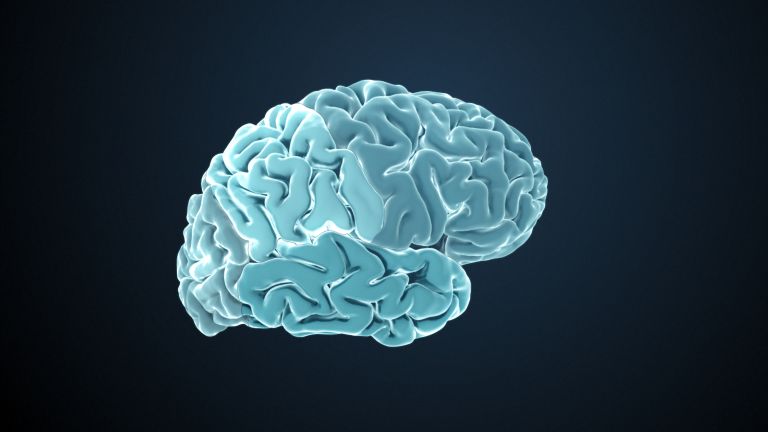
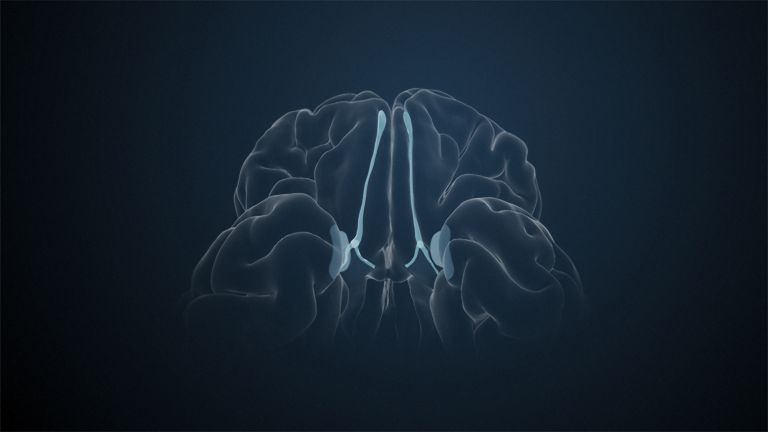
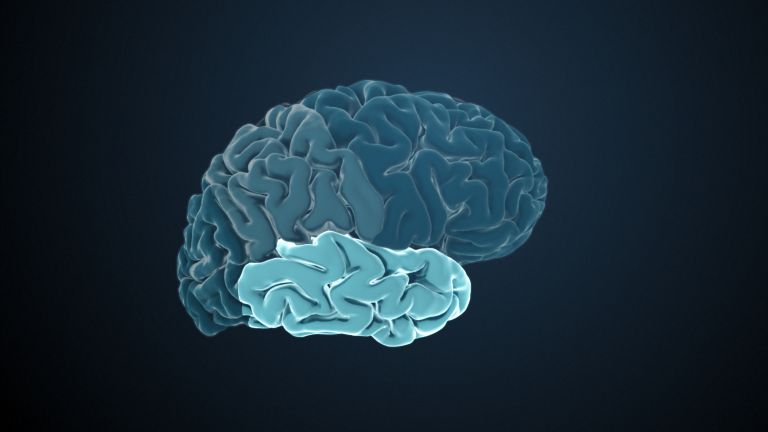
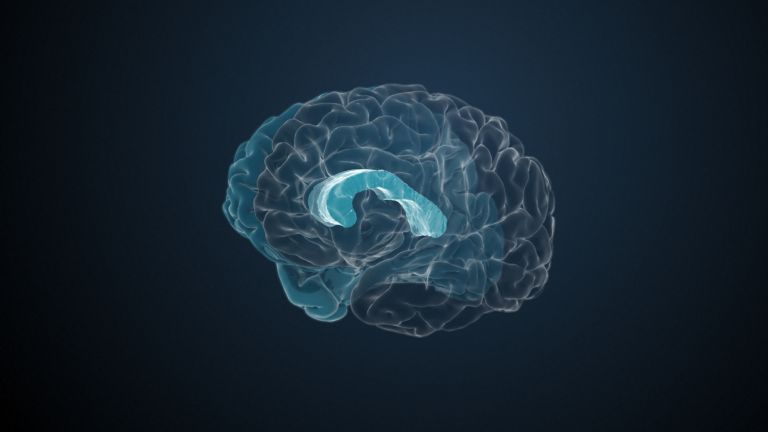
If you are interested in the insular lobe – the lobus insularis – you first have to find it: the insular lobe is covered by the temporal lobe and the opercula – literally the “lids” – of the frontal and parietal lobes, and thus, it cannot be seen from outside. Johann Christian Reil (1759-1813) discovered it in the year 1796. Well, he first described it in 1796, but “discovery” fits so well with the name given to the lobus insularis. Thus, in the famous anatomical reference work Gray's Anatomy this structure was named “The Island of Reil” (Insula reilii). The insular cortex is nowadays also termed “insula” (Latin for island).
Scientific support: Prof. Dr. Oliver von Bohlen und Halbach
Published: 08.07.2025
Difficulty: intermediate
The insular Cortex is comparatively small and phylogenetically old. It is considered a multisensory area and is particularly important in the processing of Taste. However, not only are hunger, thirst, satiety, nausea and shortness of breath perceived here, but the Insula also plays a role in empathy.
Cortex
cortex cerebri
Cortex refers to a collection of neurons, typically in the form of a thin surface. However, it usually refers to the cerebral cortex, the outermost layer of the cerebrum. It is 2.5 mm to 5 mm thick and rich in nerve cells. The cerebral cortex is heavily folded, comparable to a handkerchief in a cup. This creates numerous convolutions (gyri), fissures (fissurae), and sulci. Unfolded, the surface area of the cortex is approximately 1,800cm².
Taste
The sensory impression we refer to as "taste" results from the interaction between our senses of smell and taste. In terms of sensory physiology, however, "taste" is limited to the impression conveyed to us by the taste receptors on the tongue and in the surrounding mucous membranes. It is currently assumed that there are five different types of taste receptors that specialize in the taste qualities sweet, sour, salty, bitter, and umami. In 2005, scientists also identified possible taste receptors for fat, whose role as a distinct taste quality is still being investigated.
Insula
lobus insularis
The insula is a recessed part of the cortex (cerebral cortex) that is covered by the frontal, temporal, and parietal lobes. This overlay is called the opercula (lid). The insula influences the motor and sensory functions of the intestines and is considered to be the link between cognitive and emotional elements in pain processing. It is also involved in processes such as taste and physical self-awareness.
empathy
Empathy
The term "empathy" comes from the ancient Greek word for "passion." Today, empathy is understood as the ability to put oneself in another person's shoes and understand their feelings, thoughts, and actions. In neuroscience, empathy is supported by mirror neurons, among other things: nerve cells that show similar activity when observing an action as when performing it.
The recessed position of the insular Cortex is ontogenetically determined, as during fetal development, the other, more well-known lobes of the cerebral cortex continue to grow, whereas the Insula ceases its development earlier and remains roughly the size of a two-euro coin. Nevertheless, many anatomists regard it as the fifth lobe of the cerebrum.
Cortex
cortex cerebri
Cortex refers to a collection of neurons, typically in the form of a thin surface. However, it usually refers to the cerebral cortex, the outermost layer of the cerebrum. It is 2.5 mm to 5 mm thick and rich in nerve cells. The cerebral cortex is heavily folded, comparable to a handkerchief in a cup. This creates numerous convolutions (gyri), fissures (fissurae), and sulci. Unfolded, the surface area of the cortex is approximately 1,800cm².
Insula
lobus insularis
The insula is a recessed part of the cortex (cerebral cortex) that is covered by the frontal, temporal, and parietal lobes. This overlay is called the opercula (lid). The insula influences the motor and sensory functions of the intestines and is considered to be the link between cognitive and emotional elements in pain processing. It is also involved in processes such as taste and physical self-awareness.
Cerebrum
telencephalon
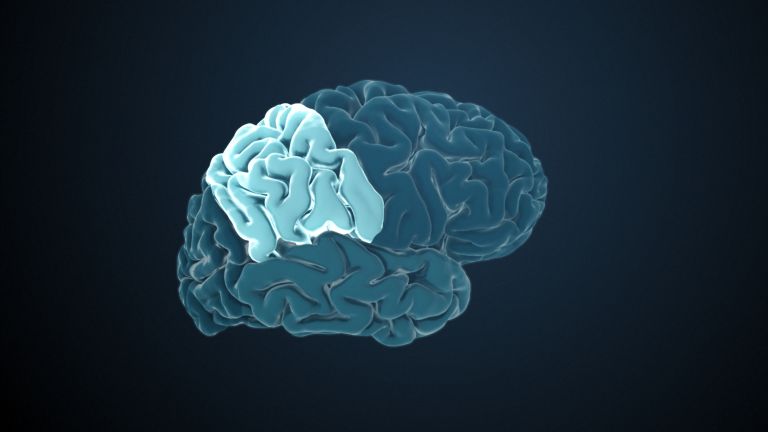
The cerebrum comprises the cerebral cortex (gray matter), the nerve fibers (white matter), and the basal ganglia. It is the largest part of the brain. The cortex can be divided into four cortical areas: the temporal lobe, frontal lobe, occipital lobe, and parietal lobe.
Its functions include the coordination of perception, motivation, learning, and thinking.
Aged, but versatile
Phylogenetically spoken, meaning in terms of its evolutionary age, the Insula is ancient. Like many old neural structures, it must perform multiple functions. The insular Cortex is regarded as the primary gustatory cortex, from which information is relayed to secondary olfactory regions in the Orbitofrontal cortex This demonstrates that the brain’s processing of two senses, namely smells and taste, are closely interconnected.
The insular lobe also covers a surprising range on its own: Not only is Taste processed and perceived, but its evaluation also takes place immediately. For example, a massive rejection manifests itself as a feeling of disgust, and this also becomes conscious in the insula. The extreme rejection would probably be pathological preference and it is known, at least from heavy smokers, that a stroke in the insular cortex can free them from their addiction. However, its removal is not recommended as a therapy, since this brain structure also makes us aware of our hunger and thirst.
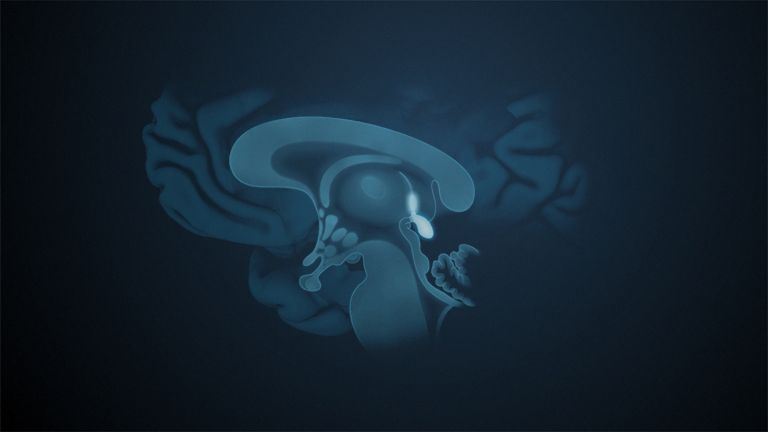
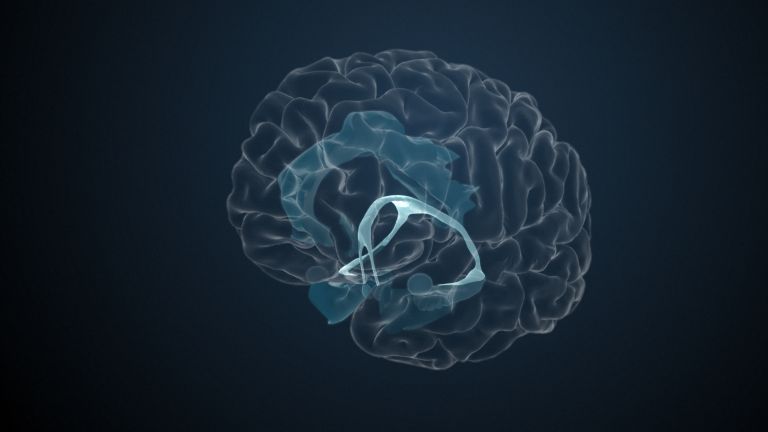
However, much more happens in the insular cortex, which is considered a multisensory cortex and is involved in the emotional evaluation of pain. As an important projection site of the viscerosensory pathway – i.e. the sensations of the internal organs – it receives a lot of other information in addition to hunger, including information about shortness of breath, nausea and a feeling of fullness. In addition, this brain structure is involved in monitoring the filling status of the urinary bladder. In addition, the insula is reciprocally connected to the thalamus and the Amygdala in order to directly – and indirectly – influence Homeostasis as well as emotions and emotional sensations. Furthermore, there is evidence that bilateral destruction of the insular cortex can lead to complete auditory Agnosia. Last but not least, the insular cortex is one of several vestibular centers in the brain and is therefore concerned with balance.
Insula
lobus insularis
The insula is a recessed part of the cortex (cerebral cortex) that is covered by the frontal, temporal, and parietal lobes. This overlay is called the opercula (lid). The insula influences the motor and sensory functions of the intestines and is considered to be the link between cognitive and emotional elements in pain processing. It is also involved in processes such as taste and physical self-awareness.
Cortex
cortex cerebri
Cortex refers to a collection of neurons, typically in the form of a thin surface. However, it usually refers to the cerebral cortex, the outermost layer of the cerebrum. It is 2.5 mm to 5 mm thick and rich in nerve cells. The cerebral cortex is heavily folded, comparable to a handkerchief in a cup. This creates numerous convolutions (gyri), fissures (fissurae), and sulci. Unfolded, the surface area of the cortex is approximately 1,800cm².
Orbitofrontal cortex
A convolution in the orbitofrontal cortex of the cerebral cortex, located anatomically behind the eyes. The orbitofrontal cortex plays a crucial role in decision-making and monitoring social interactions and is correspondingly complex in structure. It consists of four different substructures: the medial, lateral, anterior, and posterior orbital gyri, as well as the rectus gyrus.
Taste
The sensory impression we refer to as "taste" results from the interaction between our senses of smell and taste. In terms of sensory physiology, however, "taste" is limited to the impression conveyed to us by the taste receptors on the tongue and in the surrounding mucous membranes. It is currently assumed that there are five different types of taste receptors that specialize in the taste qualities sweet, sour, salty, bitter, and umami. In 2005, scientists also identified possible taste receptors for fat, whose role as a distinct taste quality is still being investigated.
stroke
Cerebral apoplexy
In a stroke, the brain or parts of it are no longer supplied with sufficient blood, which impairs the supply of oxygen and glucose. The most common cause is a blockage in an artery (ischemic stroke), less commonly a hemorrhage (hemorrhagic stroke). Typical symptoms include sudden visual disturbances, dizziness, paralysis, speech or sensory disturbances. Long-term consequences can include various sensory, motor, and cognitive impairments.
Amygdala
corpus amygdaloideum
An important core area in the temporal lobe that is associated with emotions: it evaluates the emotional content of a situation and reacts particularly to threats. In this context, it is also activated by pain stimuli and plays an important role in the emotional evaluation of sensory stimuli. Inaddition, it is involved in linking emotions with memories, emotional learning ability, and social behavior. The amygdala is part of the limbic system.
Homeostasis
Homeostasis is the ability of an organism to maintain internal conditions such as metabolism, body temperature, blood pressure, etc. at a relatively constant level. The maintenance of homeostasis is controlled by the autonomic nervous system, meaning that humans cannot directly influence its regulation at will.
emotions
Neuroscientists understand "emotions" to be complex response patterns that include experiential, physiological, and behavioral components. They arise in response to personally relevant or significant events and generate a willingness to act, through which the individual attempts to deal with the situation. Emotions typically occur with subjective experience (feeling), but differ from pure feeling in that they involve conscious or implicit engagement with the environment. Emotions arise in the limbic system, among other places, which is a phylogenetically ancient part of the brain. Psychologist Paul Ekman has defined six cross-cultural basic emotions that are reflected in characteristic facial expressions: joy, anger, fear, surprise, sadness, and disgust.
Agnosia
The term agnosia comes from Latin and means "not knowing." It is a disorder of recognition caused by damage or dysfunction of the brain, without deficits in sensory perception. Agnosia is usually very specific, such as prosopagnosia, the inability to recognize a person by their face.

Interpersonal
The Insula is also involved in speech production, at least in automated speech. During simple word repetitions, the insular Cortex becomes active shortly after the Perception of spoken words. Moreover, it has been shown that lesions in the posterior insula can impair speech motor functions, thereby leading to a disruption in speech.
The insular cortex is even involved in "compassion," one of the most human abilities, such as when we empathize with the pain of others. As social neuroscience studies employing imaging techniques have revealed, activity in the anterior insula is not only observed during personal pain but also when witnessing pain in others.
In addition to empathy, the insular cortex appears to be involved in the sense of fairness, maternal love, orgasms, sudden insights and decision-making. Its activity in relation to Attention is particularly noteworthy, especially regarding self-awareness and one's current state. This introspective quality may be one reason why the insula is disproportionately larger in humans as compared to their closest relatives.
Insula
lobus insularis
The insula is a recessed part of the cortex (cerebral cortex) that is covered by the frontal, temporal, and parietal lobes. This overlay is called the opercula (lid). The insula influences the motor and sensory functions of the intestines and is considered to be the link between cognitive and emotional elements in pain processing. It is also involved in processes such as taste and physical self-awareness.
Cortex
cortex cerebri
Cortex refers to a collection of neurons, typically in the form of a thin surface. However, it usually refers to the cerebral cortex, the outermost layer of the cerebrum. It is 2.5 mm to 5 mm thick and rich in nerve cells. The cerebral cortex is heavily folded, comparable to a handkerchief in a cup. This creates numerous convolutions (gyri), fissures (fissurae), and sulci. Unfolded, the surface area of the cortex is approximately 1,800cm².
Perception
The term describes the complex process of gathering and processing information from stimuli in the environment and from the internal states of a living being. The brain combines the information, which is perceived partly consciously and partly unconsciously, into a subjectively meaningful overall impression. If the data it receives from the sensory organs is insufficient for this, it supplements it with empirical values. This can lead to misinterpretations and explains why we succumb to optical illusions or fall for magic tricks.
posterior
A positional term – posterior means "towards the back, located at the rear." In relation to the nervous system, it refers to a direction towards the tail.
Attention
Attention
Attention serves as a tool for consciously perceiving internal and external stimuli. We achieve this by focusing our mental resources on a limited number of stimuli or pieces of information. While some stimuli automatically attract our attention, we can select others in a controlled manner. The brain also unconsciously processes stimuli that are not currently the focus of our attention.
Disturbances in the functioning of the insula
Individuals diagnosed with Frontotemporal dementia (FTD) frequently exhibit symptoms that include a loss of empathy, repetitive and compulsive behaviors, impaired judgment, language impairments and inappropriate social behavior. The observed alterations are associated with degeneration or atrophy of the insular cortex.
Damage to the insular cortex can result in a wide range of sensory perception impairments. Individuals with such an insular dysfunction may still perceive sensory inputs but might no longer respond to them appropriately.
Frontotemporal dementia
Pick's disease
Frontotemporal dementia is a neurodegenerative disease. Unlike Alzheimer's dementia, Pick's disease usually begins before the age of 60 and initially manifests itself through changes in personality and social behavior. There are also variants that begin with speech disorders. In advanced stages, memory performance is also impaired. The physiological cause is degeneration of nerve cells in the frontal and temporal lobes of the brain. Similar to Alzheimer's disease, the aggregation of certain proteins appears to play a role in pathogenesis. However, doctors do not yet understand exactly what happens in this process and what other factors contribute to the development of Pick's disease. Today, classic Pick's disease is only a subtype of FTD in which characteristic Pick bodies can be detected in the brain.
First published on September 22, 2011
Last updated on July 8, 2025