Emotions: Feelings are a matter of the mind, as well
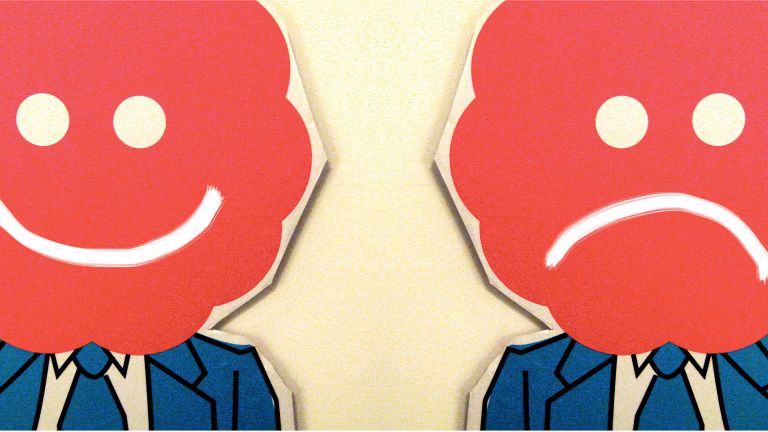
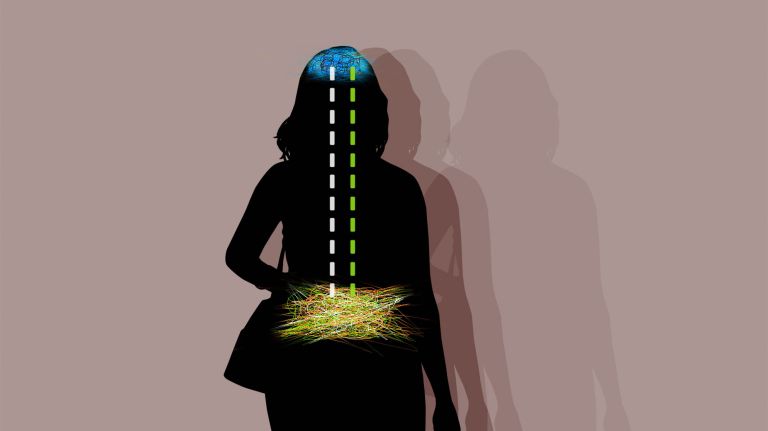
Nothing determines our lives as much as our feelings. And nothing is as difficult to grasp as our feelings. Subjective feelings pose a particular challenge for brain research with its precise measurement methods – among other things, because they often remain unconscious.
Yet most people are true masters at perceiving and interpreting the moods of others. In her article ▸ The Roots of Emotions, our author Hanna Drimalla explains why certain patterns in Facial expressions help them do this and what role the so-called Basic emotions play.
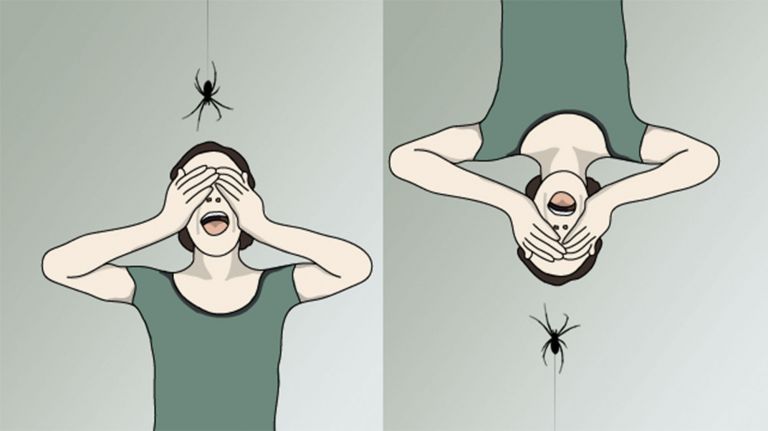
One emotion that has been intensively researched is fear. The ▸ animation on this topic shows how diverse its influence on the body is, why it sometimes leads us astray, and how the brain tries to protect itself against such missteps.
In an ▸ interview, fear researcher Hans-Christian Pape also explains the differences between shock, fear, and anxiety and the importance of rats for experimental research. We also had the opportunity to speak with ▸ Jaak Panksepp, the father of affective neuroscience, who has sadly since passed away. But maybe you would like to start with this article: ▸ What are emotions?
Facial expressions
Five muscle groups control the visible movements on the surface of our faces – and this applies to everyone in the world. Neuroscientists emphasize universal, evolutionarily anchored reactions as the reason for this. For this reason, the basic emotions of fear, anger, disgust, sadness, surprise, and joy leave similar traces on the face everywhere, which we can usually identify reliably even in strangers.
Basic emotions
Some theories assume that all emotions can be broken down into a few basic emotions. These are also referred to as primary emotions. According to Ekman, these classically include fear, anger, joy, sadness, disgust, and surprise. Primary emotions arise very quickly in response to an event and sometimes subside just as quickly. Over time, they can transition into secondary emotions (e.g., shame, guilt, or pride).