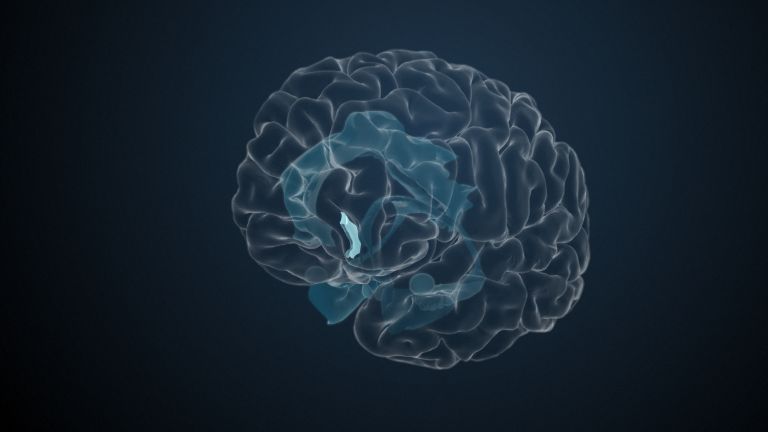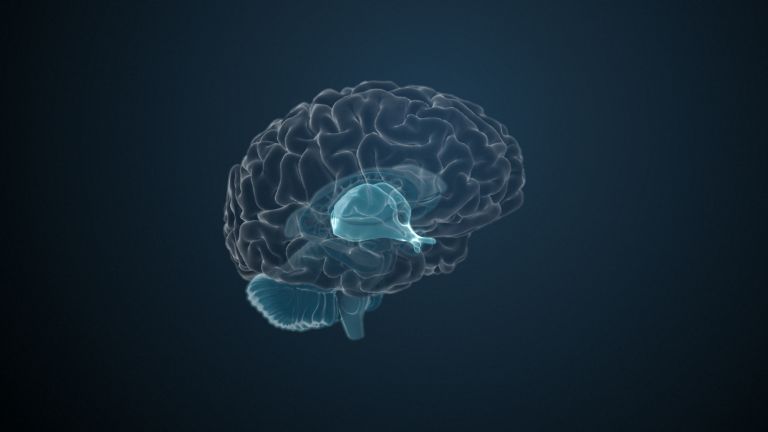
Anatomy – Structures of the Brain and Mind
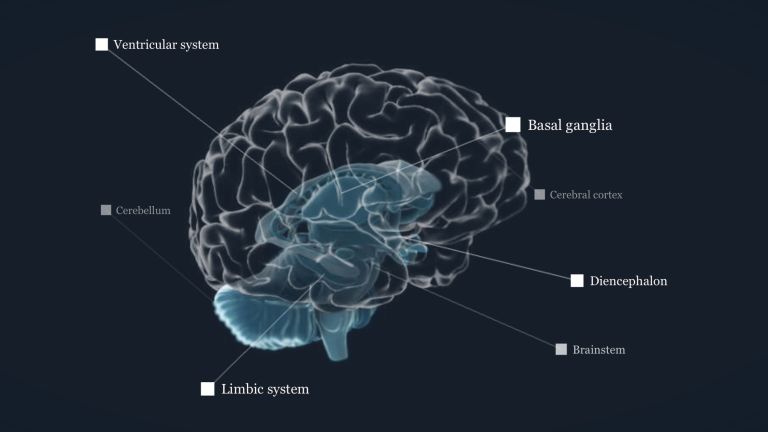
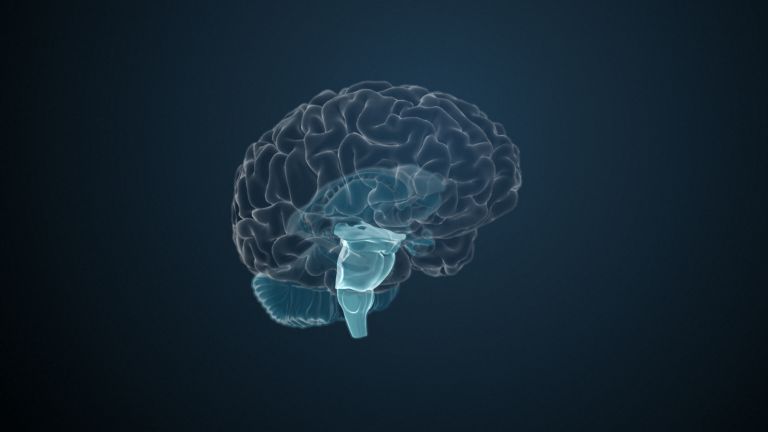
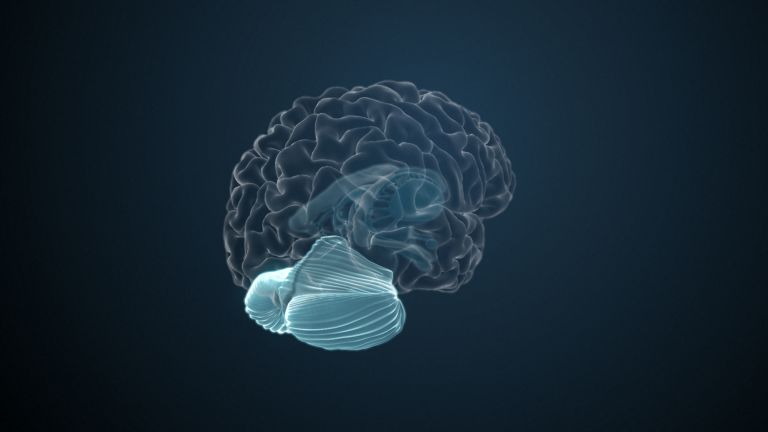
The brain is probably not the most complex object in the universe. But here on our little planet, it is: even the smallest movement is based on the activity of numerous regions and requires a delicate balance of mutual Inhibition and excitation. Memory is an almost inevitable consequence of excited sensory cells, and our mind... how complex must a structure be to accommodate us as individuals? Nevertheless, some researchers think exactly that: that the mind is what brains do.
Yet we perceive the difference between ourselves and this brownish-gray mass as striking: is that what we are supposed to be? But there are structures that control our Emotions. There are those that preserve our biography. And, of course, those that keep us alive.
Describing the regions and structures of the brain is the task of anatomy. Writing about anatomy, on the other hand, is a difficult task. We have therefore devoted our articles to the big picture, but always paid Attention to details worth telling. For example, when Helmut Wicht describes the susceptibility of the chest to “ethyl toxic insult.” Or when Tanja Krämer examines the Limbic system after historical errors.
Read on, these articles are about you. Quite directly.
Inhibition
Neuronal inhibition describes the phenomenon whereby a sender neuron sends an impulse to a receiver neuron, causing the latter's activity to decrease. The most important inhibitory neurotransmitter is GABA.
Memory
Memory is a generic term for all types of information storage in the organism. In addition to pure retention, this also includes the absorption of information, its organization, and retrieval.
Emotions
Neuroscientists understand "emotions" to be complex response patterns that include experiential, physiological, and behavioral components. They arise in response to personally relevant or significant events and generate a willingness to act, through which the individual attempts to deal with the situation. Emotions typically occur with subjective experience (feeling), but differ from pure feeling in that they involve conscious or implicit engagement with the environment. Emotions arise in the limbic system, among other places, which is a phylogenetically ancient part of the brain. Psychologist Paul Ekman has defined six cross-cultural basic emotions that are reflected in characteristic facial expressions: joy, anger, fear, surprise, sadness, and disgust.
Attention
Attention
Attention serves as a tool for consciously perceiving internal and external stimuli. We achieve this by focusing our mental resources on a limited number of stimuli or pieces of information. While some stimuli automatically attract our attention, we can select others in a controlled manner. The brain also unconsciously processes stimuli that are not currently the focus of our attention.
Limbic system
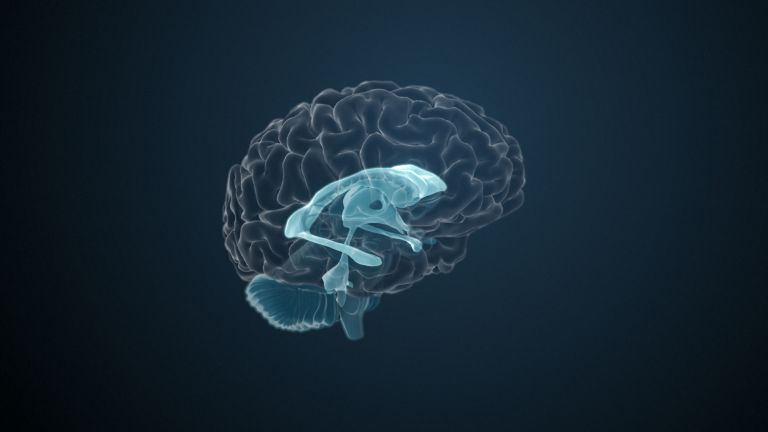
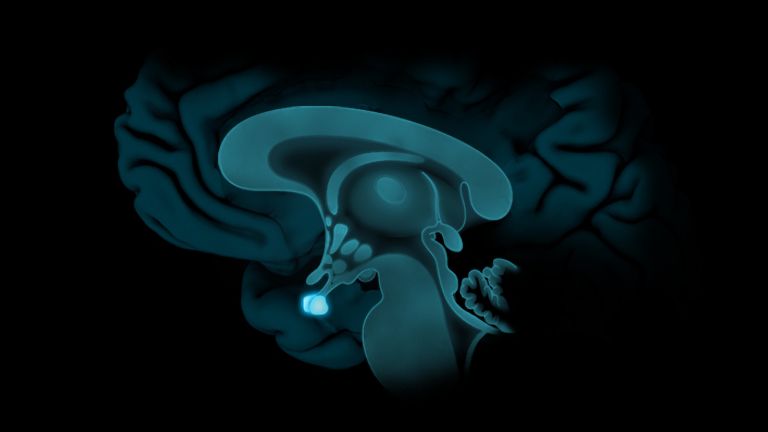
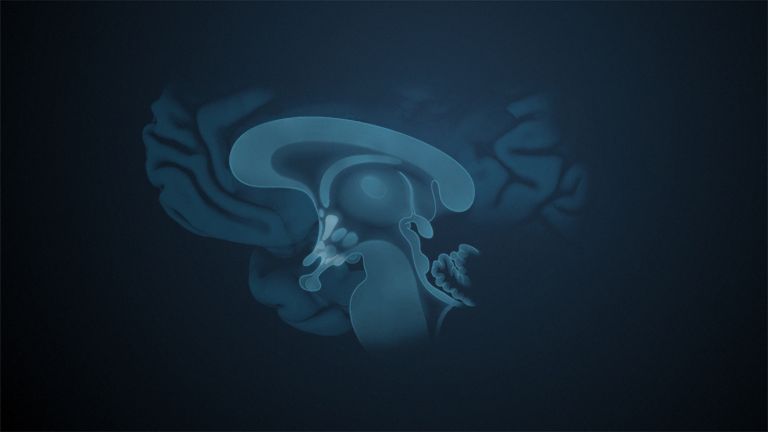
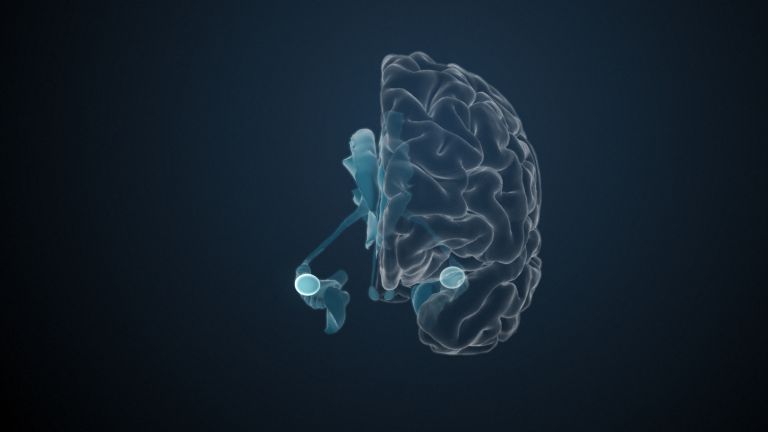
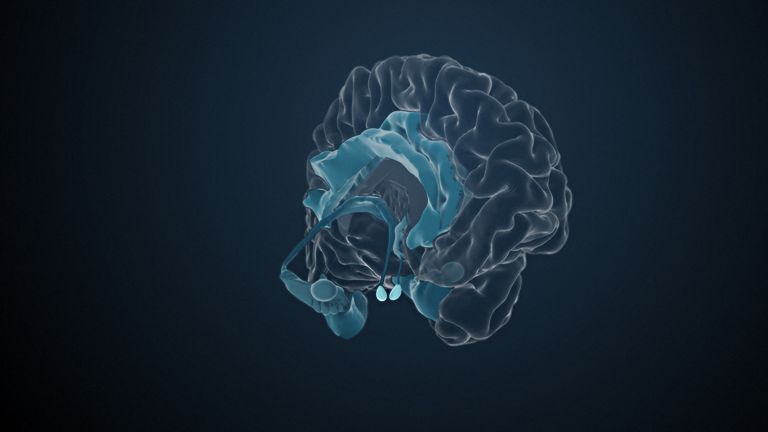
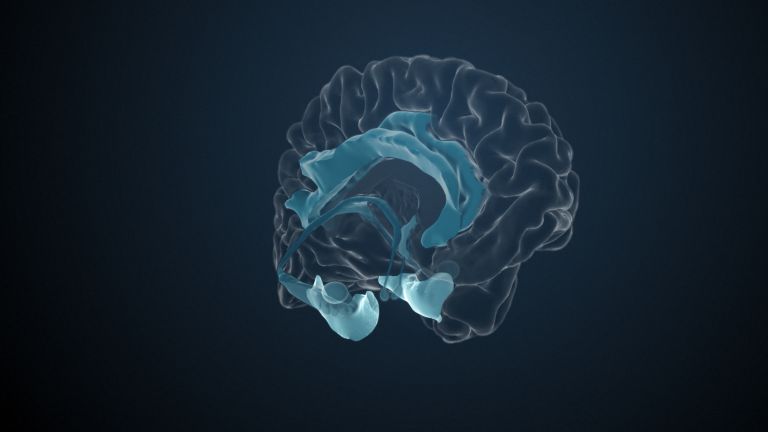
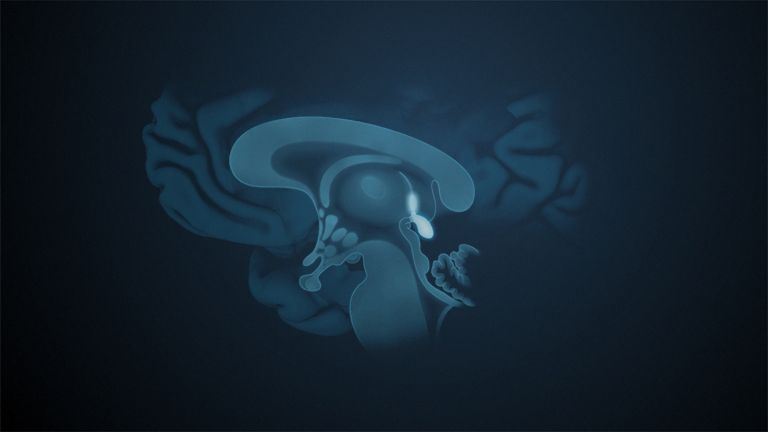
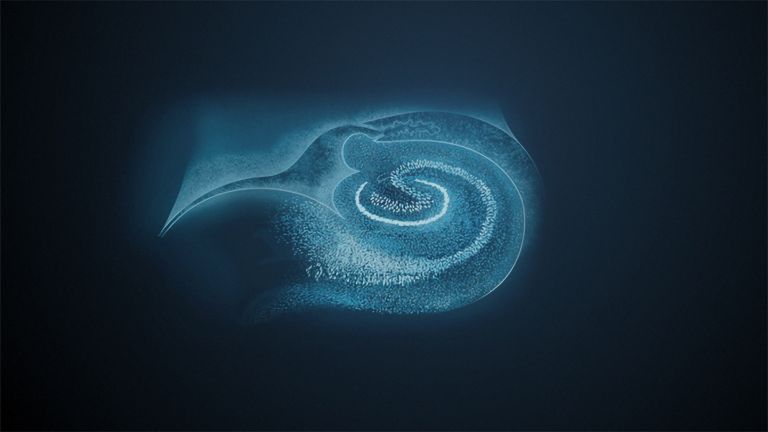
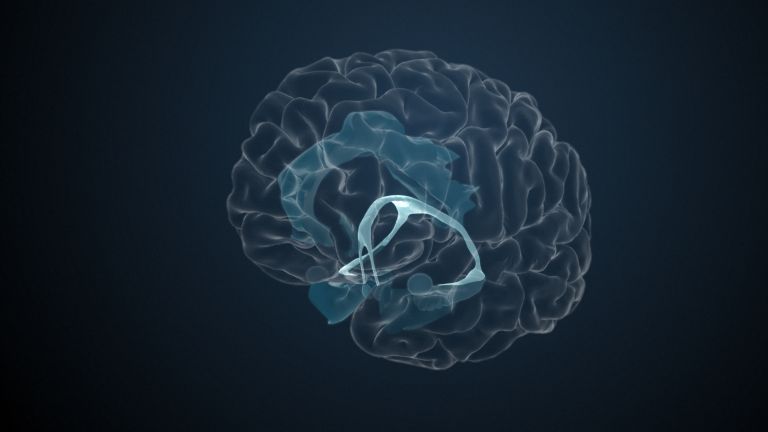
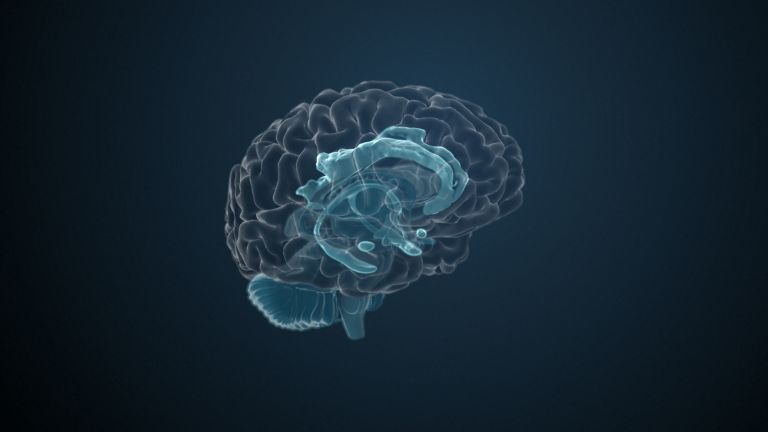
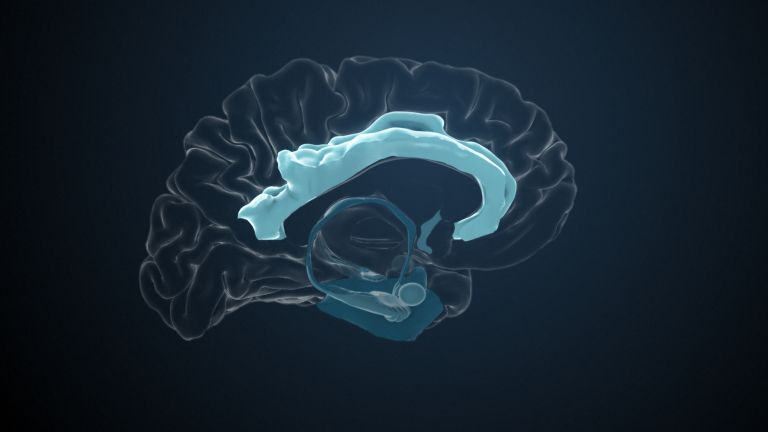
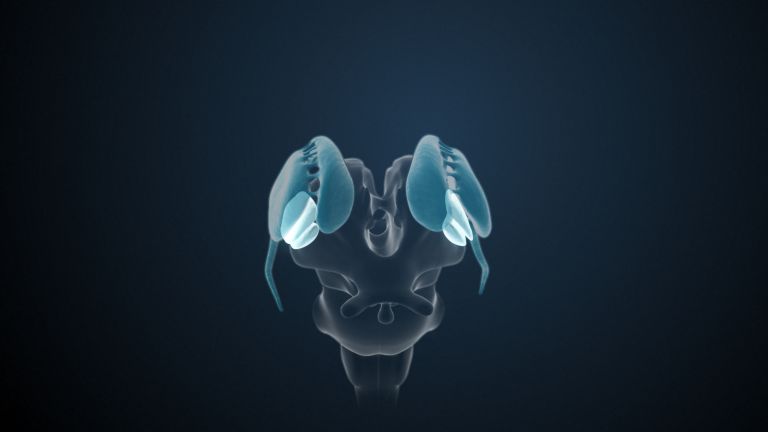
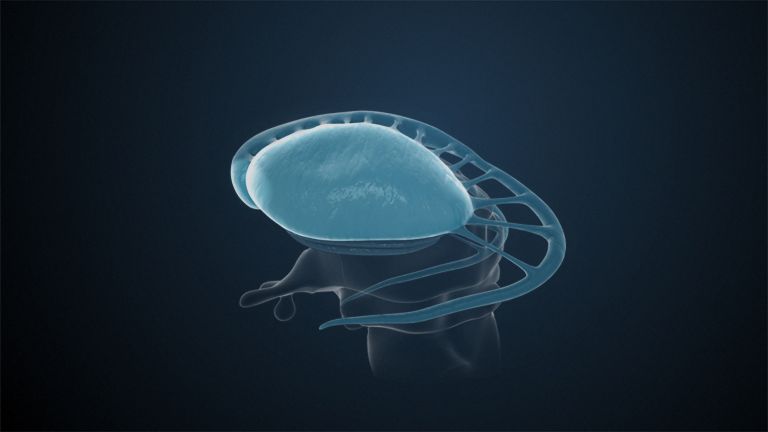
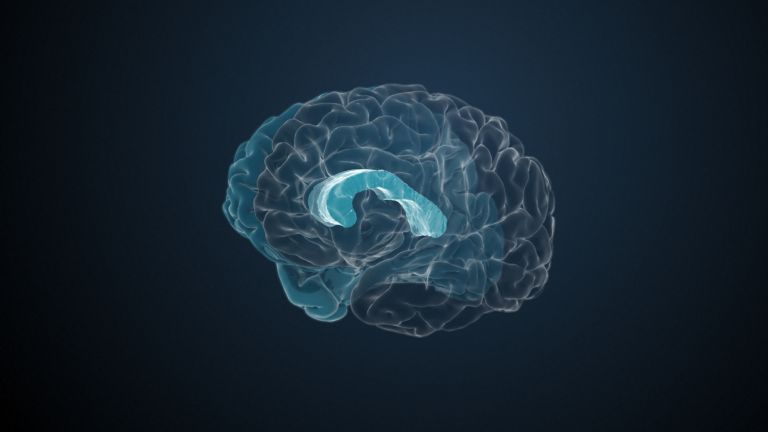
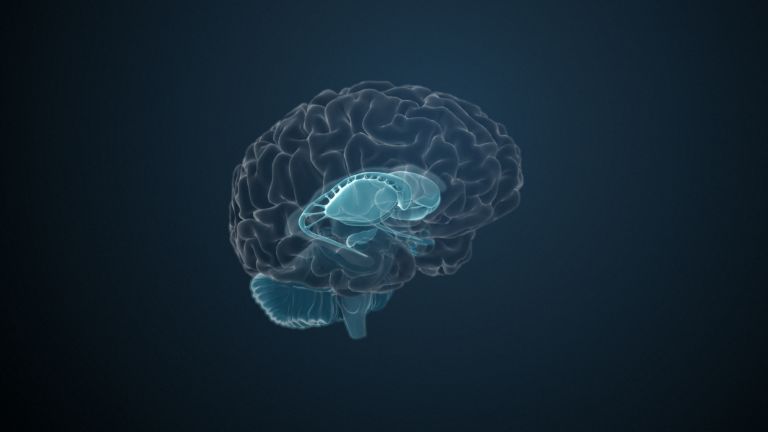
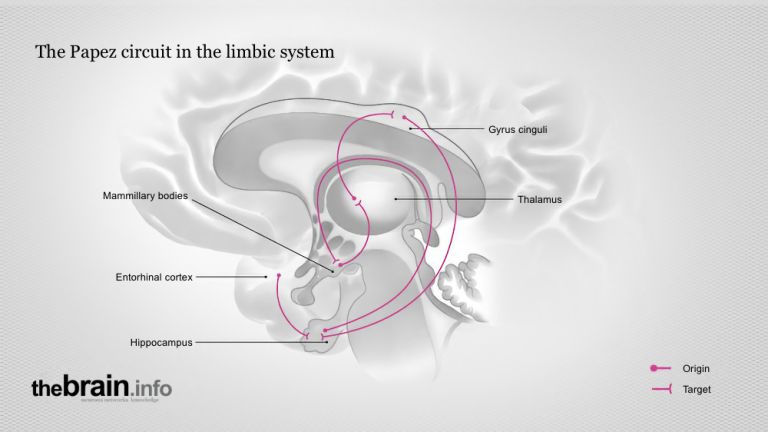
The limbic system is a functional unit in the brain. It consists of interconnected structures, primarily in the cerebrum and diencephalon. The structures assigned to the system vary depending on the source, but the most important components are the hippocampus, amygdala, cingulate gyrus, septum, and mammillary bodies. The limbic system is involved in autonomic and visceral processes as well as in mechanisms of emotion, memory, and learning. Some authors mistakenly reduce the limbic system to the emotional world by referring to it as the "emotional brain."