What we feel shapes our emotional life – and helps us react correctly and quickly.
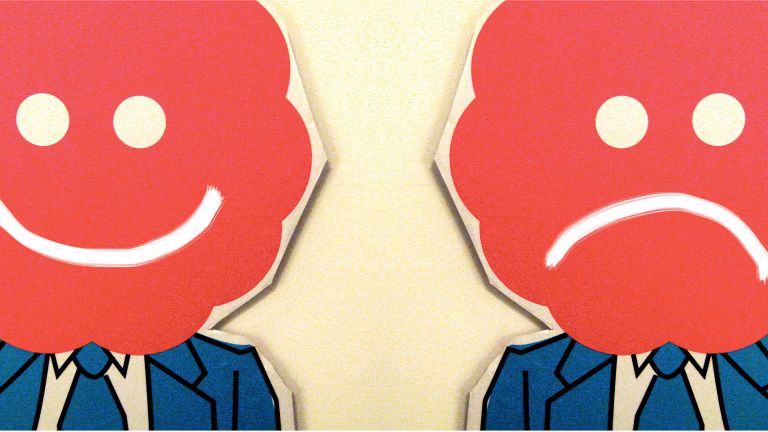
Humans are not machines: emotions control their behavior more often than they realize.
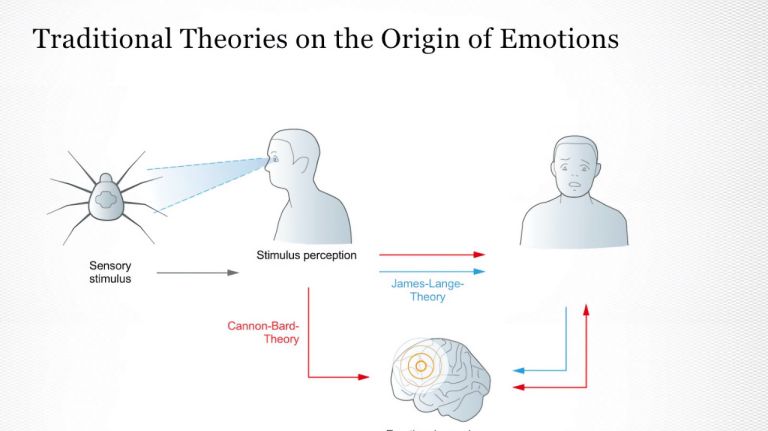
How do feelings arise? Emotion theories provide different answers.
They say love is blind. Neurobiologists have discovered that this is true. What's more, it's also addictive.
Emotion scientists seek to identify the basic patterns of our feelings.
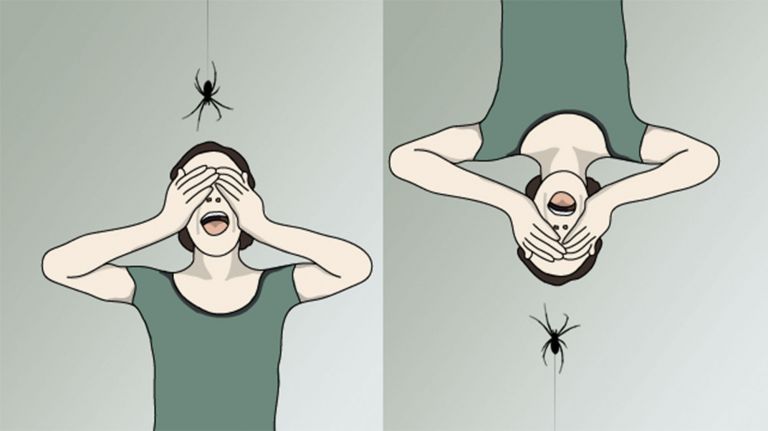
Fear arises thanks to lightning-fast mechanisms – that do not always react correctly.
Anxiety researcher Hans-Christian Pape on rats, Rottweilers, and the positive aspects of fear.
The story of the brain that went forth to learn what fear was.
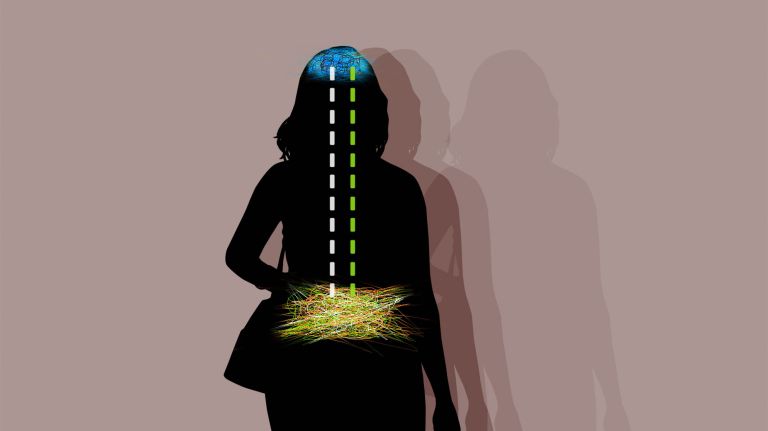
We only consciously feel fear, disgust, love, and hate when the cerebral cortex is engaged.
Does disgust protect us from pathogens, or is it the most malicious of all emotions?
Emotions shape our lives. That's why we're so good at recognizing and empathizing with them.
Companies are focusing on the sense of smell in their marketing: fragrances are intended to bind customers to the brand.
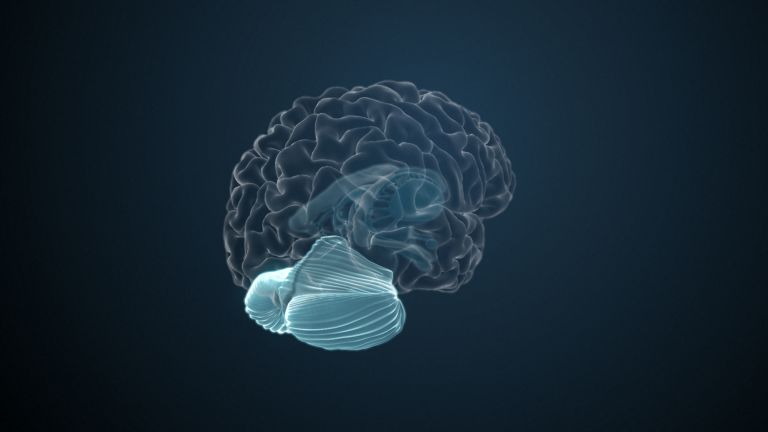
Highly aesthetic, but long underestimated: the cerebellum does more than just coordinate movements.
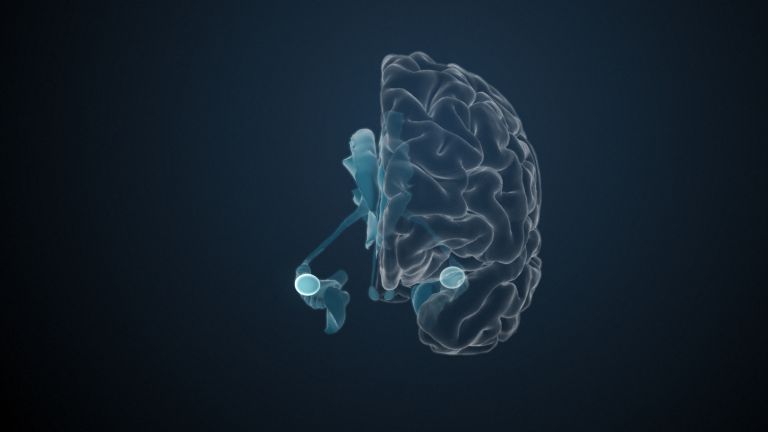
Without the amygdala, humans lose their sense of fear. With the amygdala, they also recognize the fear of others.
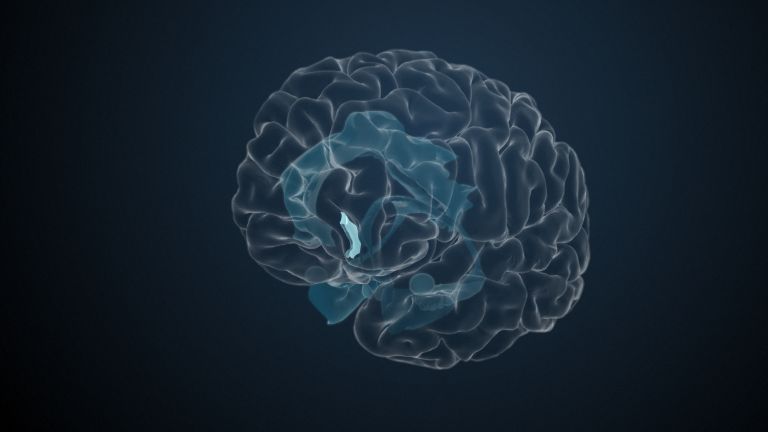
The core areas of the septum are located at the interface between the hypothalamus and hippocampus.
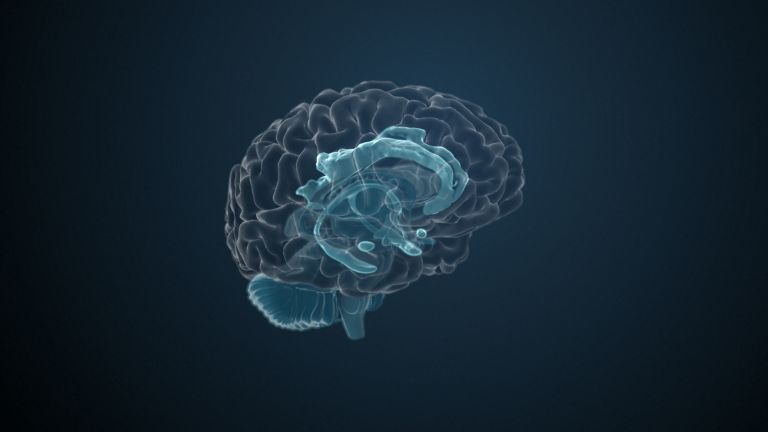
The limbic system does not solely control our emotional life. It also has other functions.
Reason and emotion are not necessarily opposites – they help to evaluate a situation.
Fear is a powerful emotion – it can save lives. Or lead you astray.
The days when emotions were merely psychological disturbances are long gone.
Traditional theories of emotion formation came to different conclusions.