Search
-
- Basics
- Anatomy
The Insular Lobe
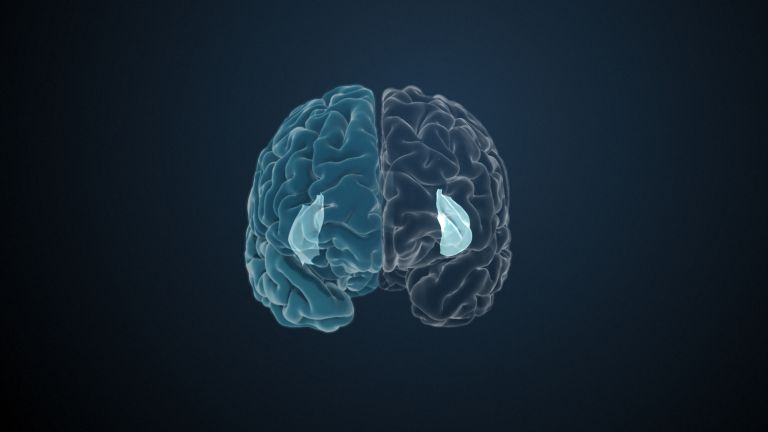
Deeply hidden in the temporal lobe lies the insular cortex: ancient, versatile, and full of surprises.
08.07.2025
-
- Diseases
- Intruders
Constant Stress on the Brain
Stress, inflammation, cell death – how environmental toxins damage the brain.
02.05.2023
-
- Basics
- The Developing Brain
How Thinking develops
Rapid development: how the brain and mind develop in early childhood
18.03.2026
-
- News from the Institutes
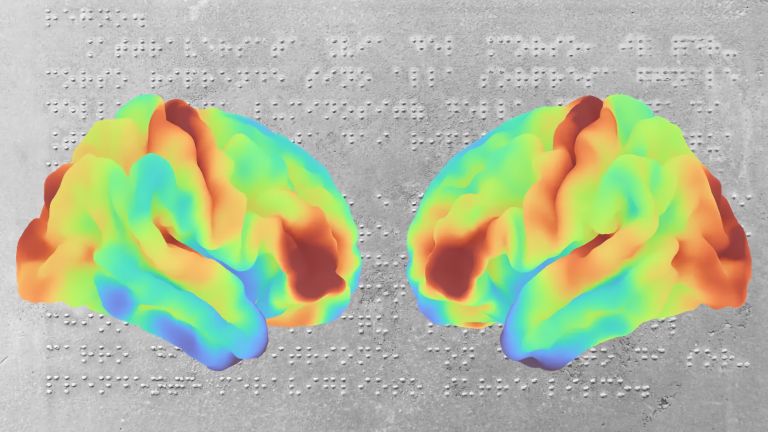
The brains of blind people reorganize differently than previously thought
The brain's microstructure was imaged at the submillimeter scale, revealing several important patterns.
13.07.2026
-
- Basics
- Anatomy
The Cortex
The brain's control center, seat of perception, consciousness, and behavior
20.09.2025
-
- Basics
- Anatomy
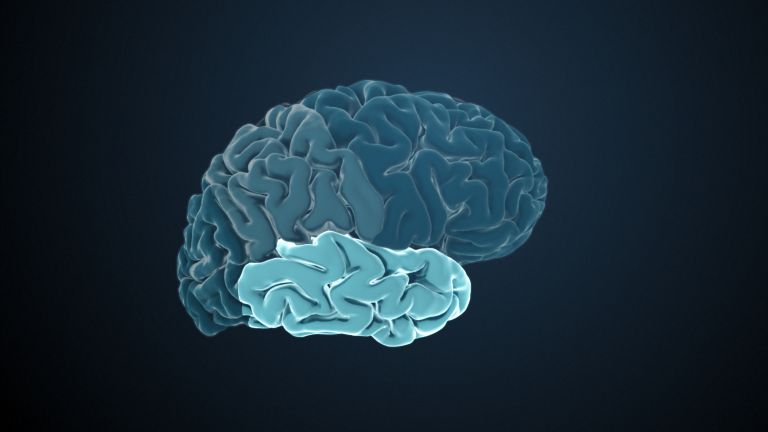
The Temporal Lobe
The lateral lobe of the cortex is responsible for tasks such as hearing, speaking, memory – and several others.
28.11.2025
-
- Glossary
Medial orbitofrontal cortex
The ventral (in humans, "lower") middle part of the frontal lobe. This part of the cortex influences complex mental processes such as planning, reward evaluation, and decision-making. Patients with lesions in the frontal lobe show personality changes and are often no longer able to control their impulses.
-
- Glossary
Prefrontal cortex
The prefrontal cortex (PFC) forms the front part of the frontal lobe and is one of the brain's most important integration and control centers. It receives highly processed information from many other areas of the cortex and is responsible for planning, controlling, and flexibly adapting one's own behavior. Its central tasks include executive functions, working memory, emotion regulation, and decision-making. In addition, the PFC plays an important role in the cognitive evaluation and modulation of pain.
-
- Basics
- Structure and Function
Senses in Motion
Motor skills play a bigger role in vision than previously thought
21.12.2021
-
- Basics
- Anatomy
The Mesencephalon
Important neurotransmitters, an astonishing array of colors, and a water pipe – that's the midbrain.
20.09.2025