1. Home
  2. Glossary
  3. 3D-Brain
  4. Search
  5. DE
theBrain
  • Topics
  • Community
  • Media
  • About us
  • Topics

    • Start

    • Basics

      • Anatomy
      • Communication of Cells
      • Structure and Function
      • The Glymphatic System
      • Time
    • Percieve

      • Hearing
      • Smell & Taste
    • Think

      • Consciousness
      • Emotions
    • Act

      • Motor Skills
      • Sports
      • Meditation
    • Discover

      • The Fly
      • Milestones
    • Diseases

      • Successful aging
      • Intruders
      • Multiple sclerosis
      • Alzheimer's disease
  • Community

    • News from the Institutes

    • Question to the Brain

  • Media

    • Video

    • Interactive

    • Graphics & Photo

    • Audio

  • About us

    • Idea

    • Team

    • Advisors

    • thebrain.info Association

Search

    1. Topic

    Traumatic Brain Injury

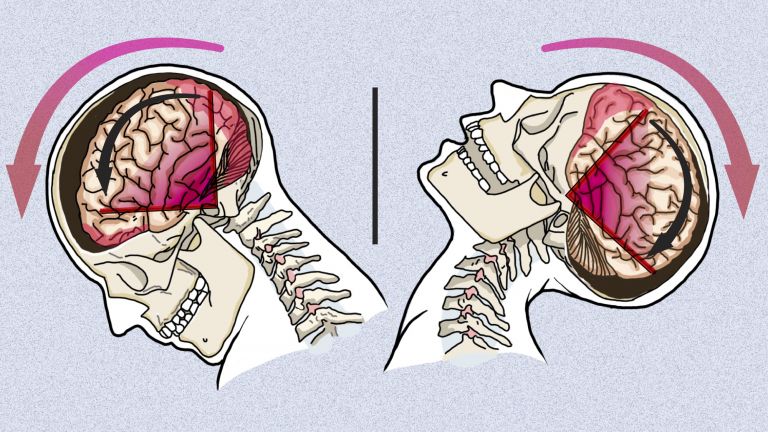
    From concussions and traumatic brain injuries to chronic traumatic encephalopathy (CTE), also known as boxer's syndrome.

    1. Topic

    Heart

    The heart and brain form a system. Neurocardiology studies this system.  

    1. Topic

    The Fly

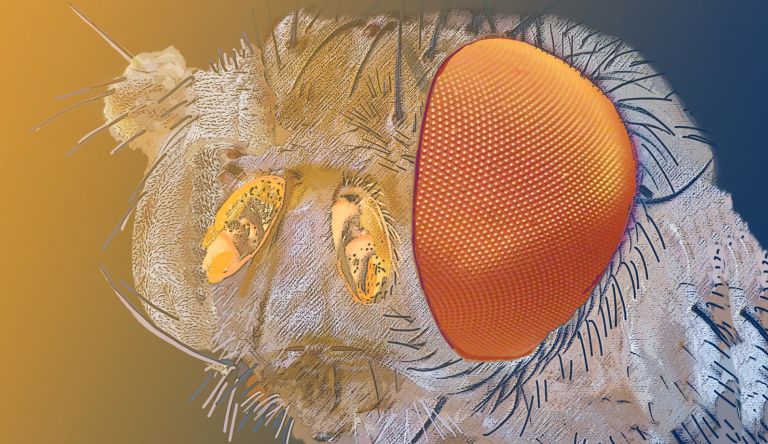
    Feeding, reproducing, surviving – fruit flies not only share our evolutionary goals, they also have a similar nervous system.

    1. Topic

    Energy!

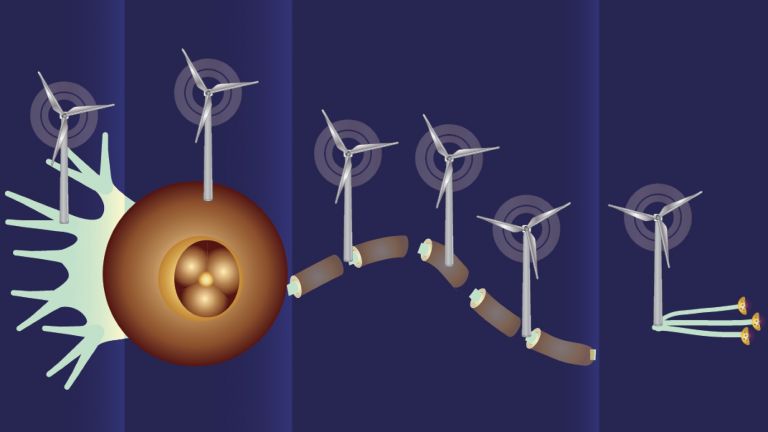
    Neural compartments in the interplay between disease and health.

    1. Topic

    Intruders

    Or: Attack on the Brain!

    1. Topic

    The Brain for Children

    Why gray cells are sometimes pink

    1. Topic

    Basic Research

    Basic research is aimless. But eminently important.

    1. Topic

    Think

    1. Topic

    Time

    Time keeps on slippin’, slippin’, slippin’ Into the future …

    1. Glossary

    Ventral tegmental area

    Located in the midbrain, the uppermost section of the brain stem, is the ventral tegmental area (VTA) – a central component of the reward system. The area itself is not particularly large, but its influence is immense: the neurons of the VTA send their axons to the nucleus accumbens and widely into the prefrontal cortex (PFC), where they release the neuromodulator dopamine. In this way, they enhance learning processes, but can also contribute to the development of addictions.
Pagination

  • First page « Start
  • Previous page ‹ Back
  • …
  • Page 84
  • Page 85
  • Page 86
  • Page 87
  • Page 88
  • Page 89
  • Current page 90
  • Page 91
  • Page 92
  • Next page Next ›
  • Last page End »
  • Home
  • thebrain.info
    • 3D-Brain
    • Glossary
    • Search
  • Topics
    • Start
    • Basics
    • Percieve
    • Think
    • Act
    • Discover
    • Diseases
  • Media
    • Video
    • Interactive
    • Graphics & Photo
  • About us
    • The Idea
    • The Team
    • The Advisors
    • thebrain.info Association
  • Community
    • Question to the Brain
    • News from the Institutes
  • Contact
  • Terms of use
  • Imprint
  • Data privacy
© 2026 theBrain.info