Search
-
- Percieve
- Smell & Taste
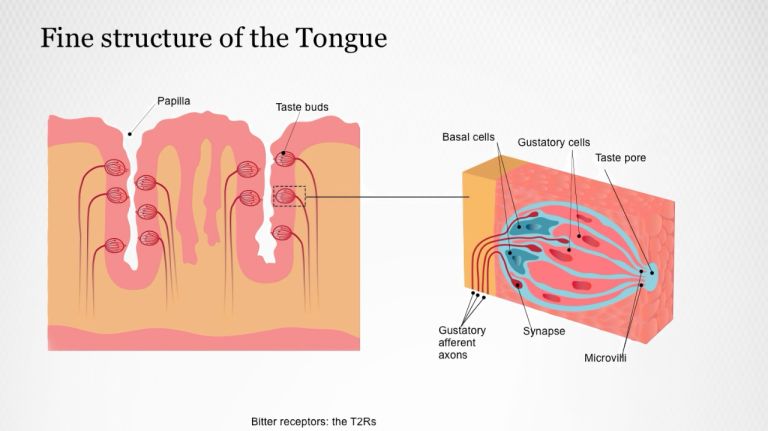
The fine Structure of the Tongue
Taste buds in the taste buds react to sweet, sour, bitter, salty, and umami.
29.11.2013
-
- Percieve
- Hearing
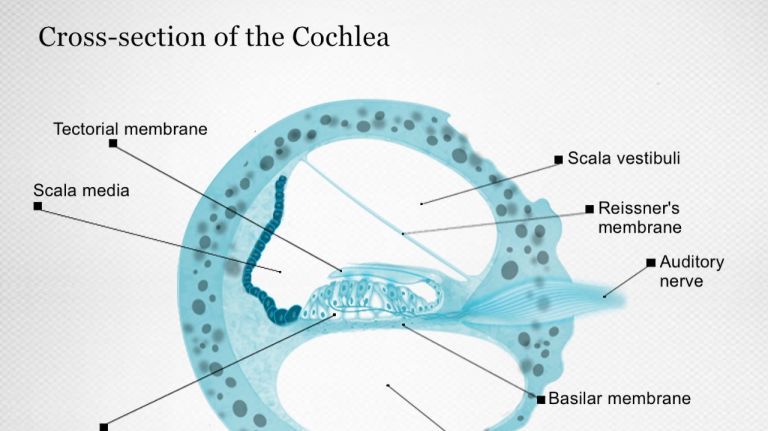
Hearing: The Cochlea
The inner ear contains a spiral structure that is very important for hearing: the cochlea.
23.10.2025
-
- Percieve
- Hearing
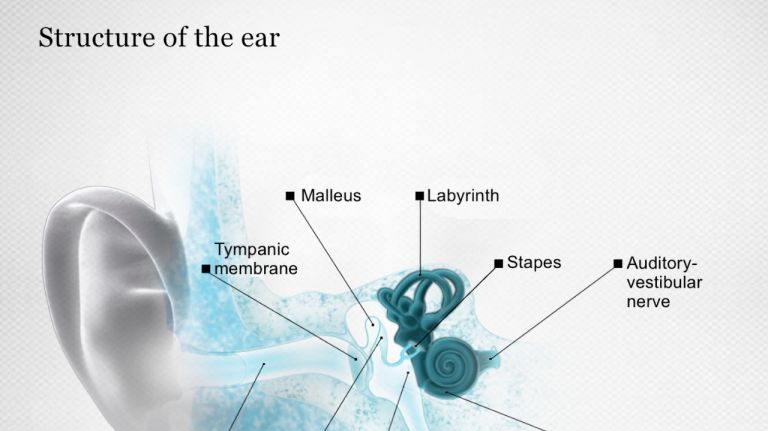
Hearing: Structure of the Ear
Cochlea or stirrup: The ear consists of many parts that are important for hearing.
23.10.2025
-
- Percieve
- Hearing
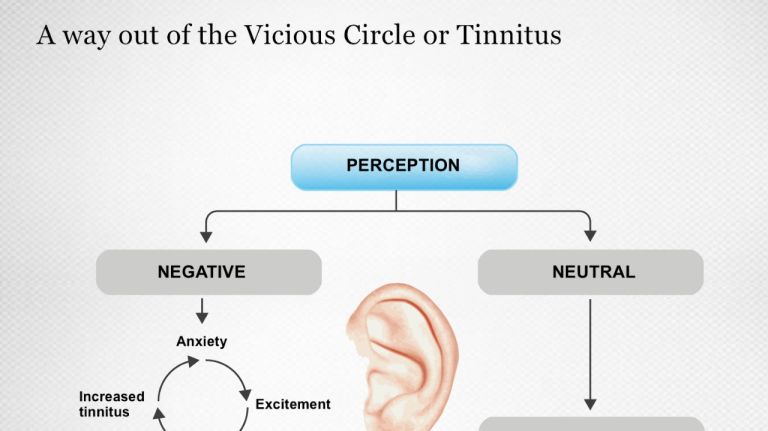
Habituation as a way out of the vicious circle
Those who get used to the ringing in their ears can allow the tinnitus to fade into the background.
02.08.2012
-
- Percieve
- Hearing
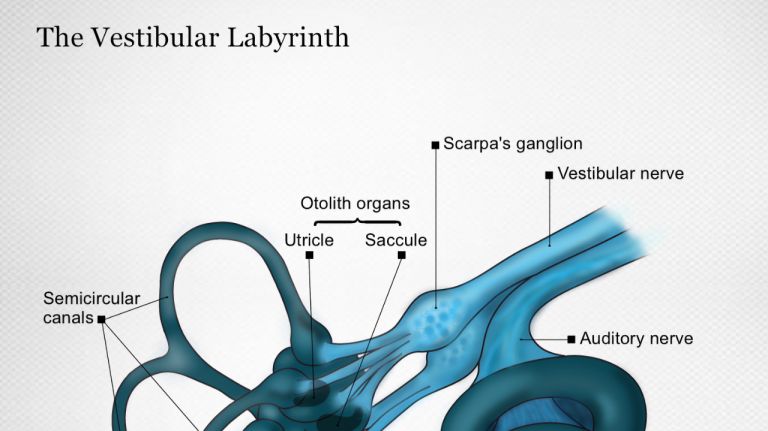
Balance: The vestibular Labyrinth
A labyrinth for balance: The vestibular system ensures equilibrium.
23.10.2025
-
- Discover
- Milestones
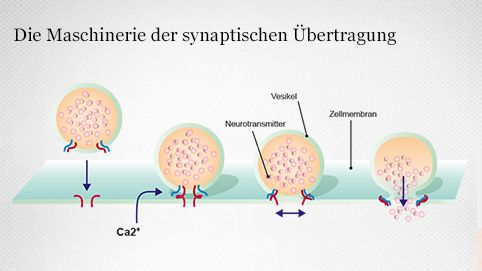
Infographic: The machinery of synaptic transmission
Crowned with the 2013 Nobel Prize in Medicine: the discovery of molecular processes at the synapse.
03.12.2013
-
- Discover
- Milestones
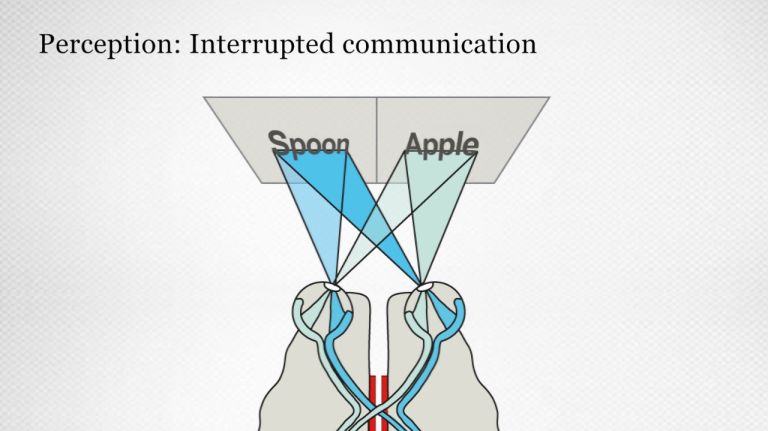
Image | Perception: Split Brain
Visual input from the left field of vision reaches the right hemisphere of the brain and vice versa. This might cause problems.
27.09.2012
-
- Percieve
- Hearing
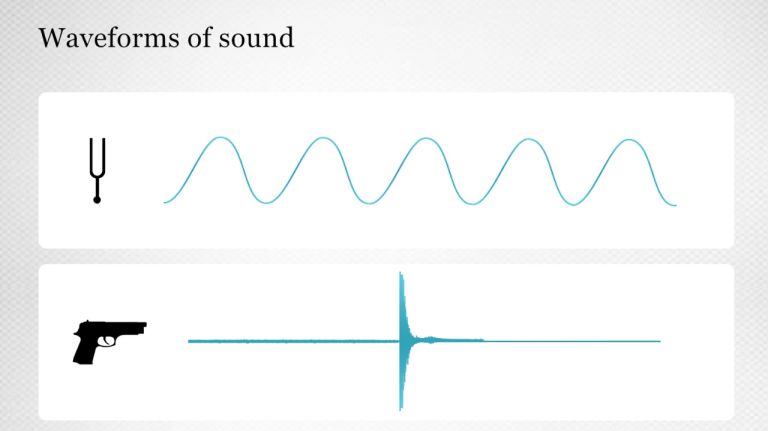
Hearing: Types of Sound and their Perception
Sometimes uniform, sometimes chaotic: the appearance of sound waves depends on their source.
23.10.2025
-
- Percieve
- Hearing
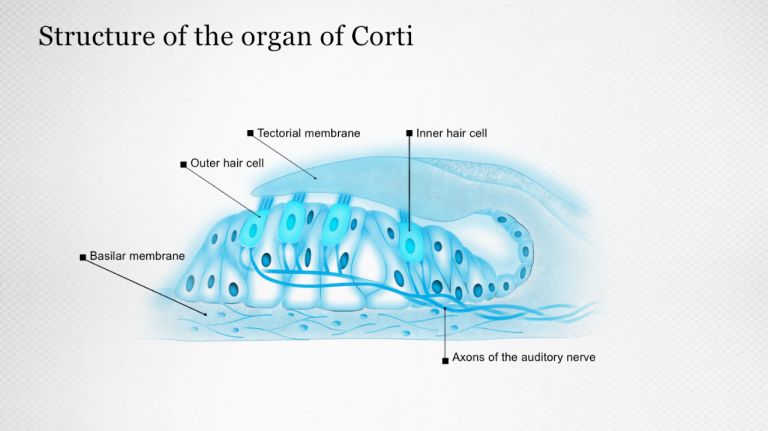
Hearing: Structure of the Organ of Corti
Sound is converted into electrical impulses in the ear. The organ of Corti plays a crucial role in this process.
23.10.2025
-
- Percieve
- Smell & Taste
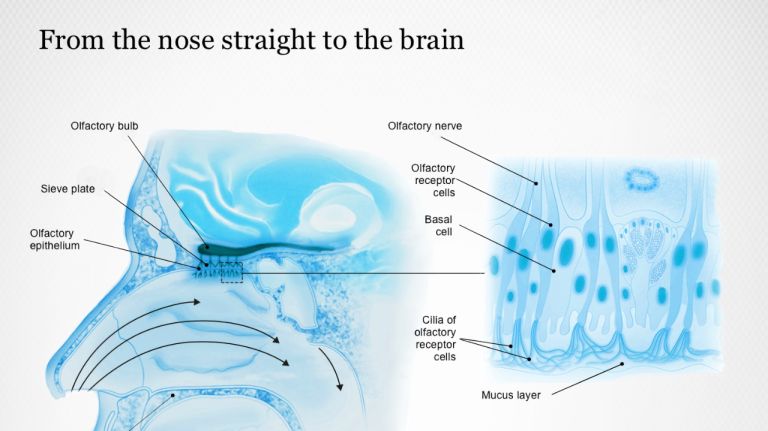
Smell: From the Nose straight to the Brain
At the top of the nasal cavity – directly connected to the brain – the olfactory epithelium picks up aromas.
29.11.2013