1. Home
  2. Glossary
  3. 3D-Brain
  4. Search
  5. DE
theBrain
  • Topics
  • Community
  • Media
  • About us
  • Topics

    • Start

    • Basics

      • Anatomy
      • Communication of Cells
    • Percieve

      • Hearing
      • Smell & Taste
    • Think

      • Consciousness
      • Emotions
    • Act

      • Motor Skills
      • Sports
    • Discover

      • The Fly
      • Milestones
    • Diseases

      • Successful aging
      • Multiple sclerosis
      • Alzheimer's disease
  • Community

    • News from the Institutes

    • Question to the Brain

  • Media

    • Video

    • Interactive

    • Graphics & Photo

    • Audio

  • About us

    • Idea

    • Team

    • Advisors

    • thebrain.info Association

Search

    1. Page

    Current: News from the Institutes

    09.12.2019

  • Wo geht’s lang? Sich zu orientieren, ist besonders schwer, wenn man unter Stress steht.
    1. News from the Institutes

    How Stress Disrupts the Brain’s Navigational System

    Persons under stress may have a harder time spatially orienting themselves. Researchers in Bochum have discovered why.

    13.03.2026

    Wo geht’s lang? Sich zu orientieren, ist besonders schwer, wenn man unter Stress steht.
    1. Page

    Graphics & photos

    10.03.2017

    1. Page

    Glossary

    15.03.2017

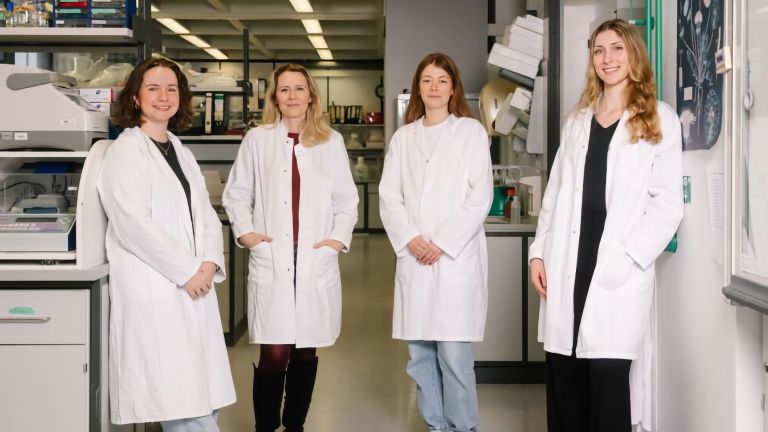
  • Diese Forscherinnen waren an der Studie beteiligt (von links nach rechts): Hanna Böke (Doktorandin),  Dr. Katharina Spoida (Projektleiterin), Hannah Schulte (Doktorandin und Erstautorin), Maria Worm (Doktorandin).
    1. News from the Institutes

    Unlearning Fear Faster

    Mice unlearn fear more quickly when certain brain cells are activated. This opens up new approaches to understanding anxiety disorders. 

    17.02.2026

    Diese Forscherinnen waren an der Studie beteiligt (von links nach rechts): Hanna Böke (Doktorandin),  Dr. Katharina Spoida (Projektleiterin), Hannah Schulte (Doktorandin und Erstautorin), Maria Worm (Doktorandin).
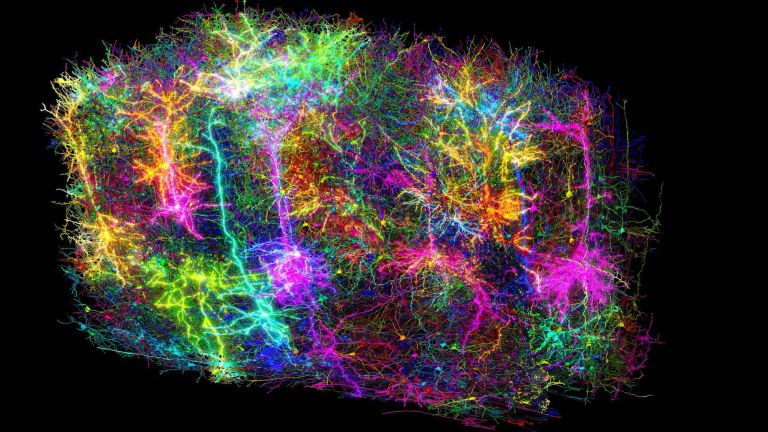
  • Das Bild zeigt mehr als 1.000 der 120.000 Gehirnzellen (Neuronen + Glia), die im Rahmen des MICRONS-Projekts rekonstruiert wurden. Jedes rekonstruierte Neuron hat eine andere zufällige Farbe. Es handelt sich um eine symbolische Darstellung, aber nicht um die tatsächliche Wiedergabe des Datensatzes – es gibt weitaus mehr aufgezeichnete Neuronen als die eingezeichneten.
    1. News from the Institutes

    AI looks deeper into visual system

    Artificial intelligence models provide insights to understand the processing of visual stimuli in the brain

    10.04.2025

    Das Bild zeigt mehr als 1.000 der 120.000 Gehirnzellen (Neuronen + Glia), die im Rahmen des MICRONS-Projekts rekonstruiert wurden. Jedes rekonstruierte Neuron hat eine andere zufällige Farbe. Es handelt sich um eine symbolische Darstellung, aber nicht um die tatsächliche Wiedergabe des Datensatzes – es gibt weitaus mehr aufgezeichnete Neuronen als die eingezeichneten.
    1. Percieve
    2. Hearing

    Hearing

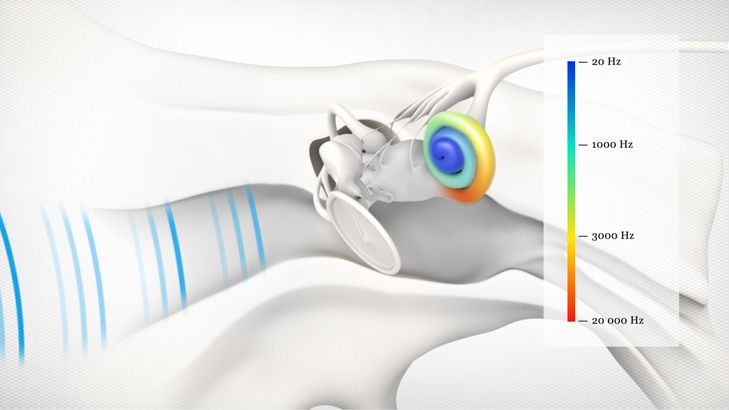
    From falling trees to acoustic perception: philosophy in the primary auditory cortex.

    02.08.2012

    1. Page

    The Advisors

    20.03.2017

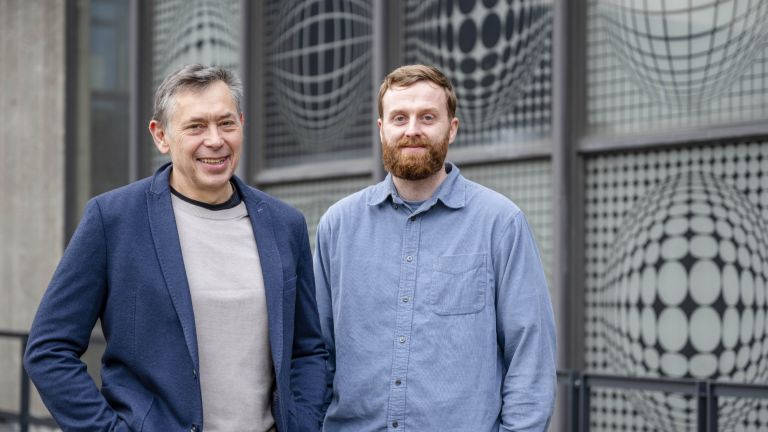
  • Dirk Jancke (links) und Callum White haben für das Paper zusammengearbeitet.
    1. News from the Institutes

    How Psychedelic Drugs Affect the Brain

    Research findings reinforce new approaches in psychology, using psychedelic substances under medical supervision to treat certain clinical conditions.

    13.02.2026

    Dirk Jancke (links) und Callum White haben für das Paper zusammengearbeitet.
    1. Page

    Current

    20.03.2017

Pagination

  • Current page 1
  • Page 2
  • Page 3
  • Next page Next ›
  • Last page End »
  • Home
  • thebrain.info
    • 3D-Brain
    • Glossary
    • Search
  • Topics
    • Start
    • Basics
    • Percieve
    • Think
    • Act
    • Discover
    • Diseases
  • Media
    • Video
    • Interactive
    • Graphics & Photo
  • About us
    • The Idea
    • The Team
    • The Advisors
    • thebrain.info Association
  • Community
    • Question to the Brain
    • News from the Institutes
  • Contact
  • Terms of use
  • Imprint
  • Data privacy
© 2026 theBrain.info