Search
-
- Basics
- The Glymphatic System
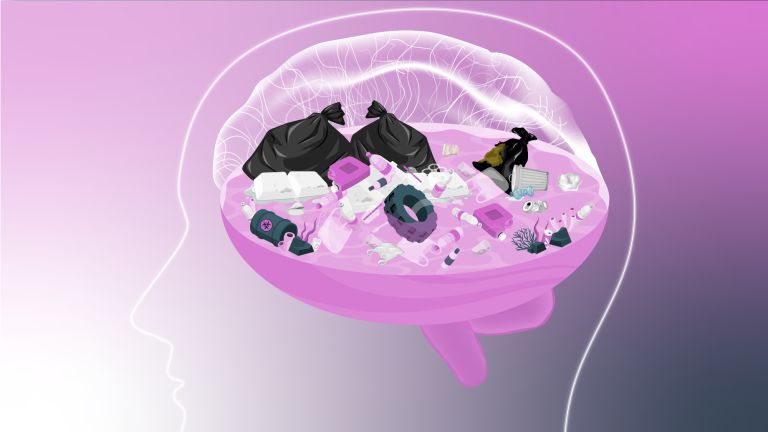
When the Brain gets clogged with Waste
Not even a coffee cup full of “nerve water” can flush out the brain at night – but woe betide you if you don't.
06.11.2024
-
- Basics
- The Glymphatic System
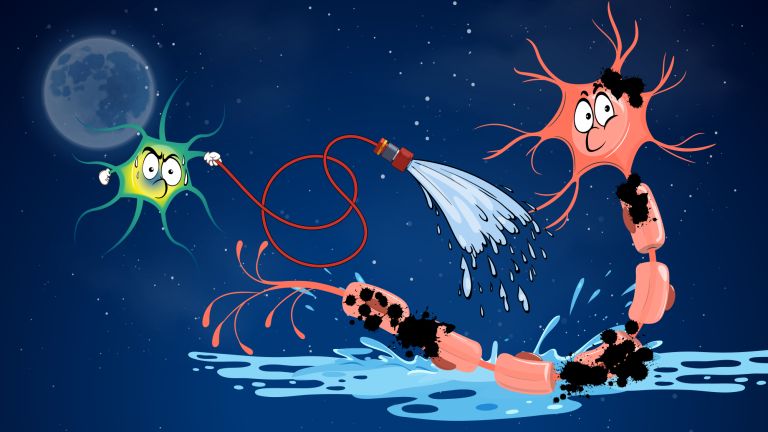
The Brain’s Cleanup Crew
The glymphatic system is the brain's cleanup crew, flushing away waste products.
06.11.2024
-
- Basics
- Structure and Function
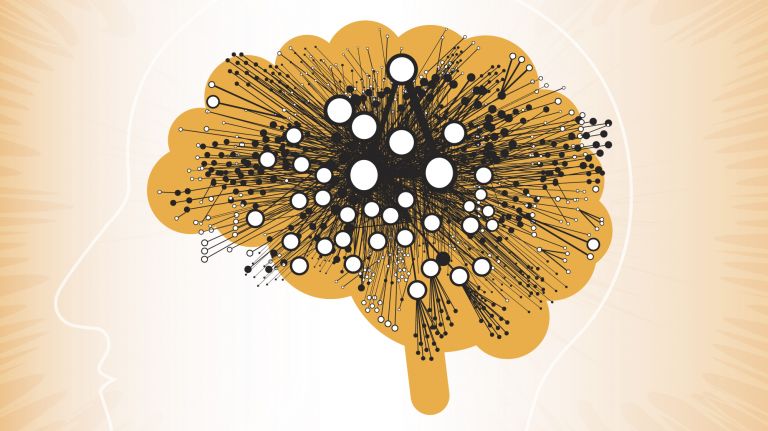
Well-Connected
The brain functions based on neural networks that change and adapt throughout a person's lifetime
30.04.2020
-
- News from the Institutes
Two Brain Areas Compete for Control
The locus coeruleus and the ventral tegmental area compete for control over the formation of memory content
14.03.2025
-
- Basics
- Structure and Function
Senses with Purpose
They’re old, but not outdated: sight and hearing are full of amazing evolutionary tricks.
25.04.2026
-
- Percieve
- Hearing
From Wiggling to the wonderful Variety of Sounds
It is a long way from purely mechanical vibrations to the world of sounds and tones.
17.10.2025
-
- Diseases
- Multiple sclerosis
MS under the microscope
MS: Damage to the axon causes a wide variety of symptoms
15.08.2025
-
- Basics
- Anatomy
The Sheep Brain: Cranial Nerves
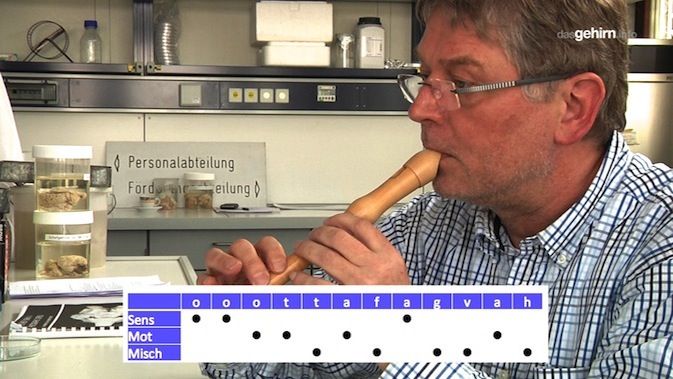
There are twelve cranial nerves that plague students. Here is a musical mnemonic device.
29.06.2013
-
- Glossary
Primary motor cortex
An area of the frontal lobe in the anterior wall of the central sulcus. It is considered to be the higher-level control unit responsible for voluntary and fine motor skills. This is where the cell bodies of the central motor neurons are located, whose axons primarily extend to the spinal cord (via the corticospinal tract). Only in the primary motor cortex do Betz giant cells occur, which are particularly large motor neurons whose axons extend directly to the motor neurons in the anterior horn of the spinal cord without prior synaptic switching.
-
- Glossary
Medulla oblongata
Area of the brain that transitions into the spinal cord. The medulla oblongata comprises nerve pathways between the spinal cord and higher brain regions, as well as numerous core areas with functions that are in some cases vital, such as breathing, heartbeat, and certain reflexes.