Search
-
- Basics
- Communication of Cells
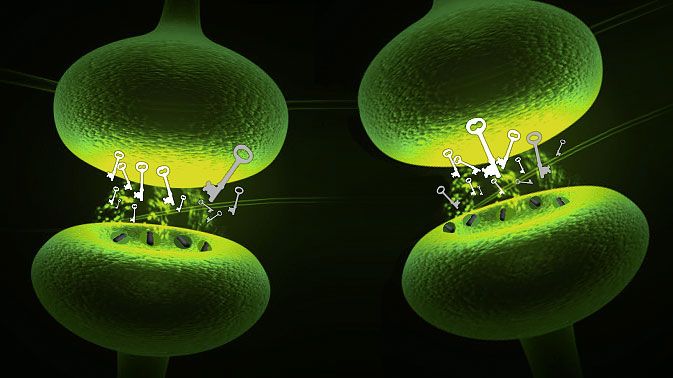
Neurotransmitters: Messenger Molecules in the Brain
“Happy hormone” & Co.: Without neurotransmitters, nerve cells would not be able to communicate.
05.08.2025
-
- Glossary
Plasticity
The term neuroplasticity describes the ability of synapses, nerve cells, and entire areas of the brain to change structurally and functionally depending on the degree to which they are used. Synaptic plasticity refers to the adaptation of the signal transmission strength of synapses to the frequency and intensity of incoming stimuli, for example in the form of long-term potentiation or depression. In addition, the size, interconnection, and activity patterns of different areas of the brain also change depending on their use. This phenomenon is referred to as cortical plasticity when it specifically affects the cortex.
-
- Percieve
- Hearing
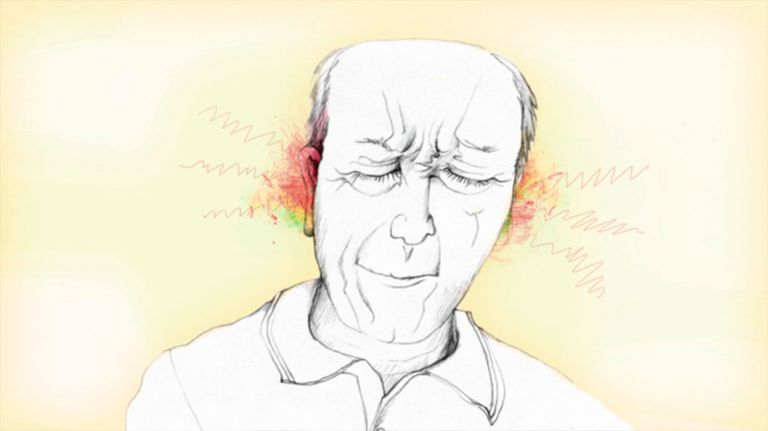
Ringing in the Ears
Tinnitus: The annoying whistling and buzzing does not originate in the ear, but in the brain.
28.10.2025
-
- Basics
- Anatomy
The Hippocampus
The hippocampus is crucial for the formation of new memory content.
23.08.2011
-
- News from the Institutes
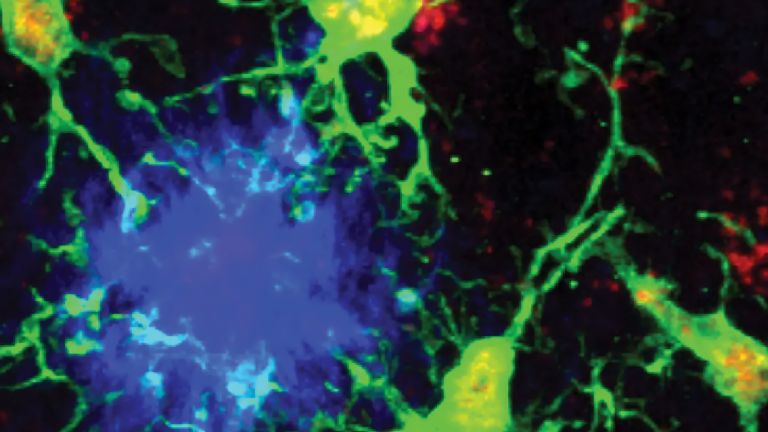
Protective Brain Immune Cell State Discovered
Discovery points to a potential new therapeutic pathway for Alzheimer’s disease
05.11.2025
-
- Basics
- Structure and Function
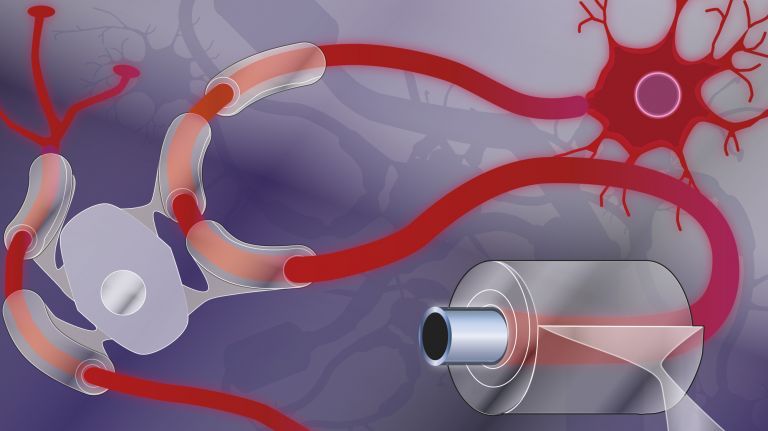
Myelin: High Speed
It is the white sheath that glial cells form around axons that makes high speed pathways in the brain possible.
01.12.2020
-
- Basics
- Structure and Function
The Wonders of Life
Researchers are examining life in ever greater detail. It is revealed to be intricate and complex – the miracle becomes explainable. Yet this in no way diminishes it.
30.04.2020
-
- Basics
- The Developing Brain
Where on Earth did She get that from?
Nature or nurture – which has a greater influence on our children?
18.03.2026