Search
-
- Basics
- Communication of Cells
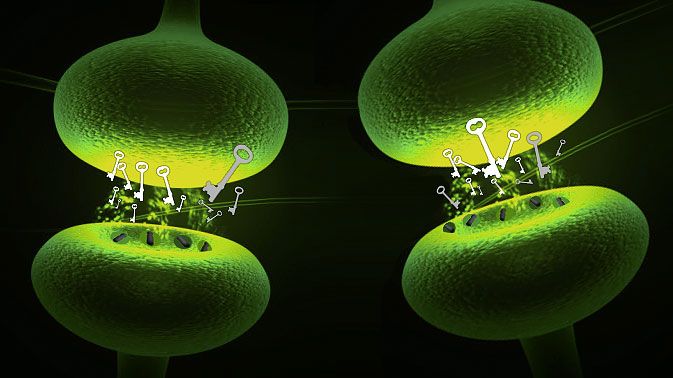
Neurotransmitters: Messenger Molecules in the Brain
“Happy hormone” & Co.: Without neurotransmitters, nerve cells would not be able to communicate.
05.08.2025
-
- News from the Institutes
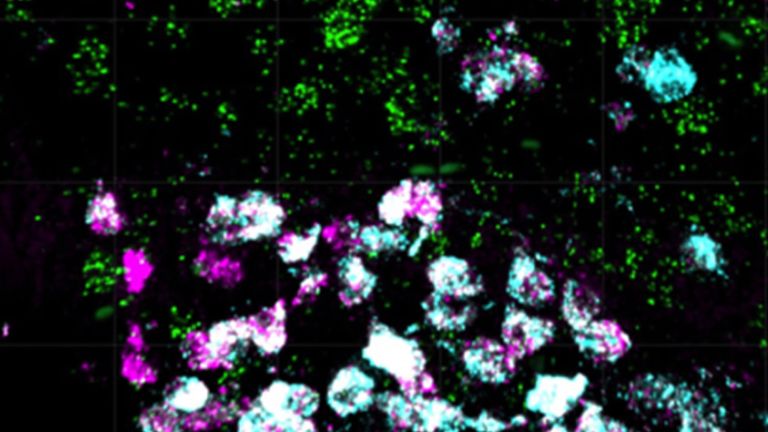
Newly identified group of nerve cells in the brain regulates bodyweight
Potential for novel obesity treatments
26.05.2025
-
- News from the Institutes
Unlearning Fear Faster
Mice unlearn fear more quickly when certain brain cells are activated. This opens up new approaches to understanding anxiety disorders.
17.02.2026
-
- Percieve
- Smell & Taste
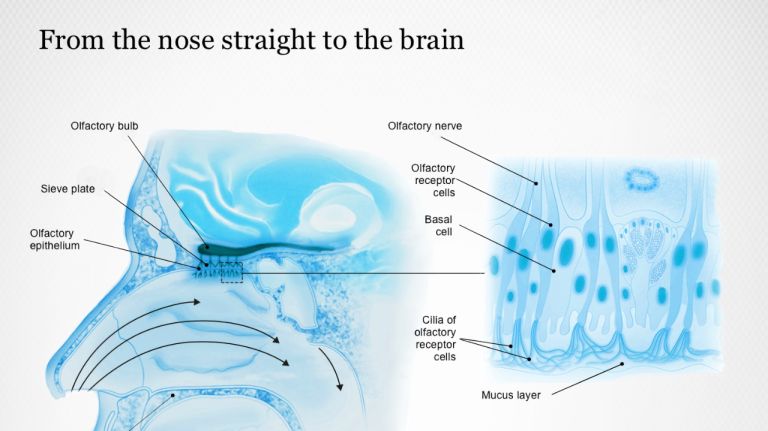
Smell: From the Nose straight to the Brain
At the top of the nasal cavity – directly connected to the brain – the olfactory epithelium picks up aromas.
29.11.2013
-
- News from the Institutes
How Psychedelic Drugs Affect the Brain
Research findings reinforce new approaches in psychology, using psychedelic substances under medical supervision to treat certain clinical conditions.
13.02.2026
-
- Basics
- Structure and Function
The Secret to Success: Communication
No other cell type is better at juggling signals: The neuron is both a data octopus and a supercomputer.
01.12.2020
-
- Percieve
- Smell & Taste
Neurogastronomy – the New Science of Taste
Neurogastronomy explores how the brain makes humans gourmets.
02.09.2025
-
- Percieve
- Smell & Taste
Smell and Taste – often underestimated
The role that smells and tastes play in our everyday lives.
06.09.2025
-
- Percieve
- Smell & Taste
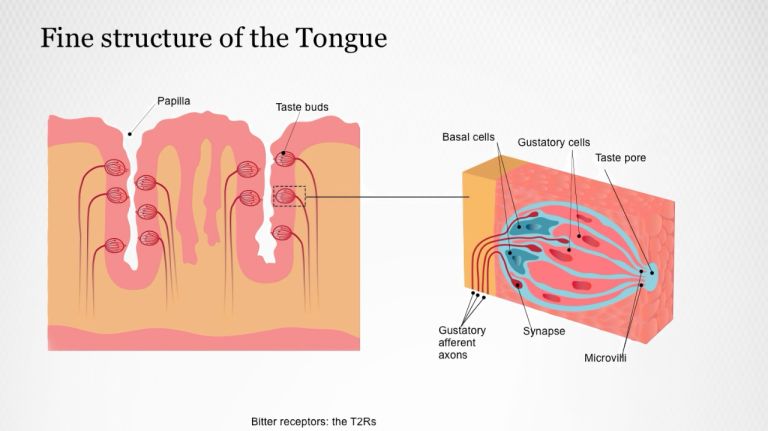
The fine Structure of the Tongue
Taste buds in the taste buds react to sweet, sour, bitter, salty, and umami.
29.11.2013
-
- Basics
- Anatomy
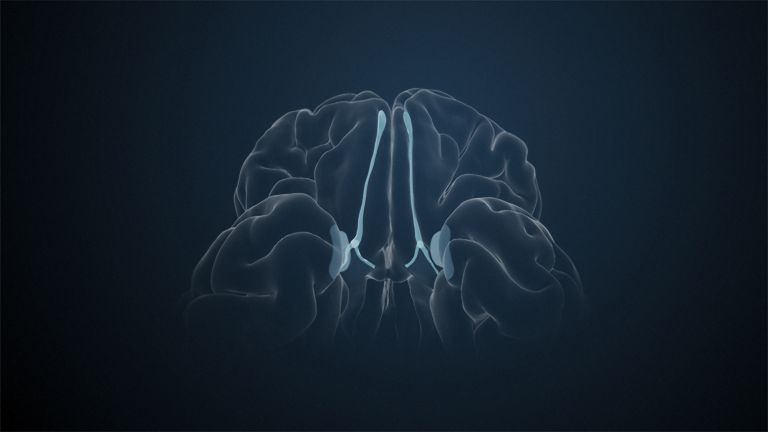
The Paleocortex
In the beginning was smell: the oldest part of the cerebrum deals with sniffing.
01.10.2025