
Insight into Stress Levels: Heart Rate Variability
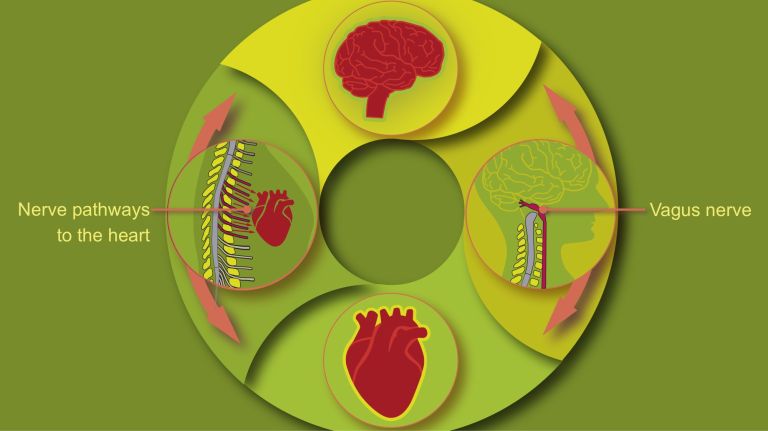
Every smartwatch measures HRV. But what does it tell us? And why is it important? And... is there maybe a life hack? Spoiler: yes.
Scientific support: Prof. Dr. Jan F. Scheitz
Published: 14.07.2026
Difficulty: easy
Imagine if there were a medical indicator that could accurately reflect your stress levels and your health. Doesn’t that sound almost too good to be true? In fact, more and more fitness trackers and smartwatches are measuring heart rate variability (HRV). According to manufacturers, this can provide insight into our mental and physical well-being. But do these claims stand up to scientific scrutiny? And if so, how can you use these insights to your advantage? We’ll address these questions in this article.
What is HRV?
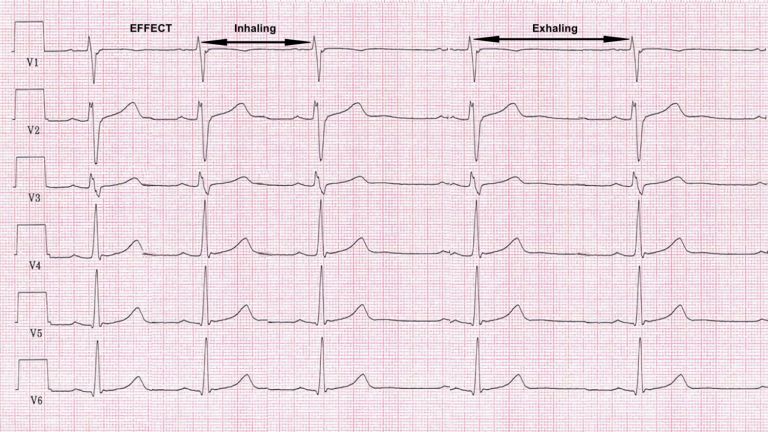
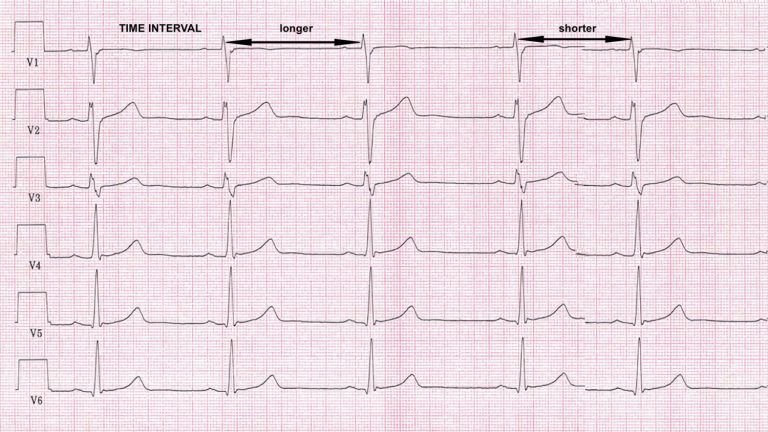
Heart rate variability, or HRV for short, simply refers to the time intervals between successive heartbeats. Unlike a clock ticking at a steady pace or a metronome, the heart does not beat at a constant rhythm. It is more like a pump that circulates blood through our body faster or slower as needed. These natural fluctuations in heartbeat intervals are a sign of our heart’s flexibility in adapting optimally to the changing demands of our environment.
Control of these processes is the responsibility of our autonomic nervous system, which consists of two main components: the sympathetic and parasympathetic nervous systems. The Sympathetic nervous system primarily comes into play during “fight-or-flight” situations by, among other things, increasing respiratory rate and blood pressure and accelerating the heart rate. More heart beats per minute – consequently, the intervals between heartbeats become shorter. The parasympathetic nervous system, on the other hand, promotes calm and relaxation, aids digestion, and lowers the pulse and heart rate, causing the intervals between heartbeats to lengthen again.
So far, so familiar – but the heart rhythm isn’t just variable over the broad time spans of tension and relaxation; it also changes with the constant alternation of inhalation and exhalation. So our heart is not a metronome – and that’s a good thing. Because high heart rate variability – that is, significant differences in the intervals between heartbeats – is an indicator of a healthy nervous system. And thus of a healthy body that can respond effectively to strain and stress. The greater the fluctuations in heart rate, the better the body can adapt to changes in its environment and switch between the states regulated by the sympathetic and parasympathetic nervous systems.
Conversely, under stress, a one-sided shift occurs – sympathetic activity dominates, the heart rhythm is not variable but rather rigid, and as a result, the body is less able to respond flexibly to the demands of daily life.
Sympathetic nervous system
Part of the autonomic nervous system, whereby the sympathetic nervous system primarily transmits excitatory impulses – in contrast to its counterpart, the parasympathetic nervous system. For example, the sympathetic nervous system activates respiration, the heart, and circulation, but it also affects the smooth muscles of all internal organs. The sympathetic nervous system uses the neurotransmitters acetylcholine and norepinephrine.
Why exactly is HRV measured?
It is now known that low heart rate variability can be observed not only in heart diseases, such as heart failure, but also in mental health conditions like burnout, depression, or anxiety disorders. Here, too, it becomes evident that the body has difficulty adapting to stressful situations or physical exertion.
However, this is not solely a matter of the heart; rather, it provides insight into a fascinating neurocardiological system, evident in the constant communication between the heart and the brain – even the vascular system plays a role here. The most influential factor, however, is the Autonomic nervous system with its sympathetic and parasympathetic components. These two act as opposites, and in a healthy body, there is a balanced equilibrium between them. During active states – such as exercise or excitement – the Sympathetic nervous system dominates and inhibits the parasympathetic nervous system, whereas during rest – such as sleeping, digesting, and relaxing – the Parasympathetic nervous system predominates and suppresses the sympathetic nervous system. Chronic stress can disrupt this balance, causing the sympathetic nervous system to become overactive.
This leads to a constant feeling of tension, which can manifest physically through symptoms such as an elevated heart rate, high blood pressure, and a general inability to relax. Digestive and sleep disturbances may also occur – both conditions that are normally regulated by the parasympathetic nervous system. Medically, these changes can be identified by abnormally low heart rate variability.
vascular
The term refers to vessels in the body in which fluids such as blood or lymph circulate. In a narrower sense, doctors refer to the network of veins, arteries, and capillaries as the "vascular system." If the vascular system is blocked, for example as a result of a stroke, less blood reaches the brain. This means that it receives less oxygen and other nutrients. This can lead to impaired cognitive functions and the development of "vascular dementia." After degenerative forms of dementia such as Alzheimer's, vascular dementia is the second most common form of this group of diseases.
Autonomic nervous system
The part of the nervous system that primarily controls unconscious vital functions such as breathing, heartbeat, and blood pressure. The autonomic nervous system is divided into the sympathetic nervous system, which is active in performance and stress situations, and the parasympathetic nervous system, which is active during rest and recovery phases. In some cases, the enteric nervous system, which is responsible for gastrointestinal functions, is also considered part of the autonomic nervous system.
Sympathetic nervous system
Part of the autonomic nervous system, whereby the sympathetic nervous system primarily transmits excitatory impulses – in contrast to its counterpart, the parasympathetic nervous system. For example, the sympathetic nervous system activates respiration, the heart, and circulation, but it also affects the smooth muscles of all internal organs. The sympathetic nervous system uses the neurotransmitters acetylcholine and norepinephrine.
Parasympathetic nervous system
The parasympathetic nervous system is part of the vegetative or autonomic nervous system. The latter term refers to the fact that this part of the nervous system is not subject to voluntary control. It controls the activities of most of the internal organs as well as the heartbeat. In contrast to its counterpart, the sympathetic nervous system, the parasympathetic nervous system is most active when the body is at rest. Among other things, it controls digestion and urination. Acetylcholine serves as the messenger substance for signal transmission within the parasympathetic nervous system.
What does the research show?
This, at least, is a plausible theory. When we turn to the scientific examination of heart rate variability (HRV), the question always arises as to what exactly HRV can scientifically demonstrate.
It should be noted that there are now numerous studies on the measurement of HRV. However, when it comes to the claims made by the fitness watch industry, there is a lack of truly meaningful results. This is often because either the number of study participants is too small or the studies do not meet the gold standard of scientific research – the double-blind, randomized methodology. Therefore, the results are not 100 percent certain, but a trend can be identified.
There are now several meta-analyses, which are considered a particularly high-quality study design because they synthesize results from multiple studies on a single topic. With regard to the link between work-related stress and lower HRV, an article from 2017 cites several meta-analyses. Furthermore, neuroimaging studies – that is, investigations that use brain imaging techniques – have revealed connections between HRV and specific brain regions involved in the assessment of stressful situations. This connection is particularly fascinating because it suggests that HRV provides insight not only into the body’s physical stress resilience but also into our mental capacities for assessing and processing stressful situations.
What is considered a normal HRV value?
This question sounds simple, but it isn’t. Although a meta-analysis from 2012 considers a value below 14.7 milliseconds – a very low value indeed – to be a cause for concern regarding health and associated with an increased risk of mortality, such thresholds depend, in part, on the index used. The index for the HRV measurement described above is the SDNN (Standard Deviation of Normal-to-Normal intervals). Another index is the RMSSD (Root Mean Square of Successive Differences), which provides more precise information regarding the Parasympathetic nervous system Both branches of the autonomic nervous system, on the other hand, are described using the LF/HF index: the ratio between the low-frequency band (LF) and the high-frequency band (HF).
Age also makes a significant difference – while an HRV of 45 ms is a perfectly good value for an older person, it falls in the lower range for a young person. The next question is whether the underlying ECG lasted five minutes or 24 hours: a longer measurement usually yields higher values. It is also important to note whether you have recently had a heart attack. In such cases, the risk of death is higher when values are low. And then there are factors such as alcohol consumption, sleep quality, smoking, and body weight. Ultimately, HRV is also highly individual, dependent on age and, to a large extent, genetically determined, which makes it difficult to compare different study participants.
Parasympathetic nervous system
The parasympathetic nervous system is part of the vegetative or autonomic nervous system. The latter term refers to the fact that this part of the nervous system is not subject to voluntary control. It controls the activities of most of the internal organs as well as the heartbeat. In contrast to its counterpart, the sympathetic nervous system, the parasympathetic nervous system is most active when the body is at rest. Among other things, it controls digestion and urination. Acetylcholine serves as the messenger substance for signal transmission within the parasympathetic nervous system.
How does HRV measurement work?
The classic method for measuring HRV is the electrocardiogram (ECG). During an ECG, several electrodes are attached to the patient’s chest, hands, and feet to record the heart’s electrical impulses. HRV is then calculated from the so-called R-R intervals (see above).
This can be represented graphically using spectral analysis. This highly precise method allows for a detailed breakdown of the frequency components that make up heart rate variability. This makes it possible to determine the exact ratio of sympathetic to parasympathetic activity. For anyone who would like to delve deeper into the subject, further information can be found in the links provided in the references.
Meanwhile, an increasing number of fitness trackers and smartwatches now offer the ability to measure HRV. These devices typically use optical sensors or accelerometers to track heart rate and calculate HRV from it. However, the accuracy of these devices can vary, as it may be affected by movement, body posture, and external factors.
Studies have shown that these mobile devices already provide fairly reliable measurements, albeit with limitations. Most devices measure HRV primarily at night to minimize interfering factors such as movement and therefore do not offer continuous HRV monitoring, e.g., during the day.
Another issue is the lack of standardization in measurement methods. Different devices and brands may therefore yield varying values. Additionally, there is a risk of measurement errors, as not every heartbeat is always recorded correctly, which can lead to inaccurate HRV values.
A few smartwatches have the capability to record a single-channel ECG and use it to calculate HRV. These devices are generally more accurate but also do not offer continuous recording, as the measurement requires constant contact with the watch – a practice that is unrealistic in everyday life.
It is therefore clear that, despite technological advances, the traditional 24-hour ECG performed by a doctor remains the most accurate method for measuring HRV.


Why is HRV relevant?
Why might it be useful to have your HRV measured? First, analyzing HRV can provide a deeper understanding of ongoing strain and chronic stress.
Although HRV – and this is something to always keep in mind – represents a snapshot that typically covers the last 24 hours, repeated overactivation of the Sympathetic nervous system and suppression of the Parasympathetic nervous system indicate a high level of stress. This could extend not only over days but also over the past weeks, months, or years. Thus, HRV becomes a valuable tool for identifying long-term trends – such as the development of burnout – at an early stage and taking countermeasures.
Analyzing abnormally low HRV also offers opportunities for intervention. Through biofeedback training, one can learn to positively influence and increase HRV through mindfulness, meditation, or breathing exercises. This technique is used in particular in the treatment of mental health conditions. Studies from the U.S. show that depression, burnout, anxiety disorders, and insomnia have been successfully treated with this method.
In sports, HRV helps monitor training loads and prevent overtraining. A high HRV indicates good recovery and readiness for training, while a low HRV may signal overtraining and suggest the need for a recovery phase. Research has shown that athletes with high HRV perform better and recover more quickly, while low HRV correlates with overtraining and stress, which can negatively impact performance.
Finally, HRV is also increasingly being researched in the medical sector, including in connection with prognosis assessment for physical illnesses. Studies have found a link between a drop in HRV and an increased risk of sudden cardiac death following heart attacks, the development of sepsis in infectious diseases, or the likelihood of a fatal outcome after traumatic accidents. In such cases, however, large parts of the body are affected, and HRV is just one marker among many.
Sympathetic nervous system
Part of the autonomic nervous system, whereby the sympathetic nervous system primarily transmits excitatory impulses – in contrast to its counterpart, the parasympathetic nervous system. For example, the sympathetic nervous system activates respiration, the heart, and circulation, but it also affects the smooth muscles of all internal organs. The sympathetic nervous system uses the neurotransmitters acetylcholine and norepinephrine.
Parasympathetic nervous system
The parasympathetic nervous system is part of the vegetative or autonomic nervous system. The latter term refers to the fact that this part of the nervous system is not subject to voluntary control. It controls the activities of most of the internal organs as well as the heartbeat. In contrast to its counterpart, the sympathetic nervous system, the parasympathetic nervous system is most active when the body is at rest. Among other things, it controls digestion and urination. Acetylcholine serves as the messenger substance for signal transmission within the parasympathetic nervous system.
Indirect biofeedback
For many of us, excessive stress is like a creeping poison – we have it, but we tend to notice it only peripherally, through back pain or sleep disturbances. The HRV measurement in the smartwatch gives us a tool we can work with here. The absolute values aren’t all that important; it’s simply a matter of getting our personal curve to rise.
This can be achieved through all the well-known methods, such as those offered in health insurance companies’ stress-reduction courses – for example, yoga or autogenic training. Saying “no,” taking care of yourself, developing a sense of when you’re overloaded… But as a first step, conscious breathing is a good place to start. Since inhaling activates the Sympathetic nervous system and exhaling activates the parasympathetic nervous system, you can already make a difference by prolonging your exhalation. Maybe the next time you go shopping: two steps in, four out. Three steps in, six out. Four steps in, eight out…
Sympathetic nervous system
Part of the autonomic nervous system, whereby the sympathetic nervous system primarily transmits excitatory impulses – in contrast to its counterpart, the parasympathetic nervous system. For example, the sympathetic nervous system activates respiration, the heart, and circulation, but it also affects the smooth muscles of all internal organs. The sympathetic nervous system uses the neurotransmitters acetylcholine and norepinephrine.
The original version of this article appeared on the blog portal Scilogs
Sources:
- https://medium.com/terraapi/measuring-hrv-optical-ppg-vs-ecg-ekg-47194389ff6d
- https://www.dshs-koeln.de/universitaere-weiterbildung/aktuelles-wissenswertes/meldungen/blog/herzratenvariabilitaet-was-ist-das-und-warum-ist-sie-wichtig-im-sport-und-gesundheitsmanagement/
- https://www.sciencedirect.com/science/article/pii/0002914987907958
- https://pubmed.ncbi.nlm.nih.gov/19592027/
- https://pubmed.ncbi.nlm.nih.gov/19680545/
