Structure and Function – Neurons
Published: 27.09.2021
Published: 27.09.2021
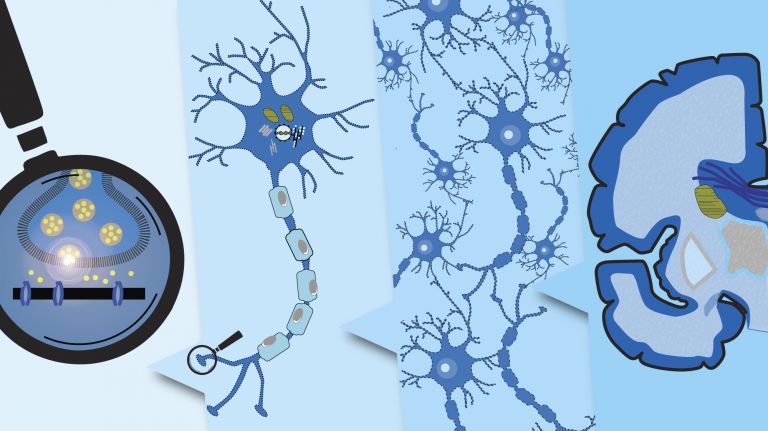
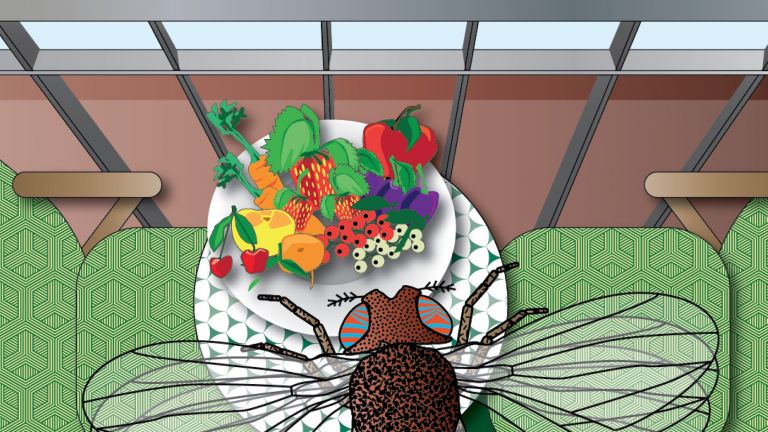
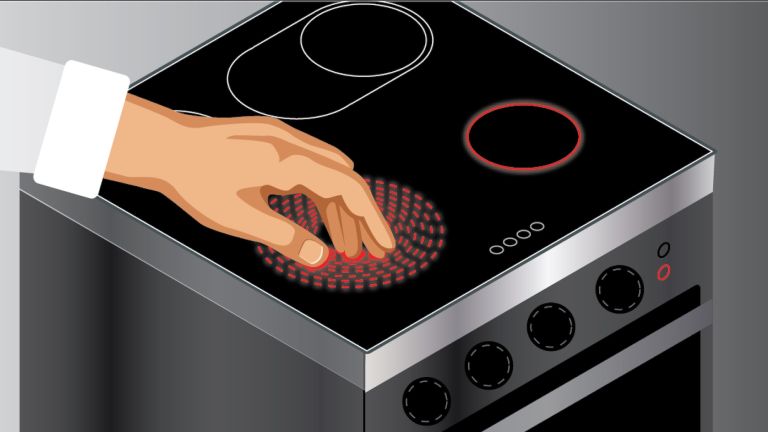
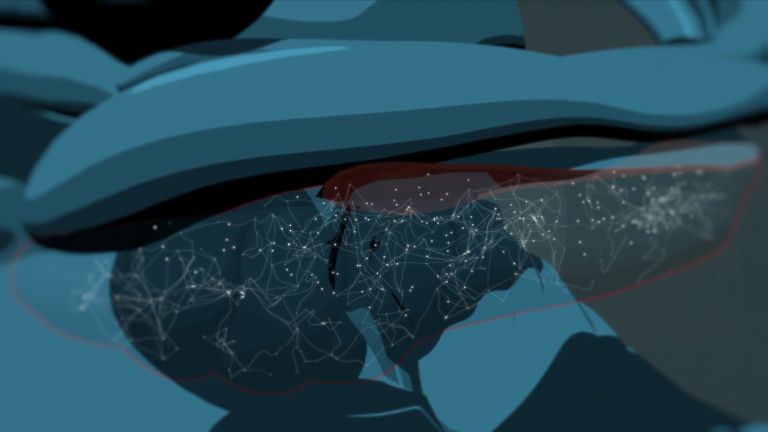
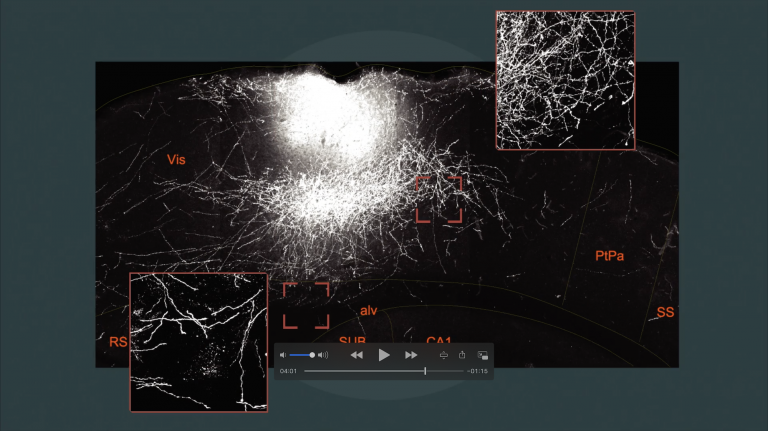
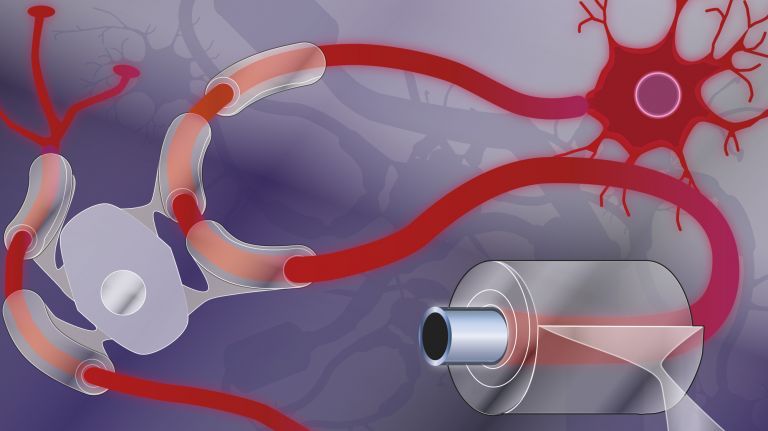
Different functions require different cell types, some of which differ greatly in their biophysical properties. Prof. Benedikt Grothe provides an introduction, while Prof. Alexander Borst illustrates an additional level of specialization using the fly’s Visual system And then there are the Oligodendrocytes ... English subtitles.
Visual system
The Visual system is the part of the nervous system that processes visual information. It primarily comprises the eye, the optic nerve, the optic chiasm, the optic tract, the lateral geniculate nucleus, the optic radiation, the primary visual cortex, and the visual association cortices.
Cells of the central nervous system that form the Myelin sheath around nerve cells, thereby increasing their conduction velocity. They belong to the glial cells.
Visual system
The visual system is the part of the nervous system that processes visual information. It primarily comprises the eye, the optic nerve, the optic chiasm, the optic tract, the lateral geniculate nucleus, the optic radiation, the primary visual cortex, and the visual association cortices.
lateral
A positional term – lateral means "towards the side." In relation to the nervous system, it refers to a direction at right angles to the neural axis, i.e., to the right or left.
Oligodendrocytes
Cells of the central nervous system that form the myelin sheath around nerve cells, thereby increasing their conduction velocity. They belong to the glial cells.
Myelin
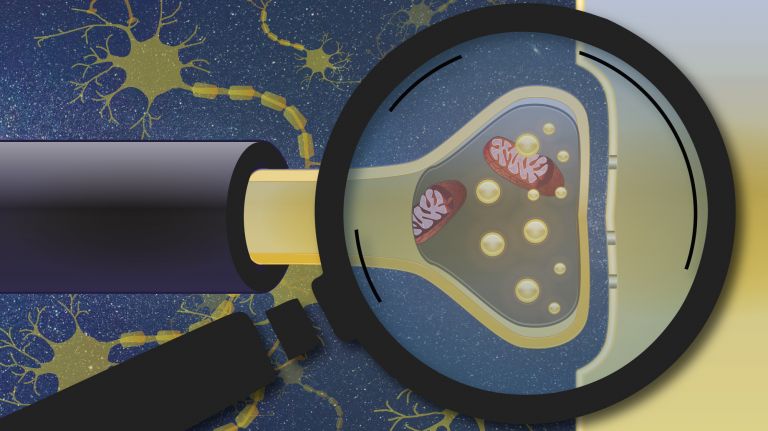
Myelin is a fatty substance produced by glial cells. It envelops the axons (long, fiber-like extensions) of nerve cells and insulates them, preventing messages from passing uncontrollably to neighboring nerve cells. This also greatly accelerates conduction velocity.
Subjects
Author
License Terms
This content is available under the following conditions of use.