The Subthalamus
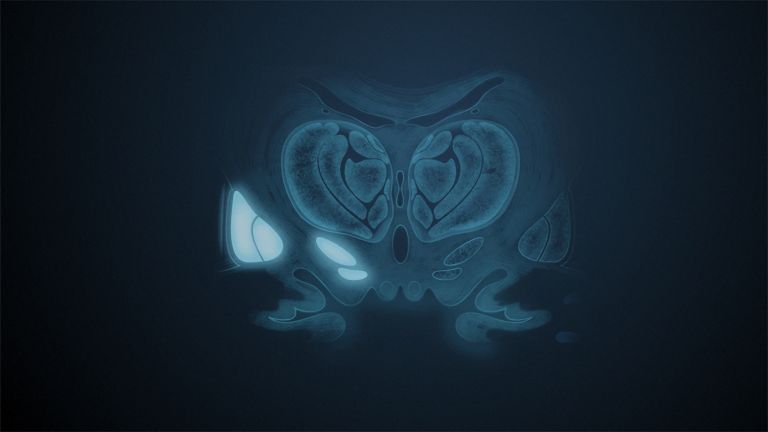
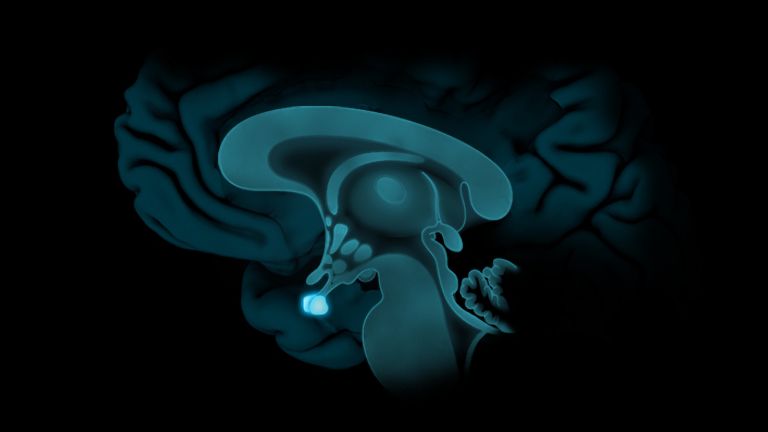
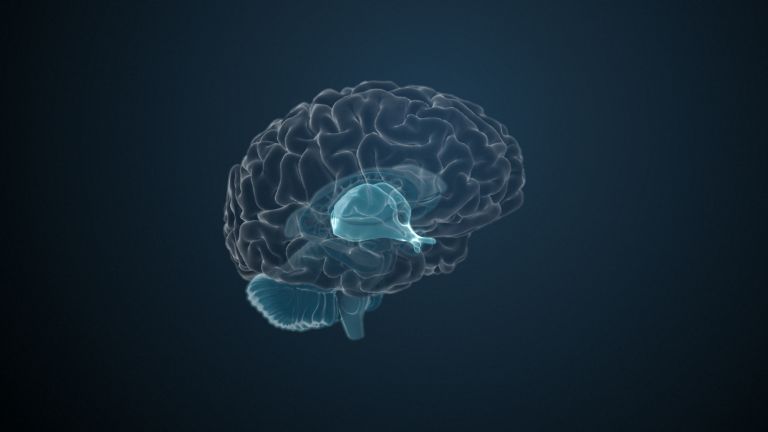
Hidden beneath the thalamus lies an important part of the motor system: a pale nucleus and an excitatory lens. This area also houses one of the least studied regions of the human brain – the “uncertain zone.”
Scientific support: Dr. Björn Spittau
Published: 01.10.2025
Difficulty: serious
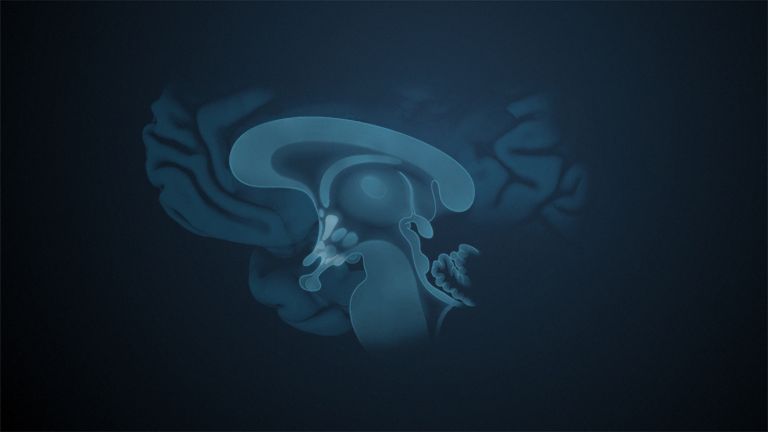
The subthalamus, together with its globus pallidus and subthalamic nucleus, is part of the Basal ganglia loop and influences targeted movements.
Basal ganglia
Nuclei basales
The basal ganglia are a group of subcortical nuclei (located beneath the cerebral cortex) in the telencephalon. The basal ganglia include the globus pallidus and the striatum, and, depending on the author, other structures such as the substantia nigra and the subthalamic nucleus. The basal ganglia are primarily associated with voluntary motor function, but they also influence motivation, learning, and emotion.
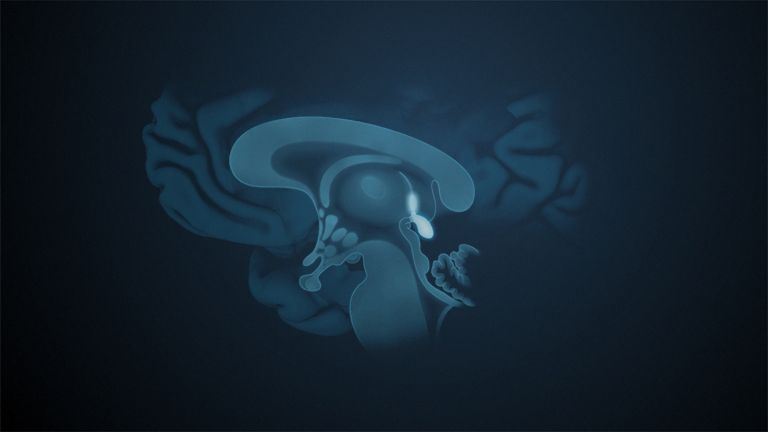
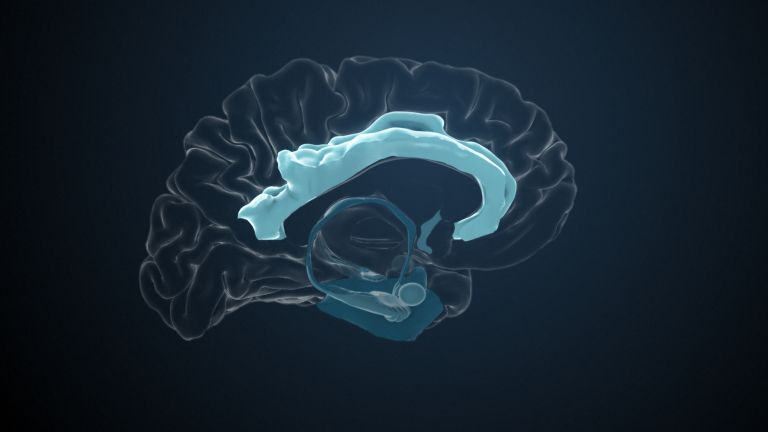
As its name suggests, the Subthalamus is hidden directly beneath the thalamus. Or rather, it is found there in the embryo – during development, a thick strand of white matter, the internal capsule, pushes most of the subthalamus to the side. Finally, it ends up in the cerebrum, right next to the Putamen. This poses structural problems for anatomists.
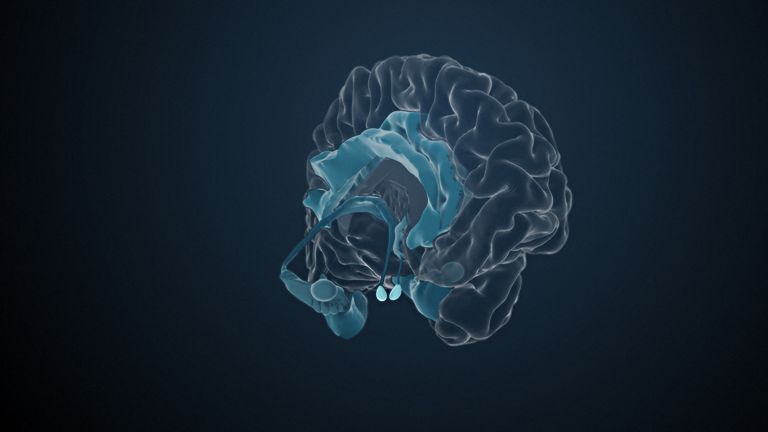
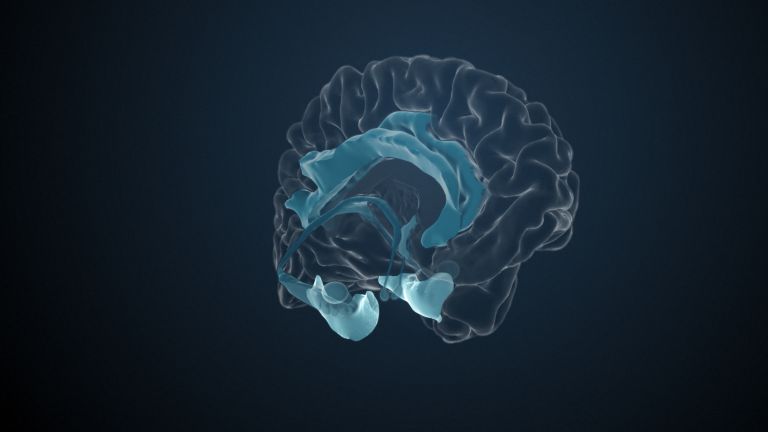
The subthalamus consists of three areas of Gray matter the globus pallidus, Latin for “pale nucleus;” the Nucleus subthalamicus; and the zona incerta, the “uncertain zone.” Although first described in 1877, the function of this nucleus is indeed uncertain: to this day, no one knows its function; there is only speculation.
But that's just where problems begin.Not only is the globus pallidus displaced toward the putamen during ontogenesis, it also plays a key role in motor processes – the classic task of the basal ganglia, which also include the putamen. The globus pallidus is closely connected to the putamen and is therefore also considered part of the Basal ganglia in terms of function. The Subthalamic nucleus is also part of this motor regulation and is assigned to either the basal ganglia or the subthalamus, depending on the author's preference.
Subthalamus
subthalamus/-/subthalamus
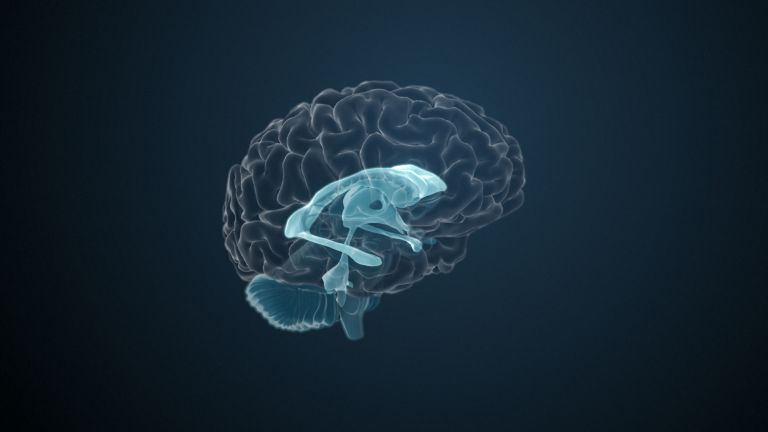
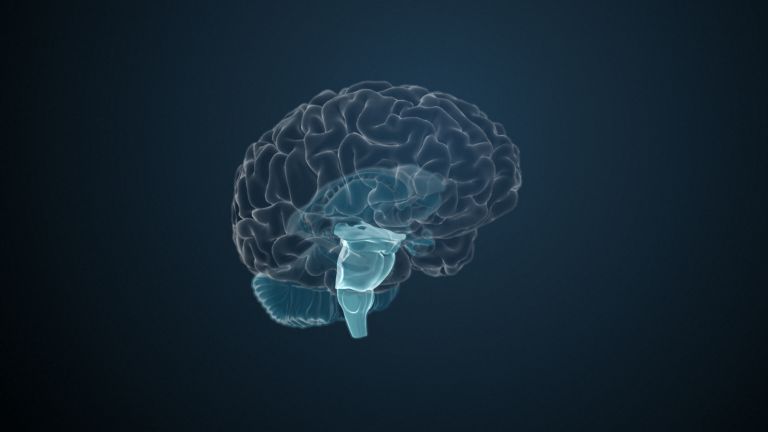
The subthalamus is an area of the diencephalon located ventrally below the thalamus. It includes the subthalamic nucleus, which functionally belongs to the basal ganglia network. The subthalamus plays an important role in the regulation and inhibition of movement sequences and in impulse control.
Putamen
A nucleus of the basal ganglia that, together with the caudate nucleus, forms the striatum. As part of the extrapyramidal motor system, it is involved in voluntary motor function (intentional movement).
Gray matter
Grey matter refers to a collection of nerve cell bodies, such as those found in nuclei or in the cortex.
Nucleus
In cell biology, the nucleus in a cell is the cell nucleus, which contains the chromosomes, among other things. In neuroanatomy, the nucleus in the nervous system refers to a collection of cell bodies – known as gray matter in the central nervous system and ganglia in the peripheral nervous system.
Basal ganglia
Nuclei basales
The basal ganglia are a group of subcortical nuclei (located beneath the cerebral cortex) in the telencephalon. The basal ganglia include the globus pallidus and the striatum, and, depending on the author, other structures such as the substantia nigra and the subthalamic nucleus. The basal ganglia are primarily associated with voluntary motor function, but they also influence motivation, learning, and emotion.
Subthalamic nucleus
Nucleus subthalamicus
Although the subthalamic nucleus is a nucleus of the subthalamus in the diencephalon, it is functionally closely integrated into the motor control of the basal ganglia. It plays a role in impulse control, movement control, and inhibition of unwanted movements. Damage to this nucleus can lead to temporary, uncontrolled, jerky movements of the extremities – known as ballism. Doctors have already achieved successful treatment outcomes in both obsessive-compulsive disorder and Parkinson's disease by artificially stimulating this region with a neuroimplant.
Structure and composition
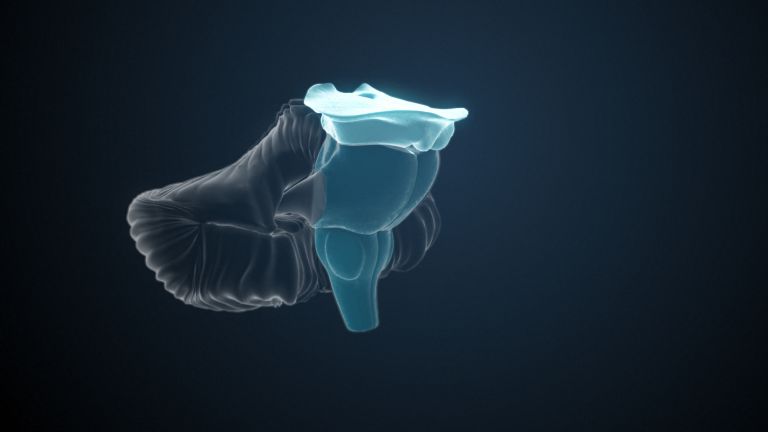
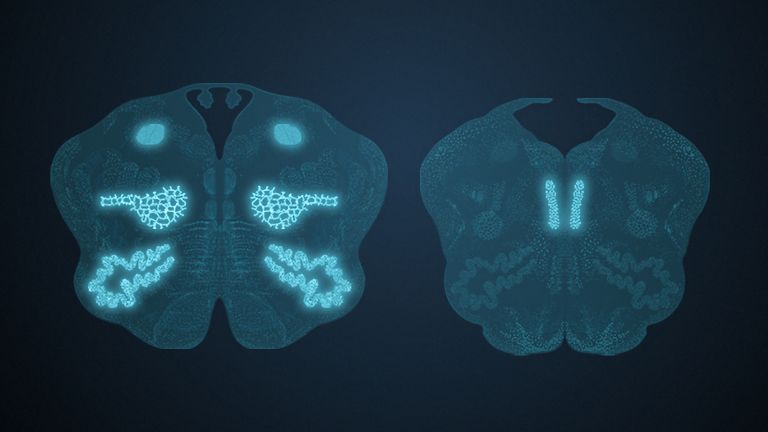
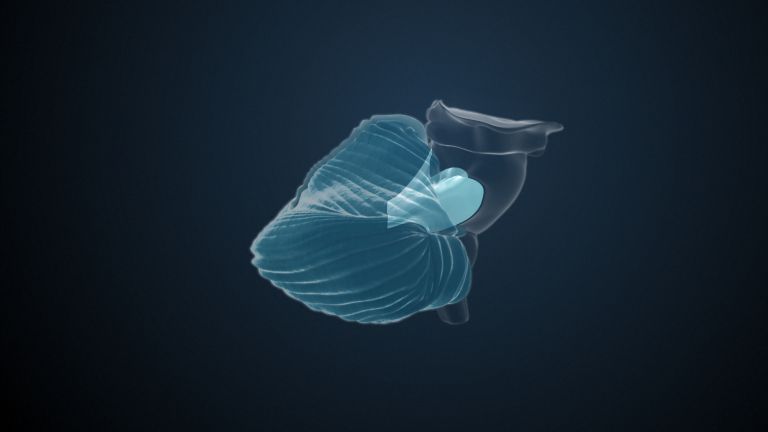
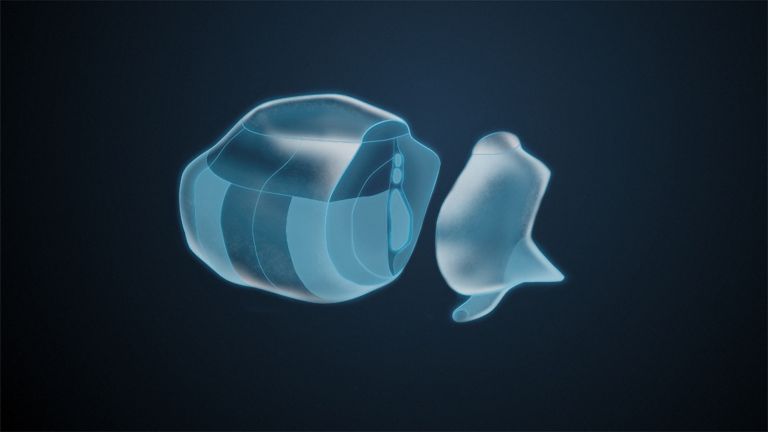
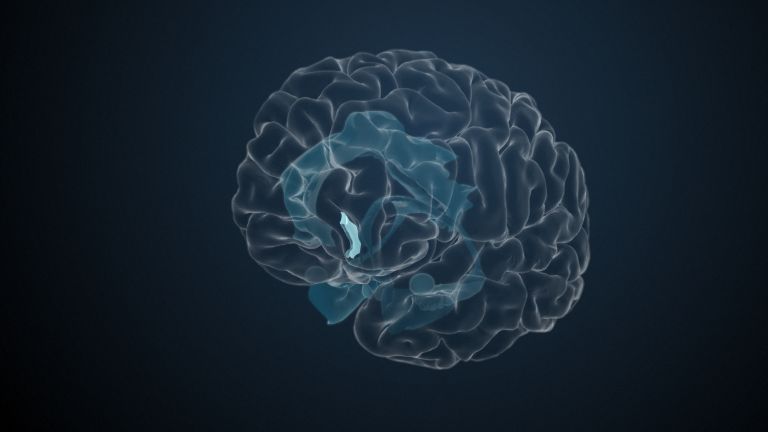
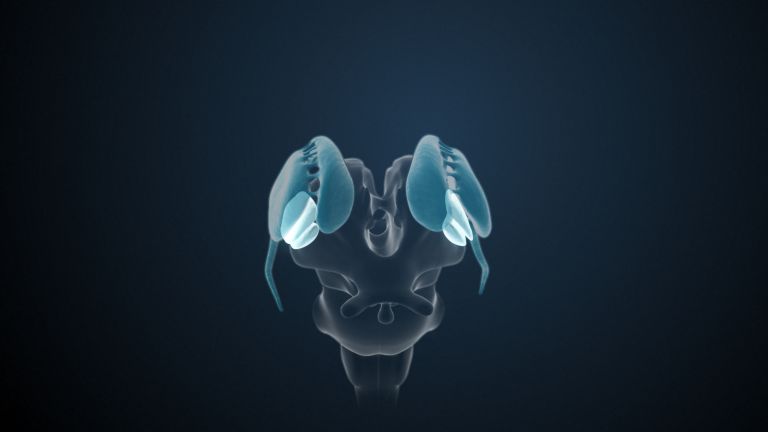
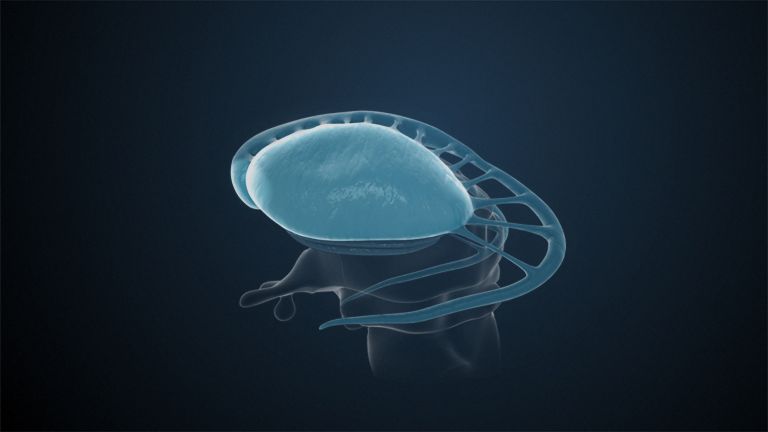
Just below the lowest point of the thalamus lies the zona incerta, a small Nucleus surrounded above and below by white matter, known as Forel's field H1 and Forel's field H2. Below this, in the transition zone between the Midbrain and diencephalon, is the even smaller Subthalamic nucleus This nucleus, also called Luys' body after its discoverer, has the shape of a biconvex Lens. To the side of it, separated from both nuclei by the internal capsule, is the much larger globus pallidus in the shape of a lying cone, whose tip points downwards and towards the center. It is the main nucleus of the Subthalamus. However, as mentioned above, it is functionally part of the Basal ganglia and is therefore discussed there in a separate text, including its motor control circuits.
Nucleus
In cell biology, the nucleus in a cell is the cell nucleus, which contains the chromosomes, among other things. In neuroanatomy, the nucleus in the nervous system refers to a collection of cell bodies – known as gray matter in the central nervous system and ganglia in the peripheral nervous system.
Midbrain
mecencephalon
The midbrain is the uppermost section of the brain stem. Its regions are located around the aqueduct, a canal filled with cerebrospinal fluid. Prominent structures include the tectum, tegmentum, and substantia nigra.
Subthalamic nucleus
Nucleus subthalamicus
Although the subthalamic nucleus is a nucleus of the subthalamus in the diencephalon, it is functionally closely integrated into the motor control of the basal ganglia. It plays a role in impulse control, movement control, and inhibition of unwanted movements. Damage to this nucleus can lead to temporary, uncontrolled, jerky movements of the extremities – known as ballism. Doctors have already achieved successful treatment outcomes in both obsessive-compulsive disorder and Parkinson's disease by artificially stimulating this region with a neuroimplant.
Lens
lens crysstallina
The eye lens is a transparent, flexible structure which, thanks to its varying degree of curvature (see ciliary muscle and zonular fibers), enables the process of accommodation (focusing) and thus sharp vision at different distances, especially at close range.
Subthalamus
subthalamus/-/subthalamus
The subthalamus is an area of the diencephalon located ventrally below the thalamus. It includes the subthalamic nucleus, which functionally belongs to the basal ganglia network. The subthalamus plays an important role in the regulation and inhibition of movement sequences and in impulse control.
Basal ganglia
Nuclei basales
The basal ganglia are a group of subcortical nuclei (located beneath the cerebral cortex) in the telencephalon. The basal ganglia include the globus pallidus and the striatum, and, depending on the author, other structures such as the substantia nigra and the subthalamic nucleus. The basal ganglia are primarily associated with voluntary motor function, but they also influence motivation, learning, and emotion.
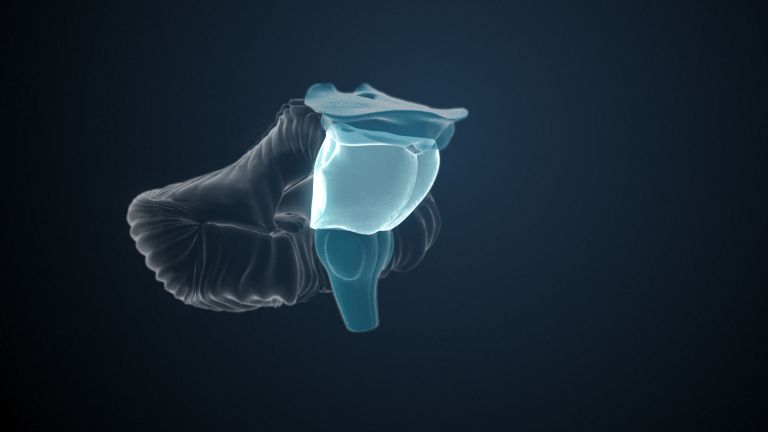
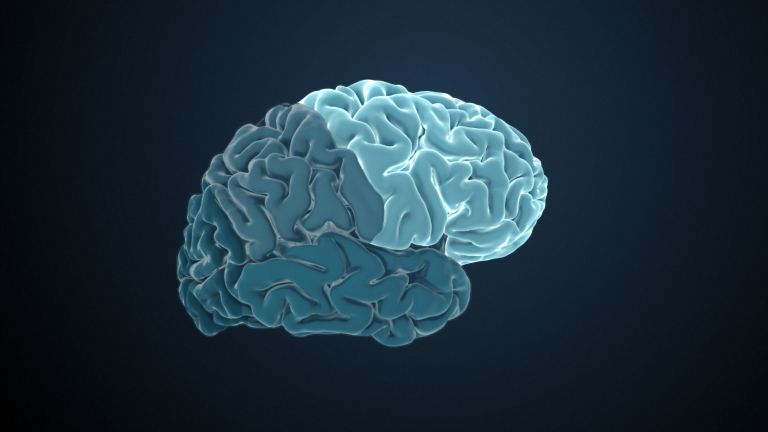
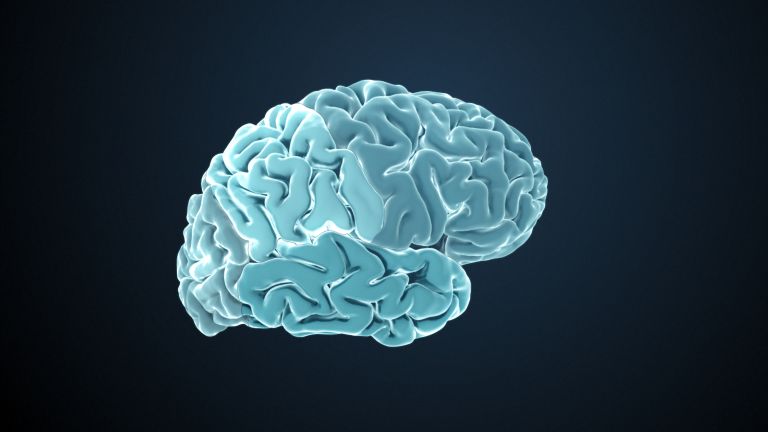
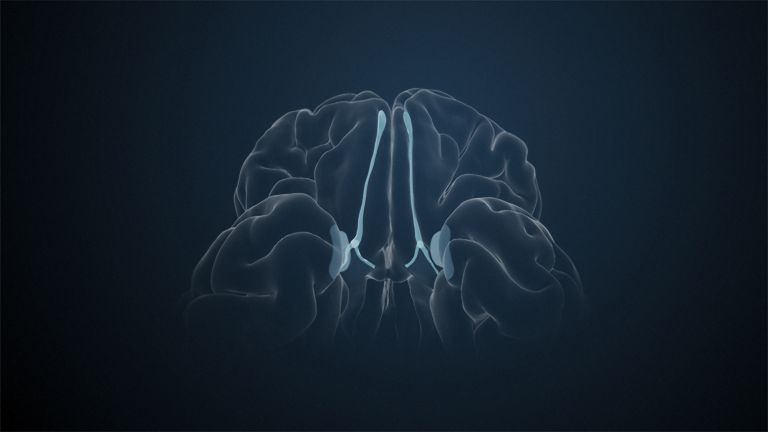
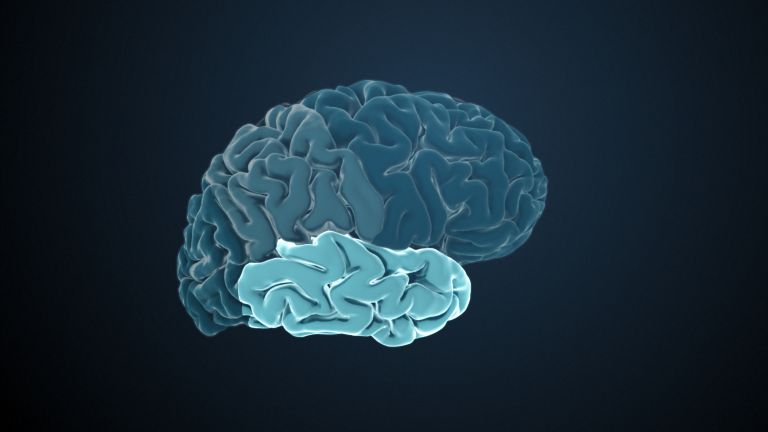
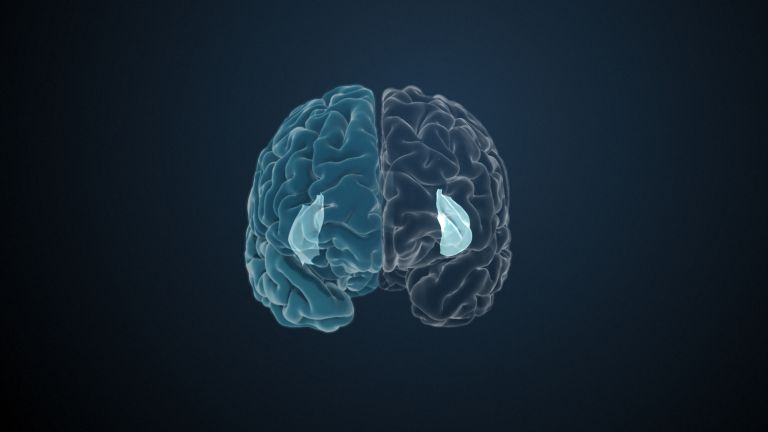
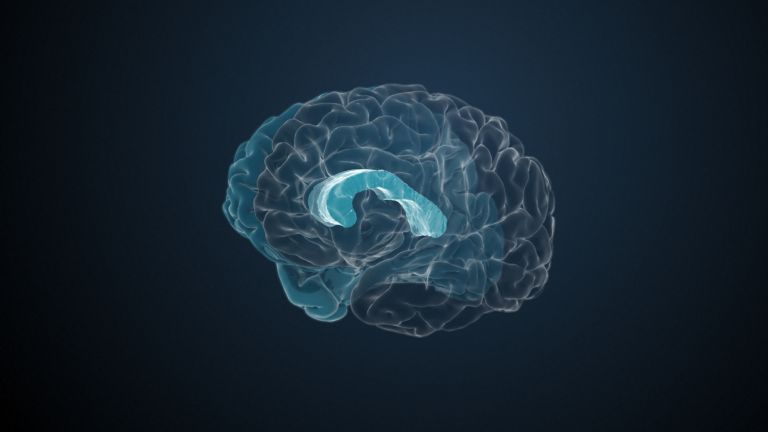
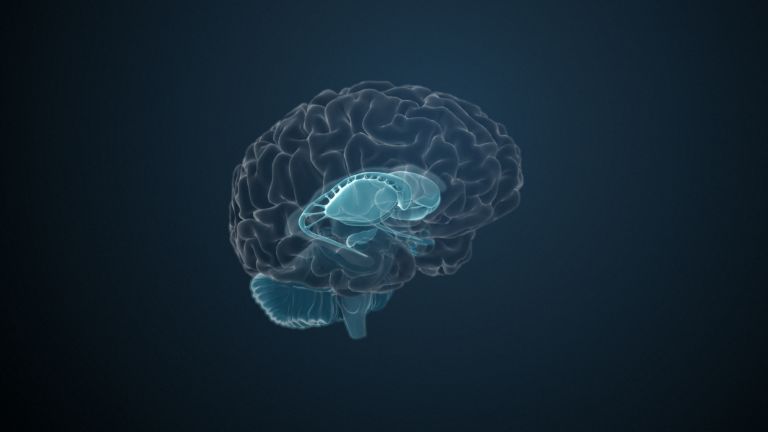
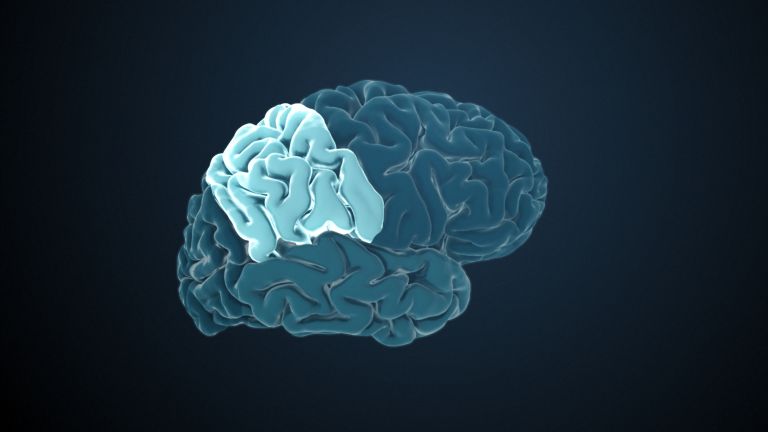
Subthalamic nucleus: Functions
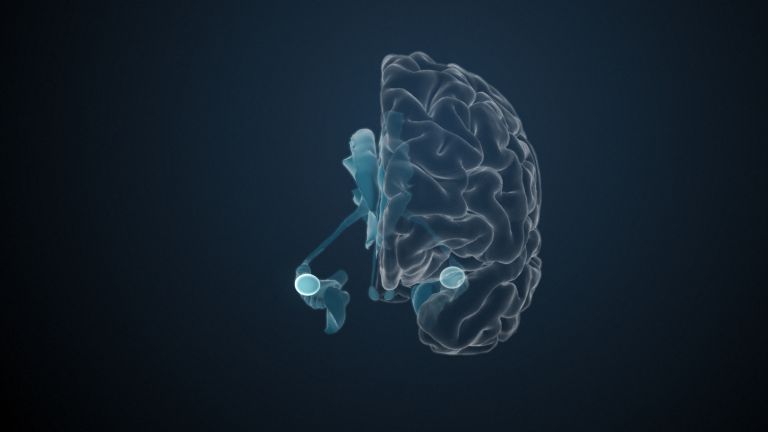
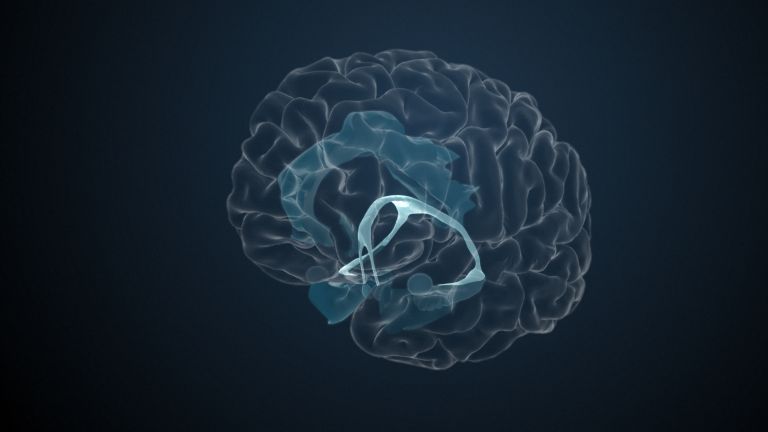
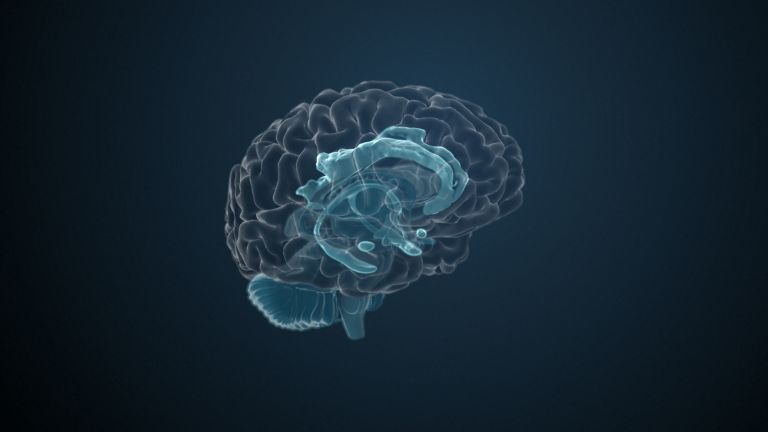
The Subthalamic nucleus is also part of the complex motor control system: it receives excitatory fiber inputs directly from the motor cortex, as well as inhibitory impulses from the outer segment of the globus pallidus while sending signals primarily to the inner segment of the globus pallidus and to the substantia nigra.
Since control loops are obviously more important than individual structures at this point, here is a brief excursion into the interconnection of the Basal ganglia These influence the execution of movements via several interconnection pathways. The main loop promotes motor function. It runs from the Putamen via the inner segment of the globus pallidus to the thalamus. Since the globus pallidus inhibits the thalamus but is itself inhibited by the putamen, the Inhibition of the thalamus is reduced according to the principle of double inhibition, allowing it to send its excitatory signals to the motor Cortex. At the same time, several secondary loops modulate the main loop. One of these includes the subthalamic Nucleus: it excites the internal Pallidum segment, thereby increasing inhibition of the thalamus. This secondary loop thus counteracts unregulated motor function.
This is particularly evident in cases of damage to the subthalamic nucleus, for example as a result of a stroke. This can lead to a condition known as hemiballismus, in which those affected suddenly and involuntarily flail their arms or legs. Fortunately, this disorder is not permanent and only affects one side of the body: the opposite side of the damaged hemisphere.
The subthalamic nucleus also influences the symptoms of Parkinson's patients. Exactly how it does this remains a mystery to neuroscientists. However, they do know that when there is a Dopamine deficiency in the striatum, the subthalamic nucleus fires signals more intensely. When it is “switched off,” the resting tremor, the typical slow tremor experienced by patients, subsides. This switch-off is achieved using the method of deep brain stimulation: electrodes are implanted in the brain of the patient, which constantly emit electrical impulses and counteract the overactivity of the subthalamic nucleus.
Subthalamic nucleus
Nucleus subthalamicus
Although the subthalamic nucleus is a nucleus of the subthalamus in the diencephalon, it is functionally closely integrated into the motor control of the basal ganglia. It plays a role in impulse control, movement control, and inhibition of unwanted movements. Damage to this nucleus can lead to temporary, uncontrolled, jerky movements of the extremities – known as ballism. Doctors have already achieved successful treatment outcomes in both obsessive-compulsive disorder and Parkinson's disease by artificially stimulating this region with a neuroimplant.
excitatory
Exciting synapses are described as excitatory when they depolarize the subsequent cell membrane and can thus lead to the formation of an action potential. An excitatory effect is usually produced by an exciting transmitter (messenger substance), such as glutamate. The opposite is an inhibitory synapse.
Basal ganglia
Nuclei basales
The basal ganglia are a group of subcortical nuclei (located beneath the cerebral cortex) in the telencephalon. The basal ganglia include the globus pallidus and the striatum, and, depending on the author, other structures such as the substantia nigra and the subthalamic nucleus. The basal ganglia are primarily associated with voluntary motor function, but they also influence motivation, learning, and emotion.
Putamen
A nucleus of the basal ganglia that, together with the caudate nucleus, forms the striatum. As part of the extrapyramidal motor system, it is involved in voluntary motor function (intentional movement).
Inhibition
Neuronal inhibition describes the phenomenon whereby a sender neuron sends an impulse to a receiver neuron, causing the latter's activity to decrease. The most important inhibitory neurotransmitter is GABA.
Cortex
cortex cerebri
Cortex refers to a collection of neurons, typically in the form of a thin surface. However, it usually refers to the cerebral cortex, the outermost layer of the cerebrum. It is 2.5 mm to 5 mm thick and rich in nerve cells. The cerebral cortex is heavily folded, comparable to a handkerchief in a cup. This creates numerous convolutions (gyri), fissures (fissurae), and sulci. Unfolded, the surface area of the cortex is approximately 1,800cm².
Nucleus
In cell biology, the nucleus in a cell is the cell nucleus, which contains the chromosomes, among other things. In neuroanatomy, the nucleus in the nervous system refers to a collection of cell bodies – known as gray matter in the central nervous system and ganglia in the peripheral nervous system.
Pallidum
globus pallidus
The globus pallidus, also known as the pallidum, is an important nucleus of the basal ganglia. It is a motor nucleus of the extrapyramidal system involved in the regulation of movement. The pallidum has an inhibitory and an excitatory part. The Latin name pallidus – pale – refers to the color of this nucleus.
stroke
Cerebral apoplexy
In a stroke, the brain or parts of it are no longer supplied with sufficient blood, which impairs the supply of oxygen and glucose. The most common cause is a blockage in an artery (ischemic stroke), less commonly a hemorrhage (hemorrhagic stroke). Typical symptoms include sudden visual disturbances, dizziness, paralysis, speech or sensory disturbances. Long-term consequences can include various sensory, motor, and cognitive impairments.
Hemisphere
The cerebrum and cerebellum each consist of two halves – the right and left hemispheres. In the cerebrum, they are connected by three pathways (commissures). The largest commissure is the corpus callosum.
Dopamine
Dopamine is an important neurotransmitter in the central nervous system that belongs to the catecholamine group. It plays a role in motor function, motivation, emotion, and cognitive processes. Disruptions in the function of this transmitter play a role in many brain disorders, such as schizophrenia, depression, Parkinson's disease, and substance dependence.
The zone of uncertainty
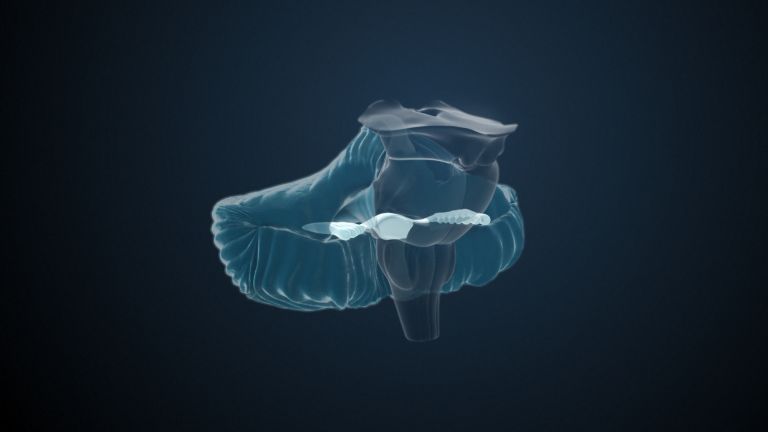
When Swiss brain researcher Auguste-Henri Forel first described the zona incerta, he called it “a region about which nothing certain can be said.” Not much has changed in the nearly 130 years since then: most textbooks only briefly mention the Zona incerta as existing and do not even list it in their index. Its function is still unknown today. However, there are many assumptions: it is thought to influence arousal, control the activity of the intestines, maintain movement, or generally generate responses to sensory stimuli.
Zona incerta
Zona incerta
Zona incerta – the name was coined by Auguste Forel and means that nothing certain can be said about this core of the diencephalon. That was in 1877, and since then it has been discovered that the zona incerta is very well connected throughout the brain. But its function remains unknown.
First published on August 28, 2011
Last updated on October 1, 2025