The Parahippocampal Gyrus
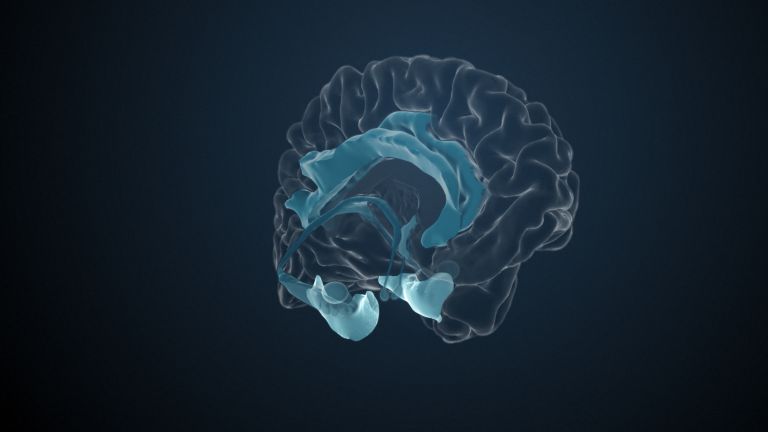
The parahippocampal gyrus is connected to numerous areas of the cortex. It acts as a gateway for all signals that are to reach the hippocampus. This makes damage to this area all the more serious, for example, through Alzheimer's disease.
Scientific support: Prof. Dr. Horst-Werner Korf
Published: 28.11.2025
Difficulty: serious
The Parahippocampal gyrus is the interface through which the Hippocampus connects to the isocortex. Damage to this area leads to serious Memory disorders.
Parahippocampal gyrus
gyrus parahippocampalis
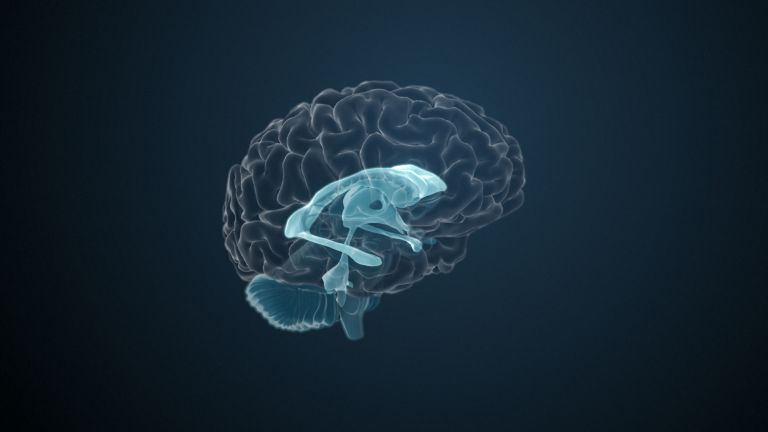
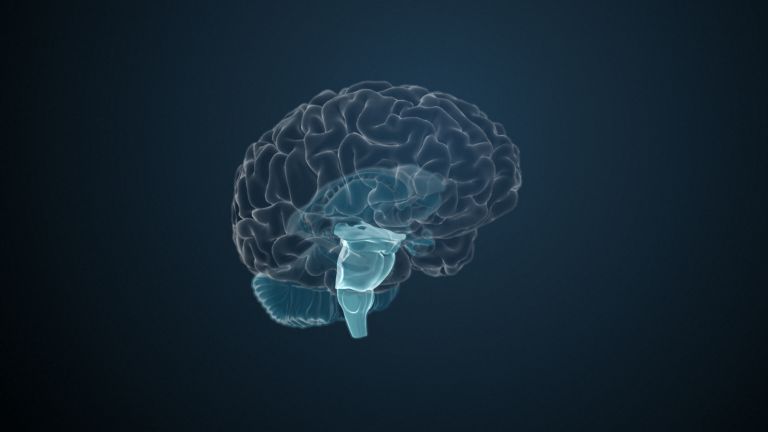
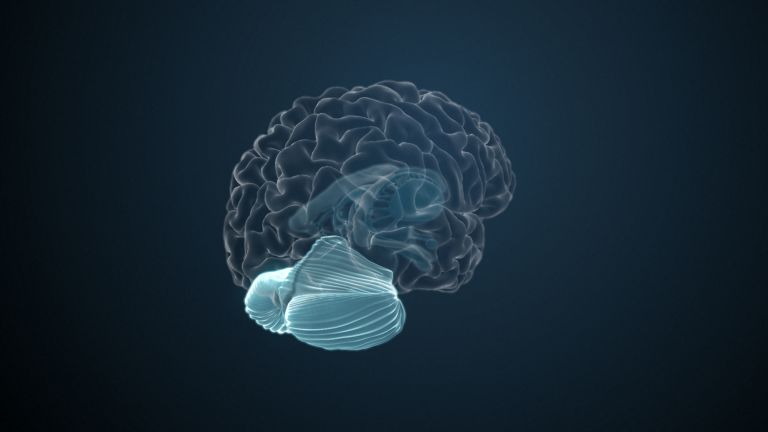
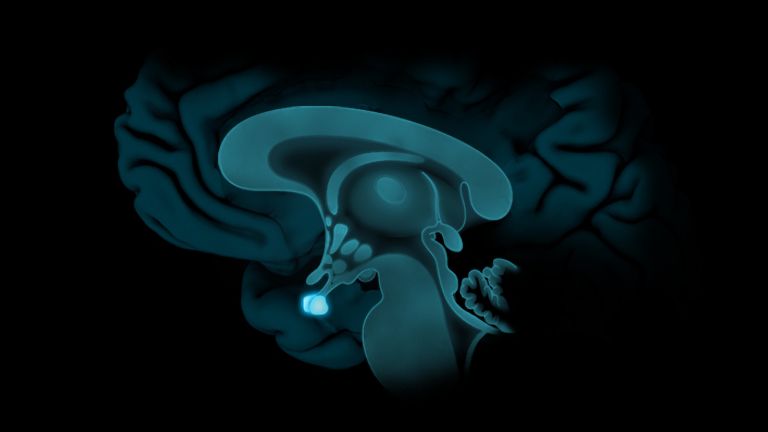
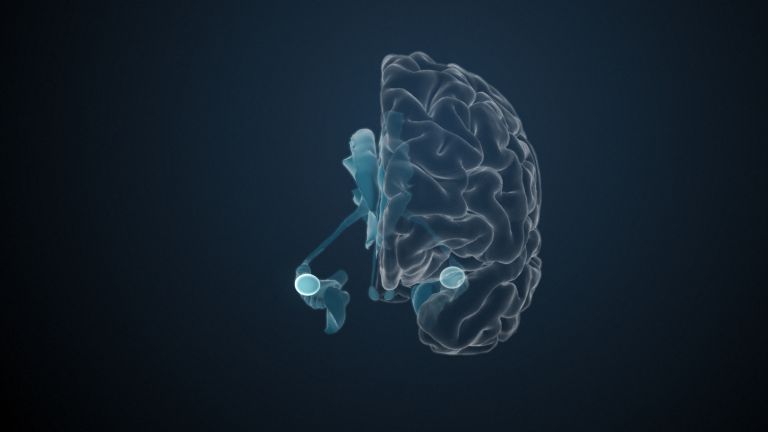
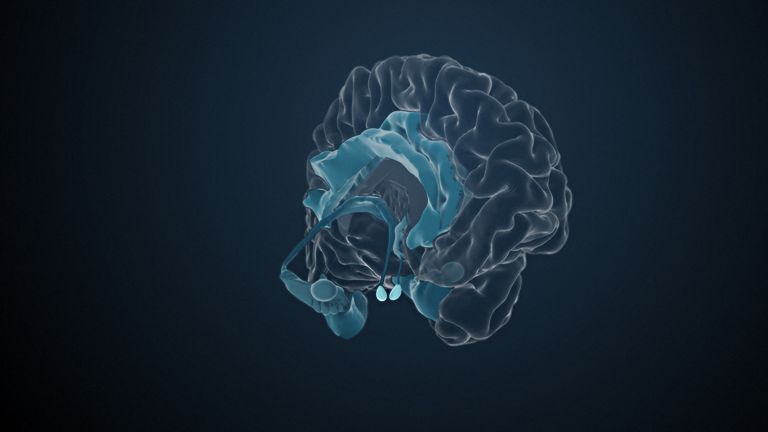
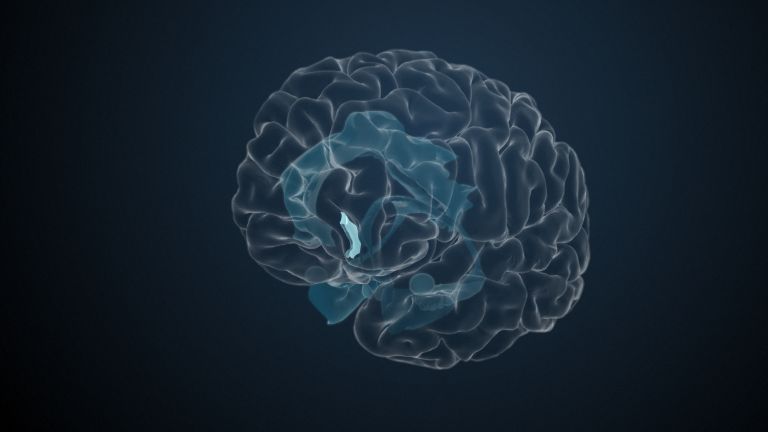
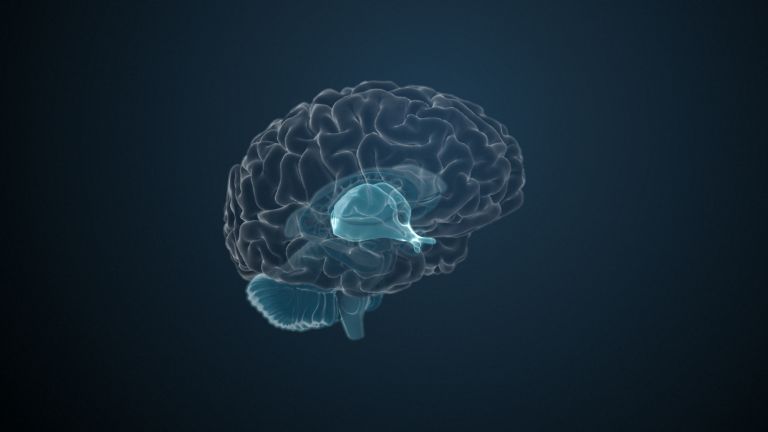
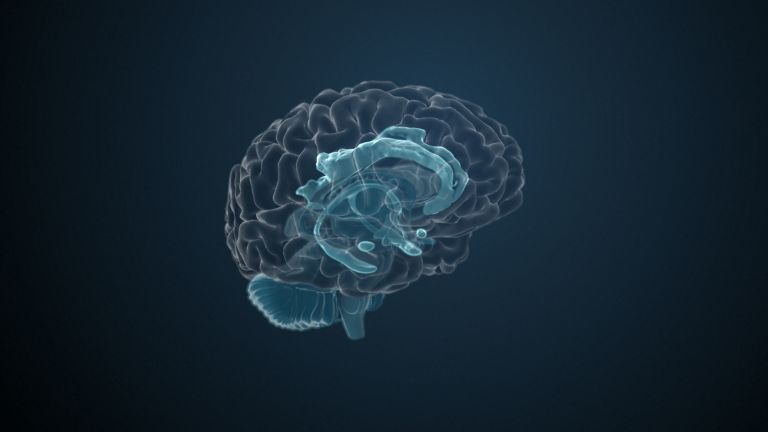
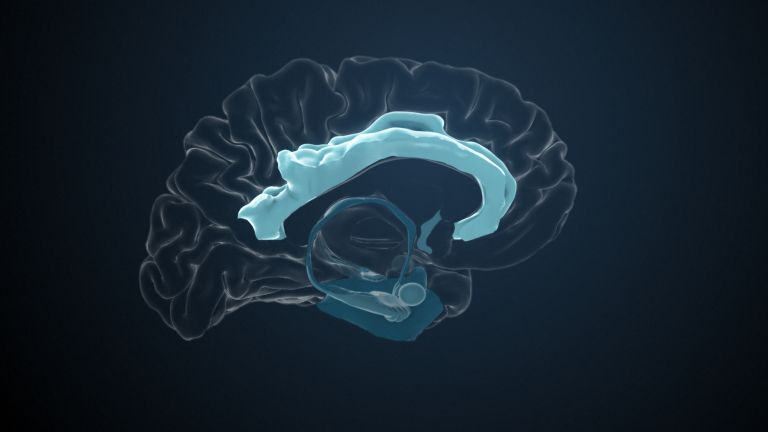
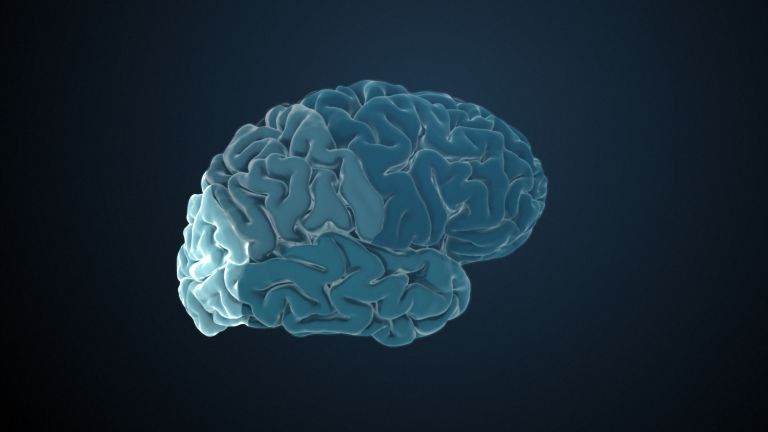
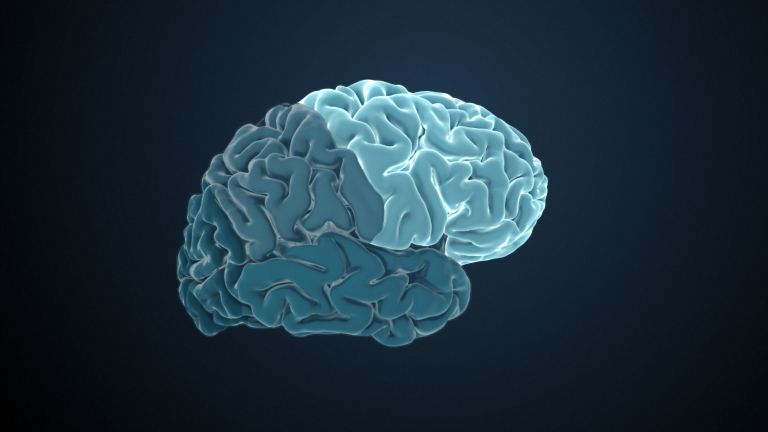
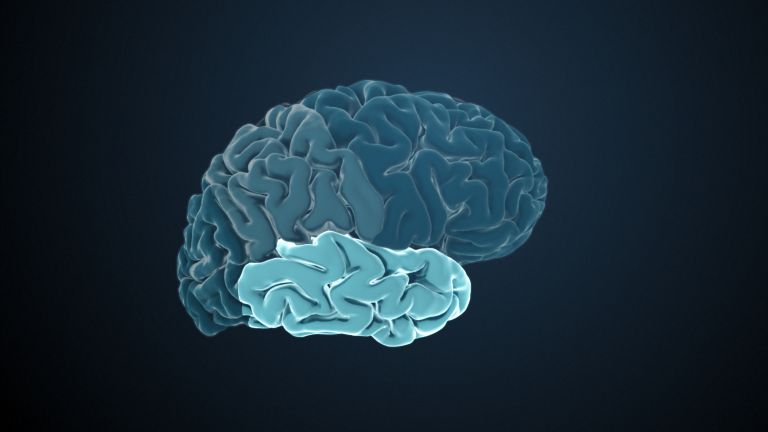
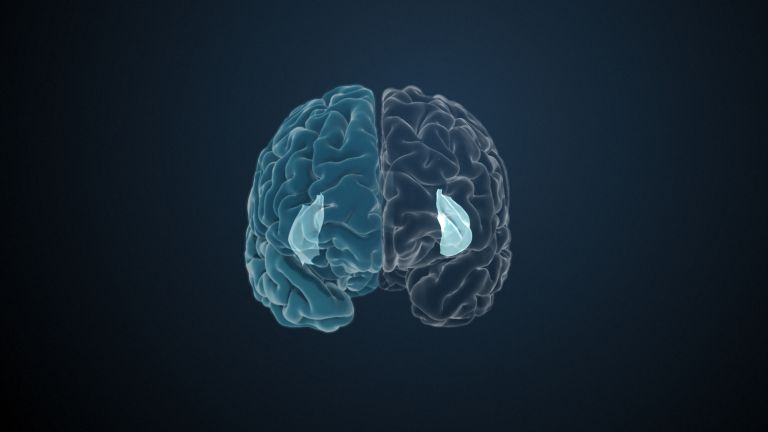
The parahippocampal gyrus runs along the hippocampus in the lower, inner temporal lobe. Its anterior part is covered by the entorhinal cortex. It is connected to numerous areas of the cerebral cortex and projects to the hippocampus, which it also acts as a gateway to. This means that it is involved in the consolidation of explicit memory content, among other things. In addition, the posterior part of the parahippocampal gyrus contains the parahippocampal place area (PPA), which responds particularly to complex visual scenes such as rooms, landscapes, or streets and thus plays an important role in spatial orientation and location recognition.
Hippocampus
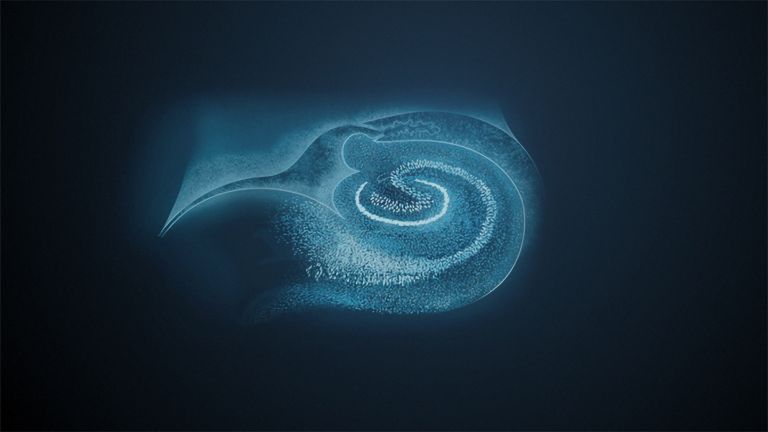
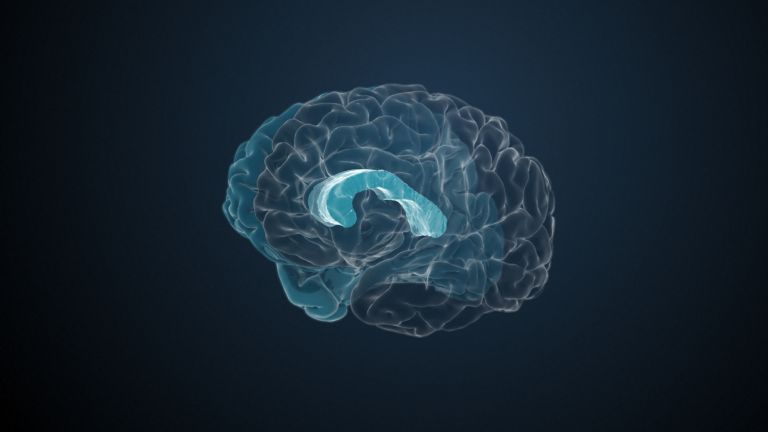
The hippocampus is the largest part of the archicortex and an area in the temporal lobe. It is also an important part of the limbic system. Functionally, it is involved in memory processes, but also in spatial orientation and learning. It comprises the subiculum, the dentate gyrus, and the Ammon's horn with its four fields CA1-CA4.
Changes in the structure of the hippocampus due to stress are associated with chronic pain. The hippocampus also plays an important role in the amplification of pain through anxiety.
Memory
Memory is a generic term for all types of information storage in the organism. In addition to pure retention, this also includes the absorption of information, its organization, and retrieval.
In a 2009 study published in the Journal of Neuroscience, Taylor Schmitz from the University of Toronto investigated the relationship between mood and Perception. To do this, he first showed his test subjects images that triggered either pleasant or unpleasant Emotions. The researchers then presented images with faces in the center and houses in the background. The subjects were asked to indicate the gender of the face – a task that was emotionally neutral. Meanwhile, imaging techniques were used to record brain activity in an area of the Parahippocampal gyrus known as the parahippocampal place area, or PPA for short.
Those who had seen unpleasant images and were therefore in a gloomy mood had a comparatively silent PPA. However, those who had seen images of small children and puppies, and were therefore in a positive mood, had a very active PPA. Schmitz and colleagues see this as confirmation of an everyday experience: when you are in a good mood, your field of vision expands – you perceive more details and are more open to new information. A bad mood, on the other hand, causes tunnel vision.
Perception
The term describes the complex process of gathering and processing information from stimuli in the environment and from the internal states of a living being. The brain combines the information, which is perceived partly consciously and partly unconsciously, into a subjectively meaningful overall impression. If the data it receives from the sensory organs is insufficient for this, it supplements it with empirical values. This can lead to misinterpretations and explains why we succumb to optical illusions or fall for magic tricks.
Emotions
Neuroscientists understand "emotions" to be complex response patterns that include experiential, physiological, and behavioral components. They arise in response to personally relevant or significant events and generate a willingness to act, through which the individual attempts to deal with the situation. Emotions typically occur with subjective experience (feeling), but differ from pure feeling in that they involve conscious or implicit engagement with the environment. Emotions arise in the limbic system, among other places, which is a phylogenetically ancient part of the brain. Psychologist Paul Ekman has defined six cross-cultural basic emotions that are reflected in characteristic facial expressions: joy, anger, fear, surprise, sadness, and disgust.
Parahippocampal gyrus
gyrus parahippocampalis
The parahippocampal gyrus runs along the hippocampus in the lower, inner temporal lobe. Its anterior part is covered by the entorhinal cortex. It is connected to numerous areas of the cerebral cortex and projects to the hippocampus, which it also acts as a gateway to. This means that it is involved in the consolidation of explicit memory content, among other things. In addition, the posterior part of the parahippocampal gyrus contains the parahippocampal place area (PPA), which responds particularly to complex visual scenes such as rooms, landscapes, or streets and thus plays an important role in spatial orientation and location recognition.
The Parahippocampal gyrus also has very specific functions, as shown by imaging studies. Its anterior region is active when it comes to places and houses, spatial arrangement, and background. This area is therefore referred to as the parahippocampal place area (PPA).
Parahippocampal gyrus
gyrus parahippocampalis
The parahippocampal gyrus runs along the hippocampus in the lower, inner temporal lobe. Its anterior part is covered by the entorhinal cortex. It is connected to numerous areas of the cerebral cortex and projects to the hippocampus, which it also acts as a gateway to. This means that it is involved in the consolidation of explicit memory content, among other things. In addition, the posterior part of the parahippocampal gyrus contains the parahippocampal place area (PPA), which responds particularly to complex visual scenes such as rooms, landscapes, or streets and thus plays an important role in spatial orientation and location recognition.
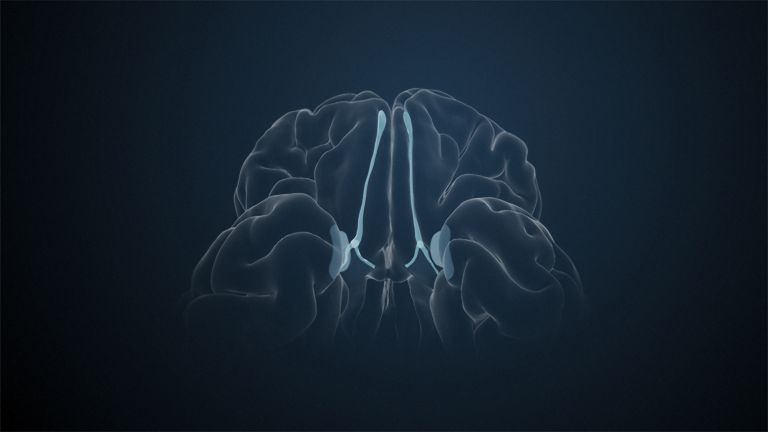
The Temporal lobe has a convolution on its inner surface that is named after its immediate neighborhood: The Parahippocampal gyrus is located right next to (para) the Hippocampus. However, this gyrus is not only located next to it, but merges seamlessly into the hippocampus, or more precisely, into its Subiculum. The cortical layer that covers the parahippocampal gyrus is called the entorhinal cortex, and both terms are often used synonymously. Entorhinal Cortex literally means “right in the middle of smelling” cortex. In fact, in many animals, this area is dominated by fibers from the bulbi olfactori, i.e., the olfactory bulbs, hence the name. However, this is not the case in humans.
Temporal lobe
Lobus temporalis
The temporal lobe is one of the four lobes of the cerebrum and is located laterally (on the side) at the bottom. It contains important areas such as the auditory cortex and parts of Wernicke's area, as well as areas for higher visual processing; deep within it lies the medial temporal lobe with structures such as the hippocampus.
Parahippocampal gyrus
gyrus parahippocampalis
The parahippocampal gyrus runs along the hippocampus in the lower, inner temporal lobe. Its anterior part is covered by the entorhinal cortex. It is connected to numerous areas of the cerebral cortex and projects to the hippocampus, which it also acts as a gateway to. This means that it is involved in the consolidation of explicit memory content, among other things. In addition, the posterior part of the parahippocampal gyrus contains the parahippocampal place area (PPA), which responds particularly to complex visual scenes such as rooms, landscapes, or streets and thus plays an important role in spatial orientation and location recognition.
Hippocampus
The hippocampus is the largest part of the archicortex and an area in the temporal lobe. It is also an important part of the limbic system. Functionally, it is involved in memory processes, but also in spatial orientation and learning. It comprises the subiculum, the dentate gyrus, and the Ammon's horn with its four fields CA1-CA4.
Changes in the structure of the hippocampus due to stress are associated with chronic pain. The hippocampus also plays an important role in the amplification of pain through anxiety.
Subiculum
The transition zone between the cornu ammonis and the entorhinal cortex is called the subiculum.
Cortex
cortex cerebri
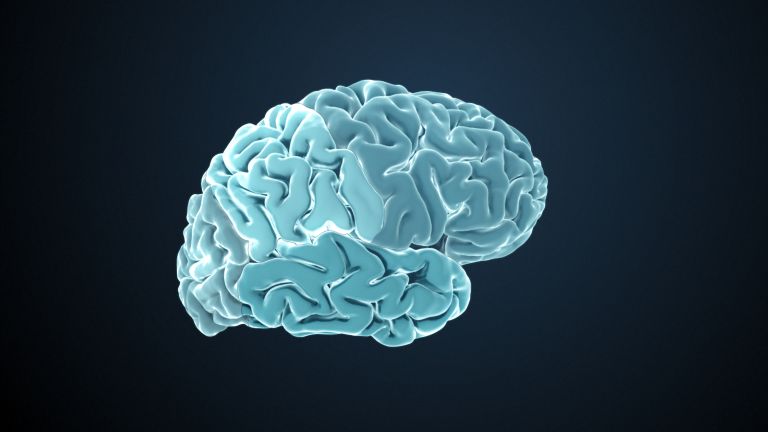
Cortex refers to a collection of neurons, typically in the form of a thin surface. However, it usually refers to the cerebral cortex, the outermost layer of the cerebrum. It is 2.5 mm to 5 mm thick and rich in nerve cells. The cerebral cortex is heavily folded, comparable to a handkerchief in a cup. This creates numerous convolutions (gyri), fissures (fissurae), and sulci. Unfolded, the surface area of the cortex is approximately 1,800cm².
Structure and appearance
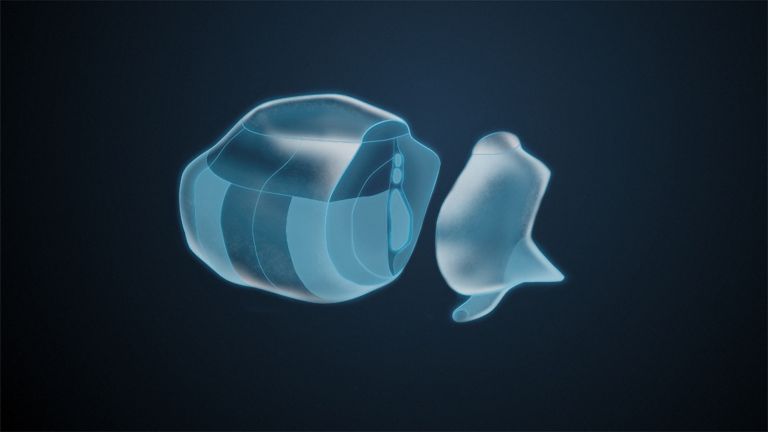
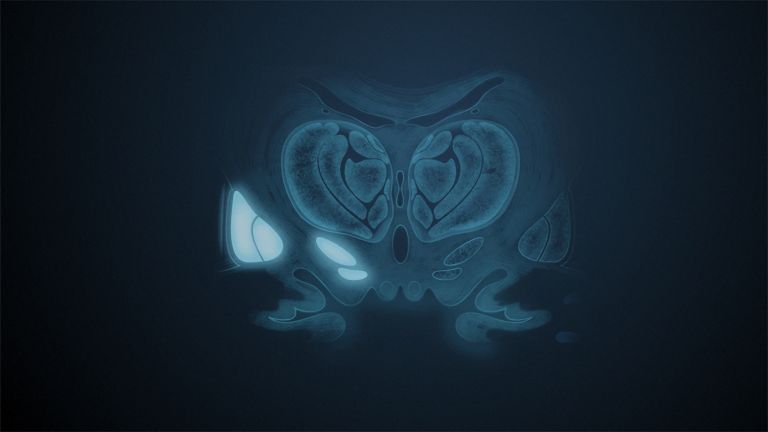
The entorhinal Cortex belongs to the so-called allocortices, meaning it does not have the typical six-layer structure of the isocortex, which covers most of the hemispheres. It is by no means simpler, but rather more complex in its layering than the isocortex; some authors describe more than 10 layers. It is characterized by cell clouds – or cell islands – located just below the surface.
Cortex
cortex cerebri
Cortex refers to a collection of neurons, typically in the form of a thin surface. However, it usually refers to the cerebral cortex, the outermost layer of the cerebrum. It is 2.5 mm to 5 mm thick and rich in nerve cells. The cerebral cortex is heavily folded, comparable to a handkerchief in a cup. This creates numerous convolutions (gyri), fissures (fissurae), and sulci. Unfolded, the surface area of the cortex is approximately 1,800cm².

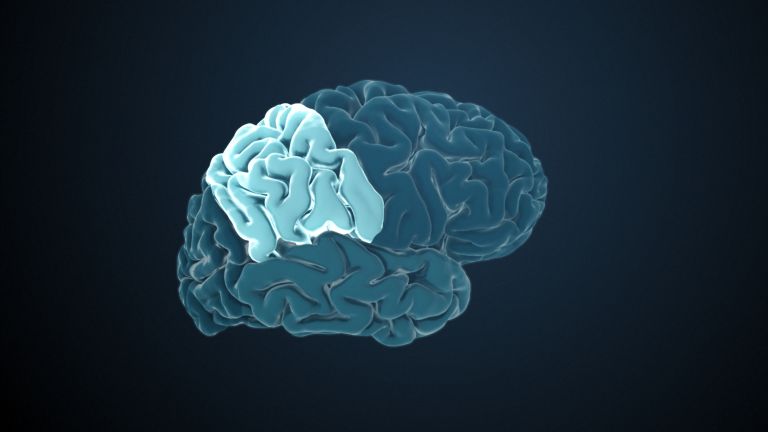
Connections and functions
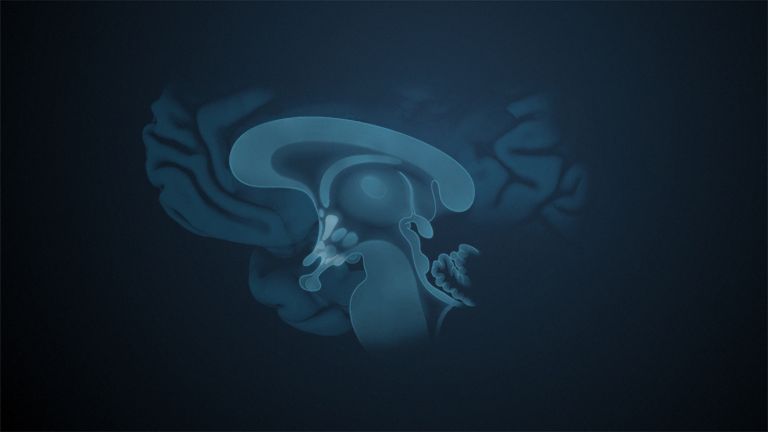
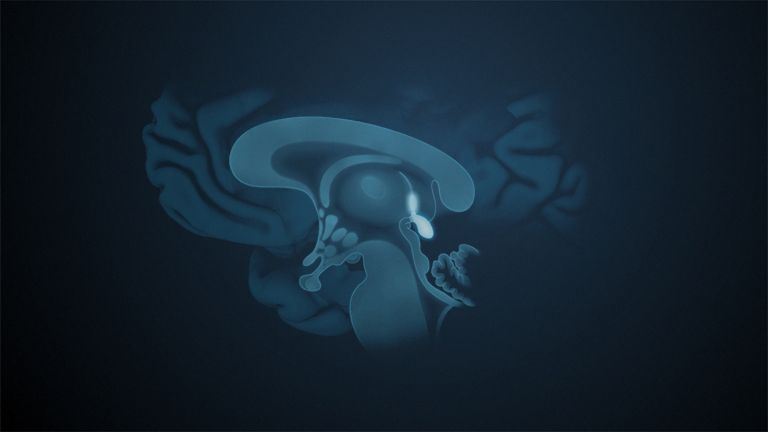
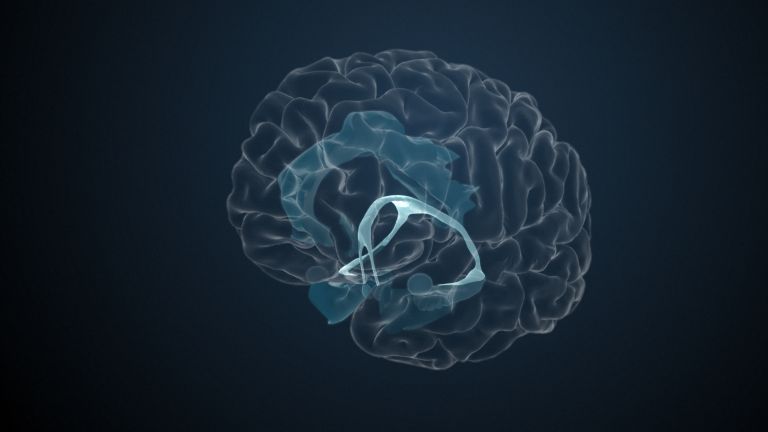
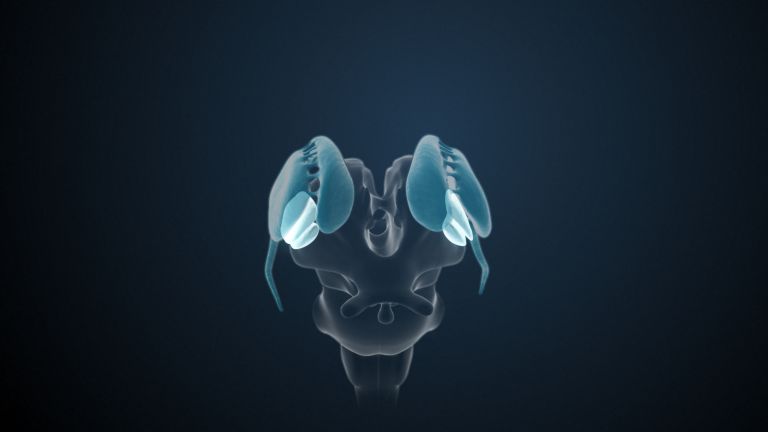
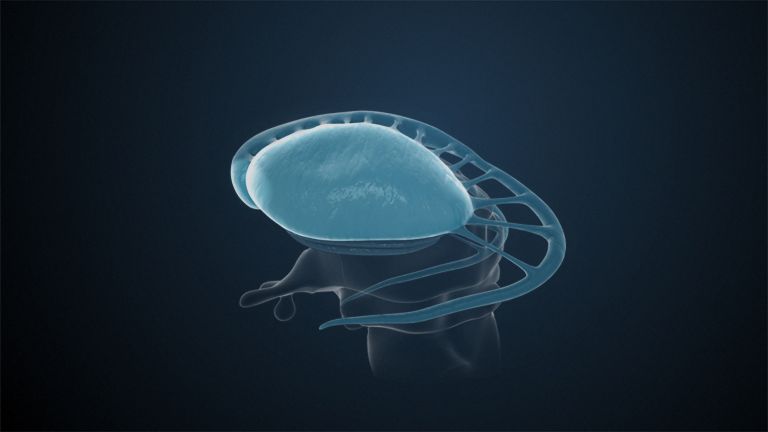
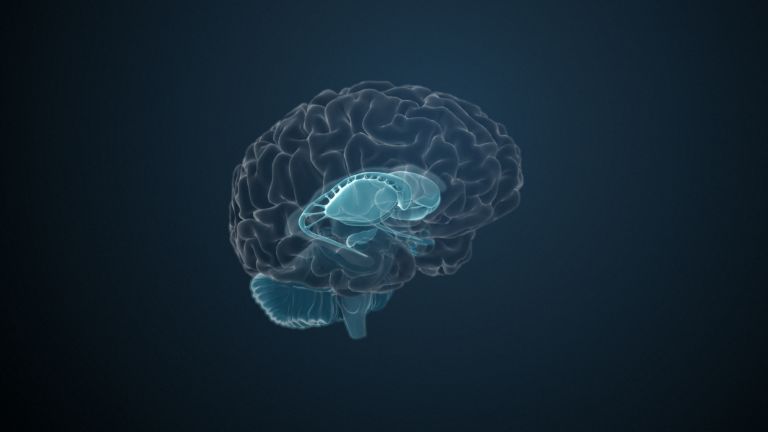
The entorhinal Cortex is reciprocally connected to all association centers of the isocortex and also to the olfactory areas of the Temporal lobe and the Amygdala. For its part, it sends a massive bundle of fibers – the perforant tract – into the neighboring hippocampal formation. One could therefore say that the entorhinal cortex is to the Hippocampus what the thalamus is to the isocortex: the gateway or bottleneck through which everything that is supposed to reach the hippocampus must pass. If this bottleneck becomes too narrow, the gateway closed, and the hippocampus is, so to speak, cut off from the Neocortex – with serious consequences.
In the well-known Alzheimer's disease, which begins in the entorhinal cortex but then spreads to almost the entire brain, this is exactly what happens initially: the neurons of the entorhinal cortex that form the perforant pathway are the first to die. This results in amnestic syndromes: new memories can no longer be formed, and existing ones can no longer be retrieved.
Cortex
cortex cerebri
Cortex refers to a collection of neurons, typically in the form of a thin surface. However, it usually refers to the cerebral cortex, the outermost layer of the cerebrum. It is 2.5 mm to 5 mm thick and rich in nerve cells. The cerebral cortex is heavily folded, comparable to a handkerchief in a cup. This creates numerous convolutions (gyri), fissures (fissurae), and sulci. Unfolded, the surface area of the cortex is approximately 1,800cm².
Temporal lobe
Lobus temporalis
The temporal lobe is one of the four lobes of the cerebrum and is located laterally (on the side) at the bottom. It contains important areas such as the auditory cortex and parts of Wernicke's area, as well as areas for higher visual processing; deep within it lies the medial temporal lobe with structures such as the hippocampus.
Amygdala
corpus amygdaloideum
An important core area in the temporal lobe that is associated with emotions: it evaluates the emotional content of a situation and reacts particularly to threats. In this context, it is also activated by pain stimuli and plays an important role in the emotional evaluation of sensory stimuli. Inaddition, it is involved in linking emotions with memories, emotional learning ability, and social behavior. The amygdala is part of the limbic system.
Hippocampus
The hippocampus is the largest part of the archicortex and an area in the temporal lobe. It is also an important part of the limbic system. Functionally, it is involved in memory processes, but also in spatial orientation and learning. It comprises the subiculum, the dentate gyrus, and the Ammon's horn with its four fields CA1-CA4.
Changes in the structure of the hippocampus due to stress are associated with chronic pain. The hippocampus also plays an important role in the amplification of pain through anxiety.
Neocortex
The neocortex is the phylogenetically youngest part of the cerebral cortex. Since it is structured relatively uniformly in six layers, it is also referred to as the isocortex.
First published on August 23, 2011
Updated on November 28, 2025