
Intruders
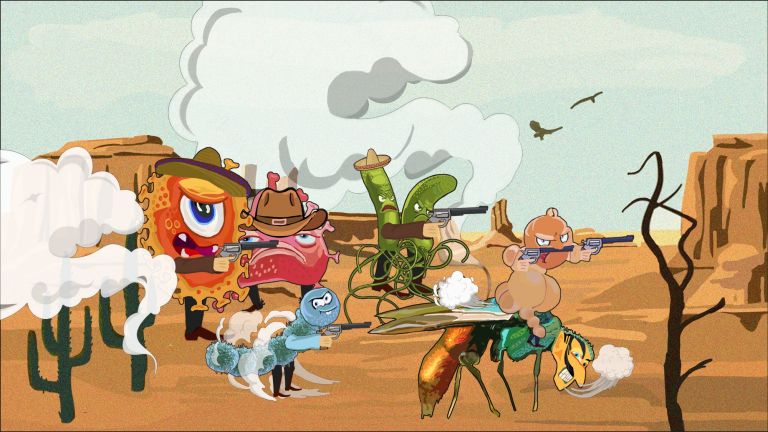
No organ in the body is better protected than the brain: the skull is tough, and the Blood-brain barrier is almost impenetrable. That's a good thing, because the brain is the center of our being: we inhabit it. But the world is a dark place, and everything that lives serves as food, shelter, or host for someone else. This is not limited to viruses or bacteria – nor to the skin and intestines: some neurotropic viruses, parasites, amoebas, and even worms also find their way into the brain.
Insects are a particularly popular vehicle, a stopover on the way to the stomach of the final host. The parasite changes the behavior of the intermediate host, with the goal of causing it to commit suicide. This is what the larva of the small liver fluke does, for example, causing ants to bite into grass. Toxoplasma gondii does something similar: the parasite removes the mouse's fear of cats in order to, you guessed it, more easily end up in their stomachs. Or from chimpanzees to leopards, the species doesn't matter.
Rabies manifests itself in the emotional brain structures of mammals, micro-organisms migrate along the olfactory nerve and eat their way through the brain. Just like misfolded proteins, which are behind mad cow disease in cattle and scrapie in sheep. They became known in West Papua through kuru, where people still ate the brains of the deceased for ritual reasons in the 20th century. Even neurodegenerative diseases such as Parkinson's and Alzheimer's could start in the gut. Conversely, to say something positive for a change, the right fecal bacteria can reduce anxiety and depression.
But overall, we are dealing with scary stuff here. This includes fine dust from air pollution. And Long Covid. The world is a dark place and this topic is not for the faint of heart.
If you are brave enough, start with Nora Schultz's text on Strange Beings in the Head.
Blood-brain barrier
A selectively permeable membrane formed by cells in the walls of the capillary blood vessels in the brain. It protects the brain from harmful substances in the blood, but allows nutrients and oxygen to pass from the blood into the brain.
Depression
A mental illness whose main symptoms are sadness and a loss of joy, motivation, and interest. Current classification systems distinguish between different types of depression.