
The Glymphatic System
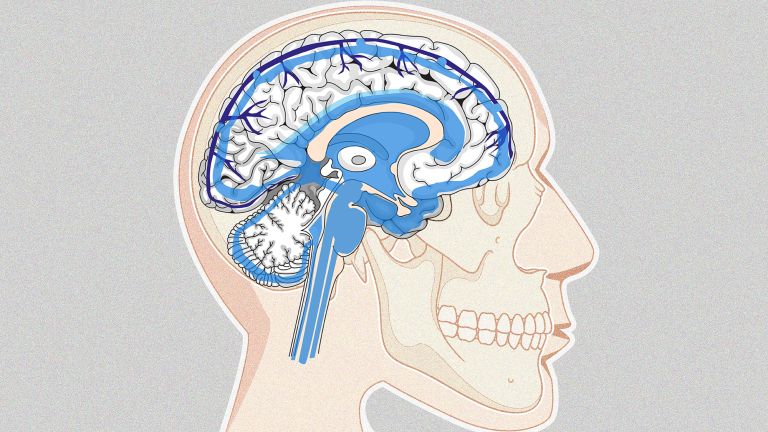
Perhaps once every 10 years, we discover something fundamentally new about the brain – as was the case with the glymphatic system in 2012. Previously, we thought that all waste products in the brain were removed via the cerebrospinal fluid. However, this would be a crude and slow process, far less effective than the body's lymphatic system. And the brain is otherwise particularly well protected – so what is going on here?
That may have been Maiken Nedergaard's question, but her answer is not only significant for basic research, but also potentially important for medicine: tiny channels run parallel to the blood vessels, through which cerebrospinal fluid flows. Special channel proteins in the astrocytes distribute it in the brain tissue between neurons, glial cells, and blood vessels. There, it absorbs toxins – including beta-amyloid, which we know primarily for its unfortunate role in Alzheimer's disease – and ultimately flushes them out of the brain.
In cooperation with the Schering Foundation – and on the occasion of the Schering Prize being awarded to Maiken Nedergaard for this fascinating discovery – we take a closer look at the glymphatic system.