Search
-
- Basics
- Communication of Cells
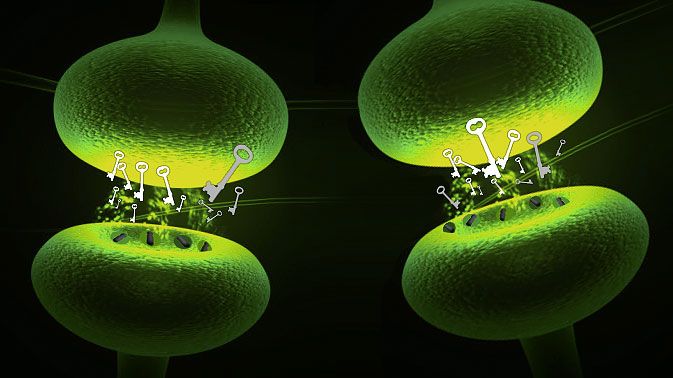
Neurotransmitters: Messenger Molecules in the Brain
“Happy hormone” & Co.: Without neurotransmitters, nerve cells would not be able to communicate.
05.08.2025
-
- News from the Institutes
Teamwork in the inner ear
Our hearing is based on the organized grouping of proteins
06.11.2025
-
- Glossary
Substance P
Substance P is a neuropeptide that acts as a neurotransmitter and belongs to the tachykinin family. High concentrations are found in the dorsal horn of the spinal cord, where it is involved in pain modulation.
-
- News from the Institutes
New Insights into the Molecular Basis of Ataxia
Receptor responsible for stress-induced motor incoordination in people with ataxia identified.
10.10.2025
-
- News from the Institutes
Intermittent Fasting Increases Sex Drive in Male Mice
Current findings could point the way for new therapy option / Serotonin plays key role
28.03.2025
-
- Basics
- Structure and Function
The Secret to Success: Communication
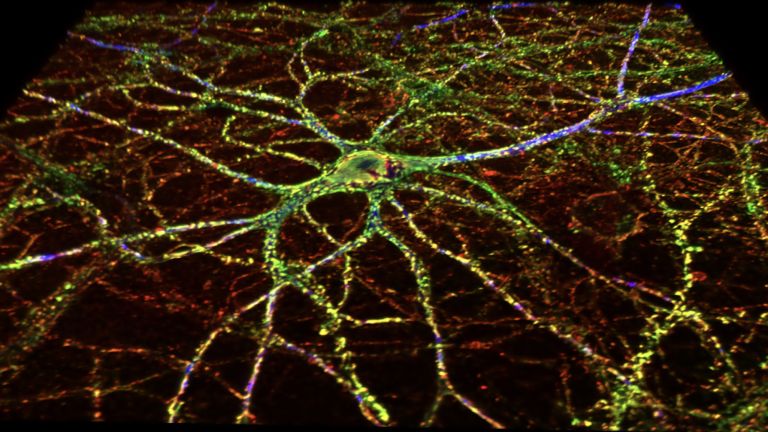
No other cell type is better at juggling signals: The neuron is both a data octopus and a supercomputer.
01.12.2020
-
- Basics
- Structure and Function
Myelin: High Speed
It is the white sheath that glial cells form around axons that makes high speed pathways in the brain possible.
01.12.2020
-
- Diseases
- Successful aging
Molecular Detectives
We are our memories. But neural firing alone cannot unravel the traces of memory.
01.02.2026
-
- Basics
- The Developing Brain
Like Mother, like Child
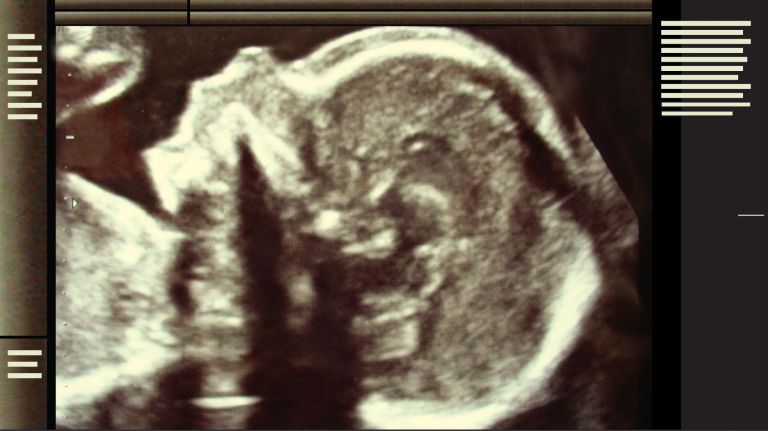
Like mother, like son: Key regulatory circuits in the brain and genes are calibrated before birth
10.02.2026
-
- Basics
- Communication of Cells
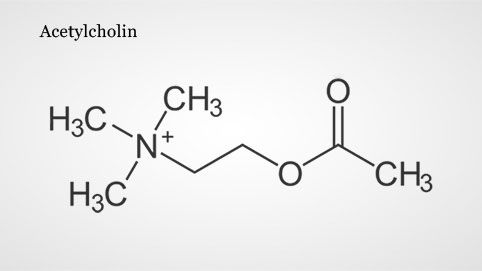
Acetylcholine
Acetylcholine was the first neurotransmitter to be discovered.
07.05.2012