Search
-
- Basics
- Anatomy
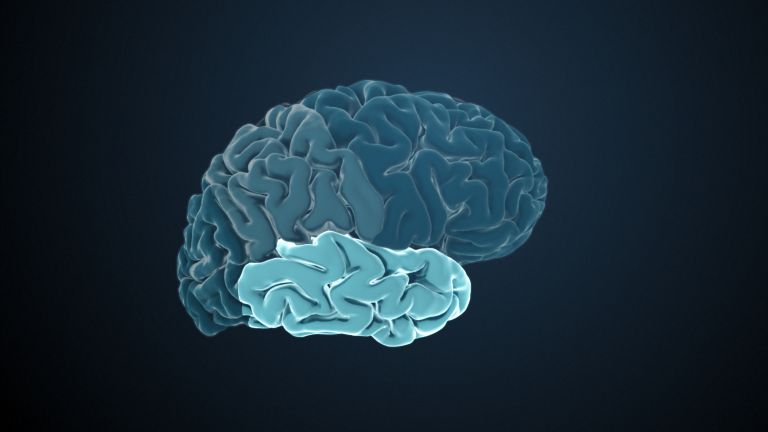
The Temporal Lobe
The lateral lobe of the cortex is responsible for tasks such as hearing, speaking, memory – and several others.
28.11.2025
-
- Basics
- The Developing Brain
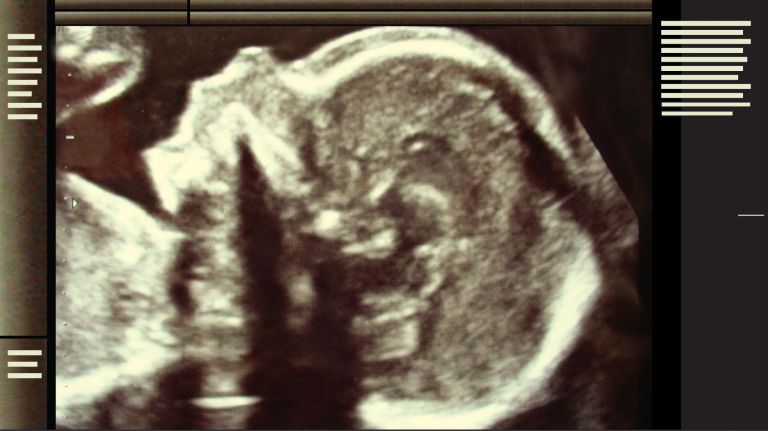
Like Mother, like Child
Like mother, like son: Key regulatory circuits in the brain and genes are calibrated before birth
10.02.2026
-
- Glossary
Paralimbic cortex
Collective term for all areas of the brain that are closely connected to the limbic system. Anatomically, the orbitofrontal cortex, cingulate gyrus, and insula belong to the paralimbic system, which plays a crucial role in mediating intense emotions. This is particularly true for feelings of fear. Neurologists often find abnormalities in the paralimbic system in the brains of psychopaths.
-
- Think
- Emotions
Emotion – Introduction
Reason and emotion are not necessarily opposites – they help to evaluate a situation.
30.08.2011
-
- Basics
- Anatomy
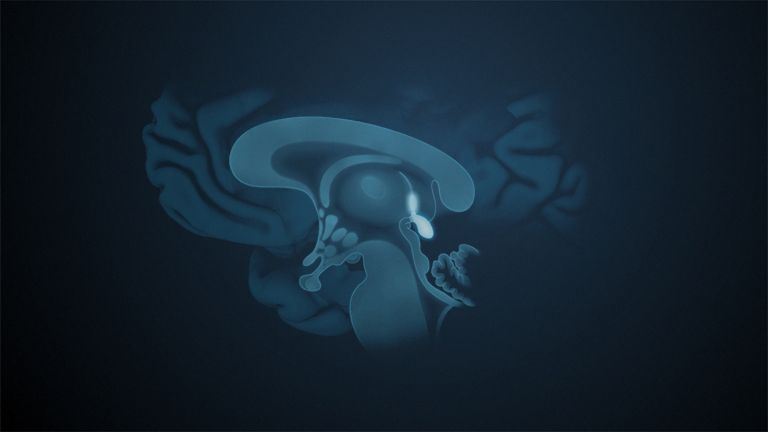
The Epithalamus
Probably not the seat of the soul after all: the pineal gland in the epithalamus.
09.10.2025
-
- Basics
- Anatomy
The Hippocampus
The hippocampus is crucial for the formation of new memory content.
23.08.2011
-
- Act
- Meditation
Improved Concentration Through Meditation
Meditation helps shut down certain regions of the brain that are active during daydreaming.
30.07.2026
-
- News
- Question to the brain
How does EMDR work?
Trauma therapy with EMDR: How does it work and what happens in the brain?
14.04.2024
-
- Page
The Advisors
20.03.2017
-
- Percieve
- Smell & Taste
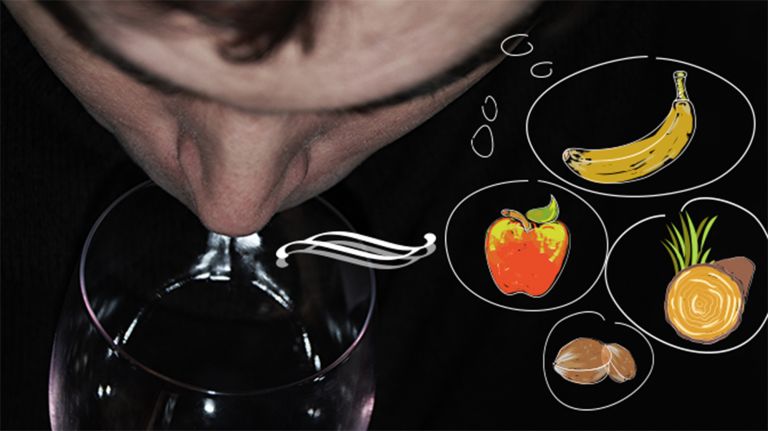
The Anatomy of Fragrance
Olfactory cells extend directly into the olfactory bulb of the brain, where the scent is assembled.
06.08.2018