Search
-
- News from the Institutes
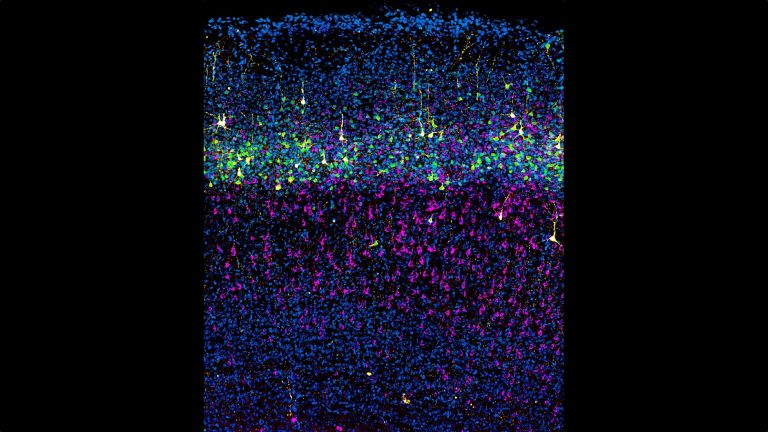
Neuronal Precursor Splits into Two Cell Lineages Earlier than Anticipated
ISTA Postdoc investigates how distinct neuron types arise in the cerebral cortex
05.08.2026
-
- Basics
- Structure and Function
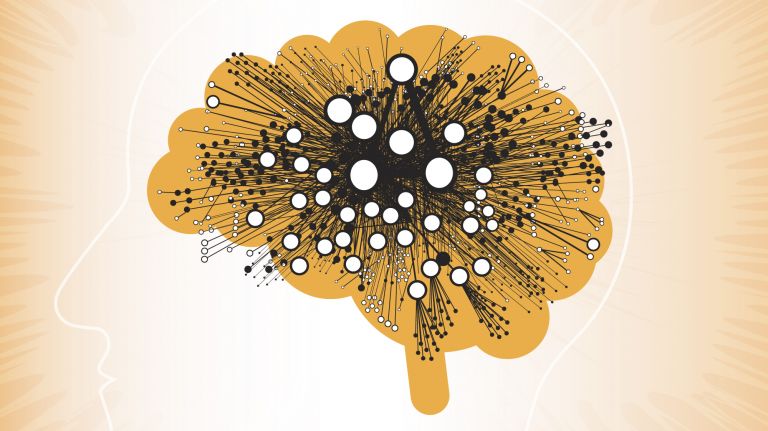
Well-Connected
The brain functions based on neural networks that change and adapt throughout a person's lifetime
30.04.2020
-
- Basics
- Communication of Cells
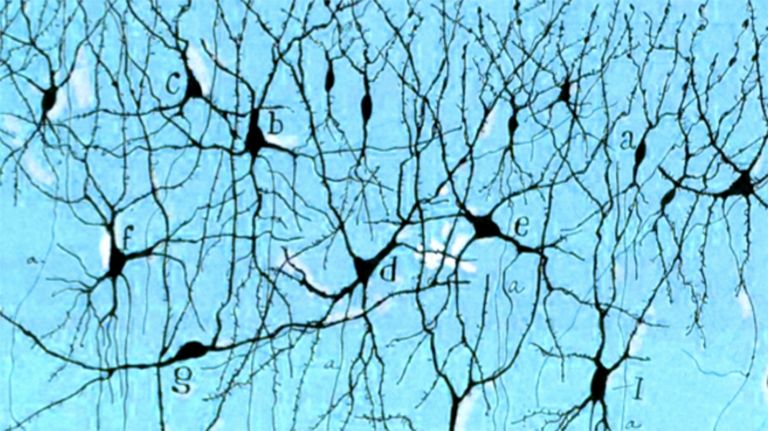
On the Scent of Cell Communication
A lot has to happen before nerve cells reveal their secrets. A historical review.
22.12.2023
-
- Basics
- Structure and Function
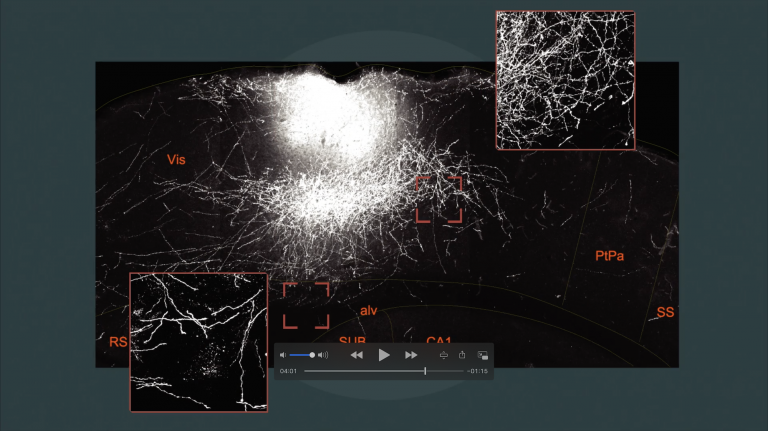
Repairing the Nervous System
Researchers are searching for new treatment approaches for injuries to the nervous system.
30.04.2020
-
- News from the Institutes
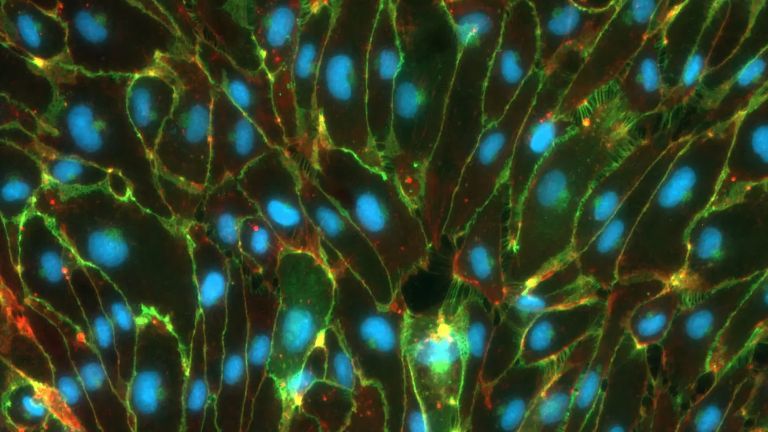
A human model of the blood-brain barrier
Disruptions to the protective barrier contribute to the development of serious brain diseases such as stroke and Alzheimer's.
16.12.2025
-
- Diseases
- Multiple sclerosis
Immune System out of Control
Multiple sclerosis causes a fatal chain reaction in the immune system and brain.
08.12.2025
-
- Glossary
Glial cells
Glia cells are the second largest group of cells in the brain after neurons. For a long time, they were considered inactive elements of the brain, referred to as "nerve cement." Today, we know that the different types of glia cells (astrocytes, oligodendrocytes, and microglia in the CNS; Schwann cells in the PNS) perform clearly defined tasks in the nervous system. For example, they respond to pathogens, play an important role in nourishing nerve cells, and insulate nerve fibers. They account for slightly more than 50 percent of the brain's cells, compared to neurons.
-
- News from the Institutes
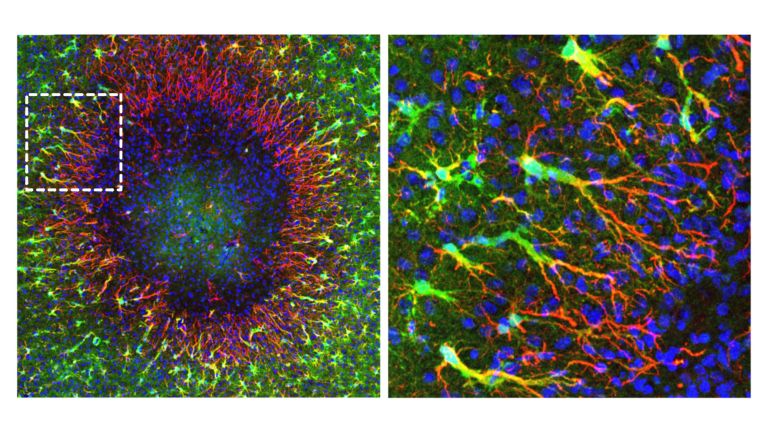
Brain Possesses Greater Self-Repair Capacity than Previously Assumed
Special support and supply cells repopulate damaged regions of the brain; initially, only the newly formed cell nuclei migrate there.
10.08.2026
-
- Basics
- Structure and Function
Structure and Function – Neurons
Different tasks require different cell types, some of which differ greatly in their biophysical properties and are highly specialized.
27.09.2021
-
- Diseases
- Successful aging
Molecular Detectives
We are our memories. But neural firing alone cannot unravel the traces of memory.
01.02.2026