Search
-
- Topic
Alzheimer's disease
Research has not yet produced a cure. What is the next step?
-
- News from the Institutes
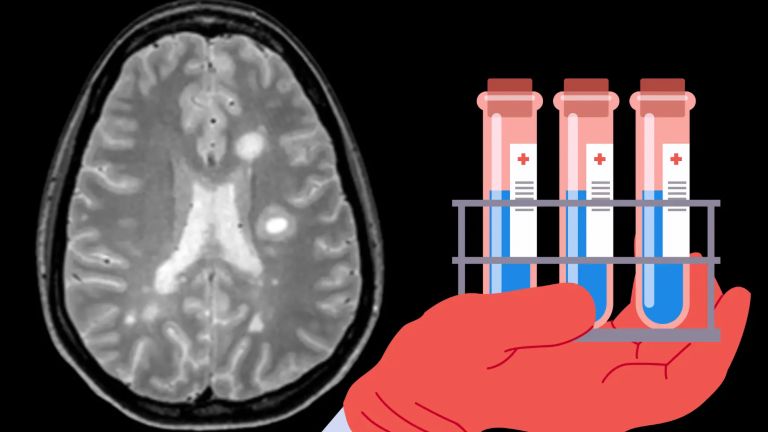
New diagnostic markers for multiple sclerosis discovered in brain and spinal fluid
Researchers at the MPI of Biochemistry and TUM have examined the cerebrospinal fluid of 5,000 patients with neurological diseases and discovered new diagnostic and prognostic markers for multiple sclerosis.
26.02.2026
-
- Diseases
- Intruders
It Takes More than Guts
Microbiome: How gut bacteria can make the brain sick
02.05.2023
-
- Diseases
- Alzheimer's disease
A Slow Descent into Forgetfulness
After a long asymptomatic phase, Alzheimer's disease progresses through three stages
18.03.2026
-
- Diseases
- Multiple sclerosis
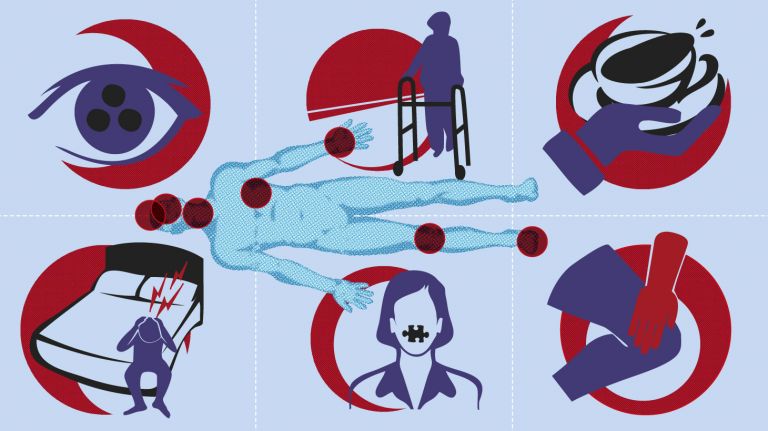
Multiple Sclerosis – a Medical Challenge
Multiple sclerosis is incurable, but there are a variety of treatment options available.
20.02.2026
-
- Diseases
- Alzheimer's disease
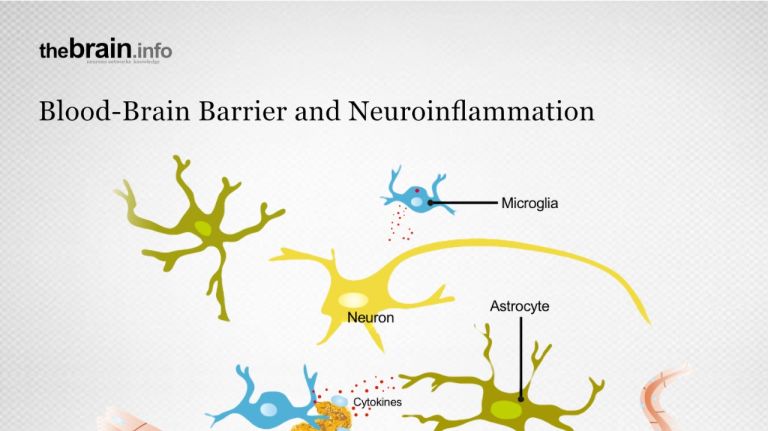
Neuroinflammation and Alzheimer's disease
In Alzheimer's disease, among other things, the immune cells of the brain – the microglia – are overactive.
31.01.2014
-
- Diseases
- Alzheimer's disease
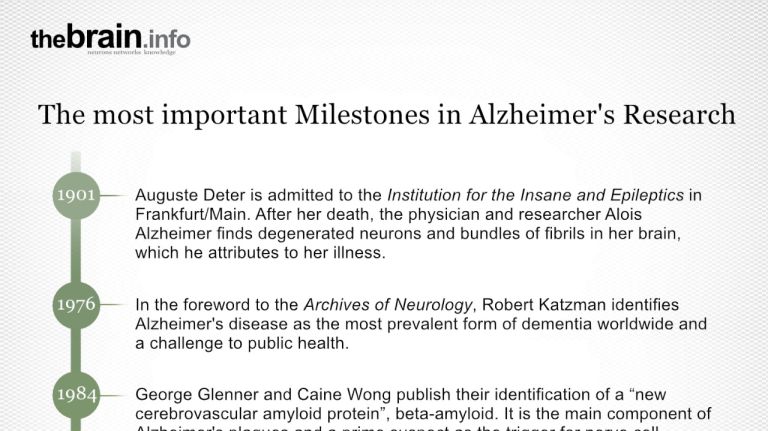
Media - Image | Graphic: The most important Milestones in Alzheimer's Research
For more than 100 years, researchers have been searching for the causes of Alzheimer's disease.
02.12.2025
-
- News from the Institutes
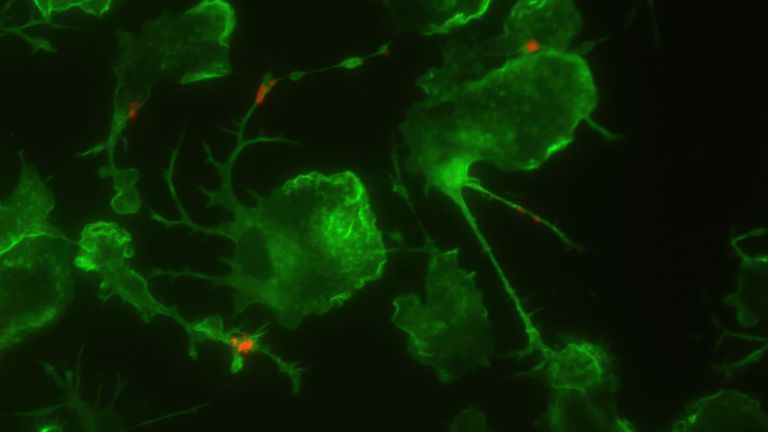
New insights into immune cells in the context of neurodegeneration
Lab Findings Support the Concept that Reducing Neuroinflammation Could Help Fight Alzheimer’s
04.02.2025
-
- Diseases
- Alzheimer's disease
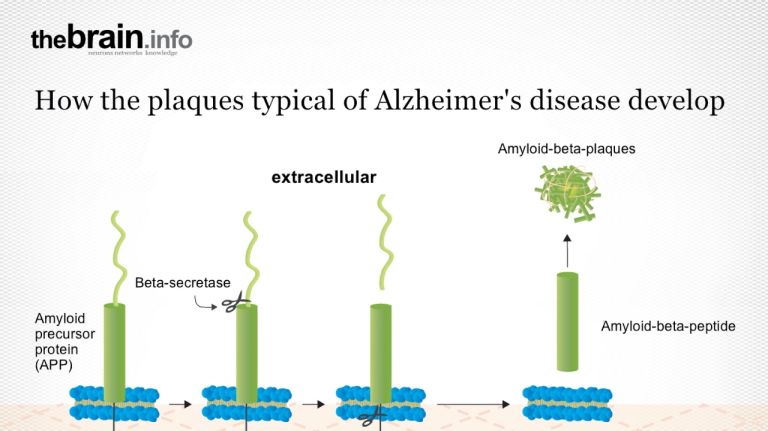
How the plaques typical of Alzheimer's disease develop
Two cuts are necessary for the protein APP to form beta-amyloid.
23.09.2013
-
- Diseases
- Intruders
Prions: Proteins That Drive You Crazy
On cannibalism, riddled brains, and contagious madness
02.05.2023