Search
-
- Glossary
Sleep disorders
A collective term for various phenomena characterized by the fact that those affected do not get restful sleep. Both psychological and organic causes can contribute to this. Symptoms range from problems falling asleep and staying asleep to undesirable behaviors during sleep such as sleepwalking, restless legs when falling asleep, sleep apnea, etc. According to estimates, up to 30 percent of all adults in Western countries suffer from some form of sleep disorder. Finding the causes is often complicated, and analysis in a sleep laboratory is the best method of investigation.
-
- Diseases
- Alzheimer's disease
Alzheimer's – a Disease makes History
After more than 100 years, Alzheimer's disease is still incurable. Possible causes are emerging.
20.10.2025
-
- Diseases
- Alzheimer's disease
Alzheimer's from the Inside
How do people live with Alzheimer's disease? A conversation with someone affected by the condition.
20.10.2025
-
- Percieve
- Hearing
Full Blast to the Ears
Noise not only makes you ill, it also damages your brain.
18.11.2025
-
- Basics
- The Glymphatic System
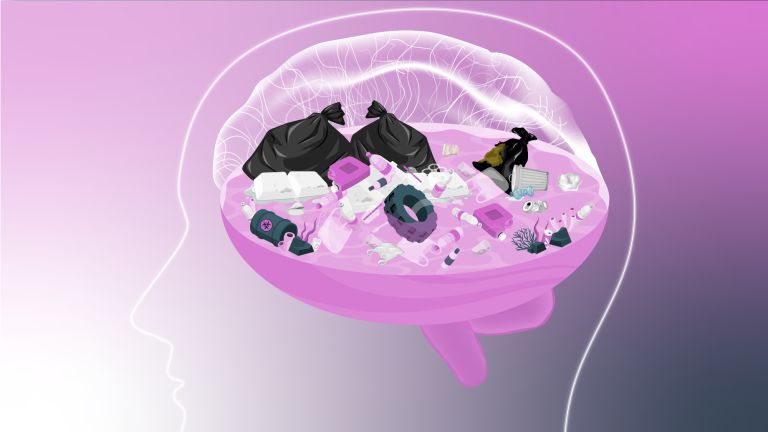
When the Brain gets clogged with Waste
Not even a coffee cup full of “nerve water” can flush out the brain at night – but woe betide you if you don't.
06.11.2024
-
- Diseases
- Alzheimer's disease
“And now he has Alzheimer's...” – A Guide for Relatives
Alzheimer's diagnosis: Find out what to expect and don't forget about yourself.
11.11.2025
-
- Diseases
- Alzheimer's disease
“It's nerve-wracking”
Care at home or in a nursing home? For some dementia patients, shared accommodation can also be an alternative.
20.09.2013
-
- Basics
- Structure and Function
Future Regeneration
The brain is amazing, but vulnerable – which makes effective treatments all the more important. In fact, there is hope: stem cell therapy works in mice.
30.04.2020
-
- Diseases
- Intruders
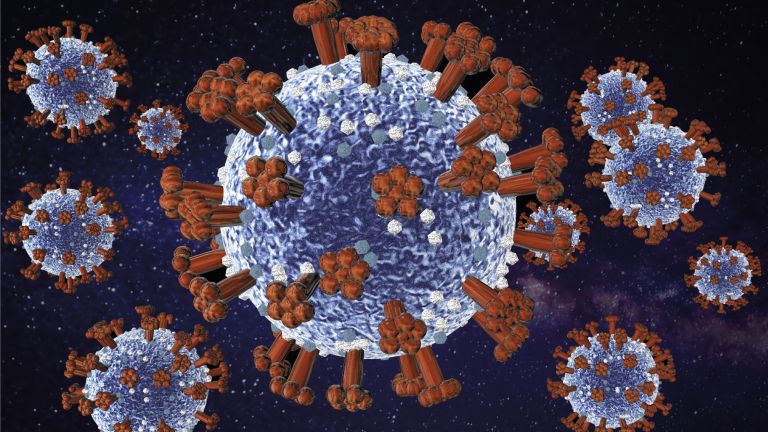
SARS-CoV-2: A Virus Hitting the Brain, too
Many patients suffer from neuropsychiatric symptoms (Long COVID) after COVID-19
29.07.2026
-
- Basics
- Communication of Cells
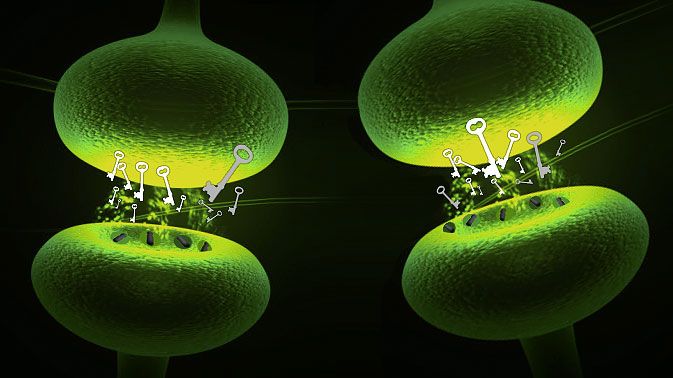
Neurotransmitters: Messenger Molecules in the Brain
“Happy hormone” & Co.: Without neurotransmitters, nerve cells would not be able to communicate.
05.08.2025