Search
-
- News from the Institutes
Two Brain Areas Compete for Control
The locus coeruleus and the ventral tegmental area compete for control over the formation of memory content
14.03.2025
-
- Basics
- Structure and Function
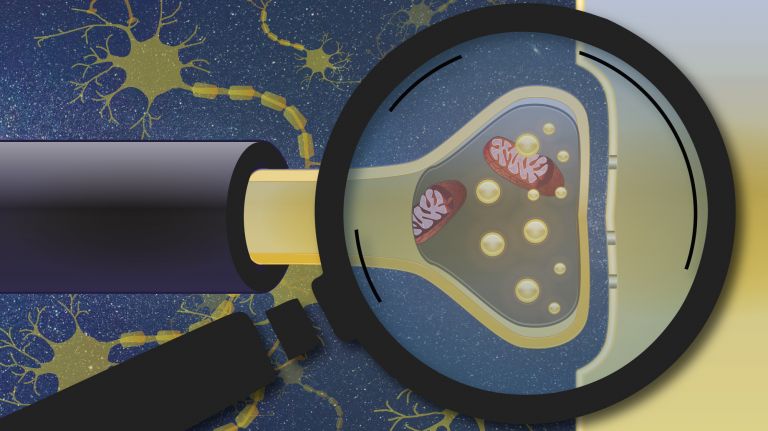
Connecting Nerves
Learning is as spiny path – as synapses vividly illustrate.
01.12.2020
-
- Glossary
Synaptic depression
Weakening of signal transmission at a synapse due to reduced neurotransmitter release or decreased receptor sensitivity; occurs, for example, with repeated stimulation (habituation).
-
- Act
- Meditation
Why Meditation?
A pioneer in meditation research explains why meditation is good for people and the brain.
30.07.2026
-
- Act
- Meditation
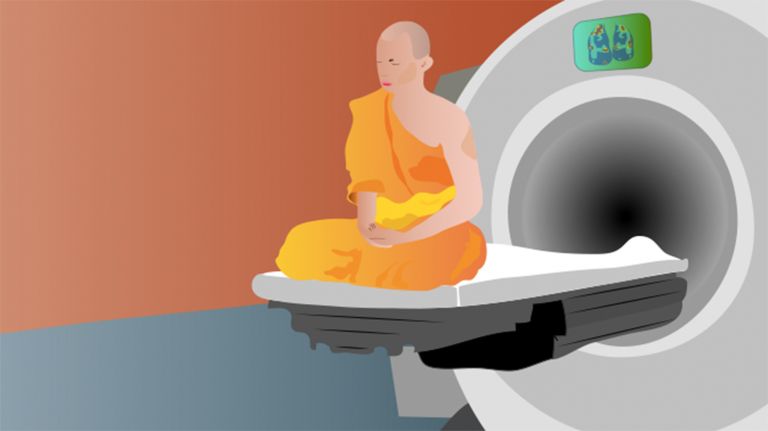
The Neuroscience of Meditation
Meditation is a simple method for influencing brain activity over the long term.
04.09.2026
-
- Page
The Advisors
20.03.2017
-
- Basics
- The Developing Brain
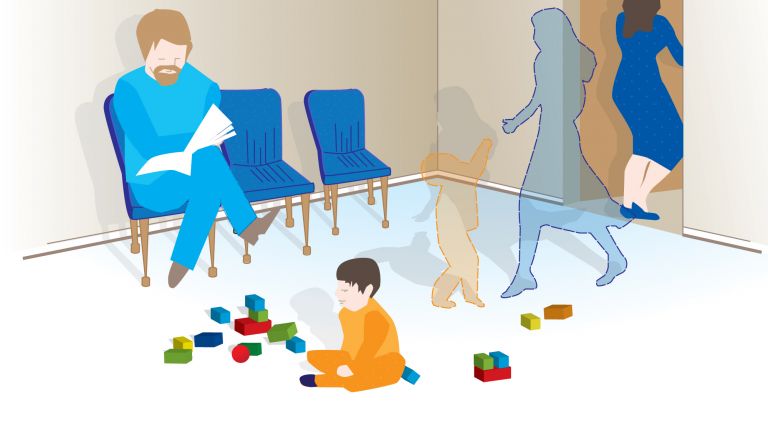
The invisible Bond
Emotional bond – the essential connection between children and parents.
18.03.2026
-
- Glossary
NMDA receptor
NMDA receptors are specialized receptor channels in the membrane of nerve cells that only open under very specific conditions. First, the neurotransmitter glutamate must bind to the receptor, and second, the receptor needs a cofactor such as glycine or D-serine. In addition, the postsynaptic cell membrane must be depolarized so that the magnesium ion (Mg²⁺) normally located in the channel pore is removed. If these conditions are met, an ion channel opens in the center of the receptor and allows calcium ions (Ca²⁺) in particular, but also sodium ions (Na⁺), to flow into the cell, while potassium ions (K⁺) flow out of the cell. The cell can respond to the influx of calcium in a variety of ways. NMDA receptors enable the brain to modify synaptic connections throughout life. They are crucial for forms of synaptic plasticity such as long-term potentiation (LTP) and long-term depression (LTD) and thus play a central role in the formation and storage of memory content.
-
- Basics
- Structure and Function
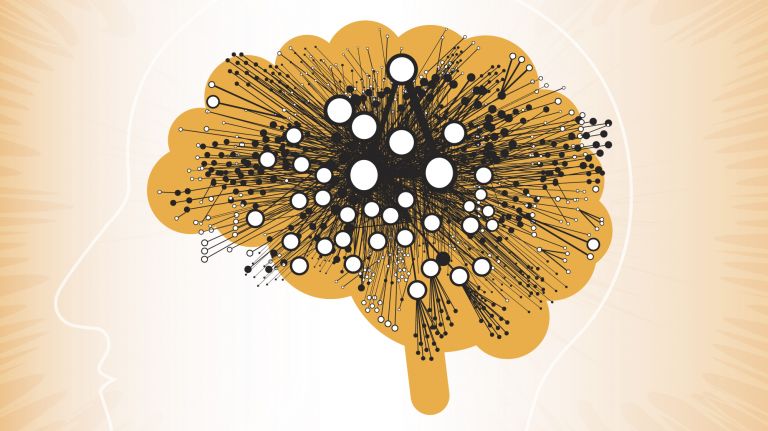
Well-Connected
The brain functions based on neural networks that change and adapt throughout a person's lifetime
30.04.2020
-
- News from the Institutes
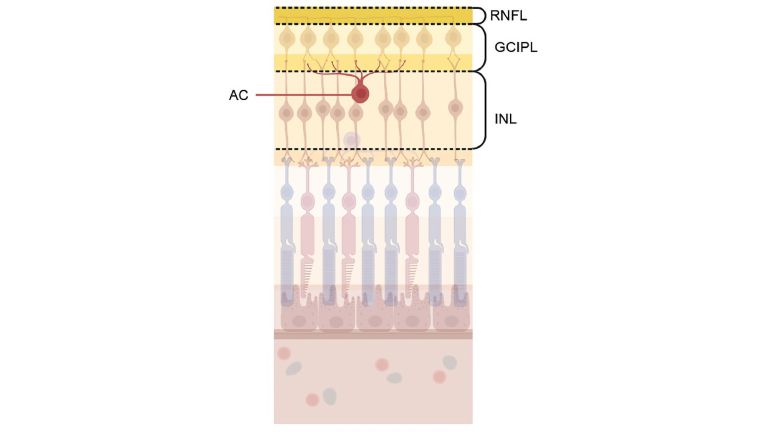
Insight into schizophrenia disease mechanisms found in the eye
Impaired neuronal connectivity in the retina
17.02.2025