Search
-
- News from the Institutes
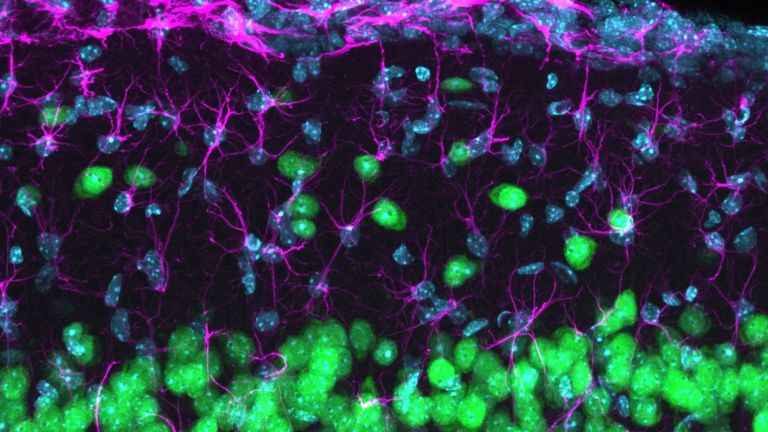
Two Brain Areas Compete for Control
The locus coeruleus and the ventral tegmental area compete for control over the formation of memory content
14.03.2025
-
- Page
The Advisors
20.03.2017
-
- Basics
- Structure and Function
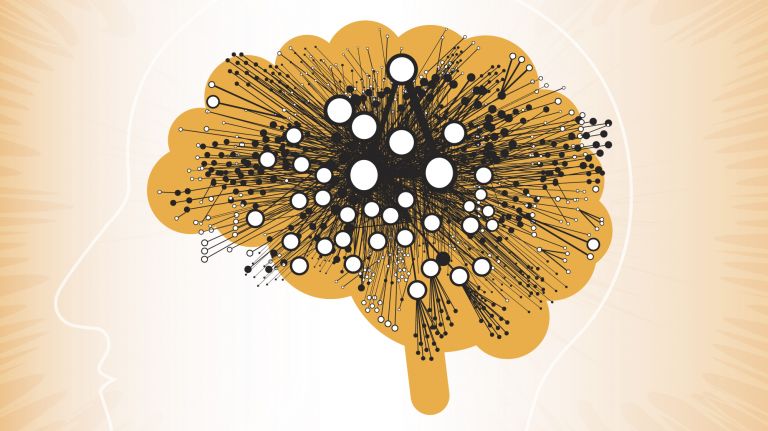
Well-Connected
The brain functions based on neural networks that change and adapt throughout a person's lifetime
30.04.2020
-
- Glossary
Plasticity
The term neuroplasticity describes the ability of synapses, nerve cells, and entire areas of the brain to change structurally and functionally depending on the degree to which they are used. Synaptic plasticity refers to the adaptation of the signal transmission strength of synapses to the frequency and intensity of incoming stimuli, for example in the form of long-term potentiation or depression. In addition, the size, interconnection, and activity patterns of different areas of the brain also change depending on their use. This phenomenon is referred to as cortical plasticity when it specifically affects the cortex.
-
- Basics
- Structure and Function
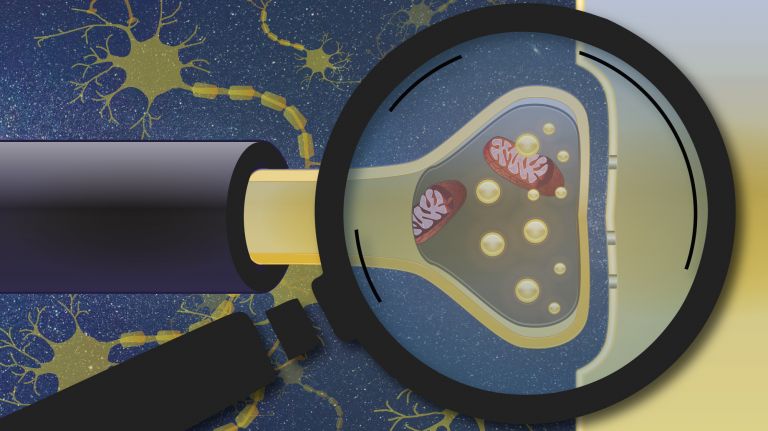
Connecting Nerves
Learning is as spiny path – as synapses vividly illustrate.
01.12.2020
-
- News from the Institutes
Remote-Control in the Cortex
How distant synapses are equipped for change
30.09.2026
-
- Act
- Meditation
The Neuroscience of Meditation
Meditation is a simple method for influencing brain activity over the long term.
04.09.2026
-
- News from the Institutes
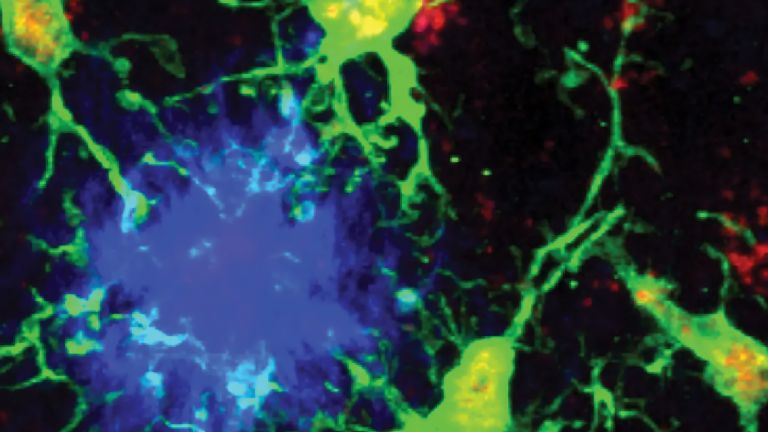
Protective Brain Immune Cell State Discovered
Discovery points to a potential new therapeutic pathway for Alzheimer’s disease
05.11.2025
-
- Basics
- Structure and Function
Myelin: High Speed
It is the white sheath that glial cells form around axons that makes high speed pathways in the brain possible.
01.12.2020
-
- Diseases
- Successful aging
Molecular Detectives
We are our memories. But neural firing alone cannot unravel the traces of memory.
01.02.2026