Search
-
- Glossary
Motivation
A motive is a reason. When this motive takes effect, the living being feels motivation – it strives to satisfy its need. For example, for food, protection, or reproduction. Motivation can be intrinsic (from within, e.g., curiosity) or extrinsic (from outside, e.g., reward).
-
- News from the Institutes
- Community
On the death of Prof. Dr. Henning Scheich
Henning Scheich was a German neurophysiologist and learning researcher of international standing.
06.06.2025
-
- News from the Institutes
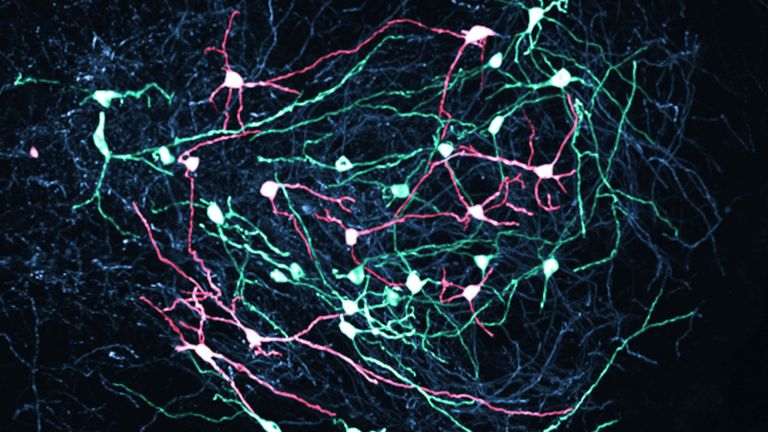
Two Brain Areas Compete for Control
The locus coeruleus and the ventral tegmental area compete for control over the formation of memory content
14.03.2025
-
- Basics
- Anatomy
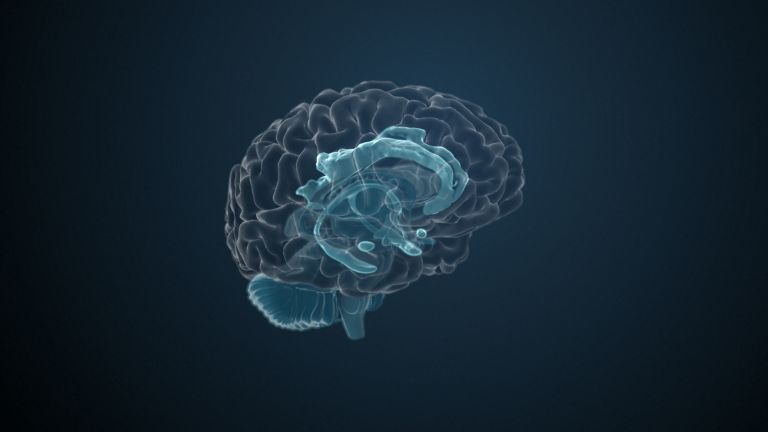
The Limbic System
The limbic system does not solely control our emotional life. It also has other functions.
22.12.2023
-
- News from the Institutes
Carbohydrate Cravings in Depression
Researchers from Bonn and Tübingen investigate the dietary preferences of depressed people
05.02.2025
-
- News from the Institutes
A switchboard with precision
How the brain licenses movements
28.05.2025
-
- Basics
- Anatomy
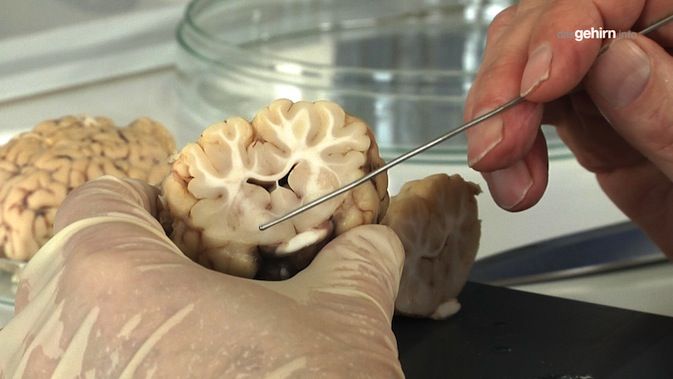
The Sheep Brain: Basal Ganglia
The basal ganglia control motor function and happiness – but in sheep, only unhappiness has been proven.
29.06.2013
-
- Basics
- Communication of Cells
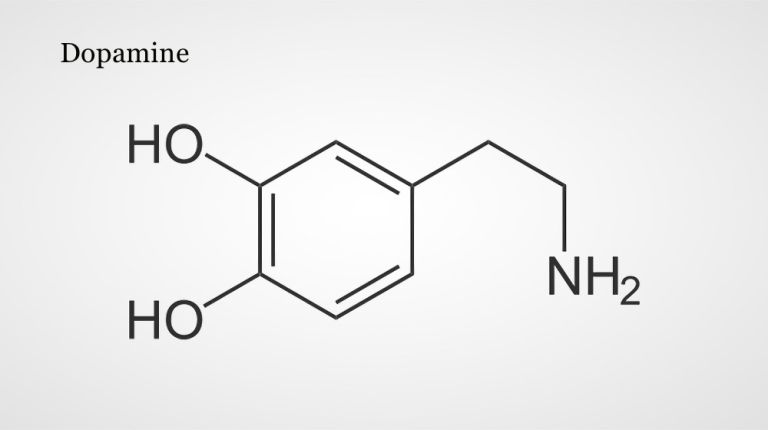
Dopamine
As a neurotransmitter, dopamine also plays a role in the reward center.
07.05.2012
-
- Act
- Motor Skills
The Effects of Exercise on the Brain
Stefan Schneider uses EEG to investigate how people can be motivated to exercise.
05.02.2026
-
- Act
- Sports
Sport: An all-around Happiness Package for Body and Mind
Exercise has positive effects at any age – so it's never too late to get started.
01.09.2021