Search
-
- Basics
- Anatomy
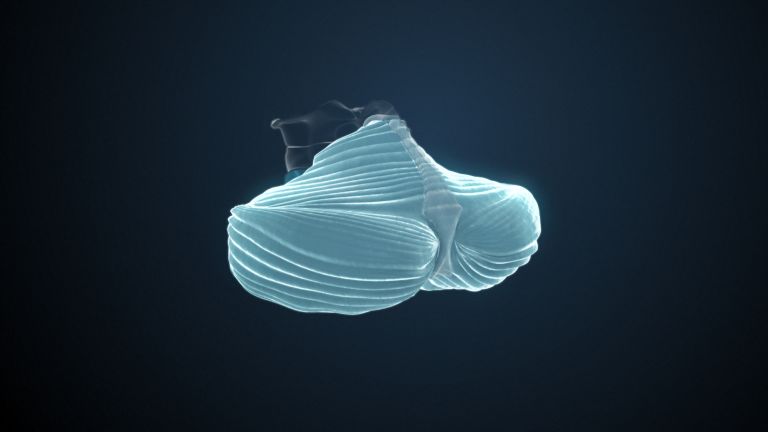
The Cerebellar Hemispheres
Enormous interconnection density in a small space ensures coordination of voluntary movements.
20.09.2025
-
- Basics
- The Developing Brain
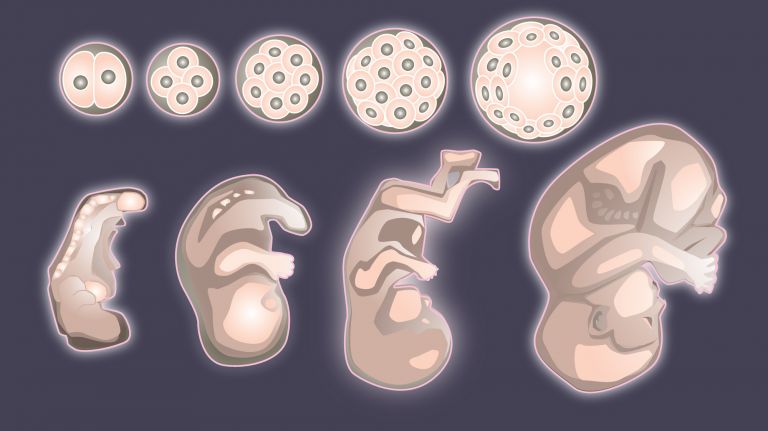
Development of a Brain
There is no process on Earth more complex than brain development
10.02.2026
-
- Act
- Motor Skills
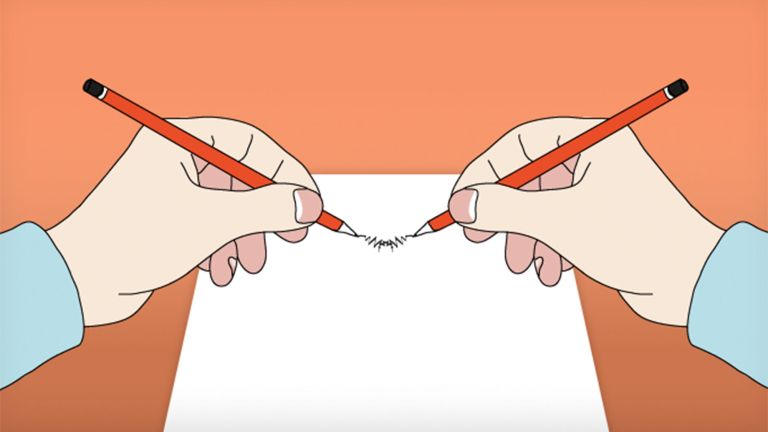
Forced Right-Handedness
When left-handed people were retrained to use their right hand, their brains were also retrained.
25.10.2025
-
- Basics
- Anatomy
The Paleocortex
In the beginning was smell: the oldest part of the cerebrum deals with sniffing.
01.10.2025
-
- Basics
- Anatomy
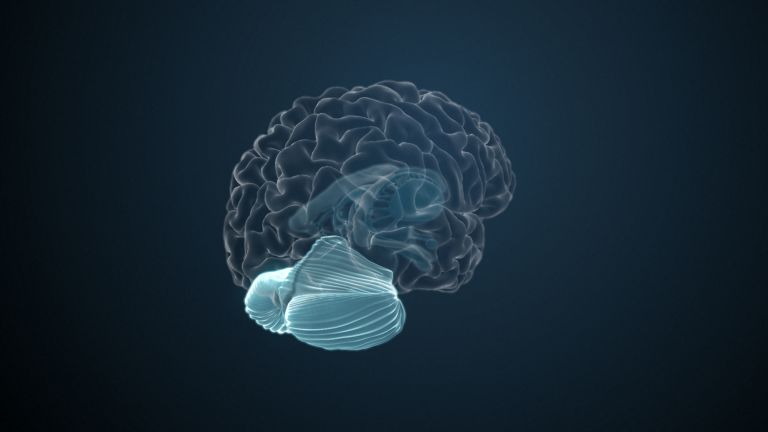
The Cerebellum
Highly aesthetic, but long underestimated: the cerebellum does more than just coordinate movements.
05.08.2025
-
- Glossary
Cerebrum
The cerebrum comprises the cerebral cortex (gray matter), the nerve fibers (white matter), and the basal ganglia. It is the largest part of the brain. The cortex can be divided into four cortical areas: the temporal lobe, frontal lobe, occipital lobe, and parietal lobe.Its functions include the coordination of perception, motivation, learning, and thinking.
-
- Basics
- Anatomy
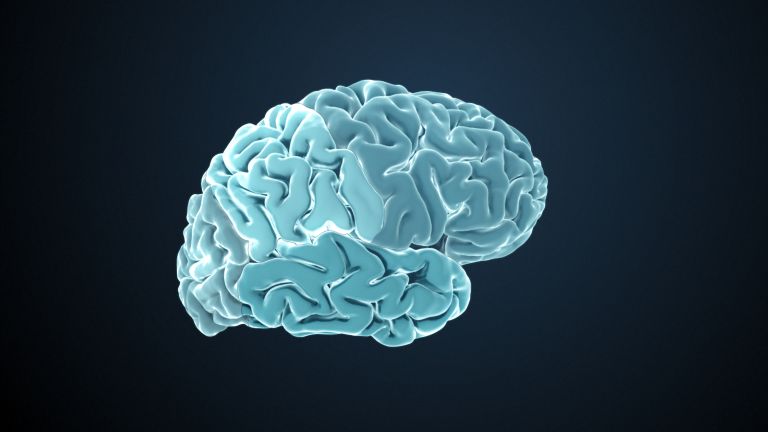
The Cortex
The brain's control center, seat of perception, consciousness, and behavior
20.09.2025
-
- Basics
- Anatomy
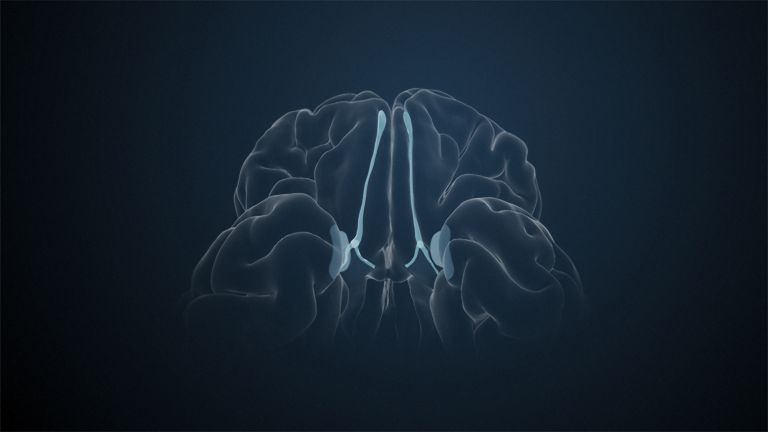
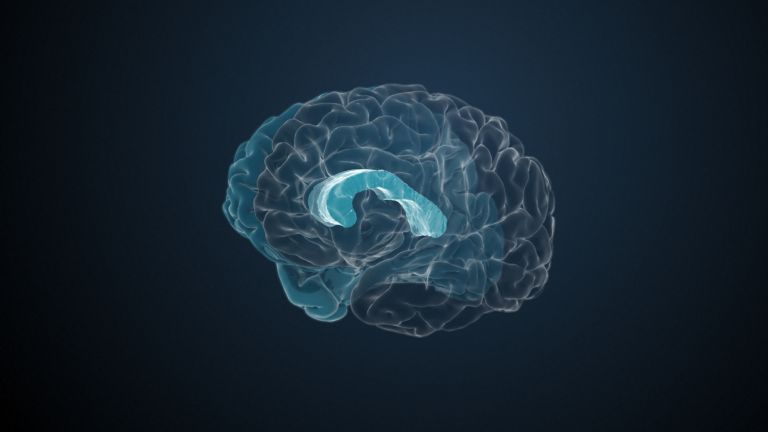
The Corpus Callosum
The corpus callosum allows information to flow between the two hemispheres of the cerebrum. This is urgently needed.
01.07.2025
-
- Think
- Consciousness
When Consciousness fails
A complex system of brain structures is necessary for the conscious perception of our surroundings.
13.06.2025
-
- News from the Institutes
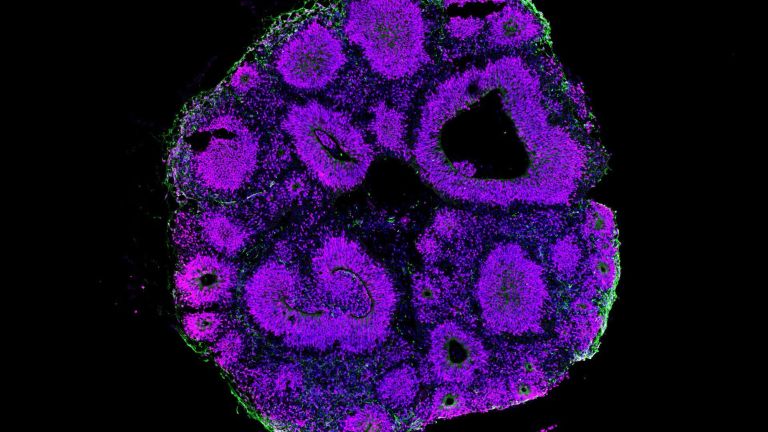
How a gene shapes the architecture of the human brain
Organoids provide insights into brain development with unprecedented precision
27.11.2025