Search
-
- Diseases
- Successful aging
The Secret of Neural Reserve
From the hippocampus to the synapse: A research consortium is investigating which factors protect our thinking in old age
01.02.2026
-
- News from the Institutes
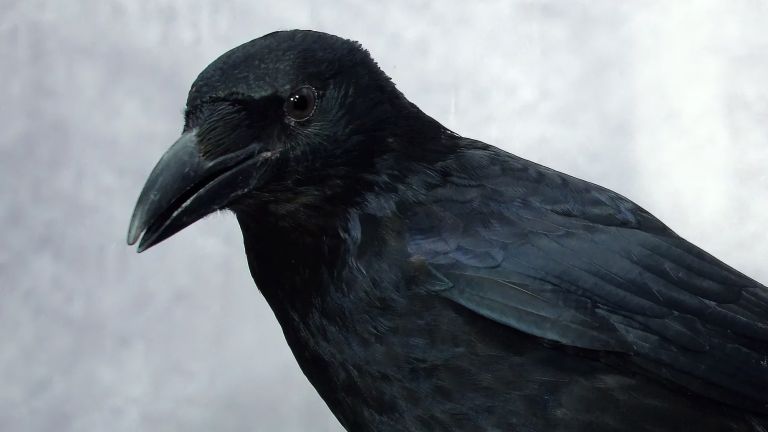
Crows make decisions twice as fast as humans and monkeys
In corvid brains, University of Tübingen researchers discover basic neural decision-making signals like those in primate brains
22.10.2026
-
- Act
- Motor Skills
Networks of Movement: Control Strategy, Tactics, Execution
Every arbitrary movement is planned, organized, and sent for execution in the brain.
01.12.2025
-
- News from the Institutes
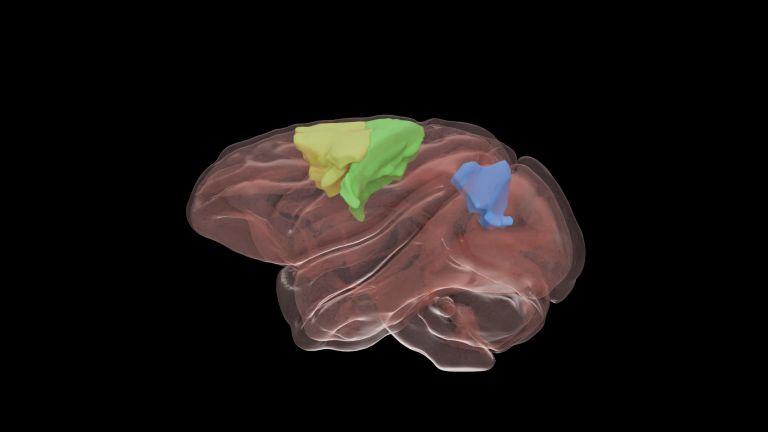
Controlling prostheses with the power of thought
How research into movement planning in the brain is helping to advance the development of neuroprostheses
20.10.2025
-
- News
- Question to the brain
How do Placebo Drugs work?
What actually happens in the brain during the placebo effect?
02.02.2025
-
- Think
- Consciousness
The Night Side of Consciousness
Our brain goes through different stages of consciousness during the night.
03.09.2025
-
- Basics
- Structure and Function
Neural Networks: So Much for “Hard-Wired”
Dialogues in the nervous system: Sometimes bottom-up, sometimes top-down
10.03.2023
-
- Basics
- Structure and Function
The Nervous System – A Master of Adaptation
The adult brain, too, is constantly restructuring itself, thereby enabling lifelong learning.
05.05.2026
-
- Glossary
Prefrontal cortex
The prefrontal cortex (PFC) forms the front part of the frontal lobe and is one of the brain's most important integration and control centers. It receives highly processed information from many other areas of the cortex and is responsible for planning, controlling, and flexibly adapting one's own behavior. Its central tasks include executive functions, working memory, emotion regulation, and decision-making. In addition, the PFC plays an important role in the cognitive evaluation and modulation of pain.
-
- Glossary
Visual cortex
The visual cortex refers to the areas of the occipital lobe that are involved in processing visual information. These include the primary visual cortex and the associative visual cortices V1 to V5. According to Brodmann, the visual cortex comprises areas 17, 18, and 19.