Search
-
- News from the Institutes
Insight into schizophrenia disease mechanisms found in the eye
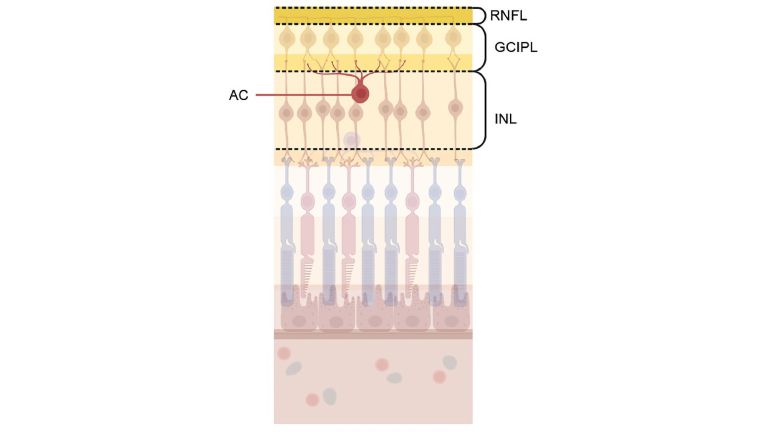
Impaired neuronal connectivity in the retina
17.02.2025
-
- News from the Institutes
A switchboard with precision
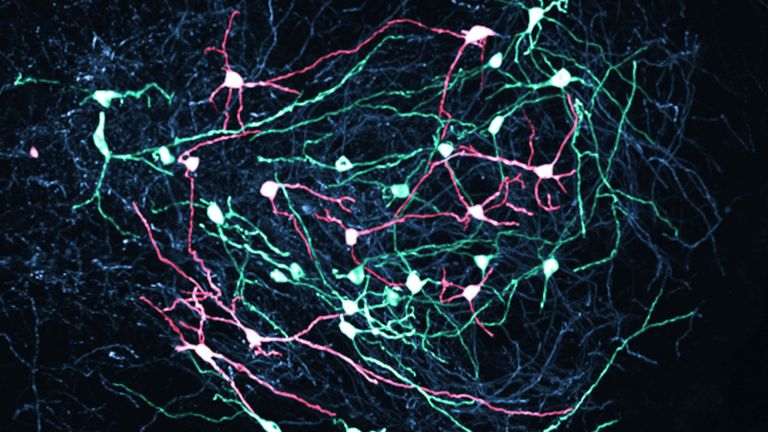
How the brain licenses movements
28.05.2025
-
- Glossary
Lewy body dementia
A neurodegenerative disease that resembles Alzheimer's disease, but also Parkinson's disease in its symptoms. The Lewy bodies that give the disease its name are caused by protein deposits in the nerve cells of the cerebral cortex and brain stem, which impair the function of the corresponding neurons. In addition to cognitive impairment, Lewy body dementia often causes hallucinations or depression, as well as changes in mobility similar to those seen in Parkinson's disease.
-
- Glossary
Neurodegeneration
Collective term for diseases in which nerve cells gradually lose their structure or function until they eventually die. In many cases, misfolded proteins are the trigger – such as certain forms of the proteins beta-amyloid and tau in the case of Alzheimer's disease. In other diseases, such as Parkinson's disease or Huntington's disease, proteins within the neurons are not broken down properly. As a result, toxic aggregates are deposited there, leading to the respective disease symptoms. While Huntington's disease is clearly genetic, in Parkinson's and Alzheimer's there appear to be certain gene variants that promote their development. None of these neurodegenerative diseases can be cured at present.
-
- News from the Institutes
A human model of the blood-brain barrier
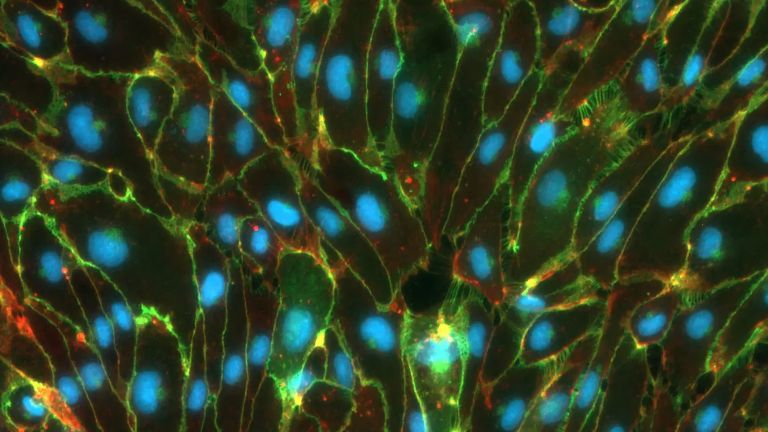
Disruptions to the protective barrier contribute to the development of serious brain diseases such as stroke and Alzheimer's.
16.12.2025
-
- Page
Home
24.02.2017
-
- Basics
- Communication of Cells
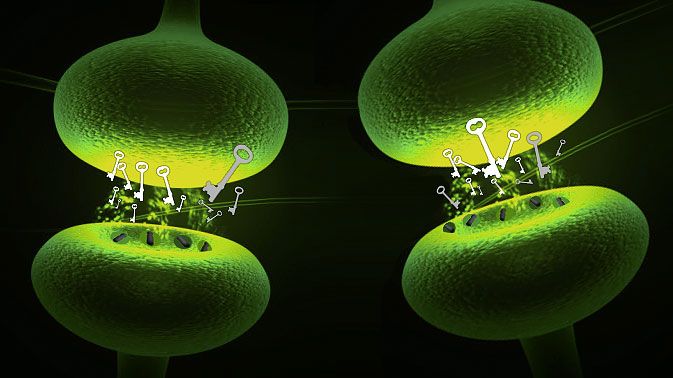
Neurotransmitters: Messenger Molecules in the Brain
“Happy hormone” & Co.: Without neurotransmitters, nerve cells would not be able to communicate.
05.08.2025
-
- Basics
- Anatomy
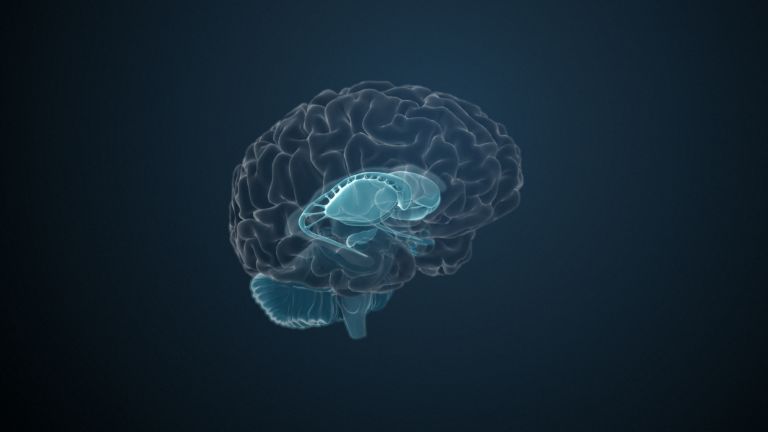
The Basal Ganglia
Whenever we perform a deliberate movement, core areas deep within the brain are involved.
23.08.2011
-
- Basics
- Structure and Function
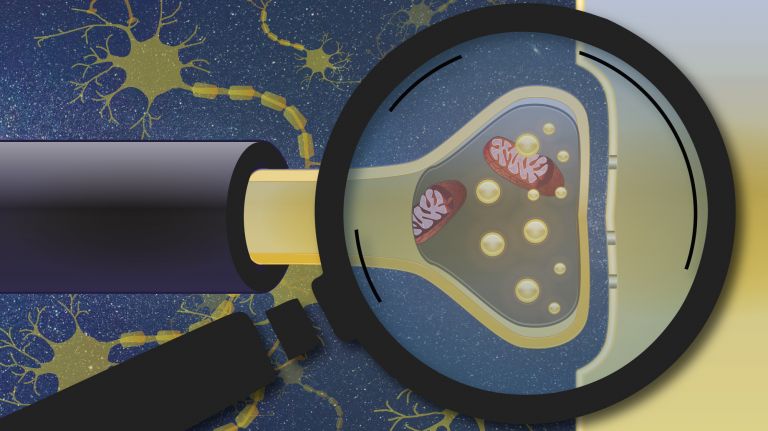
Connecting Nerves
Learning is as spiny path – as synapses vividly illustrate.
01.12.2020
-
- News from the Institutes
How disturbed signaling pathways could promote epileptic seizures
For the first time, a research team in Bonn is systematically investigating the role of the dopamine system in a common form of therapy-resistant epilepsy.
15.04.2025