Search
-
- Basics
- Anatomy
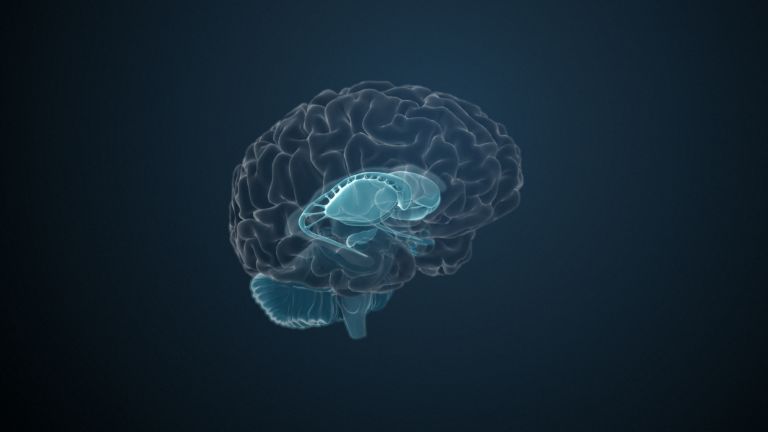
The Basal Ganglia
Whenever we perform a deliberate movement, core areas deep within the brain are involved.
23.08.2011
-
- Glossary
Glial cells
Glia cells are the second largest group of cells in the brain after neurons. For a long time, they were considered inactive elements of the brain, referred to as "nerve cement." Today, we know that the different types of glia cells (astrocytes, oligodendrocytes, and microglia in the CNS; Schwann cells in the PNS) perform clearly defined tasks in the nervous system. For example, they respond to pathogens, play an important role in nourishing nerve cells, and insulate nerve fibers. They account for slightly more than 50 percent of the brain's cells, compared to neurons.
-
- Topic
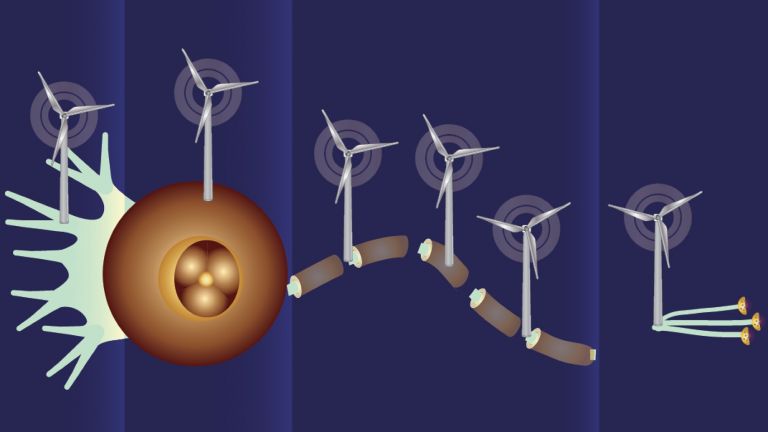
Energy!
Neural compartments in the interplay between disease and health.
-
- News from the Institutes
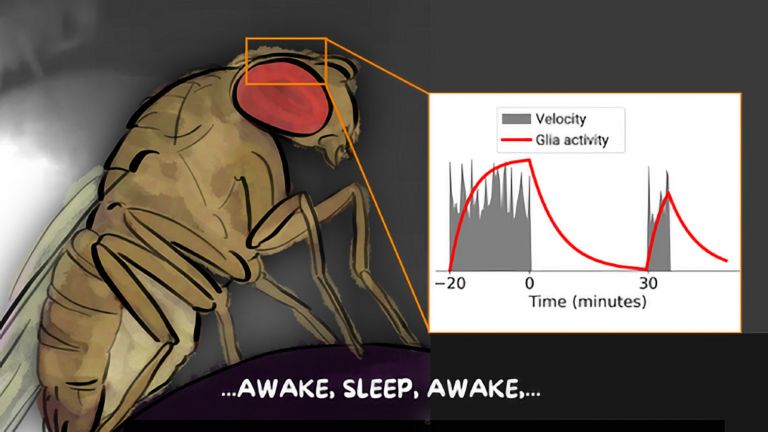
What makes a fly feel sleepy?
And how does the brain know when it's time to rest?
21.04.2025
-
- Diseases
- Multiple sclerosis
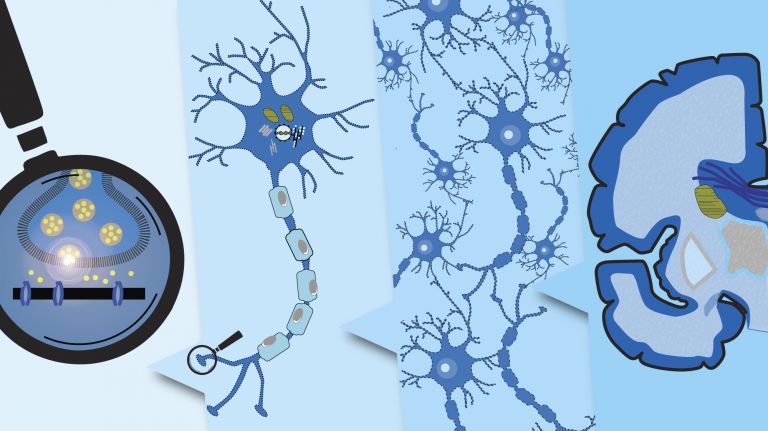
The Disease with a thousand Faces
Key facts about MS. And first things first: the course of the disease can be significantly influenced.
07.10.2025
-
- Page
The Project
24.02.2017
-
- Basics
- Structure and Function
The Wonders of Life
Researchers are examining life in ever greater detail. It is revealed to be intricate and complex – the miracle becomes explainable. Yet this in no way diminishes it.
30.04.2020
-
- News from the Institutes
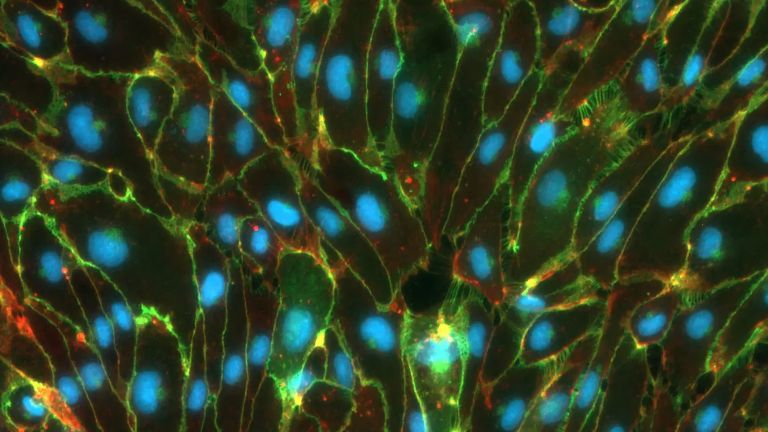
A human model of the blood-brain barrier
Disruptions to the protective barrier contribute to the development of serious brain diseases such as stroke and Alzheimer's.
16.12.2025
-
- Basics
- Communication of Cells
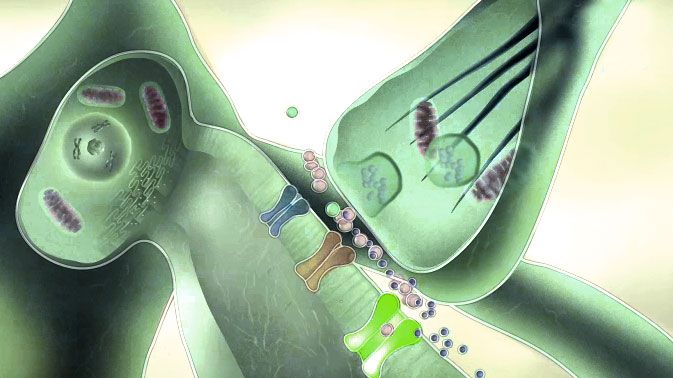
Nerve Cells in Conversation
No chaos despite sensory overload – neurons communicate silently, efficiently, and at breakneck speed.
16.04.2012
-
- Page
The Advisors
20.03.2017