Search
-
- Act
- Motor Skills
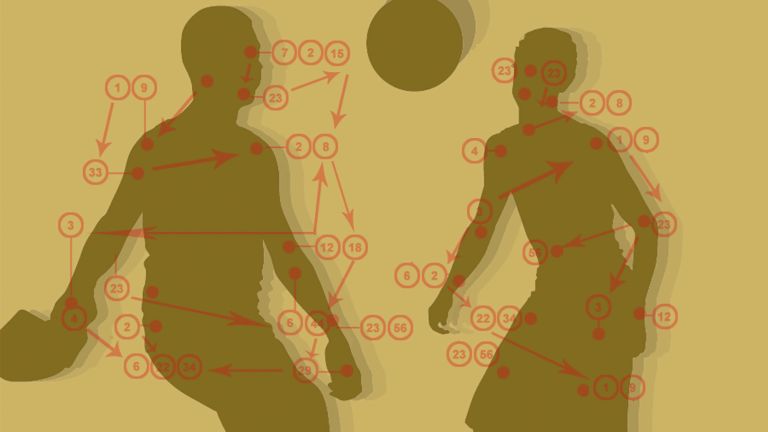
Networks of Movement: Control Strategy, Tactics, Execution
Every arbitrary movement is planned, organized, and sent for execution in the brain.
01.12.2025
-
- Glossary
Purkinje cell
Purkinje cells are the main output cells of the cerebellar cortex and central switching points of the cerebellum. They have a dense, tree-like dendritic apparatus through which they receive information from thousands of parallel fibers and climbing fibers. Their axons are the only ones that extend out of the cerebellar cortex and project onto the nuclei of the cerebellum, from where signals are transmitted to motor centers. Purkinje cells are among the largest cell types in the cerebellum.
-
- Basics
- Anatomy
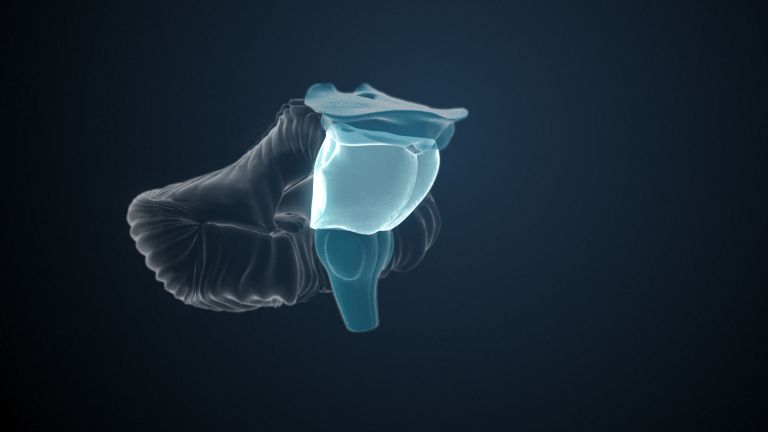
The Pons
The name is not correct, but it is involved in motor function, taste, and important vegetative functions.
20.09.2025
-
- Act
- Motor Skills
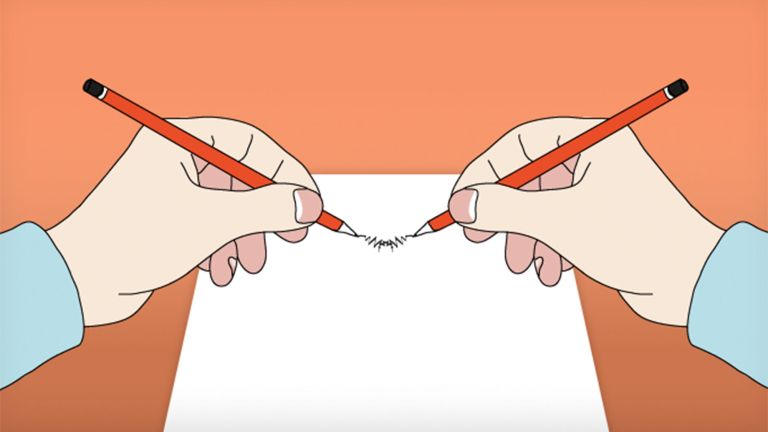
Forced Right-Handedness
When left-handed people were retrained to use their right hand, their brains were also retrained.
25.10.2025
-
- Basics
- Anatomy
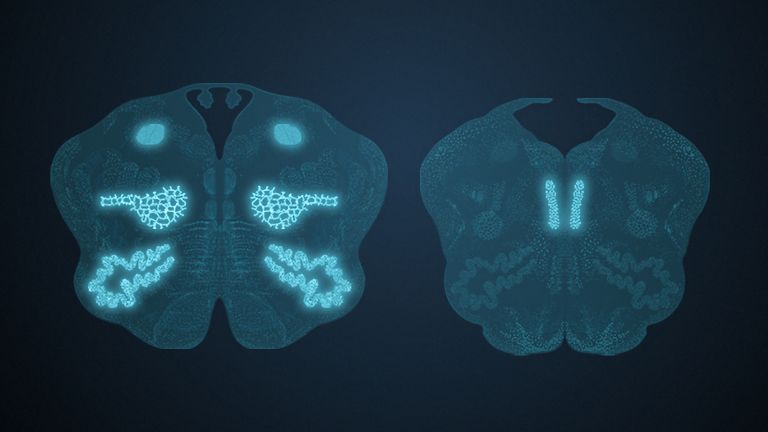
The Medulla Oblongata
Fibers and nuclei – and important nuclei at that. The medulla oblongata is where the brain begins.
01.10.2025
-
- Basics
- Structure and Function
Well-Connected
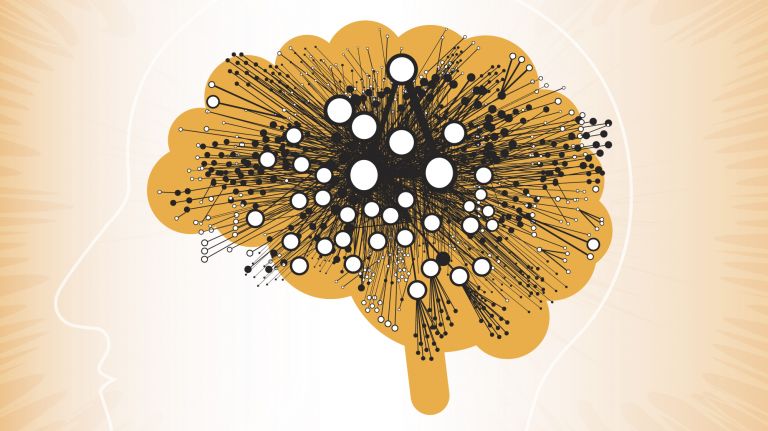
The brain functions based on neural networks that change and adapt throughout a person's lifetime
30.04.2020
-
- Basics
- Communication of Cells
Types of Neurons
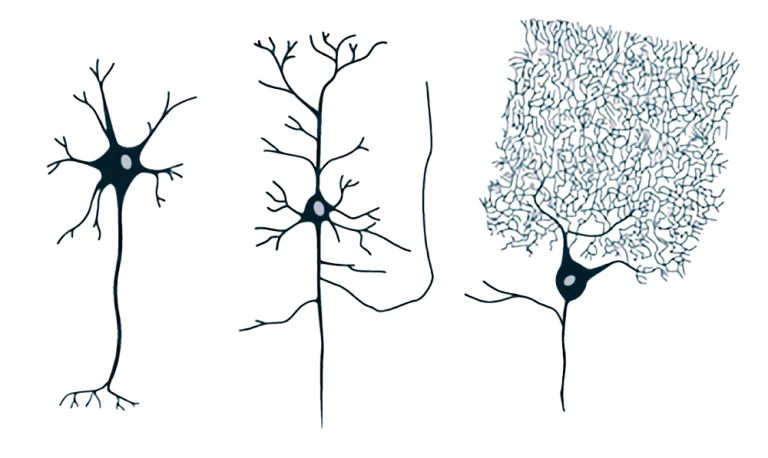
Multipolar neurons have different characteristics depending on their function.
17.05.2012
-
- Glossary
Cerebellar peduncles
Three fiber connections on the right and left sides that connect the cerebellum to the brain stem. All afferent and efferent fibers of the cerebellum run through these connections.
-
- Glossary
Basket cell
Basket cells are interneurons in the cerebellum and hippocampus. In the cerebellum, they are excited by parallel fibers and in turn inhibit Purkinje cells.
-
- Glossary
Granule cell
Relatively small nerve cells found in the cortex (cerebral cortex), hippocampus, olfactory bulb, and cerebellum. In the cortex, they are primarily located in layer IV and are predominantly excitatory. In the cortex of the cerebellum, they constitute 99% of the cells and form the parallel fibers.